
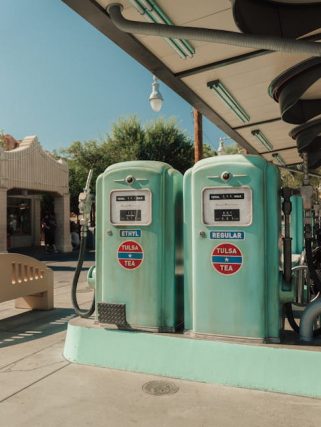
Ethanol gas and regular gas have distinct benefits and drawbacks. Understanding these differences can impact vehicle performance.
Ethanol gas, often used in blends, is a renewable resource. It reduces reliance on fossil fuels. Regular gas, on the other hand, is traditional and widely available. While ethanol gas is better for the environment, it may affect engine performance.
Regular gas typically offers more consistent power. Ethanol blends can cause more wear and tear on engines over time. VP Small Engine Fuels 6238 Ethanol-Free 50:1 2-Cycle Gas+Oil is designed to optimize engine efficiency. It reduces maintenance issues. Choosing the right gas depends on specific needs and engine types. Consider cost, availability, and environmental impact. Understand your engine’s requirements before making a choice.
Vp Small Engine Fuels 6238 Ethanol-free 50:1 2-cycle Gas+oil

The VP Small Engine Fuels 6238 Ethanol-Free 50:1 2-Cycle Gas+Oil is an ideal choice for enthusiasts who value high-performance and reliability in their small engine equipment. Whether you own a chainsaw, leaf blower, or any other 2-cycle engine tool, this product is designed to enhance the lifespan and efficiency of your machinery. It’s perfect for those who prefer ethanol-free fuel to prevent engine corrosion and ensure smooth operation.
Pros:
- Ethanol-Free formula prevents corrosion and damage to the engine.
- Convenient 50:1 premix ensures optimal performance without the hassle of mixing.
- Pack of 8 provides ample supply for frequent use.
- Compact dimensions make storage easy and space-efficient.
Cons:
- Higher cost compared to regular fuel options.
- Limited availability in some regions.
The VP Small Engine Fuels 6238 offers a unique ethanol-free solution that significantly reduces the risk of engine corrosion, which is a common issue with fuels containing ethanol. This ensures that your 2-cycle engines run smoothly and efficiently, providing consistent power and extending the engine’s lifespan. With its premixed 50:1 ratio, users can enjoy the convenience of a ready-to-use solution, eliminating the need for manual mixing and thus reducing the chance of errors.
Furthermore, the pack of 8 ensures that you have a sufficient supply of fuel, making it a cost-effective option for those who frequently use small engine equipment. The compact size and lightweight design facilitate easy storage and transport, allowing users to maintain their tools’ efficiency without hassle. Despite its higher cost, the benefits of using ethanol-free fuel outweigh the expense by providing better engine performance and reducing maintenance needs, making it a valuable investment for serious users.
Frequently Asked Questions
What Is Ethanol Gas?
Ethanol gas is a blend of gasoline and ethanol, usually 10% ethanol. It’s popular for reducing emissions and enhancing octane levels. However, it can lead to corrosion and damage in small engines. Ethanol-free gas is often recommended for small engines to prevent these issues.
Why Choose Ethanol-free Gas For Small Engines?
Ethanol-free gas is recommended for small engines due to its stability and lack of ethanol-related issues. It reduces the risk of corrosion and damage, ensuring better performance and longevity. This makes it ideal for lawn mowers, chainsaws, and other small engine equipment.
How Does Ethanol-free Gas Improve Engine Performance?
Ethanol-free gas offers more stable combustion and prevents ethanol-related damage. It reduces the risk of corrosion and water absorption in fuel systems. This leads to more efficient operation, better power output, and extended engine life, particularly in small engines and equipment.
Is Ethanol-free Gas More Expensive Than Regular Gas?
Yes, ethanol-free gas is generally more expensive than regular gas. The higher price is due to the absence of ethanol, which can be cost-effective for small engines. Despite the cost, it can save money by reducing repairs and extending engine lifespan.
Can Regular Gas Damage Small Engines?
Yes, regular gas can damage small engines due to ethanol content. Ethanol can attract moisture, causing corrosion and fuel system issues. It may also degrade rubber and plastic parts. Using ethanol-free gas can prevent these problems and enhance engine reliability.
Conclusion
Choosing between ethanol gas and regular gas involves various factors. Each type of fuel offers unique benefits and drawbacks. Ethanol gas is often more environmentally friendly. It can reduce emissions and help protect the planet. Regular gas, on the other hand, is widely available.
It is often cheaper and offers consistent performance. Understanding the specific needs of your engine is key. Small engines, like those in lawn mowers, might benefit from ethanol-free options. This can prevent damage and extend engine life. Ethanol-free fuels, like vp small engine fuels 6238, offer reliable performance.
They are designed to keep small engines running smoothly. Ultimately, the choice depends on your specific requirements and preferences. Consider factors like cost, availability, and environmental impact. Making an informed decision can enhance your engine’s performance and longevity. Understanding these differences will help you choose the best fuel for your needs.
Choose wisely for optimal engine health.
About The Author

