
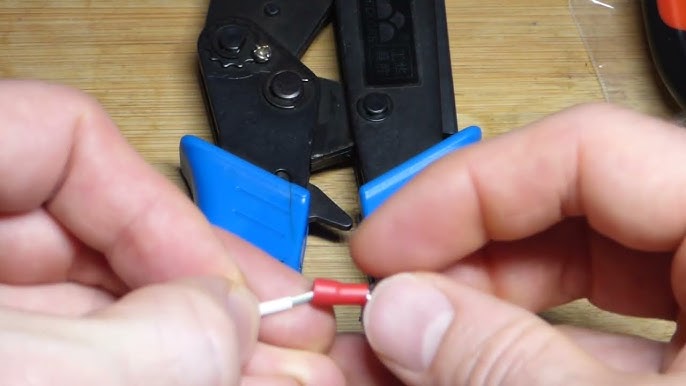
Have you ever wondered if you can crimp solid wire the same way you do with stranded wire? Whether you’re working on a home project or a professional job, knowing the right technique can save you time and prevent costly mistakes.
You’ll discover the truth about crimping solid wire, how it differs from other types, and the best practices to get a secure, reliable connection every time. Keep reading—you’ll want to get this right before your next wiring task.
Types Of Solid Wire
Solid wire comes in various types, each designed for specific uses. Knowing the types helps in choosing the right wire for crimping. Solid wires differ mainly in thickness and material. These factors affect how well the wire holds in crimp connectors and its overall durability.
Common Wire Gauges
Wire gauge shows the thickness of the solid wire. The lower the number, the thicker the wire. Common gauges for solid wire include:
- 18 AWG – Thin, often used in electronics and small circuits
- 16 AWG – Medium thickness, suitable for general wiring
- 14 AWG – Thicker, used in household wiring
- 12 AWG – Thick, for heavy-duty electrical work
Choosing the right gauge ensures proper connection and safety. Thicker wires carry more current but need larger connectors.
Materials Used
Solid wires come in different materials. The most common types are copper and aluminum.
- Copper:Excellent conductor, flexible, and resists corrosion.
- Aluminum:Lighter and cheaper but less conductive and harder to crimp.
Copper solid wire is preferred for most crimping tasks. Aluminum requires special connectors and techniques to avoid loose connections.
Crimping Basics
Crimping solid wire is a common technique in electrical work. It creates a strong connection between the wire and a terminal or connector. Understanding the basics of crimping helps ensure a secure and reliable joint. This section covers the essential tools and safety steps for effective crimping.
Tools Needed
- Crimping tool designed for solid wire
- Wire stripper for removing insulation
- Connector terminals suited for solid wire
- Multimeter to check connections
- Cutting tool to trim wires
Safety Precautions
- Wear safety glasses to protect your eyes
- Work in a dry area to avoid electric shock
- Disconnect power before starting any crimping work
- Use insulated tools to reduce injury risk
- Check wire and connector compatibility before crimping
Choosing The Right Crimp Connector
Choosing the right crimp connector is key for a strong and safe connection. The connector must fit the wire type and size precisely. A wrong choice can cause poor electrical contact and failure. Understanding connector materials and size matching helps pick the best option for solid wire crimping.
Connector Materials
Crimp connectors come in different materials. Copper connectors offer excellent conductivity and resist corrosion. Aluminum connectors are lightweight but less conductive. Steel connectors provide mechanical strength but may need plating. Plastic insulation protects the connection and helps with color coding. Choose materials based on the wire’s environment and electrical needs.
Size Matching
The connector size must match the wire gauge exactly. A loose fit leads to weak connections and possible sparks. A too-tight fit can damage the wire strands. Most connectors list the compatible wire sizes on the package. Use a wire gauge tool to measure the wire before buying connectors. Proper size matching ensures a durable and efficient crimp.
Step-by-step Crimping Process
The step-by-step crimping process is key to making strong, reliable connections with solid wire. Following clear steps ensures the wire fits correctly and holds tight inside the connector. This approach reduces the chance of loose ends or poor electrical contact. Precise preparation and careful handling make the crimp last longer and perform better.
Preparing The Wire
Start by cutting the solid wire to the needed length. Strip about half an inch of the wire’s insulation. Avoid nicking or damaging the metal inside. Clean the exposed wire to remove any dirt or oils. Proper preparation helps the wire fit snugly in the connector.
Inserting The Connector
Choose a connector that matches the wire size. Insert the stripped wire fully into the connector barrel. Ensure no bare wire is outside the connector. The wire strands must sit straight and not spread out. This step is important for a tight crimp.
Applying The Crimp
Select a crimping tool designed for solid wire connectors. Place the connector in the tool’s crimping slot. Squeeze the handles firmly until the connector is compressed. Check that the wire is secure by gently pulling it. A good crimp holds the wire without damage or looseness.
Common Mistakes To Avoid
Crimping solid wire might seem straightforward, but many make avoidable errors that compromise the connection’s strength and safety. Recognizing these common mistakes can save you time, frustration, and even costly repairs. Let’s break down the pitfalls you should watch out for to get a reliable crimp every time.
Incorrect Wire Stripping
Stripping too much insulation off the wire leaves exposed metal that can short circuit or cause damage. On the other hand, stripping too little makes it hard to fit the wire fully into the crimp connector. You want just the right amount—enough to make a solid connection without excess bare wire showing.
Think about the last time you struggled to push a wire into a connector. Chances are, your stripping was off. Use a wire stripper gauge matched to your wire size, and double-check before crimping. It’s a small step that makes a big difference.
Over Or Under Crimping
Applying too much pressure when crimping can crush the wire strands, weakening the connection and possibly breaking the wire over time. Too little pressure, and the crimp won’t hold tight, causing intermittent connections or complete failure.
Do you know how your crimp should feel? It should be firm but not forced. Invest in a quality crimping tool with a ratchet mechanism to ensure consistent pressure. If your tool doesn’t have this, practice on scrap wire until you can judge the right amount of force.

Credit: www.assemblymag.com
Testing Crimped Connections
Testing crimped connections is essential to ensure your solid wire joints are reliable and safe. Even if the crimp looks perfect, hidden flaws can cause failures later on. You need practical ways to confirm your work stands up to real-world conditions.
Visual Inspection
Start with a close look at the crimped area. Check if the wire is fully inserted and the crimp barrel is evenly compressed around the wire.
Look for signs like crushed insulation or loose strands poking out. These are red flags that the crimp might fail under stress.
Have you ever seen a crimp that looks clean but feels loose when you gently tug the wire? That’s why visual inspection alone isn’t enough—however, it’s the first step you shouldn’t skip.
Electrical Testing
After visual checks, use a multimeter to test continuity and resistance. A properly crimped connection should show very low resistance, close to zero ohms.
Try measuring voltage drop under load if possible. A higher than expected drop could mean a weak crimp or poor contact.
Don’t overlook the importance of load testing. Running current through the crimp simulates real conditions and reveals if your connection can handle it without overheating.
Advanced Techniques
Mastering advanced crimping techniques can elevate the quality and durability of your electrical projects. Solid wire crimping is more than just attaching connectors; it’s about creating strong, reliable connections that last. Let’s dive into some smart ways you can enhance your crimping skills.
Using Heat Shrink Tubing
Heat shrink tubing is a game-changer when it comes to protecting and reinforcing your crimped solid wire connections. After you crimp the connector, sliding on heat shrink tubing and applying heat creates a tight seal around the joint. This not only guards against moisture and corrosion but also adds mechanical strength.
Have you ever dealt with wires that fray or connectors that loosen over time? Adding heat shrink tubing can prevent these issues by holding everything firmly in place. It’s a simple step that can save you from costly repairs down the line.
Multi-wire Crimping
Crimping multiple solid wires together requires a slightly different approach to ensure each wire maintains a solid electrical path. Use connectors designed specifically for multi-wire crimping, which distribute pressure evenly across all wires. This avoids damage and ensures a consistent connection.
When handling multiple wires, make sure to strip each wire to the same length before inserting them into the connector. This step avoids uneven crimps and potential connection failures. Have you checked if your crimper tool supports multi-wire connectors? Using the right tool can make a big difference in the quality of your crimps.

Credit: www.reddit.com
When Not To Crimp Solid Wire
Crimping solid wire might seem like a quick fix, but there are times when it’s simply not the right choice. Knowing when to avoid crimping can save you from weak connections and electrical issues down the line. It’s important to recognize these situations so your wiring stays secure and reliable.
Alternatives To Crimping
If crimping isn’t suitable for your solid wire, consider using screw terminals or terminal blocks. These provide a strong mechanical connection without compressing the wire. They’re especially handy in control panels or when you need to change wiring frequently.
Another option is using wire nuts, which twist wires together safely. They work well for solid wire in residential wiring and are easy to install and inspect. Have you ever struggled with a loose crimp and wished for a simpler solution? Wire nuts might be what you need.
Situations Requiring Soldering
Some connections demand soldering instead of crimping, particularly when vibration or movement is involved. Soldering solid wire creates a permanent, conductive bond that won’t loosen over time. Think about automotive or aerospace wiring—these environments need that extra strength.
Soldering also excels in small or delicate electronics where space is tight, and a clean connection is critical. Remember, though, soldering requires skill and proper tools to avoid damaging the wire. If you’re unsure, practicing on scrap wire can build confidence before tackling important projects.

Credit: community.element14.com
Frequently Asked Questions
Can You Crimp Solid Wire Safely?
Yes, you can crimp solid wire safely using the right tools. Use a crimping tool designed for solid wire terminals. Ensure the wire fits snugly in the terminal before crimping to avoid damage or poor connections.
What Tools Do I Need To Crimp Solid Wire?
You need a high-quality crimping tool suitable for solid wire terminals. Wire strippers and the correct size terminals are also essential. Using the right tools ensures secure and reliable crimps without damaging the wire.
Is Crimping Solid Wire Better Than Soldering?
Crimping solid wire is faster and cleaner than soldering. It provides a strong mechanical connection and is less affected by heat. However, soldering can offer better conductivity in some cases. Choose based on your project’s needs.
Can You Crimp Solid Wire Without A Crimping Tool?
Crimping solid wire without a proper tool is not recommended. It risks a weak connection and wire damage. Using a correct crimping tool ensures a secure, safe, and reliable electrical connection every time.
Conclusion
Crimping solid wire can work well with the right tools and care. Choose the correct crimping tool made for solid wire. Ensure a tight, secure connection to avoid loose contacts. Poor crimps may cause electrical problems or failures. Always double-check your work before use.
This simple step keeps your wiring safe and reliable. Remember, good technique matters more than speed. Practice makes perfect, so try on scrap wire first. Safe wiring starts with proper crimping of solid wire.
About The Author

