

Are you wondering if you can cut aluminum with a plasma cutter? If you’ve ever tried slicing through aluminum, you know it’s not always easy.
But what if there’s a quick and efficient way to get clean cuts without wasting time or materials? You’ll discover how a plasma cutter works with aluminum, what challenges you might face, and the best tips to make your cuts smooth and precise.
Keep reading—your next project could become a lot easier than you think.
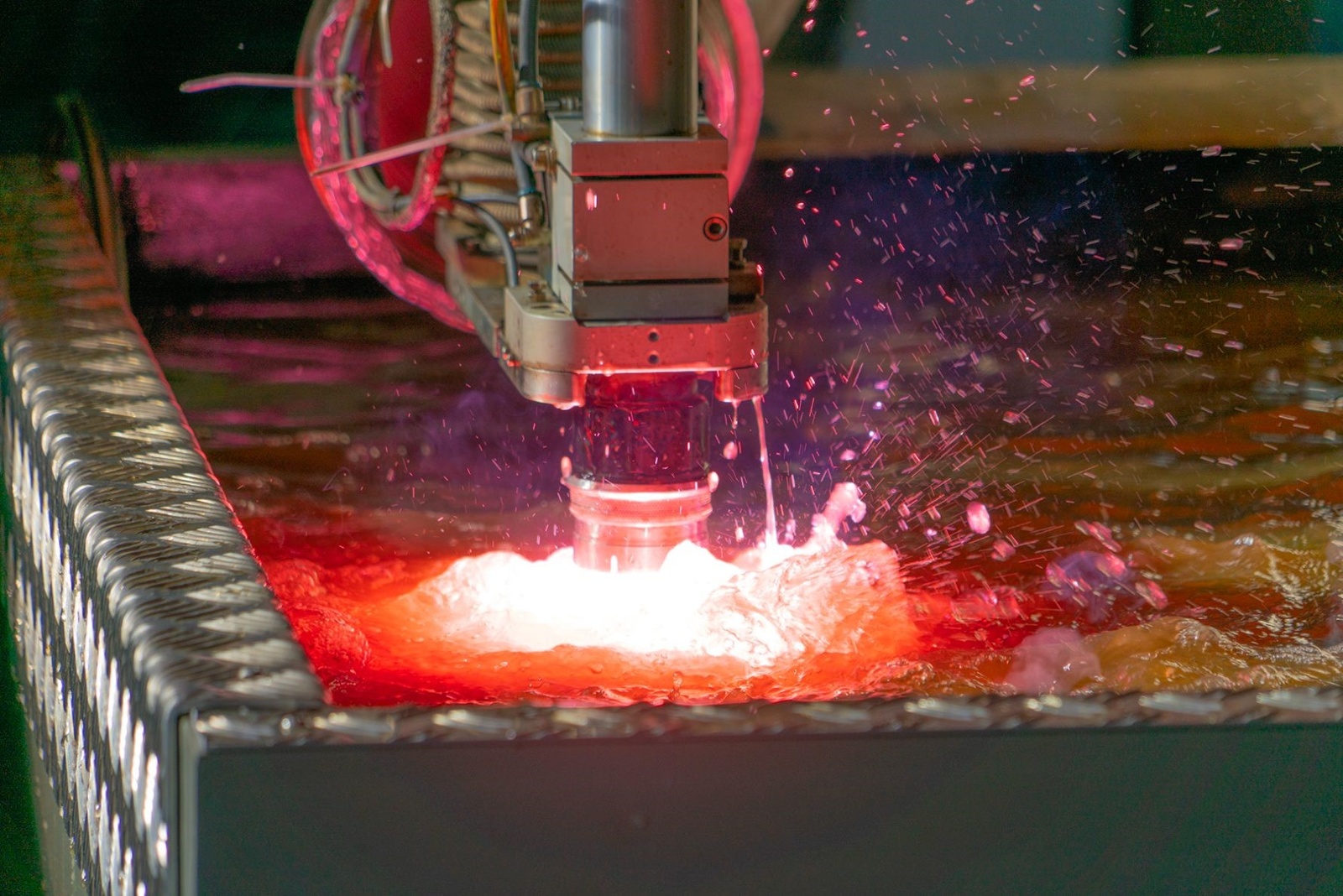
Credit: esab.com
Plasma Cutting Basics
Understanding plasma cutting basics helps in deciding if it suits cutting aluminum. Plasma cutting uses a high-temperature ionized gas to slice through metals precisely. It works fast and creates clean edges, making it popular for metalwork. Knowing how plasma cutters function and their types guides the right tool choice for projects.
How Plasma Cutters Work
Plasma cutters create an electric arc between an electrode and the metal. This arc heats the gas until it turns into plasma, reaching temperatures over 20,000 degrees Celsius. The plasma jet melts the metal, and a high-speed gas blows the molten metal away. This process leaves a narrow, clean cut.
The key components include:
- Power supply to generate the electric arc
- Electrode to conduct electricity
- Nozzle to focus the plasma jet
- Gas source, usually compressed air or inert gases
Types Of Plasma Cutters
Plasma cutters vary based on power and design, suitable for different tasks. Here are the main types:
- Handheld Plasma Cutters:Portable and easy to use, ideal for small projects and repairs.
- Machine Plasma Cutters:Larger units used in industrial settings, often CNC controlled for precision.
- High-Definition Plasma Cutters:Provide very fine cuts with minimal dross, used for detailed metal fabrication.
Choosing the right type depends on metal thickness and cutting precision needed.

Credit: squickmons.com
Aluminum Characteristics
Aluminum stands out as a popular metal in many industries due to its lightweight nature and resistance to corrosion. Yet, its unique characteristics can make cutting it a tricky task, especially with tools like plasma cutters. Understanding these traits is key to achieving clean, precise cuts without damaging your material or equipment.
Why Aluminum Is Challenging
Aluminum has a high thermal conductivity, meaning it quickly spreads heat away from the cut zone. This can cause the plasma arc to dissipate, making it harder to maintain a steady cut. Have you noticed how your plasma cutter seems to struggle more with aluminum than steel? That’s because aluminum’s heat absorption lowers cutting efficiency.
Another factor is aluminum’s softness compared to other metals. It tends to melt and stick to the cutting nozzle, which can clog your equipment quickly. This often leads to rough edges and increased maintenance time.
Thickness And Alloy Considerations
The thickness of the aluminum significantly affects your cutting approach. Thin sheets under 1/4 inch are easier to cut cleanly with a plasma cutter, but as thickness increases, challenges multiply. Thicker aluminum requires higher power settings and sometimes multiple passes to get through completely.
Alloy type also matters. Some aluminum alloys contain more magnesium or silicon, which change how the metal reacts to heat. For example, 6061 alloy cuts differently than 3003 alloy because of its composition. Are you matching your plasma cutter settings to the specific alloy you’re working with? This can save you time and improve cut quality.
Cutting Aluminum With Plasma
Cutting aluminum with a plasma cutter is effective and precise. This metal melts quickly, so controlling the cut is important. Plasma cutting uses a high-speed jet of ionized gas to slice through metals, including aluminum. Proper settings, gas choice, and torch handling improve results. Understanding these factors helps achieve clean, smooth cuts.
Setting The Right Parameters
Adjust the amperage based on aluminum thickness. Too high causes excessive melting and rough edges. Too low leads to incomplete cuts. Set the correct cutting speed to avoid burning or dragging. Use the manufacturer’s guide for initial settings. Test cuts on scrap aluminum help find the best parameters.
Choosing The Correct Gas
Pure nitrogen or compressed air often works well for aluminum. Nitrogen gives cleaner cuts with less dross. Compressed air is cheaper but may cause oxidation. Some cutters use a mix of argon and hydrogen for better quality. Gas choice affects cut quality, speed, and torch life.
Torch Handling Techniques
Hold the torch at a 90-degree angle to the metal surface. Keep a steady hand and move smoothly along the cut line. Avoid pausing too long in one spot to prevent burning. Maintain the correct distance between the torch tip and aluminum. Practice helps maintain control and precision.
Common Issues And Solutions
Cutting aluminum with a plasma cutter presents some challenges. Common issues can affect the quality of the cut and the metal’s appearance. Knowing how to handle these problems helps create cleaner cuts and better results. Below are frequent issues and how to solve them.
Avoiding Warping And Distortion
Aluminum heats quickly and can warp during cutting. Thin sheets are especially prone to bending. Keep the metal cool by cutting in short bursts. Use clamps to hold the aluminum steady. A slow and steady cutting speed helps reduce heat buildup. Let the material cool between passes to avoid distortion.
Dealing With Dross And Burrs
Dross forms as melted metal solidifies on the cut edge. It creates rough edges and can ruin the finish. Adjust the plasma cutter’s speed to avoid excess dross. Too slow or too fast causes more burrs. Use a wire brush or file to clean the edges after cutting. Proper gas flow and nozzle distance also reduce dross.
Preventing Surface Oxidation
Aluminum forms a thin oxide layer when cut with plasma. This layer can affect welds and paint adhesion later. Use a shielding gas like argon to protect the surface during cutting. Clean the aluminum before cutting to remove dirt and oils. After cutting, wipe the metal with a clean cloth to remove residue and prevent oxidation.
Safety Tips For Plasma Cutting
Handling a plasma cutter to cut aluminum can be thrilling, but safety should never take a back seat. Sparks fly, metals melt, and the intense light can harm your eyes and skin if you’re not prepared. Knowing the right safety tips can protect you from injuries and make your project smoother.
Protective Gear Recommendations
Always wear a welding helmet with the correct shade to shield your eyes from bright plasma arcs. The intense light can cause serious eye damage, even in short bursts.
Use flame-resistant gloves and long sleeves to protect your hands and arms from sparks and hot metal. Thin cotton or leather gloves work best for maintaining dexterity while keeping you safe.
Don’t forget ear protection. The plasma cutter’s noise can be surprisingly loud and harmful over time, so earplugs or earmuffs are essential.
Consider a respirator if you’re cutting in a space with poor ventilation. Aluminum fumes can irritate your lungs and cause long-term health issues.
Safe Workspace Setup
Set up your plasma cutter in a clean, dry area with good ventilation to prevent the buildup of harmful fumes. Open windows or fans can help move the air and keep you breathing easy.
Clear away any flammable materials from your workspace. Sparks can travel farther than you think, so keep paper, cloth, and chemicals out of the cutting zone.
Use a sturdy, non-flammable surface to place your aluminum pieces. Metal tables or fire-resistant mats work well to avoid accidental fires.
Have a fire extinguisher nearby and know how to use it. You never know when a stray spark might ignite something unexpected.
Do you ever stop to check your surroundings before starting a cut? A quick safety scan can prevent accidents and save you time in the long run.

Credit: www.amazon.ca
Alternatives To Plasma Cutting Aluminum
Plasma cutting aluminum can be tricky due to its thermal properties. Several alternative methods offer precise and clean cuts without the issues plasma cutters may cause. These options suit different project needs and budgets.
Using Cnc Milling
CNC milling uses rotating tools to remove material from aluminum sheets or blocks. It creates smooth edges and detailed designs. This process works well for thick or thin aluminum parts. CNC machines follow exact computer instructions for high accuracy. The finish is often ready for use without much extra work.
Laser Cutting Options
Laser cutting uses a focused beam of light to slice through aluminum. It offers high precision and clean edges. Thin aluminum sheets cut quickly with little heat distortion. This method suits detailed patterns and complex shapes. Laser cutting produces minimal waste and smooth surfaces.
Waterjet Cutting Benefits
Waterjet cutting uses a high-pressure stream of water mixed with abrasive particles. It cuts aluminum without heat, avoiding warping or melting. This method handles thick and thin aluminum well. Waterjet cutting creates smooth edges and complex shapes. It’s ideal for parts needing a perfect finish.
Frequently Asked Questions
Can Plasma Cutters Cut Aluminum Effectively?
Yes, plasma cutters can cut aluminum effectively. They use ionized gas to melt and blow away metal. Proper settings and technique ensure clean cuts on aluminum sheets.
What Thickness Of Aluminum Can Plasma Cutters Cut?
Plasma cutters can cut aluminum up to about 1 inch thick. Thicker aluminum may require higher power or multiple passes for a clean cut.
Is Plasma Cutting Aluminum Better Than Other Methods?
Plasma cutting is faster and more precise than many methods. It produces clean edges and less heat distortion, making it ideal for aluminum fabrication.
Do You Need Special Gas For Cutting Aluminum?
Yes, using compressed air or argon mixed gases improves aluminum cutting quality. The right gas ensures a clean cut and reduces oxidation.
Conclusion
Plasma cutters can cut aluminum with good results. The key is to use the right settings and safety gear. Thin aluminum cuts well, but thick pieces may need more power. Keep the torch steady for clean edges. Practice helps improve your cutting skills.
Always check your equipment before starting work. With care, plasma cutting aluminum is both quick and effective. This method saves time and effort compared to other tools. Try it yourself to see how well it works.
About The Author

