
Have you ever faced a broken plastic item and wondered if you could fix it yourself? Maybe a favorite toy, a cracked car part, or a household gadget has seen better days.
You might have heard about JB Weld and asked yourself, “Can you JB Weld plastic? ” The answer isn’t as simple as yes or no, and knowing the right way to use this popular adhesive could save you time, money, and frustration.
You’ll discover how JB Weld works with plastic, what types of plastic it bonds best with, and some expert tips to make your repair last. Keep reading—you’re about to learn exactly what you need to get your plastic back in shape.
What Is Jb Weld?
JB Weld is a popular adhesive known for its strong bonding power. It is used to repair metal, wood, ceramics, and some plastics. Many people wonder if JB Weld can work on plastic surfaces. Understanding what JB Weld is helps answer this question clearly.
History And Origin
JB Weld was invented in 1969. It was created by a company called J-B Weld Company. The product was designed to be a strong, permanent solution for fixing metal parts. Over time, its use expanded to many materials beyond metal. It became a trusted tool for both professionals and DIY enthusiasts.
Composition And Properties
JB Weld is a two-part epoxy adhesive. It contains a resin and a hardener. When mixed, a chemical reaction occurs. This forms a solid, durable bond. The epoxy can resist heat up to 550°F (288°C). It also resists water, chemicals, and impact. These properties make JB Weld useful for tough repairs.
Its setting time is about 4-6 hours, with full cure in 15-24 hours. Once cured, it can be sanded, drilled, and painted. The bond is usually stronger than the material being repaired. However, JB Weld works best on rigid surfaces. Its effectiveness on flexible plastics may vary.
Types Of Jb Weld Suitable For Plastic
JB Weld offers several products that work well with plastic repairs. Choosing the right type makes a big difference in strength and durability. Each product has unique features suited for different plastic types and repair needs.
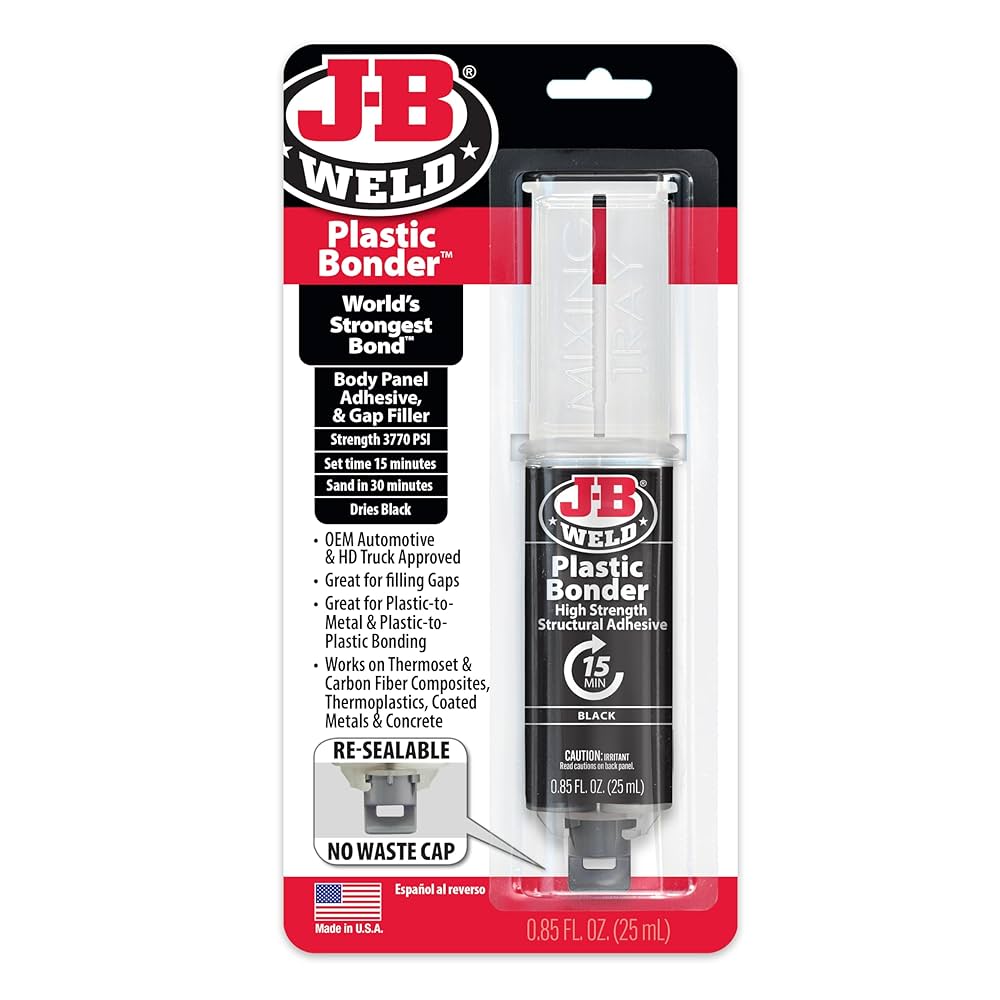
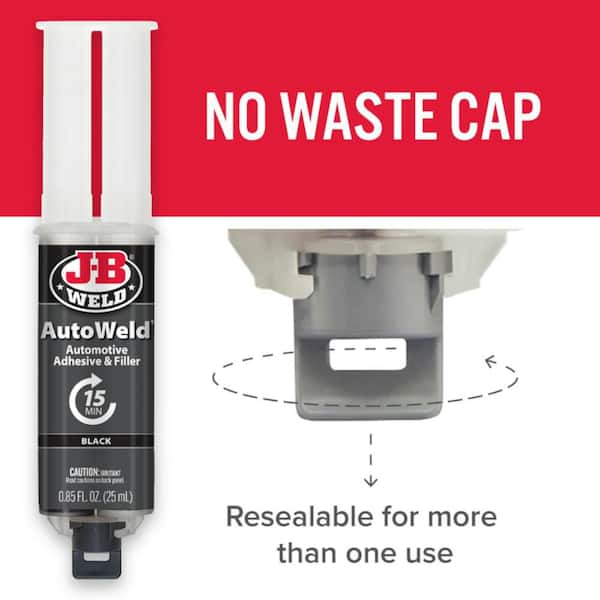
Plastic Bonder
Plastic Bonder is a strong, fast-setting epoxy made for plastic fixes. It bonds well to many plastic surfaces and cures in about 15 minutes. The bond is tough and resists water, heat, and chemicals. This product sands and paints easily after curing.
Plastic Bonder works best on hard plastics like PVC, ABS, and fiberglass. It fills gaps well, making it ideal for broken or cracked parts. Use equal parts of resin and hardener, mix thoroughly, and apply to a clean surface.
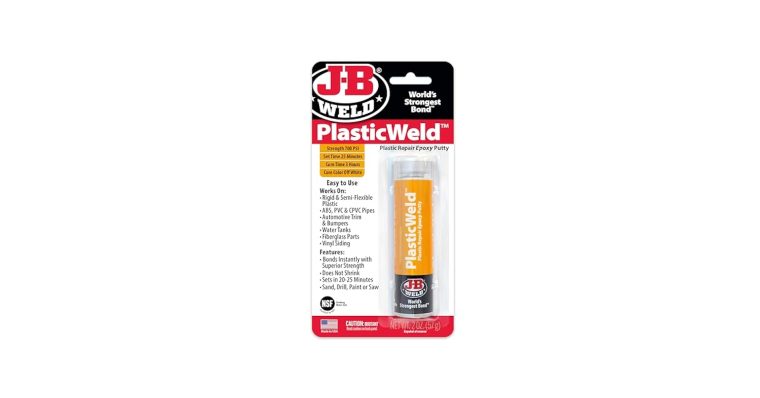
Plasticweld
PlasticWeld is a two-part epoxy putty designed specifically for plastic repairs. It sticks firmly to plastic and hardens quickly after mixing. You can mold it to shape and fill holes or cracks. It becomes as strong as the original plastic.
This product suits repairs on plastic pipes, tanks, and automotive parts. It resists water and heat, making it durable for outdoor use. Knead the putty until uniform, then press it onto the damaged area. It cures fully in a few hours.
Applications And Uses
J-B Weld plastic epoxy is a versatile adhesive that can handle a variety of tough repairs. Its strong bonding capabilities make it suitable for different materials and situations. Understanding where you can use it helps you decide if it fits your repair needs.
Automotive Repairs
J-B Weld plastic works well for fixing car parts that are often made from plastic or composite materials. You can repair cracked bumpers, broken side mirrors, or damaged air intake tubes. It holds up under heat and vibration, which makes it reliable for engine bay components.
Have you ever faced a small leak in your car’s plastic radiator or coolant reservoir? Applying this epoxy can save you a costly replacement. Just make sure the surface is clean and dry before you apply the product for the best bond.
Household Fixes
This epoxy is a great tool for quick household repairs. It fixes plastic handles on kitchen utensils, cracked garden tools, or broken plastic furniture parts. It’s especially handy when you want a durable fix without buying new items immediately.
Think about a plastic chair leg that wobbles or a cracked bucket. Using J-B Weld plastic can restore its function and extend its life. It’s a practical solution when you want to avoid waste and save money.
Diy Projects
If you enjoy building or customizing things, this epoxy can be your go-to adhesive. It bonds plastic components in crafts, model making, or small gadget repairs. You can even use it for creative projects like assembling plastic decorations or prototypes.
Have you tried combining different types of plastic in your projects? J-B Weld plastic can handle various plastics, which gives you more freedom to experiment. Just remember to follow the curing time to ensure a strong, lasting bond.
Preparation Before Repair
Before you apply JB Weld to plastic, preparation is key to ensure a strong, lasting bond. Skipping these steps can lead to weak adhesion and a failed repair. Taking time to get the surface ready makes a noticeable difference in results.
Surface Cleaning
Start by thoroughly cleaning the plastic surface. Dirt, grease, or oil can prevent JB Weld from sticking properly. Use rubbing alcohol or a mild detergent with water to remove any contaminants.
After cleaning, dry the area completely. Moisture trapped under the epoxy can cause bubbles or weak spots. Have you ever noticed how a clean surface feels almost sticky? That’s a good sign you’re ready for the next step.
Sanding And Roughening
Next, sand the area you plan to repair. Smooth plastic surfaces are hard for adhesives to grip. Use fine or medium-grit sandpaper to create a slightly rough texture.
Focus on the edges of the break or crack, not just the flat surfaces. This roughness gives JB Weld something to hold onto. Don’t worry if it looks scratched—that’s exactly what you want.
Application Techniques
Applying JB Weld to plastic requires careful attention to detail to ensure a strong and lasting bond. The process involves precise mixing and careful application, followed by proper setting and curing. Mastering these techniques will help you fix plastic items effectively and avoid common pitfalls.
Mixing And Applying
Start by cleaning the plastic surface thoroughly. Dirt, oil, or moisture can weaken the bond, so use rubbing alcohol or soap and water, then let it dry completely.
Mix equal parts of the two JB Weld components on a disposable surface. Use a flat stick or spatula and blend until the color is uniform—this usually takes about 60 seconds.
Apply the mixture evenly to the plastic pieces you want to bond. Press the parts together firmly and hold them in place. You can use clamps or tape to keep the pieces stable, especially for vertical or awkward angles.
Setting And Curing
The initial set time for JB Weld on plastic is around 4-6 hours. During this period, avoid moving or stressing the joint to prevent weak spots.
Full curing takes approximately 15-24 hours, depending on temperature and humidity. Higher temperatures speed up curing, but avoid direct heat sources that might cause uneven hardening.
Have you noticed how rushing this step often leads to cracks or failed repairs? Patience during curing is key to a durable fix that lasts.
Credit: www.amazon.com
Tips For Effective Repairs
Repairing plastic with JB Weld requires careful attention to detail. Small mistakes can weaken the bond and cause failure. Follow key tips to improve the strength and durability of your repair. Preparation and timing play a big role. Understanding the right temperature and curing time helps the epoxy work better. These tips make your plastic repairs last longer and look cleaner.
Temperature Considerations
JB Weld cures best between 60°F and 80°F (15°C to 27°C). Too cold slows the curing process. Too hot can cause the epoxy to harden unevenly or crack. Keep the repair area away from direct sunlight or heat sources. Work in a well-ventilated, temperature-controlled space. After application, avoid moving or stressing the repair until it fully cures. Temperature affects the strength and finish of your repair.
Time Management
Mix JB Weld thoroughly for a strong bond. Use the mixed epoxy within its working time, usually 4-6 minutes. Apply quickly but carefully for an even spread. Let the repair cure undisturbed for at least 15-24 hours. Full strength develops after 72 hours. Avoid rushing the process or handling the repair too soon. Patience improves adhesion and prevents cracks or breaks later.
Common Mistakes To Avoid
Using JB Weld on plastic can be a game-changer for quick repairs, but many people miss the mark by making simple mistakes. These errors often lead to weak bonds that fail quickly, wasting both time and materials. Knowing what to avoid helps you get a strong, lasting fix every time.
Improper Surface Preparation
One of the biggest mistakes is not preparing the plastic surface properly. Dirt, oil, or old glue can stop JB Weld from sticking well. You need to clean the area thoroughly with rubbing alcohol or soap and water, then let it dry completely before applying the epoxy.
Another key step is roughening the surface lightly with sandpaper. This gives the epoxy something to grip onto. Skipping this step can leave you with a weak bond that peels off easily.
Inadequate Mixing
JB Weld comes in two parts: resin and hardener. Mixing them correctly is crucial. Many users either mix too little or too much hardener, or don’t stir the components thoroughly enough.
If you don’t mix the two parts well, the epoxy won’t cure properly and will remain sticky or soft. Take your time to blend the mixture evenly until it has a consistent color and texture. Trust me, rushing this step almost always leads to a failed repair.
Comparing Jb Weld With Other Plastic Repair Methods
When repairing plastic, you have several options beyond JB Weld. Each method offers unique benefits depending on the type of plastic and the damage. Comparing these approaches helps you decide which one fits your project and skills best.
Epoxy Vs. Jb Weld
Both epoxy and JB Weld are adhesives that bond plastic surfaces, but they differ in strength and usage.
- Epoxy:Epoxy is a two-part adhesive that hardens quickly and works well for small cracks or smooth surfaces.
- JB Weld:JB Weld is known for its superior strength and durability, making it ideal for heavy-duty repairs.
In my experience, JB Weld held up better on a cracked plastic toolbox handle than epoxy, which cracked again under pressure. However, epoxy cures faster and can be easier to apply on delicate items. Consider the load and environment your repair will face before choosing.
Heat-based Repair
Heat-based repair methods involve melting and reshaping plastic to fix cracks or breaks.
- This technique can restore the plastic’s original strength by fusing the material back together.
- It requires tools like a soldering iron or heat gun and a steady hand to avoid further damage.
While heat-based repair can be very effective, it isn’t always practical for beginners or thin plastics that might warp easily. Have you tried heating plastic to fix a crack? If not, it might be worth experimenting with small, non-essential parts first to see if it suits your skill level and the plastic type you’re working with.
Safety Precautions
Working with JB Weld on plastic requires careful attention to safety. The chemicals in the adhesive can be harmful. Proper steps protect your health and ensure a safe working environment. Follow these safety precautions closely to avoid accidents and injuries.
Handling Chemicals
JB Weld contains strong chemicals that can irritate skin and eyes. Always use it in a well-ventilated area. Avoid breathing in fumes by opening windows or using fans. Keep the adhesive away from children and pets. Store it in a cool, dry place, tightly sealed. Do not eat, drink, or smoke while using the product. If the adhesive touches your skin, wash it off immediately with soap and water. In case of eye contact, rinse with plenty of water and seek medical help.
Protective Gear
Wearing protective gear is essential. Use gloves to prevent skin contact. Choose nitrile or latex gloves for best protection. Wear safety glasses to shield your eyes from splashes. Consider a mask to reduce inhalation of fumes, especially in small spaces. Long sleeves can protect your arms from accidental spills. Keep a first-aid kit nearby for emergencies. These simple steps reduce health risks and help you work safely with JB Weld on plastic.
Credit: www.homedepot.com
Success Stories And Case Studies
Understanding the real impact of JB Weld on plastic repairs comes alive through success stories and case studies. These examples reveal how effectively this adhesive works beyond just theory. They show you practical results and inspire confidence for your own projects.
Real-world Applications
People have used JB Weld to fix cracked plastic parts on cars, household items, and even outdoor gear. One homeowner repaired a broken plastic garden chair that was about to be thrown away. After applying JB Weld, the chair held strong through weeks of use and rain.
In automotive repairs, users have sealed plastic radiator tanks and cracked bumper parts without needing full replacements. This saved hundreds of dollars and extended the life of vehicles. Have you considered whether a plastic part you thought was beyond repair might just need the right adhesive?
DIY enthusiasts have also bonded plastic components in custom builds, from drones to model kits. The ability of JB Weld to bond different types of plastic, like ABS and PVC, made these projects possible without specialized tools.
Testimonials
- Mike from Ohio:“I fixed my motorcycle’s cracked plastic fuel tank with JB Weld. It held perfectly for months even with constant vibration.”
- Sarah, a mom of three:“My kids broke their plastic toy, and instead of buying a new one, I used JB Weld. It was quick and the toy looks as good as new.”
- Jake, a handyman:“I’ve glued plastic pipes and fittings that were leaking. JB Weld stopped leaks instantly and saved my clients a lot of hassle.”
These stories prove that JB Weld isn’t just for metal. It can be your go-to solution for many plastic repairs too. What plastic item in your home could you fix today with a strong, reliable adhesive?

Credit: www.amazon.com
Frequently Asked Questions
Can Jb Weld Bond All Types Of Plastic?
JB Weld works best on rigid plastics like PVC and ABS. It may not bond well with flexible or soft plastics like polyethylene or polypropylene. Always check the product instructions and test on a small area first for best results.
How Long Does Jb Weld Take To Cure On Plastic?
JB Weld typically takes 4 to 6 hours to set on plastic. Full curing usually completes within 15 to 24 hours, depending on temperature and humidity. Patience ensures the strongest and most durable bond for your repair.
Is Jb Weld Waterproof On Plastic Surfaces?
Yes, once fully cured, JB Weld creates a waterproof bond on plastic. It resists water, oil, and chemicals, making it ideal for plumbing and outdoor repairs. Ensure the surface is clean and dry before application for best adhesion.
Can Jb Weld Plastic Repairs Withstand Heat?
JB Weld can withstand temperatures up to 550°F (288°C) once cured. This makes it suitable for many plastic repairs exposed to moderate heat. However, prolonged exposure to extreme heat may weaken the bond over time.
Conclusion
J-B Weld works well on many plastics but not all types. It bonds best with hard plastics like PVC or ABS. Soft or flexible plastics may not hold as strong. Always clean and dry the surface before applying J-B Weld.
Let it cure fully for the strongest hold. Small cracks and breaks can often be fixed this way. For heavy stress or heat, consider other repair options. J-B Weld offers a simple, affordable way to fix many plastic items. Try it carefully and see what it can do for your project.
About The Author

