
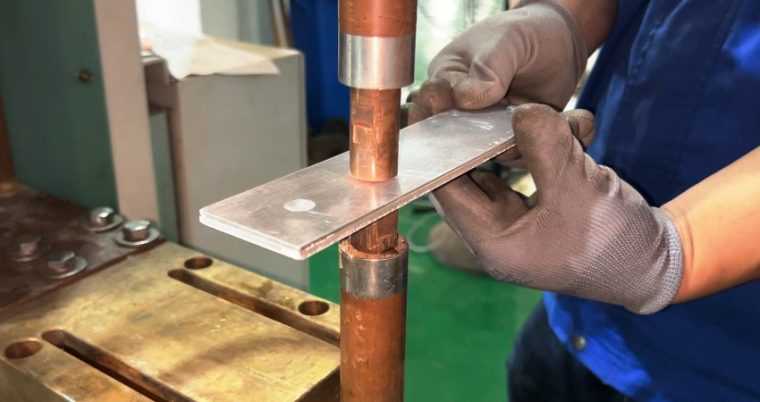
Can you spot weld aluminum? If you’ve ever tried welding this lightweight metal, you know it’s not as simple as it looks.
Aluminum behaves differently from steel, making it tricky to join without the right technique. But what if you had a clear, step-by-step guide to help you master this skill? Whether you’re a beginner or just curious about aluminum welding, this article will give you the confidence and knowledge to get it right.
Keep reading, and you’ll discover the secrets that make aluminum welding easier than you ever thought possible.
Challenges Of Welding Aluminum
Welding aluminum brings unique challenges that can test even experienced welders. Its distinct properties and common welding issues require careful attention to technique and equipment. Understanding these hurdles helps you achieve strong, clean welds rather than frustrating, weak joints.
Aluminum’s Unique Properties
Aluminum is lightweight but has high thermal conductivity, meaning it quickly spreads heat away from the weld zone. This can make it harder to maintain the right temperature for a solid weld.
Its oxide layer forms instantly when exposed to air, and this oxide melts at a much higher temperature than the aluminum itself. Without proper cleaning or preparation, this layer can cause poor weld quality.
The metal’s softness also means it’s easy to burn through or distort if too much heat is applied. Have you ever noticed how delicate aluminum feels compared to steel? That’s why controlling heat input is critical.
Common Welding Issues
One frequent problem is porosity, where gas pockets form inside the weld, weakening the joint. This often happens because moisture or contaminants get trapped during welding.
Cracking is another headache, especially in spot welds. Aluminum shrinks significantly as it cools, and if the weld isn’t managed carefully, cracks can develop along the joint.
Weld spatter and poor fusion often result from incorrect machine settings or improper technique. If your weld looks rough or has gaps, the issue might be related to travel speed or amperage adjustments.
Have you experienced any of these issues in your own aluminum welding projects? Tackling them requires more than just skill—it demands understanding the metal’s behavior and adjusting your approach accordingly.

Credit: www.assemblymag.com
Preparing Aluminum For Welding
Preparing aluminum for welding requires careful attention to detail. The metal’s surface must be clean and free of impurities. This ensures a strong and reliable weld. Proper preparation helps avoid common problems such as porosity and weak joints.
Cleaning And Surface Prep
Aluminum forms a thin oxide layer quickly. This layer can stop the weld from bonding properly. Use a wire brush or chemical cleaner to remove this oxide. Clean the metal just before welding for the best result.
- Remove oil, grease, and dirt with a degreaser.
- Use a stainless steel wire brush to scrub the surface.
- Apply a mild acid solution if oxide is stubborn.
- Rinse and dry the aluminum thoroughly.
Keep the work area free of dust and contaminants. Even small particles can weaken the weld.
Choosing The Right Filler Material
Choosing the correct filler metal is vital. It should match the aluminum alloy being welded. The wrong filler can cause cracks or poor strength.
- Use 4045 or 5356 filler for most aluminum welding jobs.
- Consider 4047 filler for heat-sensitive applications.
- Check the alloy compatibility before starting.
Match the filler metal to the base metal’s strength and corrosion resistance. This leads to better weld quality and durability.
Techniques For Spot Welding Aluminum
Spot welding aluminum requires specific techniques to handle its unique properties, like high thermal conductivity and oxide layer formation. Mastering these techniques ensures strong, reliable welds without damaging the material.
Proper Equipment Selection
Choosing the right equipment is crucial. You need spot welders with higher current capacity because aluminum demands more heat than steel. Copper alloy electrodes work best since they resist wear and conduct heat well.
Think about electrode shape too. Using domed or truncated electrodes helps concentrate heat, improving weld quality. Have you checked if your machine can handle pulse welding? It allows better control over heat input, reducing aluminum’s risk of burn-through.
Adjusting Welding Parameters
Aluminum requires careful tweaking of welding parameters. Increase the welding current but keep the weld time short to prevent melting or warping. Applying the right electrode force also matters—it must be enough to hold the parts firmly without causing indentation.
Experiment with pulse settings and cooling times to find the sweet spot for your specific aluminum alloy and thickness. Have you noticed how small changes in pressure or timing can make a big difference in weld strength? Constantly adjust and test to avoid weak spots or cracks.

Credit: www.youtube.com
Identifying Quality Spot Welds
Spot welding aluminum requires careful inspection to ensure strong joints and avoid weak spots. Look for smooth, clean welds without cracks or burn marks. Properly welded aluminum spots should show even metal fusion and no gaps.
Spot welding aluminum can be a tricky process, but mastering the art of identifying quality spot welds can make all the difference in the durability and strength of your projects. Understanding the key aspects of a robust spot weld is crucial to ensuring your aluminum structures withstand the test of time. Have you ever wondered how to tell if your spot welds are up to par? Let’s dive into some practical tips that can help you assess the quality of your welds effectively.Visual Inspection Tips
Begin by examining the weld nugget’s size and appearance. A quality spot weld should have a consistent and smooth surface. Look for any signs of excessive metal expulsion or discoloration, which may indicate overheating or poor conductivity during welding. Consider the symmetry of the weld. An evenly shaped nugget suggests uniform pressure and heat application. Do you notice any cracks or voids? These can compromise the integrity of the weld, pointing to possible issues in your welding technique or equipment settings.Testing Weld Strength
Testing the strength of your spot welds can be straightforward and insightful. Try applying a shear test, where you exert force parallel to the weld to check its resistance. You might also consider a peel test. This involves peeling the aluminum layers apart to observe how the weld holds up under stress. If you’re serious about ensuring weld quality, why not perform a destructive test? Although it sacrifices one piece, it provides clear insight into the weld’s strength and penetration. Remember, weld strength is not just about surviving the immediate test. It’s about how well it can endure over time and under various conditions. How confident are you in the longevity of your welds?Common Mistakes And How To Avoid Them
Spot welding aluminum presents unique challenges that can trip up even experienced welders. Recognizing common mistakes helps you avoid costly errors and ensures strong, reliable joints. Let’s look at some frequent pitfalls and how to keep your welds clean and effective.
Overheating And Burn-through
Aluminum’s high thermal conductivity means it heats up quickly. If you apply too much heat or hold the weld too long, you risk burning through the metal.
Have you ever noticed a hole forming during your weld? That’s a clear sign of overheating. To prevent this, adjust your welding time and pressure carefully.
- Use shorter weld times with higher current settings.
- Ensure your electrode tips are clean and properly sized to distribute heat evenly.
- Keep an eye on the weld nugget size; too large usually means excessive heat.
By controlling heat input, you maintain the metal’s integrity and avoid weak spots that lead to failure.
Inconsistent Weld Spots
Consistency is key in spot welding. Uneven weld spots can cause weak joints or cosmetic defects. This often happens because of poor electrode alignment or variations in surface cleanliness.
Think about the last time your welds looked uneven—did you check the electrode contact? Misalignment causes uneven pressure and current flow, resulting in inconsistent welds.
- Make sure electrodes are properly aligned and in good condition.
- Clean the aluminum surfaces thoroughly to remove oxides and contaminants.
- Maintain steady pressure throughout each weld cycle for uniform results.
When your weld spots look uniform, your joints will perform better and last longer. What steps can you take today to improve your weld consistency?
Maintenance For Long-lasting Aluminum Joints
Maintaining aluminum joints after spot welding is vital for durability. Proper care helps prevent corrosion and joint failure. Regular attention keeps the weld strong and the metal intact. Simple maintenance steps extend the life of aluminum structures and save costs on repairs.
Post-weld Treatments
After spot welding, clean the joint surface to remove debris and oxidation. Apply a protective coating like paint or sealant. This layer blocks moisture and air from reaching the metal. Use corrosion inhibitors designed for aluminum. Allow joints to cool slowly to avoid stress cracks. Proper post-weld treatment strengthens the weld and reduces damage.
Regular Inspection Practices
Inspect aluminum joints often for signs of wear or damage. Look for cracks, discoloration, or loose weld spots. Check for corrosion around the weld area. Use a magnifying glass or simple tools for close examination. Record inspection results to track changes over time. Early detection of problems helps prevent major failures. Consistent inspections ensure the joint’s safety and longevity.
Credit: weldingweb.com
Frequently Asked Questions
Can You Spot Weld Aluminum Effectively?
Yes, spot welding aluminum is possible but requires special equipment. Aluminum’s high thermal conductivity needs higher current and precise control for effective welds.
What Equipment Is Needed To Spot Weld Aluminum?
A spot welder with high amperage and water-cooled electrodes is essential. Using AC or inverter welders improves control and weld quality on aluminum.
How Does Aluminum’s Conductivity Affect Spot Welding?
Aluminum’s excellent conductivity dissipates heat quickly. This demands higher welding currents and shorter weld times to form strong, defect-free spot welds.
Are Spot Welds On Aluminum As Strong As Steel?
Properly executed aluminum spot welds can be strong but often less than steel. Strength depends on weld parameters, joint design, and aluminum alloy type.
Conclusion
Spot welding aluminum needs care and the right tools. The metal’s softness and oxide layer make it tricky. Knowing the basics helps avoid weak welds and cracks. Proper cleaning and settings improve your results. Practice makes it easier to spot good welds.
Keep safety in mind while working with aluminum. With patience, you can spot weld aluminum well. Try different methods to find what works best. Stay consistent and check your welds often. Welding aluminum can be simple if you follow these tips.
About The Author

