
Are you curious if you can TIG weld without gas? You might think gas is an absolute must for TIG welding, but what if there’s more to the story?
Whether you’re working on a tight budget, in a tricky location, or just looking for a simpler way, understanding your options can save you time and money. Keep reading, and you’ll discover the truth about TIG welding without gas—and what it means for your next project.
Don’t miss out on this essential insight that could change how you weld forever.
Credit: medium.com
Tig Welding Basics
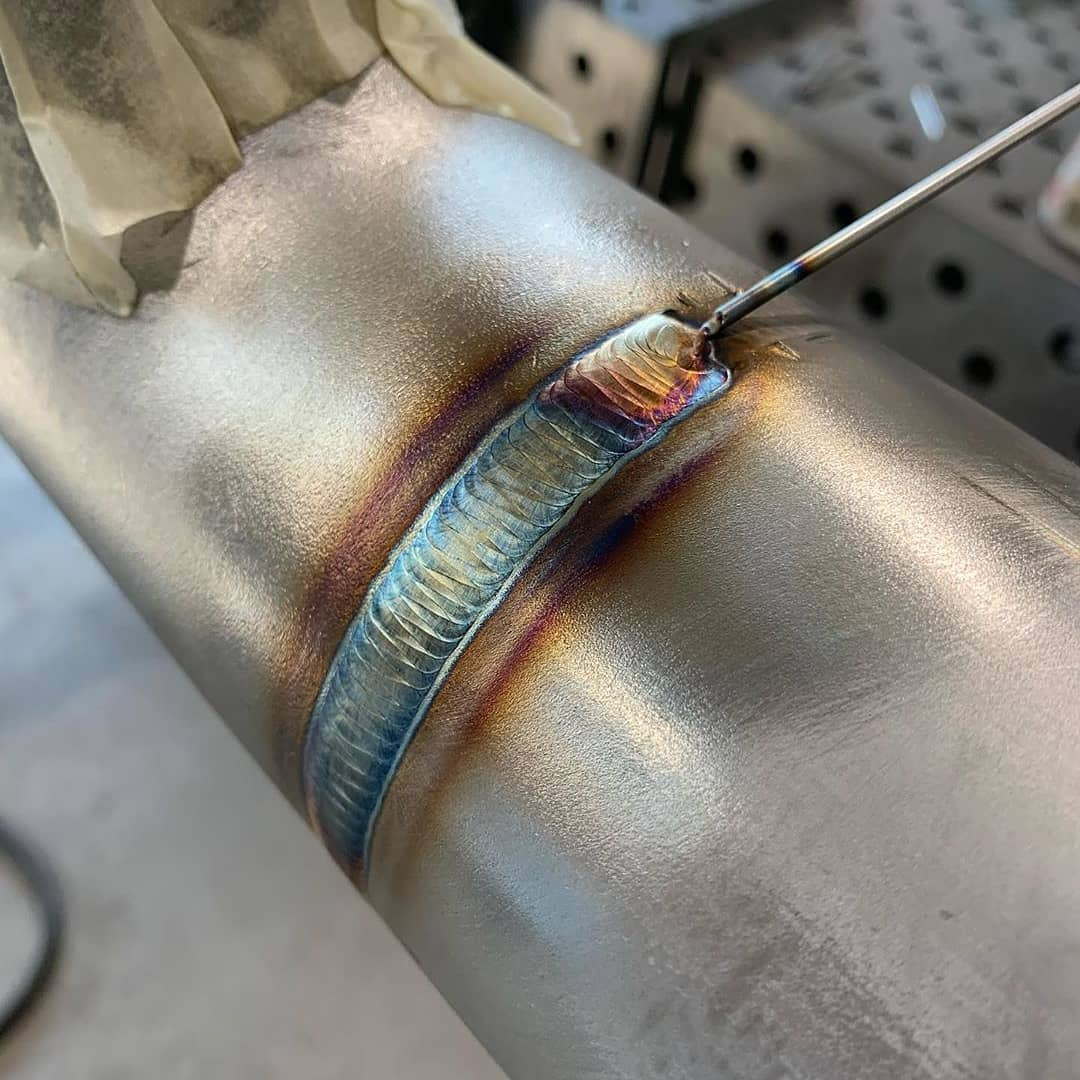
TIG welding, short for Tungsten Inert Gas welding, is a precise method used to join metals with a clean, high-quality finish. It uses a non-consumable tungsten electrode to create the weld. Understanding the basics of TIG welding helps you appreciate why shielding gas is usually considered essential.
Tig Welding Process
TIG welding involves generating an electric arc between the tungsten electrode and the metal workpiece. This arc melts the metal, allowing you to fuse pieces together. You typically add filler material manually to control the weld bead size and shape.
The key is maintaining a stable arc and controlling heat input. This precision lets you weld thin materials and metals like stainless steel and aluminum with minimal distortion.
Role Of Shielding Gas
The shielding gas protects the weld area from atmospheric contamination, such as oxygen and nitrogen. These gases cause weld defects like porosity and weak joints if not kept away.
Argon is the most common shielding gas in TIG welding because it provides excellent coverage and a smooth arc. Without proper shielding gas, your welds may become brittle or full of tiny holes.
Tungsten Electrode And Filler Rods
The tungsten electrode doesn’t melt during welding, so it must be selected based on the material and current type. You can choose between pure tungsten or alloyed versions like thoriated or ceriated tungsten.
Filler rods come in different alloys matching the base metals. Using the correct rod ensures strong welds and good mechanical properties in your finished joint.

Credit: www.reddit.com
Role Of Gas In Tig Welding
The role of gas in TIG welding is more than just a technical detail; it’s a key factor that shapes the quality of your welds. Gas acts as a protective barrier that ensures the weld area stays clean and strong. Understanding this role helps you grasp why welding without gas is often problematic and how gas contributes to a successful TIG weld.
Shielding The Weld Pool
Gas shields the weld pool from oxygen and moisture in the air. Without this protection, the weld pool can oxidize, leading to weak and brittle joints. Imagine trying to paint in a dusty room—your finish wouldn’t be smooth or durable. Similarly, shielding gas keeps the weld area clean and stable, allowing the metal to melt and fuse properly.
When you weld without gas, you expose the molten metal to contaminants that cause defects. This exposure increases the chance of cracks and porosity, which can compromise the strength of your weld. So, the gas doesn’t just protect; it enables you to achieve consistent, high-quality results.
Preventing Contamination
Contamination is a major enemy in TIG welding. Gas acts like a barrier that stops air-borne impurities from mixing with the molten metal. Without this barrier, elements like nitrogen and hydrogen can enter the weld, causing unwanted reactions that weaken it.
Think about how you store food in a sealed container to keep it fresh. Shielding gas does the same for your weld pool, preventing rust and other contamination that happens instantly when metal reacts with air. If you skip the gas, you risk ending up with welds that look fine at first but fail under stress.
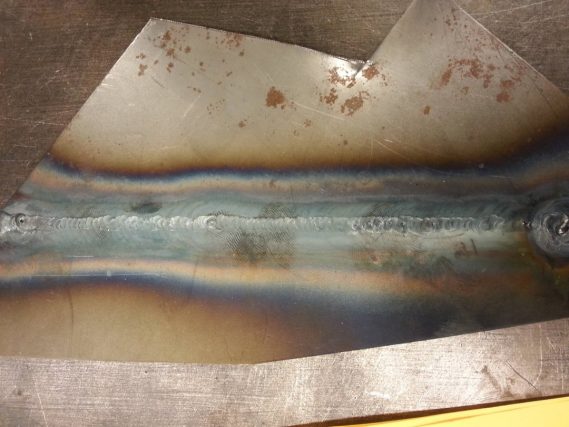
Have you ever noticed discoloration or rough spots on a weld? That’s often a sign of contamination due to lack of proper shielding. Using gas correctly can help you avoid these issues and produce welds that last.
Challenges Of Welding Without Gas
Welding without gas presents a range of challenges that can affect the quality and strength of your work. TIG welding relies heavily on shielding gas to protect the weld pool from contamination. Without this protective layer, you face several issues that can compromise your results and potentially your safety.
Increased Porosity
Porosity is a common problem when TIG welding without gas. Without the shielding gas, tiny gas pockets get trapped inside the weld metal, creating weak spots. These bubbles reduce the weld’s integrity and may cause cracks over time.
Think about a time you welded without proper shielding. You might have noticed your weld bead looking rough or inconsistent. That’s porosity at work, silently damaging your project.
Weaker Welds
Shielding gas plays a critical role in producing strong welds. Without it, the weld metal cools unevenly and can develop internal flaws. This results in a joint that doesn’t hold up well under stress or pressure.
If your welds are breaking under load or failing tests, lack of shielding gas could be the culprit. You want your welds to be as tough as the materials you’re joining, and gasless TIG welding struggles to deliver that.
Oxidation Issues
Exposure to oxygen during welding causes oxidation, which weakens the weld surface. Gas shields the molten metal from oxygen and nitrogen in the air, preventing unwanted chemical reactions. Without this protection, your welds can become brittle and prone to corrosion.
Have you ever seen a weld surface with a dull, flaky look? That’s often oxidation damage. It not only affects appearance but also compromises long-term durability.
Alternative Methods To Gas
Welding without gas is possible using alternative methods. These methods help create strong welds without the need for external shielding gas. They can be useful in outdoor conditions or when gas supply is limited. Understanding these options expands your welding capabilities and flexibility.
Flux-cored Electrodes
Flux-cored electrodes contain a special powder inside the wire. This powder creates a protective shield during welding. It prevents the weld from contamination by air. This method works well for welding thicker metals. It also allows welding in windy or outdoor settings without gas tanks.
Flux-cored welding produces deep penetration and good bead shape. It requires less equipment and is easier to use in some cases. This method is popular in construction and repair work. It offers a good balance between cost and performance.
Gasless Tig Welding
Gasless TIG welding uses special rods coated with flux. The flux melts and protects the weld pool from air. This allows TIG welding without external gas supply. The weld quality is generally lower than with gas. But it suits quick repairs and small projects well.
This method keeps the classic TIG welding advantages. It offers better control over heat and weld shape. Gasless TIG welding is less common but growing in use. It helps welders work in places where gas cylinders are hard to carry.
Expert Tips For Safe Gasless Welding
Welding without gas can be tricky, but it’s possible to do it safely and effectively if you pay close attention to the details. Gasless TIG welding requires a different approach to keep your work secure and your welds strong. Here are some expert tips to help you avoid common pitfalls and improve your results.
Proper Equipment Selection
Choosing the right equipment is crucial for gasless TIG welding. Opt for a TIG welder designed to work with flux-cored or self-shielded filler rods. These rods generate their own shielding gas when heated, eliminating the need for an external gas supply.
Make sure your welding machine can deliver a stable current suitable for these rods. Also, use a tungsten electrode with the correct type and size to ensure a clean arc. Using incompatible tools can lead to weak welds and safety hazards.
Environmental Considerations
Your welding environment plays a big role in the success of gasless welding. Try to weld indoors or in a sheltered area to avoid wind, which can disturb the protective gas layer produced by flux-cored rods.
Keep the workspace clean and free from dust or moisture that might contaminate the weld. Have you noticed your welds turning brittle or full of slag? It’s often because of environmental factors impacting the process.
Monitoring Weld Quality
Regularly check your welds for signs of defects like cracks, porosity, or excessive spatter. Use visual inspection combined with simple tests like tapping the weld to listen for unusual sounds indicating weak bonding.
Keep records of your welding settings and results. This helps you spot patterns and make quick adjustments. Remember, consistent quality comes from watching closely and learning from each weld.

Credit: www.youtube.com
Common Mistakes To Avoid
Welding without gas can seem like a shortcut, but it’s easy to slip up if you’re not careful. Avoiding common mistakes will save you time, materials, and frustration. Let’s dig into the most frequent errors that can mess up your TIG welding without gas and how you can steer clear of them.
Ignoring Material Compatibility
Not all metals respond well to TIG welding without gas. Some materials, like aluminum or stainless steel, rely heavily on shielding gas to prevent oxidation. Trying to weld these without gas often leads to weak, brittle joints or surface contamination.
Think about the metal you’re working on. Are you sure it can handle the absence of gas? Mild steel is more forgiving and can sometimes be welded without gas using flux-cored filler rods, but even then, it requires careful attention.
Using the wrong material can cause wasted effort and poor results. Ask yourself: Is the metal suited for gasless TIG welding, or will you face more problems than it’s worth?
Overlooking Equipment Settings
Your machine settings need to be spot on for gasless TIG welding to work. Many beginners skip adjusting amperage, electrode type, and polarity, thinking the same settings for gas welding will do. This mistake can cause poor arc stability and weak welds.
For instance, the tungsten electrode often needs to be sharpened differently for gasless welding to maintain a stable arc. Also, wrong polarity settings can lead to excessive electrode wear or poor penetration.
Take time to tweak your equipment. Have you checked your settings against the manufacturer’s recommendations for gasless TIG? Small adjustments can make a big difference in weld quality.
Advantages And Disadvantages
Welding without gas in TIG welding has both upsides and downsides. Understanding these helps in deciding whether to try this method. It affects costs, quality, and the overall welding experience.
Cost Efficiency
Not using gas cuts down on expenses. There is no need to buy or refill gas tanks. It also removes the cost of extra equipment like regulators and hoses. This makes welding more affordable for hobbyists and small projects.
On the flip side, some alternative methods or materials may cost more initially. Also, repairs due to weaker welds might add to expenses over time.
Quality Trade-offs
Gas shields the weld from contamination, so skipping it can lower quality. Welds may have more impurities and weaker bonds. This affects the strength and appearance of the weld.
Some specialized rods or fluxes can help improve weld quality without gas. Still, these usually do not match the cleanliness and precision of gas-shielded TIG welding.
Future Trends In Tig Welding
TIG welding is evolving quickly. New trends shape how welders work and improve their results. The future of TIG welding brings smart tools and eco-friendly methods. These changes help welders achieve better quality and save resources. Understanding these trends can prepare welders for what lies ahead.
Innovations In Welding Technology
New welding machines use digital controls for precise adjustments. These tools allow easy control of heat and speed. Automation and robotics assist in welding hard-to-reach places. Portable TIG welders with battery power increase job site freedom. Advanced sensors monitor weld quality in real-time, reducing mistakes. Software helps plan welds and track progress efficiently.
Sustainability Practices
Welders adopt eco-friendly gases and reduce gas waste. Recycling metal scraps lowers material costs and environmental impact. Energy-efficient machines consume less power during welding. Water-based cooling systems replace older, less safe coolants. Training on green welding methods spreads awareness in the industry. These practices protect the planet while keeping welding effective.
Frequently Asked Questions
Can You Tig Weld Without Shielding Gas?
TIG welding without shielding gas is generally not recommended. Shielding gas protects the weld from contamination and oxidation. Some alternative methods like flux-cored wire exist but are not typical for TIG welding. Using gas ensures stronger, cleaner, and more precise welds.
What Happens If You Tig Weld Without Gas?
Welding without gas causes weld contamination, oxidation, and weak joints. The molten metal reacts with air, leading to poor weld quality. This can result in brittle, porous, or cracked welds, which compromise strength and durability.
Are There Alternatives To Shielding Gas In Tig Welding?
Yes, alternatives include gasless flux-cored wires or specially formulated electrodes. However, these are rare and less effective for TIG welding. Most TIG welders rely on argon or helium for optimal results and weld quality.
Can Tig Welding Be Done Indoors Without Gas?
Indoor TIG welding without shielding gas is not advisable. Indoor environments still expose welds to oxygen and moisture, causing defects. Using proper shielding gas is essential for clean, strong indoor welds.
Conclusion
TIG welding without gas is possible but not ideal for all jobs. Gas helps protect the weld from dirt and air. Without it, welds may be weaker or have more defects. For small or quick fixes, welding without gas can work.
Still, using gas gives better results and lasts longer. Consider your project needs before choosing to weld without gas. Safety and quality should always come first. Choose the right method to get the best weld every time.
About The Author

