
Have you ever found yourself staring at your aluminum project, flux core welder in hand, wondering if you can actually weld aluminum with it? You’re not alone.
Many DIY enthusiasts and even seasoned welders have pondered this question. Aluminum, with its light weight and impressive strength, is a popular choice for various projects, from car repairs to home improvements. However, its unique properties can make welding it a bit tricky.
If you’ve ever been curious about the possibilities and challenges of using a flux core welder for aluminum, you’re in the right place. This article will delve into the specifics, clear up common misconceptions, and guide you through the process, ensuring you have the knowledge needed to tackle your next project with confidence. Stick around to discover the truth about welding aluminum with a flux core welder and how you can achieve the best results.
Credit: www.arccaptain.com
Aluminum Welding Basics
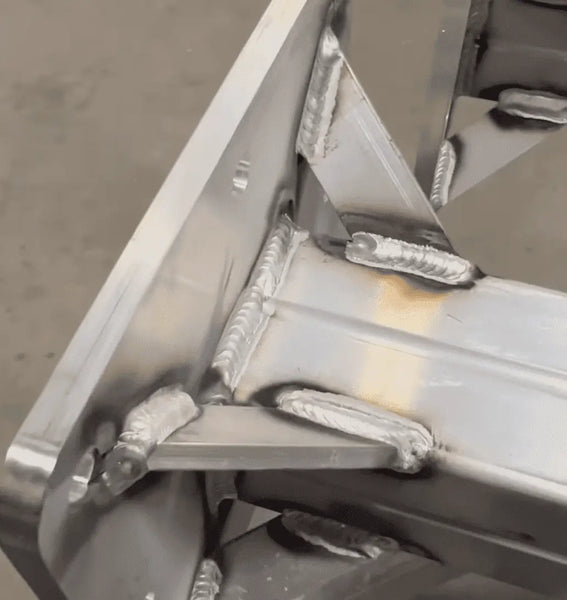
Aluminum welding is a fascinating yet challenging endeavor that many DIY enthusiasts and professionals tackle with curiosity. The process is unique due to aluminum’s distinct properties, which require special techniques and equipment. Understanding the basics of aluminum welding can make a significant difference in the outcome of your projects.
Properties Of Aluminum
Aluminum is lightweight and highly conductive, making it an ideal choice for various applications. Its ability to resist corrosion is another appealing property, which is why you often see aluminum used in outdoor structures. However, aluminum’s softness and low melting point present unique challenges during welding.
Challenges In Welding Aluminum
One of the main challenges is managing aluminum’s oxide layer, which melts at a higher temperature than the metal itself. This can create inconsistencies in the weld if not properly addressed. Additionally, aluminum’s high thermal conductivity means it dissipates heat quickly, requiring precise heat control.
Have you ever noticed how aluminum can warp or crack easily when exposed to sudden temperature changes? This is due to its high thermal expansion rate, which necessitates careful planning and technique during welding. Always consider these properties and challenges before starting your aluminum welding project.
What strategies have you found effective in overcoming these challenges? Share your experiences and insights, as they could help others navigate the complexities of aluminum welding.
Credit: yeswelder.com
Flux Core Welding Overview
Welcome to the fascinating world of flux core welding! If you’ve ever wondered whether you can weld aluminum using a flux core welder, you’re not alone. This welding method is popular for its versatility and ease of use, but it comes with its own set of challenges, especially when working with aluminum. Let’s dive into the essentials of flux core welding and understand its advantages and limitations.
What Is Flux Core Welding?
Flux core welding is a semi-automatic or automatic arc welding process. It uses a tubular wire filled with flux to shield the weld from contaminants. Unlike traditional welding methods, it doesn’t require an external shielding gas, making it convenient for outdoor use.
This process is known for its efficiency and ability to handle thicker metals. Its simplicity makes it a great choice for beginners and DIY enthusiasts who want to tackle projects at home.
Advantages And Limitations
Flux core welding has several advantages. One of the biggest is its portability. Without the need for a gas tank, you can easily move your equipment wherever you need it. This is perfect for outdoor projects where conditions are unpredictable.
Another advantage is its ability to penetrate thicker materials, which is ideal for heavy-duty tasks. But here’s the catch: when it comes to aluminum, flux core welding isn’t the best option. Aluminum is notoriously tricky due to its high thermal conductivity and oxide layer.
While flux core welding is great for steel, aluminum requires a special approach. So, if you’re planning to work with aluminum, you might need to consider other methods or specialized equipment. Have you ever struggled with a project because your tools weren’t quite right for the job? It’s a common scenario, and choosing the right welding method can make all the difference.
Compatibility Of Flux Core Welders With Aluminum
Welding aluminum with a flux core welder presents unique challenges. Flux core welding is popular for its simplicity and portability. However, aluminum requires specific considerations. This section explores how compatible flux core welders are with aluminum welding.
Technical Challenges
Aluminum’s properties differ from steel. It has a lower melting point and reacts quickly to heat. Flux core welders face issues with aluminum’s quick heat absorption. This can lead to burn-through or weak welds. The flux itself might not provide enough protection for aluminum. This can result in oxidation or contamination.
Aluminum also forms a tough oxide layer. This layer needs removal before welding. Flux core welders might struggle with this requirement. The equipment is designed for thicker materials. Aluminum’s thin nature poses a challenge.
Expert Opinions
Experts have varied views on welding aluminum with flux core. Some suggest using dedicated aluminum welding machines. These machines are specifically designed for aluminum’s needs. Others advocate for using special aluminum flux core wire. This wire can improve results but might not be widely available.
Professionals recommend preheating aluminum. This can help manage heat distribution. It is also advised to keep the weld area clean. Even a small amount of contamination can affect the weld quality.
Credit: www.ssimder.com
Alternative Methods For Welding Aluminum
Welding aluminum can be tricky, especially with a flux core welder. Fortunately, there are alternative methods that can deliver better results. These methods not only improve the quality of your welds but also make the process more efficient and reliable.
Mig Welding
MIG welding is a popular choice for aluminum. It uses a continuous wire feed and shielding gas. This process helps maintain a cleaner weld. The key to successful MIG welding is using the right filler wire and gas. Pure argon is typically used for aluminum. Adjusting the settings on your MIG welder is crucial. Proper heat and speed settings ensure a strong bond.
Tig Welding
TIG welding offers precision and control. It’s ideal for thinner aluminum pieces. TIG welding requires a tungsten electrode and a separate filler rod. The process is slower than MIG welding. But it allows for detailed work. TIG welding is often preferred for projects requiring high-quality finishes. The use of argon gas is necessary to protect the weld area.
Stick Welding
Stick welding is less common for aluminum. It can be challenging due to the nature of aluminum. Special rods and techniques are required. Stick welding is suitable for thicker aluminum sections. It is not typically recommended for thin aluminum parts. This method may result in less clean welds. But it can be effective for certain applications.
Expert Tips For Aluminum Welding
Exploring aluminum welding with a flux core welder raises questions about feasibility and technique. Using flux core welder on aluminum demands special skills and understanding. Proper preparation and technique improve success.
Welding aluminum with a flux core welder can be challenging, but it’s not impossible. With the right techniques and a bit of preparation, you can achieve strong and reliable welds. Before diving into the process, consider these expert tips that will help you navigate the intricacies of aluminum welding.Choosing The Right Equipment
Selecting the proper equipment is crucial for a successful aluminum weld. Ensure your flux core welder is designed to handle aluminum. Many flux core welders are better suited for steel, so you might need to invest in a welder specifically made for aluminum. Don’t forget to choose an aluminum-compatible flux core wire. These wires are formulated to work with the unique properties of aluminum, ensuring a cleaner and stronger weld.Preparing The Aluminum Surface
Preparation of the aluminum surface is key to a successful weld. Cleanliness is paramount; aluminum often has an oxide layer that can hinder the welding process. Use a wire brush or sandpaper to remove the oxide layer, revealing the pure aluminum beneath. Ensure the surface is free from any dirt, grease, or other contaminants. This preparation step can make all the difference between a strong bond and a weak connection.Techniques For Successful Welds
Adopting the right techniques can significantly improve your welding results. Maintain a steady hand and keep a consistent speed while welding. Aluminum can be sensitive to heat, so controlling your welder’s settings to avoid overheating is crucial. Practice makes perfect—consider working on scrap pieces of aluminum before tackling your main project. This will help you get a feel for the welder and refine your technique. What challenges have you faced while welding aluminum? Identifying these can help tailor your approach and lead to better outcomes.Common Mistakes And Solutions
Welding aluminum with a flux core welder is challenging due to aluminum’s properties. Many mistakenly use the wrong wire or settings. Using a welder designed for aluminum and adjusting settings correctly can help.
Welding aluminum with a flux core welder presents unique challenges. Common mistakes can lead to poor results or damage. Understanding these mistakes and finding solutions is crucial. This guide highlights key areas where errors occur and offers practical advice.Avoiding Contamination
Contamination can ruin aluminum welds. Dirt, oil, and grease interfere with the welding process. Clean the aluminum surface thoroughly before welding. Use a wire brush or a dedicated solvent. Ensure your workspace is free from debris. This prevents contaminants from affecting the weld. Also, keep your tools clean and well-maintained.Managing Heat Distortion
Aluminum is prone to heat distortion. High temperatures can warp the metal. Control the heat by using short welds. Allow cooling time between passes. This reduces the risk of distortion. Use clamps or supports to hold the aluminum in place. This keeps your work stable during welding. Be mindful of your welder’s settings. Adjust them to suit the thickness of the aluminum.Ensuring Strong Welds
Achieving strong welds requires attention. Improper technique can weaken the bond. Maintain a steady hand and consistent speed. Focus on evenly distributing the heat. This ensures a solid connection. Use the correct filler material. Match it to the type of aluminum you’re welding. Check the weld regularly for any signs of cracking or defects. Adjust your approach as needed for better results.Safety Precautions
Welding aluminum with a flux core welder requires special attention to safety. Use protective gear to shield yourself from sparks and fumes. Ensure proper ventilation to avoid exposure to harmful gases.
Welding aluminum with a flux core welder presents unique challenges and risks. Ensuring safety isn’t just a precaution; it’s a necessity. The process involves high temperatures and electrical equipment, which means you need to be well-prepared to avoid any mishaps.Protective Gear
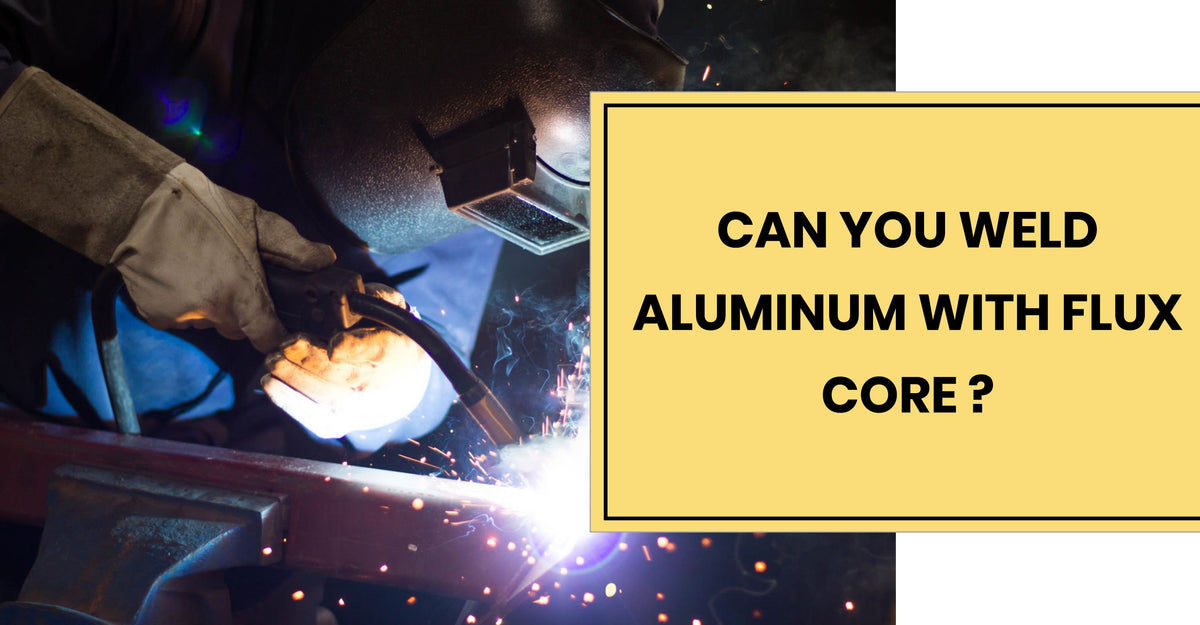
Before you even think of striking the arc, ensure you’re fully equipped with the right protective gear. A proper welding helmet with auto-darkening features can save your eyes from the intense brightness and harmful UV rays. Don’t forget the importance of heavy-duty gloves. They protect your hands from heat and any flying sparks. A long-sleeved, flame-resistant jacket is a must to shield your body from possible burns. Steel-toed boots with rubber soles offer solid footing and prevent electric shock. Do you have all these essentials ready?Safe Work Environment
Creating a safe work environment is crucial. Start by setting up your workspace away from flammable materials. A clutter-free area minimizes the risk of accidents. Ensure adequate ventilation to prevent harmful fumes from accumulating. A small fan or open window can make a big difference. Check your equipment regularly for any signs of wear or damage. Faulty tools can lead to unexpected accidents. Are you confident in the safety of your workspace?Frequently Asked Questions
What Happens If You Weld Aluminum With Flux Core?
Flux core is unsuitable for welding aluminum. It causes contamination and weak welds due to incorrect shielding. Use MIG welding with argon gas for aluminum. Proper techniques ensure strong, clean welds.
What Flux Core Wire To Use For Aluminum?
For aluminum, use a flux core wire specifically designed for aluminum welding. A popular choice is the Hobart Aluminum Flux-Core wire. Ensure your welding machine supports this type of wire. Proper settings and technique are essential for successful results.
What Kind Of Welder Do You Need To Weld Aluminum?
Use a MIG welder with a spool gun or a TIG welder for aluminum. These provide precision and clean results. Ensure your welder supports aluminum and use appropriate shielding gas. Proper preparation and technique are crucial for successful aluminum welding.
Can You Weld Aluminum With A Gasless Welder?
Gasless welders struggle with aluminum due to its oxide layer and heat requirements. Flux-cored wires for aluminum don’t exist. Using a gas welder with argon gas is recommended for better results. Proper preparation and settings are essential for successful aluminum welding.
Conclusion
Welding aluminum with a flux core welder is challenging. Flux core is for steel, not aluminum. Aluminum needs a different process. Consider MIG or TIG welding. These methods work better with aluminum. They offer cleaner and stronger welds. Research and practice improve skills.
Safety is crucial during welding. Use protective gear always. Understand the limitations of your tools. Choose the right method for your project. This ensures success and quality results. Aluminum welding demands attention and skill. Learn and adapt for better outcomes.
About The Author

