
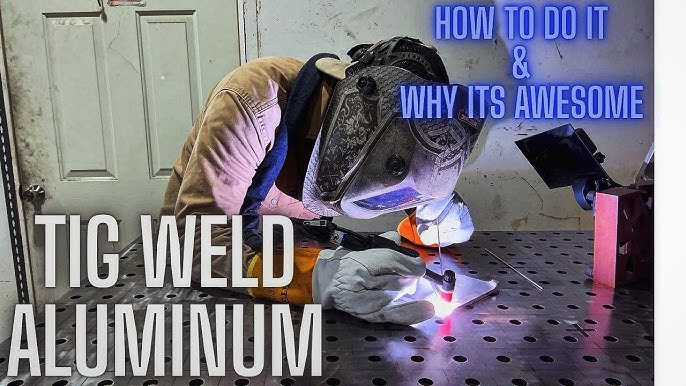
Are you wondering if you can weld aluminum with a TIG welder? If you’ve ever tried working with aluminum, you know it’s tricky.
But the good news is, TIG welding might be just what you need to get strong, clean welds on aluminum. You’ll discover exactly how TIG welding works with aluminum, what challenges to expect, and the simple tips that can make your welding job easier and more successful.
Keep reading to unlock the secrets of aluminum TIG welding and take your skills to the next level.

Credit: www.eastwood.com
Tig Welding Basics
Understanding the basics of TIG welding is essential before you try welding aluminum. This process offers precision and control, making it a favorite among welders. Let’s break down what TIG welding actually is and the key components that make it work effectively.
What Is Tig Welding
TIG stands for Tungsten Inert Gas welding. It uses a non-consumable tungsten electrode to produce the weld. The process creates a clean, high-quality weld by shielding the weld area with an inert gas, usually argon.
One thing you might not realize is how much control you get with TIG welding. You can adjust the heat and add filler metal exactly where you want it. This makes it ideal for welding thin materials like aluminum without causing warping or burn-through.
Key Components
- Tungsten Electrode:This is the heart of TIG welding. It carries the welding current and creates the arc that melts the metal.
- Inert Gas:Usually argon, it shields the weld from contamination by oxygen and nitrogen in the air.
- Power Source:Provides a steady current, often adjustable between AC and DC, which is crucial for welding aluminum.
- Filler Rod:Used to add material to the weld joint, giving strength and filling gaps.
- Torch:Holds the tungsten electrode and directs the shielding gas to the weld area.
Have you ever thought about how the choice of shielding gas impacts the quality of your weld? Using pure argon, for example, helps avoid oxidation and creates a smoother finish. Getting familiar with these components will help you understand why TIG welding is a top choice for aluminum.

Credit: www.youtube.com
Aluminum Welding Challenges
Welding aluminum with a TIG welder can be rewarding but comes with distinct challenges. Understanding these challenges helps you prepare and improve your welding results. Let’s look closer at the main difficulties you might face.
Oxidation Issues
Aluminum forms a tough oxide layer almost instantly when exposed to air. This oxide melts at a much higher temperature than aluminum itself. If you don’t remove or break through this layer during welding, it can cause poor weld quality and weak joints.
Using a clean tungsten electrode and proper AC settings on your TIG welder helps control oxidation. You may also need to clean the aluminum surface thoroughly with a wire brush or chemical cleaner before welding. Have you noticed how a tiny layer of grime or oxidation can ruin your best welds?
Heat Sensitivity
Aluminum conducts heat quickly, which means the metal heats up and cools down faster than steel. This rapid heat transfer can make it tricky to control the weld pool and avoid warping or burn-through. You need to adjust your technique and settings to manage the heat properly.
Using lower amperage and faster travel speed often works better for thinner aluminum pieces. Also, letting the material cool between welds can prevent overheating. Have you tried balancing heat input to avoid damaging your aluminum parts?
Preparing Aluminum For Welding
Preparing aluminum for TIG welding is a crucial step that can make or break your weld quality. Aluminum’s surface often carries an oxide layer that melts at a much higher temperature than the base metal, making proper preparation essential. You want a clean, smooth surface to ensure strong, clean welds without contamination or defects.
Cleaning Techniques
Before welding, you must remove all dirt, oil, grease, and especially the aluminum oxide layer. This layer can prevent proper fusion if not cleaned thoroughly.
- Use a dedicated stainless steel wire brush to scrub the aluminum just before welding. Avoid using a brush that has been used on steel to prevent contamination.
- Acetone or a similar solvent works well to wipe away oils and fingerprints. Make sure to let the metal dry completely before starting.
- Some welders prefer chemical cleaners designed specifically for aluminum. These can dissolve the oxide layer but always follow the product instructions carefully.
Have you ever tried welding aluminum without cleaning it first? If so, you probably noticed porosity or weak welds. That’s because even a thin oxide layer can cause major problems.
Proper Surface Preparation
After cleaning, you need to prepare the surface to ensure good weld penetration and bead appearance. Surface preparation affects how well the TIG arc interacts with the aluminum.
- Lightly sand or grind the joint area with fine-grit sandpaper or a flap disc. This removes any remaining oxide and roughens the surface slightly for better weld fusion.
- Make sure your edges are smooth and properly beveled if necessary. Sharp edges or burrs can cause arc instability and poor weld shape.
- Keep the aluminum dry and free of contaminants right up to the welding process. Even small amounts of moisture can cause weld defects.
Consider how much time you spend on surface prep compared to fixing a bad weld later. It’s always better to invest a few extra minutes upfront for cleaner, stronger welds.
Choosing The Right Equipment
Choosing the right equipment is the foundation of successful aluminum TIG welding. The right tools not only make the process easier but also ensure cleaner, stronger welds. Your welding setup should match the unique demands of aluminum, which requires precise control and proper accessories.
Selecting A Tig Welder
Not all TIG welders are built the same, especially when working with aluminum. You need a welder that offers AC (alternating current) capabilities because AC helps clean the aluminum’s surface oxide layer during welding.
Look for a welder with adjustable AC balance control. This feature lets you fine-tune the cleaning action versus penetration, giving you more control over your weld quality. A welder with a high-frequency start is also important—it allows you to start the arc without touching the metal, preventing contamination.
Think about your workspace and power supply too. Some TIG machines require 220V power, so make sure your setup can handle it. Portability matters if you move around a lot, so consider the size and weight of the welder before buying.
Essential Accessories
Having the right accessories can make or break your welding session. Start with a quality tungsten electrode designed specifically for aluminum welding, such as pure tungsten or zirconiated tungsten. These provide a stable arc and better heat resistance.
Use a gas lens and ceramic cup to improve gas coverage, which protects your weld pool from contamination. Argon is the preferred shielding gas for aluminum TIG welding, so ensure your gas supply and regulator are ready for consistent flow.
Don’t overlook your torch setup. A flexible torch body and comfortable handle reduce fatigue and increase precision during longer welds. Finally, a foot pedal or fingertip control for amperage adjustment gives you the power to react instantly as you weld.
Setting Up The Tig Welder
Setting up your TIG welder correctly is crucial for welding aluminum. Aluminum requires different settings compared to steel, and getting these right can save you from frustrating welds that crack or fail. Let’s dive into the key adjustments you need to make before striking your arc.
Adjusting Amperage
Amperage controls the heat of your weld, and aluminum demands a precise balance. Too much heat can burn through the metal, while too little won’t fuse the pieces properly.
Start by calculating about 1 amp per 0.001 inch of aluminum thickness. For example, a 1/8 inch thick piece would need roughly 125 amps. Always test on scrap aluminum first to fine-tune this setting.
Do you notice your weld pool moving too fast or too slow? That’s a sign your amperage needs tweaking. Adjust in small increments until the pool flows smoothly without excessive spatter.
Using The Correct Electrode
The tungsten electrode you choose makes a big difference in your weld quality. For aluminum, a 2% cerium or 2% lanthanated tungsten electrode works best because it maintains a stable arc and resists contamination.
A pure tungsten electrode can also be used but it requires more frequent sharpening and is less stable at high amperage. Keep your electrode sharp and pointed to focus the arc precisely where you want it.
Have you ever struggled with arc instability or tungsten sticking to your weld? Changing to the right electrode type often fixes these issues immediately. Remember, the electrode size should match your amperage setting to avoid overheating or weak arcs.
Tig Welding Techniques For Aluminum
TIG welding aluminum requires skill and attention to detail. The process uses a tungsten electrode to create a strong, clean weld. This method works well for thin aluminum sheets and complex shapes. Proper techniques help avoid common problems like warping and cracking.
Controlling Heat Input
Aluminum conducts heat quickly, making temperature control crucial. Too much heat can burn through the metal. Too little heat results in weak welds. Use low amperage settings for thin materials. Increase amperage slowly for thicker pieces. Allow the metal to cool between passes. Watch for discoloration as a heat indicator. Adjust settings to keep the weld pool stable and fluid.
Mastering The Torch Movement
Steady torch movement ensures even heat and weld quality. Hold the torch at a 70 to 80-degree angle. Use a smooth, circular motion to keep the weld pool consistent. Move the torch slowly over the joint. Avoid stopping too long in one spot to prevent burn-through. Feed the filler rod steadily into the weld pool. Practice helps develop a rhythm that produces clean welds.
Common Mistakes And Solutions
Welding aluminum with a TIG welder can be tricky, and certain mistakes often catch welders off guard. Recognizing these common errors and knowing how to fix them will save you time and improve your weld quality. Let’s look at two major challenges you might face and practical ways to handle them.
Avoiding Cracking
Cracking in aluminum welds usually happens because the metal cools too quickly or the joint isn’t prepared correctly. You might think cranking up the heat solves this, but it often makes cracking worse.
To prevent cracks, keep your heat input steady and controlled. Clean the aluminum surface thoroughly—any dirt or oxide layer can cause weak spots. Also, consider using filler rods matched to your base metal to improve weld strength.
Have you ever seen tiny cracks after your weld cooled? Try preheating the aluminum slightly before welding. This reduces thermal shock and gives your weld a better chance to solidify without cracking.
Dealing With Warping
Aluminum’s high thermal conductivity means it heats and cools fast, which often leads to warping. Warping ruins the shape of your workpiece and can make parts unusable.
One way to fight warping is by welding in short, controlled bursts rather than long continuous beads. This helps distribute heat evenly and lets the metal cool down gradually.
Clamping your workpiece firmly can also reduce movement during welding. If possible, weld on a flat, stable surface and allow the piece to cool naturally without rushing it with water or air blasts.
Have you tried alternating your welds on opposite sides of the joint? This technique balances heat and minimizes distortion, keeping your aluminum piece closer to its intended shape.
Safety Tips For Aluminum Tig Welding
Aluminum TIG welding demands more than just skill; it requires strict attention to safety. The process generates intense heat and bright light, and aluminum’s unique properties can introduce specific hazards. Understanding how to protect yourself will make your welding sessions safer and more efficient.
Protective Gear
Your eyes and skin need serious protection during aluminum TIG welding. The welding arc produces ultraviolet and infrared rays that can cause burns and eye damage.
- Helmet:Use a welding helmet with a proper shade rating, usually between 10 and 13, to shield your eyes from harmful rays.
- Gloves:Wear heat-resistant gloves that allow flexibility but protect your hands from sparks and heat.
- Clothing:Choose flame-resistant clothing that covers all exposed skin. Avoid synthetic fabrics that can melt onto your skin.
- Boots:Sturdy, closed-toe boots protect your feet from falling metal and hot debris.
I once underestimated the importance of gloves during a quick weld and ended up with a nasty burn. It was a sharp reminder that every piece of gear matters.
Ventilation Considerations
Aluminum welding produces fumes that can be harmful if inhaled. Proper ventilation is crucial to keep your workspace safe.
- Work Area:Work in a well-ventilated space or use local exhaust ventilation systems to remove fumes right at the source.
- Respirators:Depending on the environment, consider using a respirator designed for welding fumes to protect your lungs.
- Airflow:Ensure consistent airflow to prevent the buildup of toxic gases, especially when welding indoors.
Have you ever noticed a metallic smell or irritation in your throat after welding? That’s a clear sign your ventilation isn’t adequate. Don’t ignore it—your health depends on fresh air circulation.
Credit: www.youtube.com
Frequently Asked Questions
Can You Weld Aluminum With A Tig Welder?
Yes, TIG welding is ideal for aluminum due to its precise heat control. It provides clean, strong welds and minimizes warping and distortion.
What Settings Are Best For Tig Welding Aluminum?
Use high-frequency AC current with a balance control to clean oxide layers. Set amperage based on aluminum thickness for optimal weld quality.
Do You Need Special Equipment For Aluminum Tig Welding?
Yes, use a TIG welder with AC capability and a foot pedal for heat control. Argon shielding gas is essential to protect the weld.
How Does Tig Welding Aluminum Differ From Steel Welding?
Aluminum requires AC current to break oxide layers, while steel uses DC. Aluminum also demands faster travel speeds and precise heat management.
Conclusion
Welding aluminum with a TIG welder is possible and effective. It needs careful preparation and steady hands. Clean the metal well to avoid weak joints. Use the right filler rod and control heat carefully. Practice helps improve your skill and results.
TIG welding gives strong, neat aluminum welds. With patience, you can achieve great work. Keep safety in mind during every weld. Try small projects first to build confidence. This method suits many aluminum tasks at home or work.
About The Author

