

If you’re curious about welding and want to learn a skill that offers precision and control, then understanding TIG welding is a great place to start. TIG welding might sound complex, but once you get to know what it really is, you’ll see how it can open doors to creating strong, clean, and professional metal joints.
Whether you’re a hobbyist or thinking of diving into a career in metalwork, knowing exactly what TIG welding means will help you make smarter choices and improve your craft. Keep reading, and you’ll discover the essentials of TIG welding in a way that’s clear and easy to grasp.
Tig Welding Basics
Understanding the basics of TIG welding can open new doors for your metalworking projects. TIG welding, known for precision and control, offers a clean and strong weld ideal for delicate tasks. Let’s break down what TIG welding really is and how it developed over time.
What Is Tig Welding?
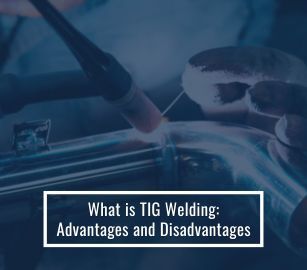
TIG stands for Tungsten Inert Gas welding. It uses a non-consumable tungsten electrode to create the weld. The process requires an inert gas, usually argon, to protect the weld area from contamination.
One of the key benefits of TIG welding is the control it gives you over the heat and filler material. This makes it perfect for thin metals and complex joints where precision matters. Have you ever struggled with welds that were too rough or weak? TIG welding might be the solution you need.
History And Evolution
TIG welding was first developed in the 1930s for welding magnesium and aluminum. Initially, it was used mainly in the aerospace industry because of its ability to produce clean, high-quality welds. Over the decades, the technology improved, becoming more accessible to various industries.
In the 1950s, TIG welding machines became more user-friendly, allowing craftsmen and hobbyists to start using this method. Today, it’s a preferred technique in automotive, construction, and art projects. How do you think mastering this welding method could change your approach to metalwork?
Credit: benchmarkabrasives.com
Equipment And Tools
TIG welding requires specific equipment to work effectively and safely. The right tools help create clean, strong welds. Understanding essential gear ensures better results and a safer work environment.
Essential Components
The core parts of TIG welding equipment include:
- Welding machine with adjustable current
- Tungsten electrode for arc creation
- Shielding gas supply, usually argon
- Gas regulator and flow meter
- Ground clamp to complete the circuit
Each component plays a vital role. The machine controls heat, while the electrode starts the arc. Shielding gas protects the weld from contamination.
Choosing The Right Torch
The torch must fit the welding task. Consider the following:
- Size and weight for comfort during use
- Water-cooled or air-cooled options
- Compatibility with tungsten electrode size
- Durability and ease of maintenance
A good torch improves precision and reduces fatigue. Select one that matches your welding needs and skill level.
Protective Gear
Safety gear protects from sparks, UV rays, and heat. Essential items include:
- Welding helmet with proper shade lens
- Heat-resistant gloves
- Flame-resistant clothing
- Safety boots
- Respiratory protection when needed
Always wear protective gear to avoid injuries. Safety should never be compromised during TIG welding.
Materials And Applications
TIG welding stands out because of its ability to work with a wide range of materials, making it a versatile choice for many projects. Understanding which metals pair best with TIG welding can help you decide if this method fits your needs. The applications of TIG welding span various industries, showing its adaptability and precision.
Suitable Metals For Tig Welding
TIG welding works well with metals that require clean and strong joints. You’ll often see it used on:
- Stainless Steel– prized for its corrosion resistance and strength.
- Aluminum– perfect for lightweight but sturdy constructions.
- Magnesium– used where lightness is key, like in aerospace parts.
- Copper and its alloys– excellent for electrical and plumbing applications.
- Carbon Steel– common in structural and automotive applications.
What makes TIG welding unique is its ability to control heat precisely, which means you can weld thinner metals without warping them. Have you ever struggled with burnt edges on delicate metals? TIG welding offers a solution.
Common Industries And Uses
TIG welding finds its place in industries where quality and appearance matter. You’ll spot it in:
- Aerospace– creating critical components that must hold up under stress.
- Automotive– building frames and exhaust systems that need clean, strong welds.
- Construction– assembling stainless steel railings and architectural features.
- Food and Beverage– welding stainless steel equipment to maintain hygiene.
- Art and Sculpture– crafting intricate metal artworks where precision counts.
Think about your own projects or workplace needs. Could TIG welding improve the strength and look of your metalwork? Its precision and adaptability might be exactly what you’re missing.
Credit: medium.com
Techniques And Best Practices
TIG welding requires skill and attention to detail. Proper techniques improve weld quality and safety. Best practices ensure strong, clean welds with minimal defects.
Setting Up For Success
Start by preparing your workspace. Clean the metal surface to remove rust and dirt. Use the correct tungsten electrode for the metal type. Adjust the welding machine settings for amperage and gas flow. Position the torch at the right angle for better control. Use a steady hand and focus on steady gas coverage.
Mastering The Art Of Precision
Control the heat to avoid burning the metal. Move the torch smoothly along the joint. Use filler rod carefully, adding small amounts at a time. Keep a close eye on the weld pool size. Maintain a consistent speed to ensure even weld beads. Practice hand coordination to improve accuracy and detail.
Avoiding Common Mistakes
- Do not use a contaminated tungsten electrode.
- Avoid too high or too low amperage settings.
- Do not move the torch too fast or too slow.
- Prevent gas leaks by checking hoses and connections.
- Do not neglect proper safety gear and ventilation.
- Avoid poor joint preparation to prevent weak welds.
Advantages Of Tig Welding
TIG welding offers many benefits that make it a top choice for metalwork. It provides unmatched control and clean results. The process suits many types of metals and projects. Understanding these advantages helps appreciate why TIG welding is popular in various industries.
Precision And Control
TIG welding allows exact control over the heat and speed of the weld. This precision helps create clean, strong joints with minimal spatter. Welders can work on thin or delicate materials without causing damage. The steady arc and foot pedal control improve accuracy. This makes TIG welding ideal for detailed work and fine craftsmanship.
Versatility In Metal Joining
TIG welding works well on many metals like steel, aluminum, and copper. It joins metals of different thicknesses and types easily. The process can handle complex shapes and tight corners. TIG welding also produces high-quality welds on stainless steel and exotic alloys. This flexibility makes it useful for automotive, aerospace, and art projects.

Credit: dycoventures.com
Challenges And Solutions
TIG welding is a precise and demanding skill that often presents unique challenges. These challenges can slow down your progress or affect the quality of your welds. Understanding common obstacles and knowing how to address them can make a significant difference in your welding journey.
Overcoming Skill Barriers
One of the biggest challenges in TIG welding is mastering the hand-eye coordination required. Controlling the torch and feeding the filler rod simultaneously can feel overwhelming at first.
Practice is essential, but practicing without focus can waste time. Try breaking down the process: first, work on steady torch movement, then add filler rod feeding separately. Use simple joints and thin materials to build confidence before tackling complex projects.
Have you noticed your welds looking inconsistent? That might be due to irregular speed or angle. Keeping the torch at about 15 degrees and moving smoothly helps create even weld beads.
Troubleshooting Tips
Weld defects like porosity, cracking, or discoloration often frustrate beginners. These issues usually come from contamination or incorrect settings.
- Check your gas flow:Too low or too high flow can cause poor shielding and lead to porosity.
- Clean your workpiece:Dirt, oil, or rust can ruin your weld. Always clean the metal thoroughly before welding.
- Adjust amperage properly:Welding too hot or too cold affects penetration and bead appearance.
If your weld puddle looks unstable, try adjusting your foot pedal control or move slower to maintain a steady pool. Sometimes, small changes in technique fix stubborn problems.
What’s one welding challenge you’ve faced that seemed impossible to solve at first? Often, revisiting basic settings and simplifying your approach uncovers the solution faster than you expect.
Future Trends In Tig Welding
The future of TIG welding is shaping up to be an exciting blend of smarter technology and greener practices. As welding demands grow more complex, TIG welding techniques are evolving to meet those challenges efficiently. Let’s dive into what’s coming next for this precise and versatile welding method.
Technological Advancements
Technology is transforming TIG welding with smarter machines and better controls. Modern TIG welders now come equipped with digital interfaces that let you adjust settings with pinpoint accuracy. This means you can achieve cleaner welds faster, cutting down on errors and material waste.
One key advancement is the integration of automation. Robotic TIG welding systems are becoming more common in industries like aerospace and automotive, where consistency and precision are critical. Have you ever thought about how much time you could save by automating repetitive welds?
Another exciting development is the use of sensors and AI to monitor weld quality in real time. These systems can detect defects as they happen, allowing immediate corrections. This not only improves the final product but also reduces costly rework.
Sustainability And Innovation
Sustainability is no longer just a buzzword; it’s a necessity in welding. TIG welding is adapting by using energy-efficient power sources that consume less electricity without sacrificing performance. This helps reduce your carbon footprint while keeping costs down.
Innovations in welding materials are also playing a role. New filler metals designed to create stronger, longer-lasting joints mean fewer repairs and less scrap metal. This directly benefits both your budget and the environment.
Have you considered how switching to eco-friendly welding practices could improve your operation’s reputation? Customers and partners increasingly value companies that prioritize green methods.
The future of TIG welding promises tools that work smarter and materials that last longer. Are you ready to embrace these changes and enhance your welding skills?
Frequently Asked Questions
What Is Tig Welding Used For?
TIG welding is ideal for precision work on thin metals. It’s commonly used in aerospace, automotive, and art industries. The process produces clean, strong welds with minimal spatter, making it perfect for stainless steel, aluminum, and other non-ferrous metals.
How Does Tig Welding Work?
TIG welding uses a tungsten electrode to create an arc. This arc melts the base metal without melting the electrode. A shielding gas, usually argon, protects the weld area from contamination. Filler metal is added manually if needed to join the metals.
What Materials Can Tig Welding Join?
TIG welding works well on stainless steel, aluminum, magnesium, copper, and titanium. It’s especially effective for thin and delicate metals. The process offers excellent control, producing high-quality welds on both ferrous and non-ferrous materials.
Is Tig Welding Better Than Mig Welding?
TIG welding offers more precision and cleaner welds than MIG welding. It’s slower but ideal for thin metals and detailed work. MIG welding is faster and easier, suited for thicker metals and production work. Choice depends on the specific project needs.
Conclusion
TIG welding offers precise and clean welds for many metals. It uses a tungsten electrode and shielding gas. This process suits delicate and strong materials alike. Learning its basics helps you understand welding better. TIG welding stands out for control and quality.
Anyone interested in welding should know about TIG. It remains a popular choice in workshops worldwide. Simple, effective, and versatile—TIG welding is a key skill.
About The Author

