

Are you trying to decide between a MIG welder and a TIG welder but feel overwhelmed by the technical details? You’re not alone.
Choosing the right welder can make a huge difference in your projects, whether you’re a beginner or a seasoned pro. Understanding the key differences will save you time, effort, and money. You’ll discover exactly how MIG and TIG welders work, their strengths, and which one fits your needs best.
Keep reading to make the smartest choice for your welding work.
Basics Of Mig Welding
MIG welding, or Metal Inert Gas welding, is one of the most common welding techniques used worldwide. It involves feeding a continuous wire electrode through a welding gun, which melts and fuses metals together. This process is known for its speed and ease, making it popular among beginners and professionals alike.
How Mig Welding Works
MIG welding uses an electric arc to create heat between the metal and a consumable wire electrode. This wire is continuously fed through the welding gun, providing a steady supply of filler material. At the same time, a shielding gas, usually argon or a mix of argon and carbon dioxide, protects the weld from contaminants in the air.
Have you ever wondered why the shielding gas is so important? Without it, the weld could become weak or full of defects due to oxidation and other reactions. This makes the gas an essential part of creating strong, clean welds.
Materials Suitable For Mig Welding
MIG welding works well with a variety of metals, including:
- Steel (both mild and stainless)
- Aluminum
- Copper
This versatility allows you to use MIG welding for many different projects, from automotive repairs to fabricating metal furniture. However, the choice of shielding gas and wire type can vary depending on the metal you are working with.
Advantages Of Mig Welding
- Speed:Continuous wire feed means faster welding compared to other methods.
- Ease of Use:The process is relatively simple, making it beginner-friendly.
- Cleaner Welds:Shielding gas reduces spatter and oxidation.
- Less Post-Weld Cleanup:Minimal slag means less grinding after welding.
These benefits make MIG welding a go-to choice for many DIYers and professionals. But have you tried MIG welding yourself? You might be surprised how quickly you can get comfortable with this technique.
Basics Of Tig Welding
TIG welding is a precise welding process used for thin materials. It creates strong, clean welds with great control. This method uses a non-consumable tungsten electrode to produce the weld. An inert gas shields the weld area from contamination.
TIG welding suits metals like stainless steel, aluminum, and copper. It requires skill and patience but gives excellent results. Understanding the basics helps in choosing between MIG and TIG welding.
How Tig Welding Works
A tungsten electrode produces the arc in TIG welding. This arc melts the metal pieces to join them. A filler rod may be added by hand if extra material is needed. The inert gas, usually argon, protects the weld from air.
Equipment Needed For Tig Welding
- TIG welding machine with adjustable current settings
- Tungsten electrode
- Filler rods for added material
- Argon or other inert shielding gas
- Protective gear such as gloves and helmet
Advantages Of Tig Welding
- Produces clean, precise welds with minimal spatter
- Works well on thin and delicate metals
- Allows for better control over heat and weld pool
- Creates strong, durable joints
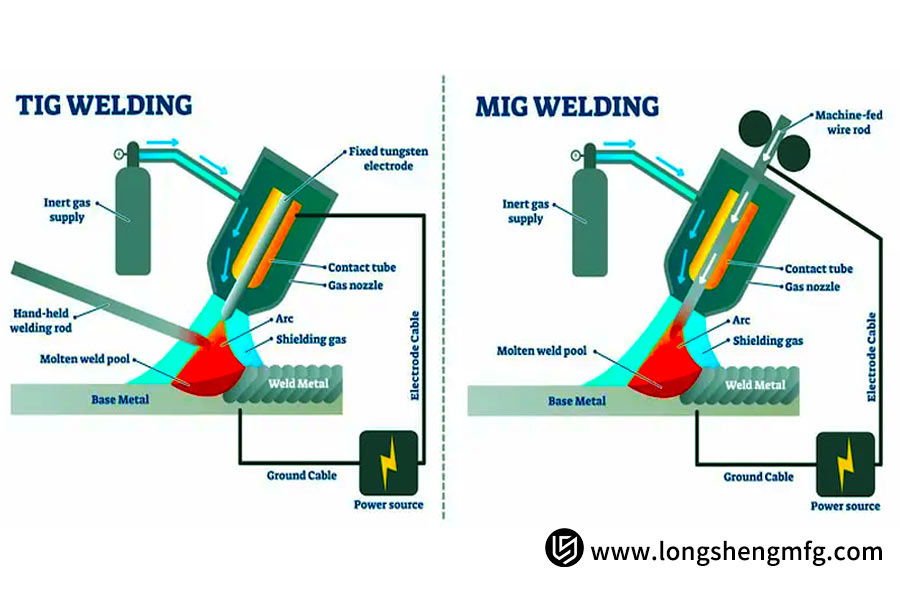
Key Components Of Mig Welders
Understanding the key components of a MIG welder helps you see why it’s often the go-to choice for many welding projects. Each part plays a crucial role in how the machine operates and how easily you can control the weld. Knowing these components makes it easier to troubleshoot issues and improve your welding skills.
Wire Feed MechanismThe wire feed mechanism pushes the welding wire through the gun and into the weld pool. It controls the speed at which the wire is fed, which directly affects the quality of your weld. If the wire feeds too fast or too slow, your weld can become weak or messy.
Welding GunThe welding gun is where you hold and guide the wire to the metal you’re welding. It’s designed for comfort and control, often with a trigger to start the wire feed and arc. Your grip and how steady you hold the gun can make a big difference in the final weld appearance.
Power SupplyThe power supply converts electricity into the right current needed for welding. It provides a steady flow of energy to create the arc between the wire and the workpiece. The type of current—usually DC in MIG welding—helps with penetration and weld strength.
Gas Supply SystemMIG welding uses a shielding gas to protect the weld from contamination. This gas flows through the welding gun and surrounds the weld pool. Choosing the right gas, like argon or a mix with carbon dioxide, can change how clean and strong your weld is.
Control PanelThe control panel lets you adjust settings like voltage, wire speed, and sometimes gas flow. These controls give you the power to tailor the welder to different materials and thicknesses. Getting familiar with the panel means you can adapt quickly to different welding tasks.
Credit: www.longshengmfg.com
Key Components Of Tig Welders
TIG welders have distinct parts that work together to create precise welds. Each component plays a vital role in controlling the welding process. Understanding these parts helps you know how TIG welding achieves clean and strong joints.
These components allow better control of heat, shielding, and filler metal. They make TIG welding suitable for thin metals and detailed work. Below, we explore the key parts of a TIG welder.
Power Supply
The power supply provides the electric current needed for welding. It controls the strength and type of current, either AC or DC. This control affects the weld quality and the types of metals you can join.
Tungsten Electrode
The tungsten electrode creates the arc that melts the metal. It does not melt itself, so it lasts longer. Different tungsten types work better with various metals and currents.
Shielding Gas System
The shielding gas protects the weld area from air contamination. Argon is the most common gas used. It keeps the weld clean and prevents oxidation.
Torch
The torch holds the tungsten electrode and directs the arc. It also channels the shielding gas around the weld. Torches come in different sizes for better access to tight spots.
Filler Rod
The filler rod adds extra metal to the weld joint. It is manually fed into the weld pool. This allows precise control over the amount of metal added.
Foot Pedal Or Hand Control
The foot pedal or hand control adjusts the welding current during the process. This control helps manage heat and prevents damage to thin materials. It gives the welder more flexibility and accuracy.
Comparison Of Welding Techniques
Understanding the differences in welding techniques can help you choose the right welder for your projects. MIG and TIG welding each have unique processes that affect how you handle the equipment and the quality of the weld. Knowing these differences can save you time and improve your results.
Wire Feeding Vs. Handheld Rod
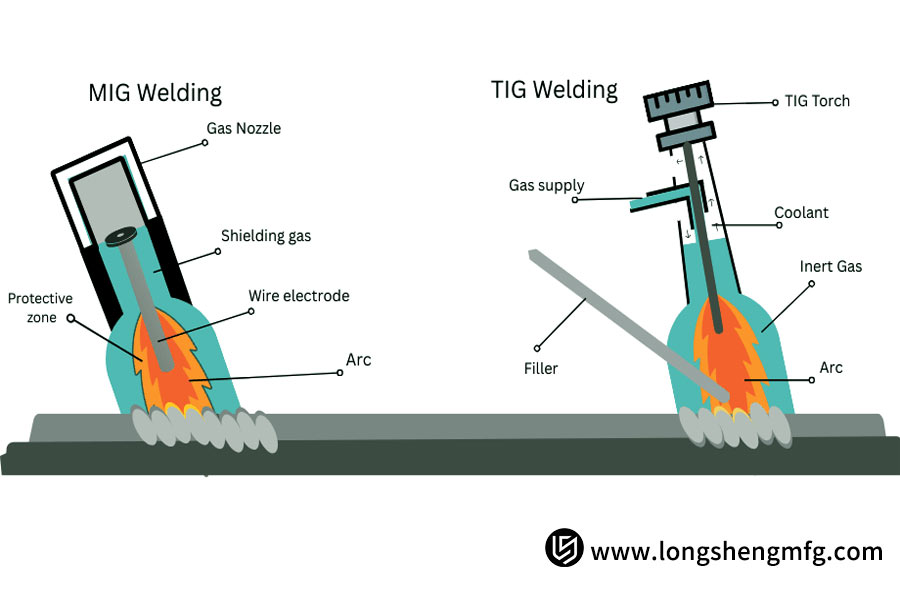
MIG welding uses a continuous wire feed that acts as both the electrode and filler material. This makes it easier to maintain a steady weld, especially for beginners or when working on large projects. You simply pull the trigger, and the wire feeds automatically, allowing for faster work.
TIG welding requires you to hold a separate filler rod in one hand while controlling the torch with the other. This method gives you more precision and control but demands better hand-eye coordination. Have you ever tried threading a needle? TIG welding feels somewhat similar in its level of finesse.
Shielding Gas Differences
Both MIG and TIG welding use shielding gases to protect the weld from contamination, but the types of gases differ. MIG welding typically uses a mix of argon and carbon dioxide, which is cost-effective and good for welding thicker metals.
TIG welding relies almost exclusively on pure argon gas to provide a clean, stable arc. This makes TIG ideal for welding thin materials or metals like aluminum and stainless steel, where a clean finish is crucial. Would you prioritize speed over precision, or vice versa, based on the gas setup?
Material Suitability
Choosing between a MIG and TIG welder often hinges on the types of materials you plan to work with. Each welding method excels with different metals due to how the heat is applied and the filler materials used. Understanding which metals suit each process can save you time and improve the quality of your welds.
Metals Best For Mig
MIG welding is a great choice for thicker and more common metals. It works quickly and provides strong welds, making it ideal for projects where speed matters.
- Steel:Mild steel and carbon steel are perfect for MIG welding because the process easily penetrates and bonds these metals.
- Stainless Steel:MIG can weld stainless steel, but it requires special shielding gas and filler wire to avoid contamination.
- Aluminum:MIG is often used for aluminum, especially in automotive and fabrication work, although it needs a spool gun to prevent wire feeding issues.
If you’re working on a home repair or automotive frame, MIG offers a practical balance of speed and strength. Have you noticed how much faster a MIG setup gets the job done when handling steel parts?
Metals Best For Tig
TIG welding shines when precision and clean welds on thin or exotic metals matter most. Its controlled heat input prevents warping and allows for detailed work.
- Stainless Steel:TIG produces smooth, high-quality welds on stainless steel, perfect for decorative or structural tasks.
- Aluminum:TIG is excellent for thin aluminum sheets where control over heat is crucial to avoid burn-through.
- Magnesium and Copper:These metals respond well to TIG’s precision, which helps maintain their structural integrity.
- Other Exotic Metals:Titanium and nickel alloys also benefit from TIG’s clean welding process.
If you’ve ever tried TIG welding on thin aluminum, you know it requires patience but rewards you with a flawless finish. Are you ready to slow down and get that perfect bead?
Ease Of Use
Ease of use is a crucial factor when choosing between a MIG and TIG welder, especially if you’re new to welding or aiming for efficiency. How quickly you can set up and start welding affects your productivity and confidence. Let’s break down how user-friendly each welding type really is.
User Friendliness Of Mig
MIG welding is often praised for its straightforward setup and operation. You simply feed the wire, adjust the settings, and start welding—no complex steps involved. This simplicity makes it ideal if you want to jump right in without much training.
Because the wire feeds automatically, you don’t have to constantly manage the electrode, which lets you focus more on guiding the weld. This reduces the chance of mistakes and speeds up your work, especially on thicker metals or long seams.
Have you ever tried MIG welding and noticed how forgiving it is with slight mistakes? That’s because the process is more tolerant of small errors, making it easier to produce consistent results early on.
User Friendliness Of Tig
TIG welding demands more skill and attention. You need to handle the torch, manage the filler rod, and control the heat all at once. This level of coordination can feel overwhelming if you haven’t practiced enough.
The setup is more detailed too—choosing the right tungsten electrode, adjusting the gas flow, and maintaining a clean surface are all necessary. This might slow you down initially but gives you more control over precision and appearance.
Think about the last time you had to do a delicate task requiring both hands and full concentration. TIG welding is similar—it rewards patience and steady hands. But once you master it, the quality of your welds can be far superior to MIG.
Credit: www.longshengmfg.com
Precision And Quality
Precision and quality are crucial factors when choosing between a MIG and TIG welder. Your project’s success often depends on how clean and strong the weld looks and holds up over time. Understanding the finish quality of each welding type can help you pick the right tool for your needs.
Finish Quality Of Mig
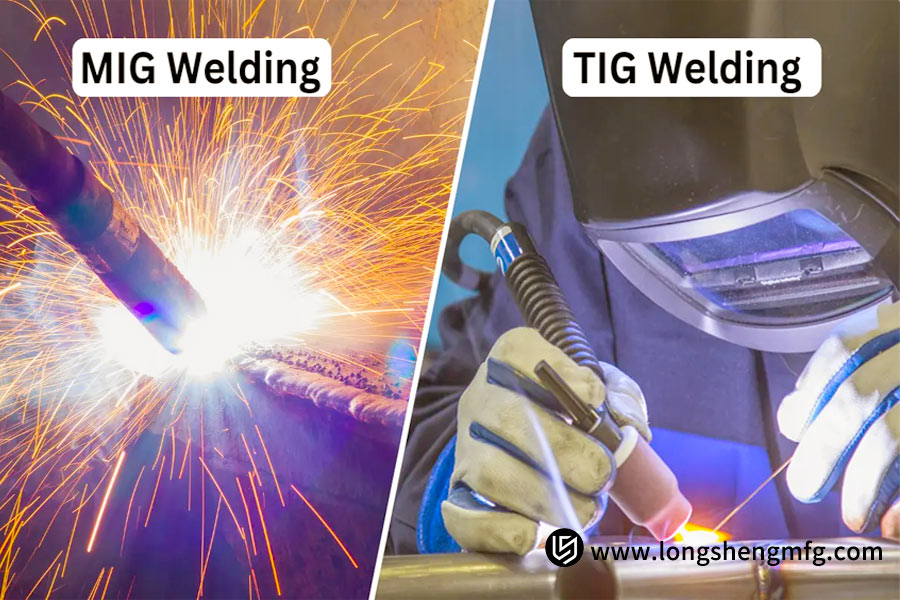
MIG welding produces a smooth and consistent weld, but it often leaves behind some spatter. This means you might need to spend extra time cleaning up the weld after the process. However, MIG welds are typically strong and perfect for thicker materials or projects where speed matters.
One time, I used a MIG welder on a car repair job. The weld was solid and fast, but I had to grind down some spots to get a cleaner look. If you want quick results without obsessing over flawless appearance, MIG is a solid choice.
Finish Quality Of Tig
TIG welding is known for its clean, precise, and visually appealing welds. It creates very little spatter and allows for fine control over the heat and filler material. This makes TIG ideal for thin metals or projects where the weld will be visible and aesthetics matter.
When I worked on a custom bicycle frame, TIG welding gave me the control to create nearly invisible joints. The finish was so smooth that the welds looked like part of the original metal. If you value quality and appearance over speed, TIG welding is worth considering.
Applications And Industries
Different welding techniques serve various purposes in industries and crafts. MIG and TIG welders each have distinct roles based on their strengths. Understanding where each excels helps in selecting the right tool for the job.
Both MIG and TIG welding find use across many sectors. Their applications depend on the materials involved and the quality required. Some industries favor speed, while others need precision and fine detail.
Common Uses For Mig
- Automotive repair and manufacturing for quick welds
- Construction projects involving steel frameworks
- Shipbuilding where strong, fast joints are essential
- Fabrication of metal furniture and equipment
- Industrial maintenance and repair tasks
- Production lines where high volume welding is needed
Common Uses For Tig
- Aerospace industry for precise, clean welds
- Art and sculpture requiring fine, detailed work
- Bicycle frame building with thin metal tubes
- Food and beverage equipment for sanitary welds
- Automotive custom parts and restoration
- Electronics and electrical applications with delicate parts
Cost Considerations
Cost plays a big role when choosing between a MIG and a TIG welder. Understanding both the upfront expenses and the ongoing costs can help you decide which welder fits your budget and project needs.
Initial Investment
MIG welders usually come with a lower price tag. You can find decent entry-level models that are affordable for beginners and hobbyists.
TIG welders tend to be more expensive right out of the gate. The equipment is often more complex, requiring a higher initial spend.
Think about what you’ll be welding. If you’re working on delicate materials or fine projects, investing more upfront in a TIG might save you frustration later.
Long-term Costs
MIG welding uses wire spools that you’ll replace frequently. This means recurring costs for consumables like wire and shielding gas.
TIG welding requires tungsten electrodes and inert gas, which might last longer but can be pricier. You’ll also spend more time on setup and cleanup.
Have you considered your time as a cost? TIG welding’s precision can reduce material waste, possibly lowering your overall expenses despite higher consumable prices.
Safety And Maintenance
Safety and maintenance are key when using MIG and TIG welders. Both types need careful handling to avoid accidents and ensure long equipment life. Proper safety rules protect the welder and others nearby. Regular maintenance keeps the machines running smoothly and prevents breakdowns.
Safety Measures For Mig
- Wear a welding helmet with a proper shade to protect eyes.
- Use gloves and long sleeves to guard against sparks and heat.
- Ensure good ventilation to avoid inhaling harmful fumes.
- Keep the work area clean and free from flammable materials.
- Check cables and connections before starting to prevent electric shocks.
Safety Measures For Tig
- Wear a high-quality helmet to shield eyes from bright arcs.
- Use flame-resistant clothing and gloves for skin protection.
- Work in a well-ventilated area to reduce toxic gas exposure.
- Secure the gas supply and check for leaks regularly.
- Avoid touching the tungsten electrode while welding to prevent burns.
Maintenance Tips
- Clean welding guns and torches after each use to remove debris.
- Inspect and replace worn-out parts like nozzles and tips.
- Check gas hoses and connections for leaks or damage.
- Keep cooling fans and vents free of dust and dirt.
- Store the welder in a dry place to avoid rust and corrosion.
Credit: www.longshengmfg.com
Frequently Asked Questions
What Is The Main Difference Between Mig And Tig Welders?
Mig welders use a continuous wire electrode, while Tig welders use a non-consumable tungsten electrode. Mig is faster and easier, Tig offers more precision and control.
Which Welder Is Better For Beginners, Mig Or Tig?
Mig welders are generally better for beginners due to ease of use and faster learning curve. Tig welders require more skill and practice.
Can Mig And Tig Welders Work On The Same Metals?
Both can weld steel, stainless steel, and aluminum, but Tig welders handle thin and exotic metals better. Mig welders are ideal for thicker materials.
Which Welding Method Produces Stronger Welds, Mig Or Tig?
Tig welds are usually stronger and cleaner, offering better penetration and quality. Mig welds are strong but may have more spatter and less precision.
Conclusion
Choosing between a MIG and TIG welder depends on your project needs. MIG welders work fast and suit thicker metals well. TIG welders offer more precision for thin metals and detailed work. Each type has its strengths and best uses.
Understanding these differences helps you pick the right tool. This way, your welding jobs become easier and better. Keep your goals clear, and choose wisely for the best results.
About The Author

