
Are you trying to decide between a Mig welder and a Tig welder but feel overwhelmed by the technical details? You’re not alone.
Choosing the right welder can make a huge difference in your projects, saving you time and effort. You’ll discover the key differences that set these two welding types apart. By the end, you’ll know exactly which welder fits your needs and how it can improve your work.
Keep reading, and take the guesswork out of your next welding purchase.
Basic Functionality
Understanding the basic functionality of MIG and TIG welders helps pick the right tool. Both machines join metals but use different processes and techniques. Their operation style affects the type of projects and metals they handle best.
Mig Welder Functionality
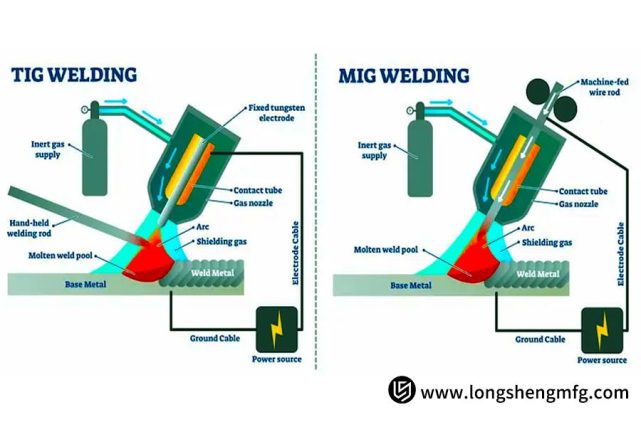
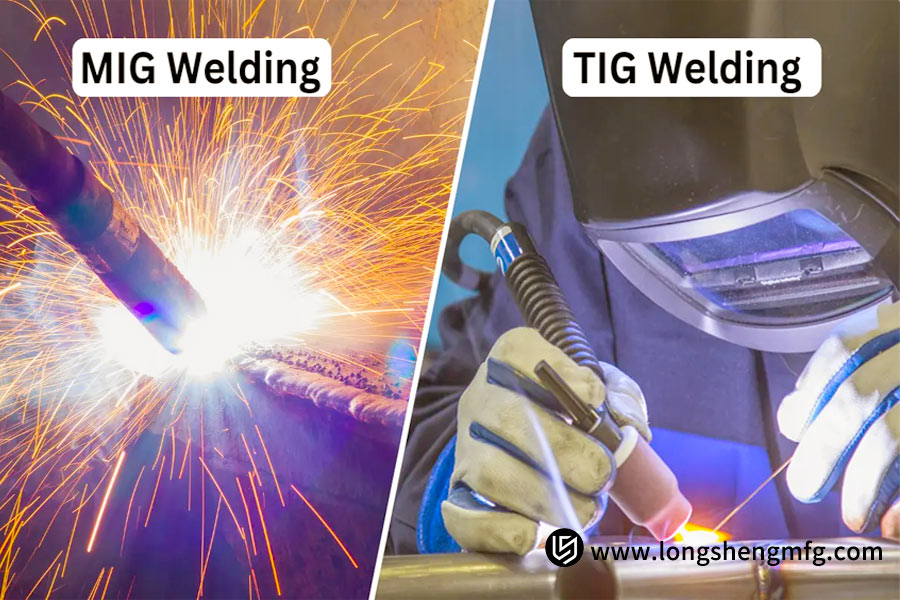
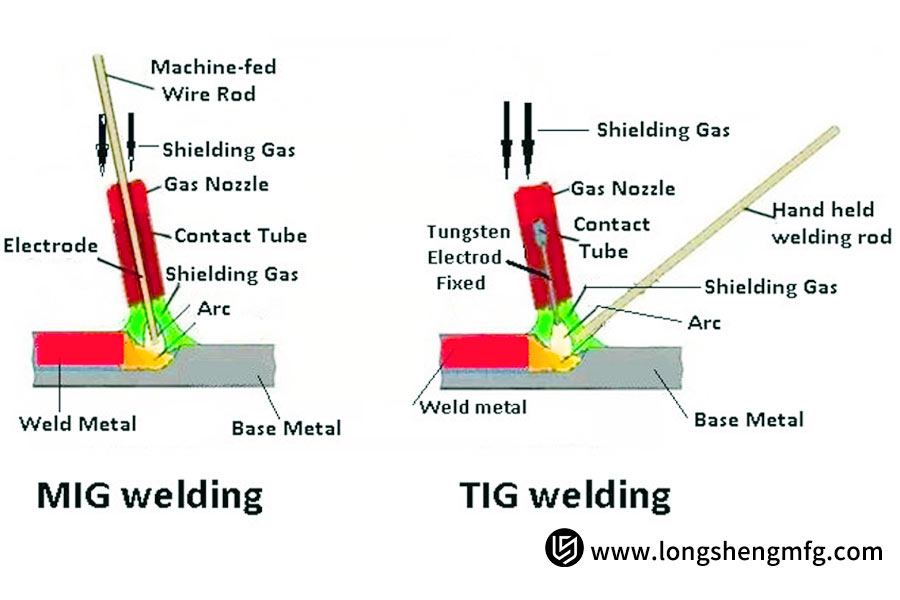
MIG welding uses a continuous wire electrode that feeds through a welding gun. The wire melts and joins metal pieces together. A shielding gas flows around the wire to protect the weld from air contamination. This method makes welding faster and easier for beginners.
Tig Welder Functionality
TIG welding uses a non-consumable tungsten electrode to create the arc. The welder manually adds filler material if needed. Shielding gas flows from a nozzle to protect the weld zone. TIG welding gives more control and creates cleaner, precise welds.
Credit: www.longshengmfg.com
Equipment Components
Understanding the equipment components helps to see how Mig and Tig welders work differently. Each type uses unique parts that affect the welding process and final results.
Power Source
Mig welders use a constant voltage power source. This helps feed wire continuously during welding. Tig welders use a constant current power source. It allows better control over heat and arc stability. The power source affects how easy it is to weld and the quality of the weld.
Torch And Consumables
The Mig torch feeds a wire electrode automatically through the gun. It uses a consumable wire that melts to join metals. Tig torches use a non-consumable tungsten electrode. The welder adds filler metal manually if needed. Consumables differ: Mig uses wire spools, Tig uses tungsten rods and filler rods.
Shielding Gas
Mig welders mainly use argon mixed with carbon dioxide. This mix protects the weld pool from contamination. Tig welders use pure argon gas for shielding. The gas keeps the tungsten electrode and weld clean. Different gases affect weld quality, spatter, and penetration depth.
Metal Types And Thickness
Understanding the types of metals and their thickness is key to choosing between a MIG and a TIG welder. Each welding method handles materials differently, affecting the quality and strength of your weld. Knowing which metals and thicknesses suit each process can save you time and improve your results.
Suitable Metals For Mig
MIG welding works best with a variety of metals, especially those that are thicker and more forgiving. It excels with:
- Steel (both mild and stainless)
- Aluminum (with the right setup)
- Nickel alloys
MIG is often chosen for projects where speed and ease are important. If you’ve ever tackled car repairs or fabricated steel frames, you’ve likely found MIG’s versatility very handy.
Suitable Metals For Tig
TIG welding is perfect for precision work on thinner and more delicate metals. It handles:
- Stainless steel
- Aluminum
- Copper
- Magnesium
You’ll notice TIG welds are cleaner and more controlled, making it a favorite for artistic metalwork and aerospace parts. Have you tried TIG on thin aluminum? The smooth, high-quality finish is worth the extra effort.
Thickness Considerations
Thickness plays a huge role in deciding your welding method. MIG welders shine with thicker metals, typically from 1/8 inch and up. They provide deep penetration and faster welds on heavy materials.
TIG welders, on the other hand, excel with thin metals, sometimes as thin as 24 gauge. The precise heat control helps avoid warping or burn-through on delicate sheets. What’s your project’s metal thickness? Choosing the right process can prevent costly mistakes.
Process Speed And Efficiency
Process speed and efficiency are key factors in choosing between MIG and TIG welding. These aspects affect project time and overall productivity. Each welding type uses a different approach, impacting how fast and efficient the work gets done.
Speed Of Mig Welding
MIG welding uses a continuous wire feed as an electrode. This allows for faster welding since there is no need to stop and change rods. The process works well for large projects or thick metals. It creates strong welds quickly, saving time on production.
Speed Of Tig Welding
TIG welding uses a non-consumable tungsten electrode and requires manual filler rod feeding. This means the process is slower compared to MIG. TIG welding is best for detailed work and thin metals. It demands more skill and patience but offers excellent control.
Efficiency Comparison
- MIG welding is more efficient for high-volume work.
- TIG welding excels in precision but takes longer.
- MIG is easier for beginners, boosting work speed.
- TIG provides cleaner welds, reducing post-weld cleanup.
Choosing Based On Project Needs
Consider project size and detail level. Use MIG welding for quick, strong welds on thicker metal. Choose TIG welding for precise, clean welds on delicate materials. Efficiency depends on matching the welding type to the job.
Weld Quality And Precision
Weld quality and precision play a crucial role in deciding whether a MIG or TIG welder suits your project. The strength and appearance of your weld depend heavily on the method you choose. Understanding the differences helps you make an informed choice that matches your skill level and project requirements.
Weld Quality: Strength And Durability
MIG welders use a wire feed that continuously supplies filler material, creating a strong and consistent weld quickly. This makes them ideal for thicker materials and larger projects where speed matters. However, the welds might have more spatter and require cleanup afterward.
TIG welders give you greater control over the heat and filler material, producing cleaner and more precise welds. This precision results in welds with superior strength and less chance of defects, especially on thin or delicate metals. If you need an aesthetically perfect weld with long-lasting durability, TIG is often the better choice.
Precision: Control And Technique
With MIG welding, the process is generally easier and faster, but you have less control over the weld bead. The machine feeds wire automatically, which can limit how precisely you control the weld pool. If you’re new to welding or working on simple repairs, this can be a practical advantage.
TIG welding demands more skill and patience because you manually feed the filler rod while controlling the torch. This hands-on approach allows you to adjust the heat and filler in real-time, perfect for intricate work or metals that require a delicate touch. How much control do you want over your welds? Your answer might tip the scales toward TIG welding.
Choosing The Right Welder For Your Project
- Speed vs. Precision:Need fast, reliable welds? MIG may be your go-to. Want meticulous, clean welds? TIG stands out.
- Material Thickness:MIG excels on thick metals, while TIG shines on thin, sensitive materials.
- Skill Level:Beginners often find MIG easier, but TIG rewards practice with superior control.
Think about the balance between speed, control, and the finish quality you desire. Which factor weighs most for your current or upcoming project?
Ease Of Use And Learning Curve
Understanding the ease of use and learning curve is essential when choosing between a MIG and a TIG welder. Both have unique features that impact how quickly you can become proficient. Knowing what to expect can save you time and frustration as you develop your welding skills.
Ease Of Use: Mig Welders
MIG welders are generally considered easier for beginners. The process is straightforward because the machine feeds the wire automatically, allowing you to focus mainly on guiding the gun. This makes MIG welding less intimidating if you’re just starting out or want quick results.
With MIG welding, you don’t need to worry about managing the filler material separately. The simplicity often leads to faster learning and more consistent welds early on. Have you noticed how much faster you improve when the equipment handles more for you?
Ease Of Use: Tig Welders
TIG welding requires more hand coordination since you control the torch in one hand and the filler rod in the other. This dual control means it takes longer to develop smooth, steady welds. If you value precision over speed, TIG’s complexity might be worth the extra effort.
The manual feed of the filler rod can feel like juggling at first. But mastering it opens doors to cleaner, more detailed work. Are you ready to invest the time needed to gain that level of craftsmanship?
Learning Curve Comparison
| Aspect | MIG Welder | TIG Welder |
|---|---|---|
| Initial Setup | Simple and quick | More complex, requires practice |
| Hand Coordination | Single hand control | Requires both hands working together |
| Speed of Learning | Faster for beginners | Slower but leads to higher precision |
| Best For | Quick repairs, large projects | Detailed work, thin materials |
Think about how you learn best. Do you prefer jumping in and seeing quick results? Or are you patient enough to build a skill that takes time but yields expert-level outcomes? Your answer will guide which welder suits your learning style.
Applications And Industries
MIG and TIG welders serve different roles across industries. Each welding type fits specific tasks and materials. Understanding their applications helps choose the right welder for the job.
MIG welding is popular for fast, strong joints on thicker materials. TIG welding excels in precision and clean welds on thin metals.
Common Mig Applications
- Automotive repair and manufacturing
- Construction of steel structures and frameworks
- Fabrication of heavy machinery parts
- Shipbuilding and marine repairs
- General maintenance and industrial equipment
Common Tig Applications
- Aerospace component assembly
- Bicycle frame manufacturing
- Artistic metalwork and sculpture
- Food and beverage equipment fabrication
- Thin stainless steel and aluminum welding
Credit: www.arccaptain.com
Cost Considerations
Cost plays a big role in choosing between a MIG welder and a TIG welder. Both have different price points and running expenses. Understanding these costs helps in making a smart decision for your welding needs.
Initial Investment
MIG welders usually cost less upfront. They are simpler machines and easier to use. Beginners often prefer MIG because of its lower entry price.
TIG welders tend to be more expensive at the start. They require more skill and control. The equipment includes extra parts like a foot pedal and gas regulators.
Here is a brief cost comparison:
| Welder Type | Average Price Range |
|---|---|
| MIG Welder | $200 – $800 |
| TIG Welder | $800 – $2,500 |
Operational Costs
MIG welding uses a spool of wire, which adds to ongoing costs. The wire feeds continuously, so you use more material. Gas costs also add up if you use shielding gas.
TIG welding consumes less filler material. It uses a tungsten electrode, which lasts longer. Gas use is similar to MIG but more precise control can save gas.
Other costs include:
- Replacement parts and consumables
- Electricity usage
- Maintenance expenses
Choosing the right welder depends on balancing these initial and operational costs.
Safety And Precautions
Safety and precautions are vital when using both MIG and TIG welders. Each welding type has unique risks that require attention. Proper safety measures help prevent injuries and ensure a safe working environment.
Both MIG and TIG welding produce intense light and heat. This can cause burns and eye damage. Wearing the right protective gear is essential. Welders must understand the dangers before starting work.
Protective Gear For Mig And Tig Welding
- Use a welding helmet with the correct shade lens.
- Wear flame-resistant clothing to avoid burns.
- Use welding gloves to protect hands from heat.
- Wear safety boots to protect feet from sparks.
- Use ear protection in noisy welding environments.
Ventilation And Fume Control
MIG welding generates more fumes due to the wire feed. TIG welding produces fewer fumes but still requires ventilation. Always work in a well-ventilated area. Use fume extractors or fans to reduce inhalation risks.
Electrical Safety
Both welders use high electrical currents. Avoid working in wet or damp conditions. Inspect cables and connections for damage before use. Always turn off the welder when not in use. Grounding the equipment properly reduces shock risks.
Credit: www.longshengmfg.com
Frequently Asked Questions
What Is The Main Difference Between Mig And Tig Welders?
MIG welders use a wire electrode and gas for fast welding. TIG welders use a non-consumable tungsten electrode and inert gas for precise, high-quality welds.
Which Welder Is Better For Beginners, Mig Or Tig?
MIG welders are easier for beginners due to their faster, simpler process. TIG welding requires more skill and control, making it less beginner-friendly.
Can Mig And Tig Welders Weld The Same Metals?
Both can weld steel, stainless steel, and aluminum. TIG is better for thin or delicate metals, while MIG is suited for thicker materials.
What Are The Cost Differences Between Mig And Tig Welders?
MIG welders generally cost less and have lower operating costs. TIG welders are more expensive upfront and require higher skill, increasing labor cost.
Conclusion
Choosing between a Mig welder and a Tig welder depends on your needs. Mig welders work fast and handle thick metals well. Tig welders give precise and clean welds on thin metals. Both have strengths and suit different projects. Think about what you want to weld and how much skill you have.
This helps pick the right welder. Understanding their differences saves time and money. Welding becomes easier when you use the right tool. Keep these points in mind for your next welding task.
About The Author

