
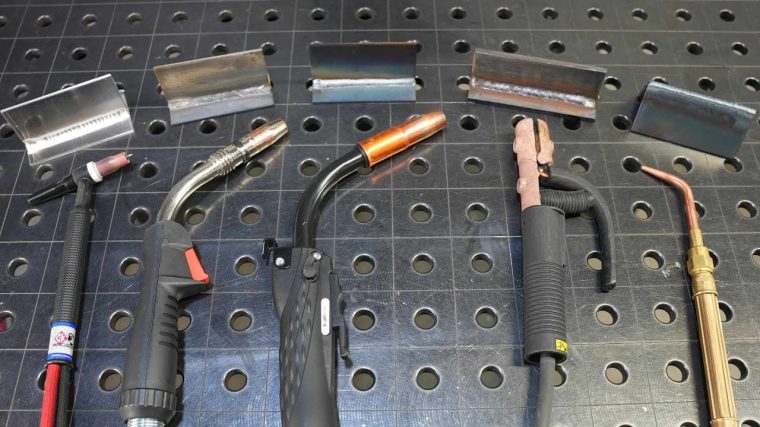
Are you curious about welding but confused by all the different methods? Understanding the difference between MIG and Stick welding can make a big impact on your projects.
Whether you’re a beginner or looking to improve your skills, knowing which technique suits your needs can save you time, effort, and money. You’ll discover the key differences between MIG and Stick welding, so you can choose the right method with confidence.
Keep reading to find out which welding style fits your goals perfectly.
Credit: www.walmart.com
Mig Welding Basics
MIG welding is a popular welding technique used in many industries. It stands for Metal Inert Gas welding. This process uses a continuous wire electrode and a shielding gas to join metals. MIG welding is known for its speed and ease of use. It produces clean and strong welds, making it ideal for beginners and professionals alike.
This welding method works well on various metals, including steel, aluminum, and stainless steel. It requires less skill than other methods, so it is often chosen for quick repairs and production work. Understanding the basics of MIG welding helps in choosing the right welding process for a project.
How Mig Welding Works
MIG welding feeds a wire electrode through a welding gun. The wire melts and fuses with the metal pieces. A shielding gas, usually argon or a mix, protects the weld from air contamination. The welder controls the speed and direction of the wire. The result is a clean, strong weld bead that cools quickly.
Common Applications
- Automotive repairs and manufacturing
- Construction of metal frameworks
- Fabrication of household items
- Shipbuilding and aerospace industries
- General maintenance and repair work
Advantages Of Mig Welding
- Fast welding speed saves time
- Produces clean and smooth welds
- Easy to learn for beginners
- Works well on thin and thick metals
- Less smoke and fumes compared to stick welding
Stick Welding Basics
Stick welding is one of the oldest and most straightforward welding techniques. It’s known for its simplicity and versatility, making it a favorite among beginners and seasoned welders alike. Understanding the basics of stick welding can help you decide if it’s the right choice for your next project.
How Stick Welding Works
Stick welding uses a consumable electrode coated in flux. When you strike an arc between the electrode and the metal, the heat melts both the electrode and the base metal, creating a strong joint.
The flux coating burns and produces a shielding gas that protects the weld from contamination. This self-shielding property means you don’t need extra gas tanks or complex setups.
Common Applications
Stick welding is widely used in construction, repair work, and heavy steel fabrication. It works well outdoors, even in windy or dirty environments where gas-shielded methods might fail.
You’ll find it handy for welding pipelines, structural steel, and farm equipment. Its portability means you can weld almost anywhere without extra gear.
Advantages Of Stick Welding
- Cost-effective:Requires minimal equipment, making it affordable for beginners.
- Versatile:Works on rusty, dirty, or painted metals without extensive cleaning.
- Portable:Easy to carry and operate in remote locations without gas cylinders.
- Strong welds:Creates durable bonds suitable for heavy-duty applications.
Have you ever struggled with welding in a windy outdoor environment? Stick welding might just be the reliable solution you need.
Equipment Comparison
Mig welding uses a wire feed and shielding gas, making it faster and cleaner. Stick welding works well outdoors and on rusty metal but can be slower and messier. Both have unique uses depending on the job and environment.
When choosing between MIG and Stick welding, understanding the equipment differences can be crucial for your projects. Whether you’re a hobbyist or a professional welder, knowing what each method requires can help you make informed decisions. Let’s dive into the specifics and see what sets them apart.Power Source And Setup
The power source is the heart of your welding setup. MIG welding typically requires a constant voltage power source, which is often more complex and expensive. You’ll need to factor in the cost of a MIG welder, which can be higher due to its advanced features. Stick welding, on the other hand, operates with a simpler constant current power source. This makes the setup more portable and affordable, especially if you’re working in various locations. Think about where you plan to weld and how often you need to move your equipment.Consumables And Materials
MIG welding uses a continuous wire feed that acts as both electrode and filler material. You’ll find yourself managing spools of wire, which can be efficient but may require frequent replacements depending on your projects. Stick welding involves consumable electrodes that are coated with flux. These electrodes can be easier to manage, especially in outdoor environments where wind might be a factor. Consider the types of materials you’ll be working with and whether the ease of handling stick electrodes suits your needs. Which setup feels right for your welding tasks? Are you drawn to the convenience of MIG or the simplicity of Stick welding? By weighing these equipment aspects, you can tailor your approach to best fit your welding aspirations.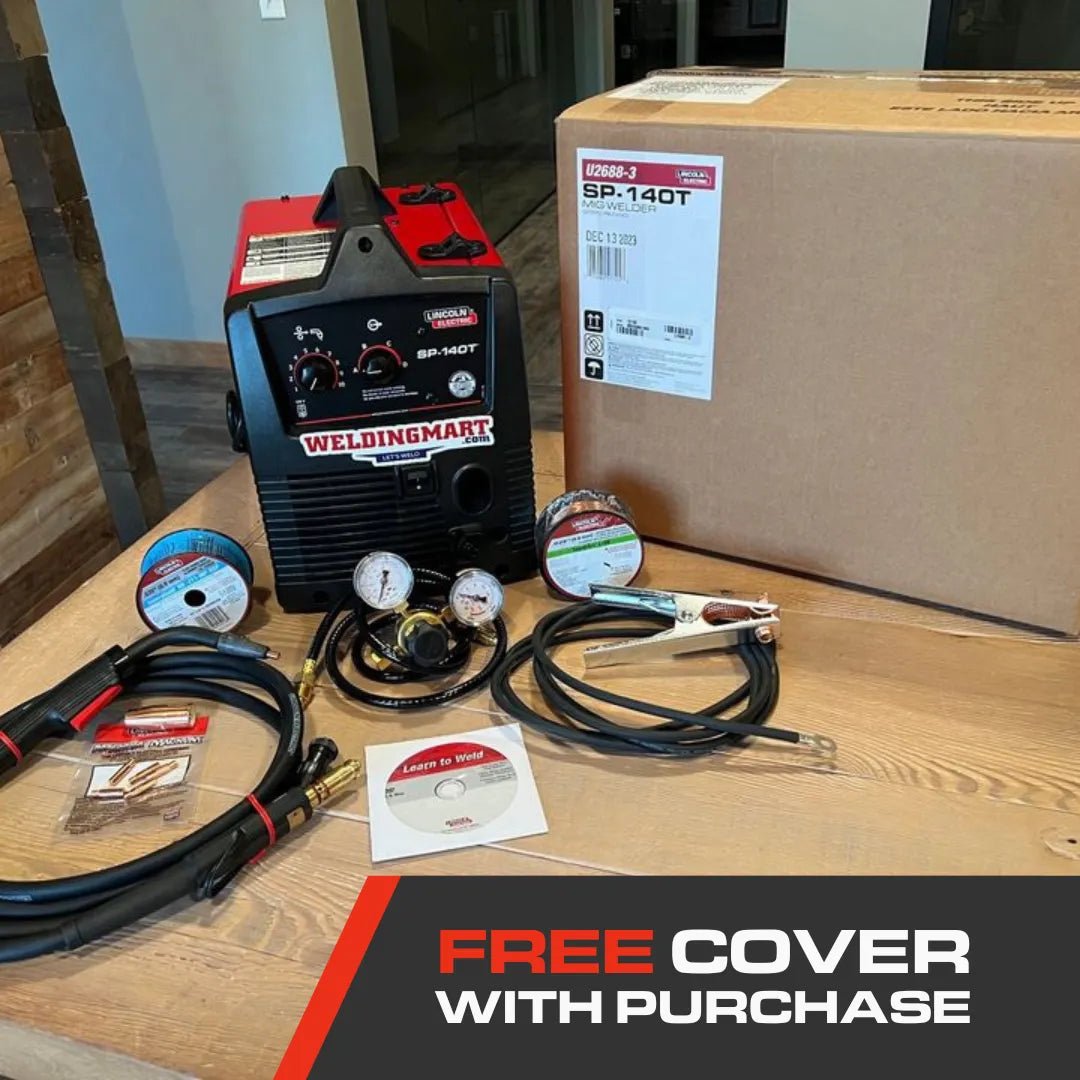
Credit: weldingmart.com
Welding Process Differences
The welding process differences between MIG and Stick welding affect how each method performs. Both use electric arcs to melt metal, but their approaches vary. These differences impact the quality, ease, and applications of the welds.
Shielding Methods
MIG welding uses a continuous wire electrode and a gas shield. The gas protects the weld from air and contamination. Common gases include argon or a mix of argon and carbon dioxide.
Stick welding uses a flux-coated electrode. The flux melts and creates a gas shield and slag layer. This covers the weld and prevents oxidation.
Arc Stability And Control
MIG welding offers a steady, smooth arc. The continuous wire feed helps maintain a consistent arc length. This makes it easier to control the weld pool.
Stick welding has a more erratic arc. The operator must control the electrode manually. This can cause more spatter and irregularities.
Skill Level Required
MIG welding suits beginners and professionals. The steady arc and automatic wire feed reduce mistakes. It allows faster learning and better weld quality.
Stick welding requires more skill. The welder must control the electrode and arc length carefully. It takes practice to produce clean, strong welds.
Performance And Quality
Performance and quality are crucial factors when choosing between MIG and Stick welding. Both methods offer distinct advantages and challenges that directly affect the final weld’s durability and look. Understanding these differences helps you pick the right technique for your project’s needs.
Weld Strength And Appearance
MIG welding generally produces cleaner and more uniform welds. The continuous wire feed allows for consistent heat application, resulting in strong and neat joints. If you need a weld that not only holds well but also looks professional, MIG often has the edge.
Stick welding, on the other hand, can create very robust welds, especially in heavy-duty applications. However, it tends to leave more slag and spatter, requiring extra cleanup. Have you noticed how some welds look rough but still hold firm? That’s typical of Stick welding’s rugged strength.
Suitability For Different Metals
MIG welding works best with thinner materials like stainless steel, aluminum, and mild steel. It allows precise control, which helps avoid warping or burn-through on delicate metals. This makes it a favorite for automotive or home repair projects.
Stick welding handles thicker and rustier metals better. It’s versatile enough to weld cast iron, steel, and even some exotic alloys without extensive surface prep. Think about outdoor fixes where metal isn’t perfectly clean—that’s where Stick shines.
Environmental Factors
MIG welding requires a clean, controlled environment because the shielding gas protects the weld pool from contamination. Wind or drafts can disrupt the gas flow, leading to weak welds. Have you ever tried MIG welding outside on a breezy day? It can be frustrating.
Stick welding is more forgiving outdoors or in windy conditions since it doesn’t rely on gas shielding. This makes it ideal for construction sites or farm repairs where conditions are less predictable. If your work often takes you outside, Stick welding might save you time and headaches.
Cost Considerations
Understanding the cost differences between MIG and Stick welding can help you make smarter choices for your projects. Cost considerations go beyond just the price tag of equipment. You need to think about what you’ll spend over time and how often you’ll need to fix or replace parts.
Initial Investment
MIG welding machines typically cost more upfront than Stick welders. This is because MIG setups include a wire feeder and a gas supply system, which add to the price.
Stick welders are simpler and more affordable to buy. If you’re just starting out or working with a tight budget, a Stick welder might be easier to get your hands on.
Operating Costs
MIG welding uses shielding gas, which means you’ll pay regularly for gas cylinders or refill services. The wire used in MIG welding also needs constant replenishing.
Stick welding uses electrodes that act as both filler and shield, so you don’t need extra gas. However, you do use up electrodes with every weld, and they can add up if you’re working on big projects.
Have you ever calculated how much your consumables cost per project? Tracking this can reveal surprising expenses over time.
Maintenance Needs
MIG welders require regular cleaning and inspection of the wire feeder and gas lines. If these parts get clogged or damaged, your machine won’t work properly.
Stick welders have fewer moving parts, so they tend to need less frequent maintenance. But the electrode holder and cables still need to be checked regularly for wear and tear.
Think about how much time you’re willing to spend keeping your equipment in shape. Maintenance can affect your overall costs just as much as the price of consumables.
Safety Aspects
Safety is a key concern whether you choose MIG or Stick welding. Both methods expose you to risks that can cause serious injury if ignored. Understanding the specific safety aspects helps you protect yourself and others around you effectively.
Common Hazards
Welding involves intense heat, bright light, and potentially harmful fumes. With MIG welding, the constant arc and wire feed system can cause sparks to fly unpredictably. Stick welding, on the other hand, produces more spatter and exposes you to higher levels of smoke and fumes.
Electric shock is a risk in both methods, especially if your equipment or environment is wet. Have you ever considered how a small slip could lead to a dangerous shock? It’s important to stay alert and keep your work area dry and well-maintained.
Protective Gear Recommendations
Wearing the right gear is not just a suggestion; it’s a necessity. For both MIG and Stick welding, a welding helmet with a proper shade protects your eyes and face from UV rays and flying particles. Choose helmets with auto-darkening filters to reduce the need to flip the visor constantly.
- Gloves:Use thick, flame-resistant gloves to shield your hands from heat and sparks.
- Clothing:Wear flame-resistant, long-sleeved shirts and pants to cover your skin completely.
- Respirators:If you weld indoors or in confined spaces, use respirators to avoid inhaling harmful fumes, especially during Stick welding.
- Boots:Steel-toed, insulated boots protect your feet from falling objects and hot metal.
Do you think your current protective gear is enough? Assess your setup regularly and upgrade when necessary to stay safe without compromise.

Credit: www.reddit.com
Choosing The Right Method
Choosing the right welding method can make a huge difference in the success of your project. It’s not just about picking between Mig and Stick welding; it’s about understanding what your project really needs. The right choice can save time, improve quality, and even make your work safer.
Project Requirements
Think about the materials you’re working with. Mig welding works great with thin metals and offers a clean, smooth finish, which is ideal for automotive or sheet metal projects. On the other hand, Stick welding shines with thicker materials and works well outdoors, especially on rusty or dirty surfaces.
Ask yourself: What kind of joint strength do you need? Mig welding provides consistent welds, but Stick welding delivers deep penetration, which is essential for heavy-duty structures. Knowing this helps you avoid weak points in your welds and ensures durability.
Skill And Experience
Your welding experience plays a big role in choosing the right method. Mig welding is easier to learn and provides better control, making it perfect if you’re still building your skills. Stick welding requires more practice to master the arc and slag removal but offers flexibility once you get the hang of it.
Have you ever struggled with slag or spatter? Mig welding reduces these issues, so beginners often find it less frustrating. However, if you want to challenge yourself and improve your technique, Stick welding could be a rewarding choice.
Work Environment
Where you weld matters a lot. Mig welding needs a clean, controlled environment because wind or drafts can cause porosity and weak welds. Stick welding, however, performs well outdoors and in windy conditions since the flux coating protects the weld.
Think about your workspace: Is it a well-ventilated shop or an open construction site? Your welding method should match these conditions to avoid wasted materials and poor weld quality. Sometimes, the environment alone will decide which welding method fits best.
Frequently Asked Questions
What Is The Main Difference Between Mig And Stick Welding?
MIG welding uses a continuous wire electrode and shielding gas. Stick welding uses a consumable electrode coated in flux. MIG is cleaner and faster, while Stick is versatile and works well outdoors.
Which Welding Method Is Easier For Beginners, Mig Or Stick?
MIG welding is generally easier for beginners due to its continuous wire feed and cleaner welds. Stick welding requires more skill to control the electrode and slag.
Can Mig Welding Be Used Outdoors Like Stick Welding?
MIG welding is less effective outdoors because wind can blow away shielding gas. Stick welding is preferred outdoors as it does not require gas and handles wind better.
Which Welding Produces Stronger Joints, Mig Or Stick Welding?
Both can produce strong joints, but Stick welding often creates deeper penetration, ideal for heavy-duty repairs. MIG welding is better for thinner metals and precise work.
Conclusion
Mig welding uses a wire electrode and gas for protection. Stick welding uses a coated rod that creates its own shield. Mig is faster and cleaner, ideal for thin metals. Stick works well outside and on rusty or dirty surfaces.
Both methods have their place depending on the job. Choose the right type to save time and effort. Understanding these differences helps you weld better and safer. Simple tools, clear results. Welding made easier.
About The Author

