
Are you trying to figure out which welding method suits your project best? Understanding the difference between TIG and MIG welding can save you time, money, and frustration.
Whether you’re a beginner or looking to sharpen your skills, knowing how these two techniques work will help you make smarter choices. You’ll discover the key differences that affect precision, speed, and the types of materials you can work with.
Keep reading to find out which welding style fits your needs perfectly.
Basics Of Tig Welding
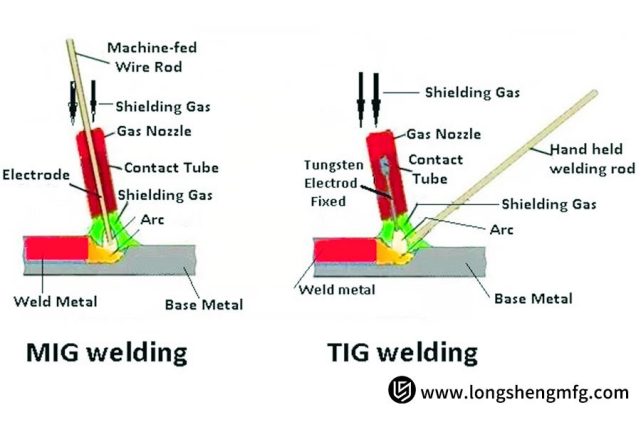
TIG welding is a precise welding technique. It uses a non-consumable tungsten electrode to create the weld. This method provides clean, strong joints with minimal spatter. It works well on thin materials and allows better control over heat and speed. Understanding its basics helps to know its strengths and best uses.
Definition And Process
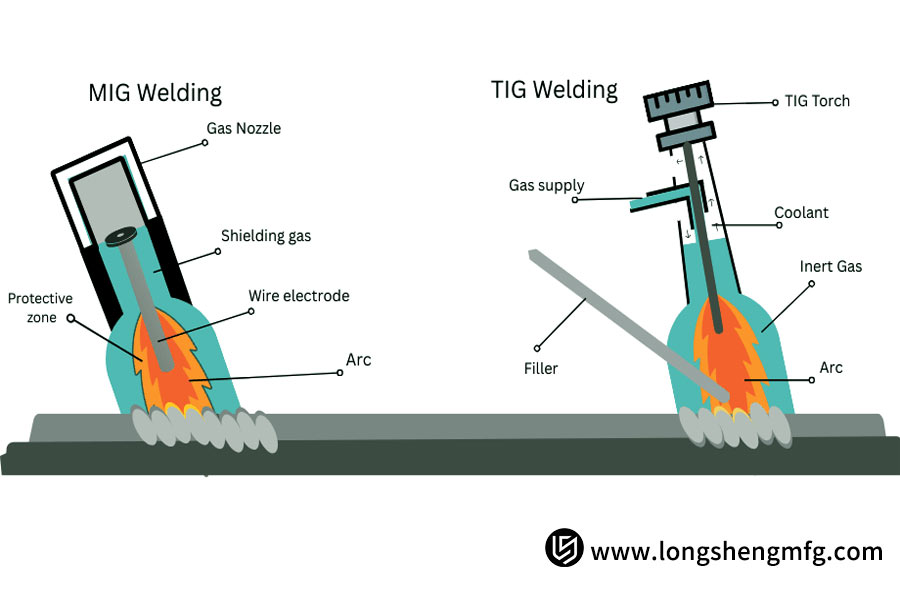
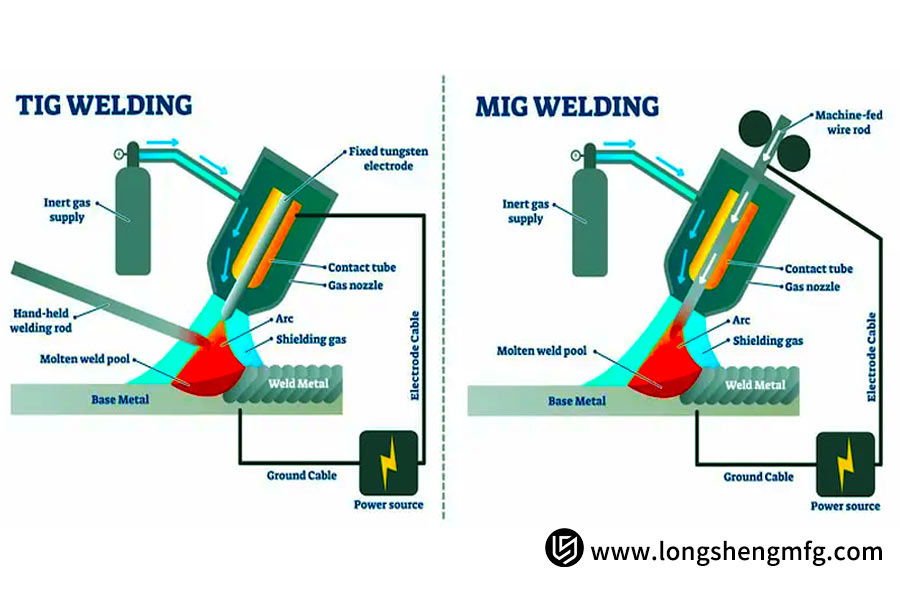
TIG stands for Tungsten Inert Gas welding. The process uses a tungsten electrode that does not melt. An inert gas, usually argon, shields the weld area from air. The welder manually adds filler metal when needed. The heat melts the base metals, creating a strong bond. This method produces precise and clean welds with a smooth finish.
Common Applications
TIG welding suits jobs requiring accuracy and quality. It is common in aerospace and automotive industries. It works well for stainless steel, aluminum, and thin metals. Artists and sculptors use TIG for metal art pieces. It also fits pipe welding and bike frame construction. The versatility and control make TIG a popular choice for detailed work.
Basics Of Mig Welding
Understanding the basics of MIG welding helps you see why it’s popular among beginners and professionals alike. It’s a welding technique that uses a continuous wire feed as an electrode and an inert gas to shield the weld from contamination. This method is known for its speed and ease, making it a go-to choice for many welding projects.
Definition And Process
MIG stands for Metal Inert Gas welding. It works by feeding a wire electrode through a welding gun while an inert gas, usually argon or a mix of argon and carbon dioxide, protects the weld from atmospheric gases. The electric arc melts the wire and the base metal, creating a strong joint.
The process is semi-automatic, which means you control the gun while the machine feeds the wire. This setup allows for continuous welding without stopping to add filler material. Have you ever noticed how this smooth flow can reduce fatigue during long welding sessions?
Common Applications
MIG welding shines in industries where speed and clean welds matter. It’s widely used in automotive repair, construction, and manufacturing. Because it works well on thin to medium metals like steel, aluminum, and stainless steel, you’ll find it in everything from car frames to household appliances.
This technique also suits hobbyists and DIY enthusiasts who want quick, reliable results. If you’re working on a project that needs clean welds with minimal cleanup, MIG welding might be your best option. What kind of projects could you tackle with a tool that cuts your welding time in half?
Equipment And Tools
Understanding the equipment and tools used in TIG and MIG welding is key to choosing the right method for your projects. Each welding type requires specific gear that impacts how you work and the quality of your welds.
Tig Welding Equipment
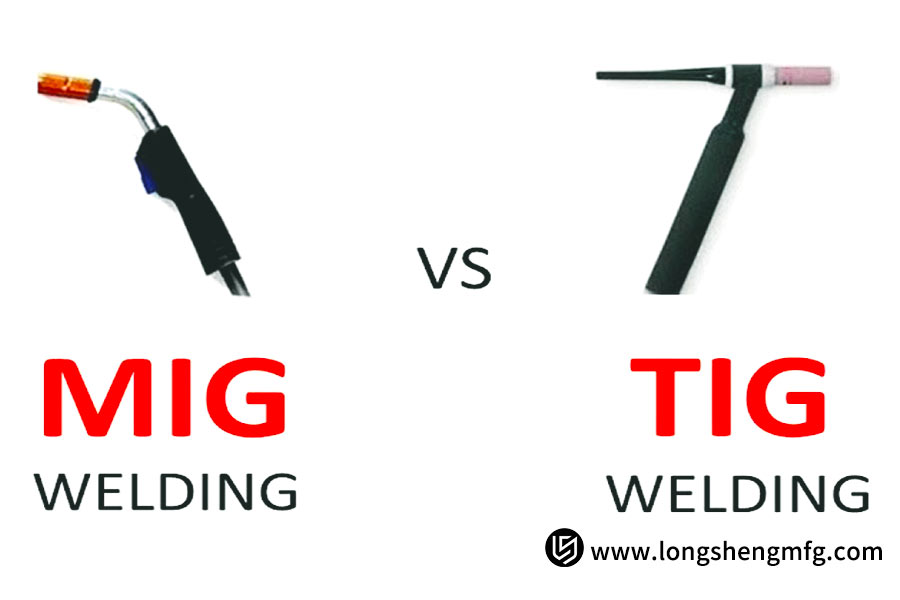
TIG welding needs a high level of control, which is reflected in its equipment. You’ll use a TIG torch with a non-consumable tungsten electrode, allowing precise heat control.
Other essentials include:
- A foot pedal or fingertip control to adjust the amperage while welding.
- An inert gas supply, usually argon, to shield the weld area from contamination.
- Filler rods, which you add manually to the weld puddle.
- Protective gear like a welding helmet with a clear view and gloves for delicate handling.
Using this equipment feels like painting with fire—you control every detail. Have you noticed how this precision affects your ability to weld thin or delicate materials?
Mig Welding Equipment
MIG welding uses a different set of tools designed for speed and ease of use. The core piece is a MIG gun that feeds a continuous wire electrode automatically.
Key components include:
- A wire feeder that pushes the wire through the gun.
- A shielding gas supply, often a mix of argon and CO2, to protect the weld.
- A power source that provides a constant voltage for steady welding.
- Less complex controls than TIG, often just a trigger on the gun.
This setup lets you focus on moving the gun smoothly rather than managing multiple controls. Have you tried how this simplicity speeds up welding on larger projects?
Materials And Metals
Choosing the right welding technique depends heavily on the materials and metals you plan to work with. Both TIG and MIG welding have their strengths, but they suit different types of metals and project requirements. Understanding which metals each method handles best can save you time, money, and frustration in your welding projects.
Suitable Metals For Tig
TIG welding shines when working with thin or delicate metals. It offers precise control and a clean finish, which is why it’s often preferred for metals that require a fine touch.
- Stainless Steel:TIG produces smooth, high-quality welds that resist corrosion, perfect for kitchen appliances or medical instruments.
- Aluminum:This metal requires careful heat control, and TIG allows you to weld it without warping or burning through.
- Copper and Brass:TIG’s precision helps manage these metals’ high thermal conductivity, preventing damage.
- Magnesium:You can weld magnesium effectively using TIG due to its low heat input and control.
If you’ve ever struggled with messy welds on thin sheet metal, TIG might be the answer. Its ability to deliver clean, strong joints is hard to beat when working with specialty metals.
Suitable Metals For Mig
MIG welding is more versatile for thicker and more common metals. It’s faster and easier to learn, making it a favorite for many fabrication and repair jobs.
- Carbon Steel:MIG works well on carbon steel, which is widely used in construction and automotive industries.
- Stainless Steel:Though TIG is preferred for fine work, MIG can handle stainless steel for heavier or less detailed projects.
- Aluminum:MIG can weld aluminum, especially thicker pieces, but requires specific equipment like a spool gun.
- Nickel Alloys:MIG is capable of welding these tougher metals, commonly used in aerospace and chemical plants.
Have you ever noticed how much faster you can complete a project with MIG? Its speed makes it practical for large-scale or thick metal work, but it might not give you the same finish quality as TIG.
Precision And Control
Precision and control are key factors in welding quality. They affect how clean and strong the weld will be. Both TIG and MIG welding offer different levels of precision and control. Understanding these differences helps choose the right method for each project.
Tig Welding Precision
TIG welding offers high precision. It uses a non-consumable tungsten electrode. This allows for fine control over the heat and the weld pool. Welders can create thin, clean welds on delicate metals.
Because the filler metal is added manually, welders control the amount and placement. This results in smooth, neat welds with minimal spatter. TIG welding is ideal for projects that require detailed work or thin materials.
Mig Welding Control
MIG welding provides easier control for beginners. It uses a continuous wire feed as filler metal. This allows for faster welding and less manual filler addition.
The weld pool is larger and hotter, which can reduce precision. Still, MIG welders can adjust wire speed and voltage to control the weld quality. This method suits thicker metals and larger jobs where speed matters more than fine detail.
Credit: www.longshengmfg.com
Speed And Efficiency
Speed and efficiency are key factors that influence your choice between TIG and MIG welding. Understanding how each method performs can help you select the right welding technique for your project, saving you time and effort. Let’s break down how TIG and MIG welding compare in these aspects.
Tig Welding Speed
TIG welding is known for its precision, but this often means it takes more time. You need to carefully control the torch and filler material, which slows the process down. If you’re working on thin metals or detailed joints, this slower pace pays off with cleaner, high-quality welds.
Think about a time you needed a flawless finish on a delicate project. TIG’s slower speed ensured no mistakes, avoiding costly rework. However, if speed is your priority, TIG might test your patience.
Mig Welding Efficiency
MIG welding stands out for its fast and continuous welding process. The automatic wire feed system means you can cover large areas quickly without frequent stops. This makes MIG highly efficient for projects requiring speed and volume.
Imagine you’re on a tight deadline to weld a steel frame. MIG’s efficiency lets you complete the task faster with consistent results. Plus, less downtime means you spend more time welding and less on setup or adjustments.
Which matters more to you: the precision of TIG or the speed and efficiency of MIG? Your choice shapes how you tackle your next welding project.
Cost Considerations
Cost plays a crucial role in choosing between TIG and MIG welding. Understanding the expenses involved helps in making a smart decision. Both methods require different equipment and materials, which affect the overall price. Labor and material costs vary based on the welding type and project needs.
Tig Welding Costs
TIG welding machines tend to be more expensive than MIG welders. The equipment requires high-quality components for precision work. Tungsten electrodes and shielding gases add to the ongoing costs. TIG welding needs skilled operators, increasing labor costs. Setup time is longer, which may raise project expenses.
- Higher initial equipment price
- Cost of tungsten electrodes
- Expense of argon or helium gas
- More skilled labor required
- Longer setup and welding time
Mig Welding Costs
MIG welding machines are usually more affordable. Wire feed and shielding gas costs are lower than TIG’s consumables. MIG welding allows faster work, reducing labor time and cost. This method suits large projects with simpler welds. Maintenance and operating costs tend to be less than TIG welding.
- Lower equipment cost
- Affordable welding wire
- Use of cheaper shielding gases like CO2
- Faster welding reduces labor expenses
- Less complex setup
Credit: www.longshengmfg.com
Skill Level And Training
Skill level and training differ notably between TIG and MIG welding. Each method demands a unique set of abilities and learning time. Understanding these differences helps beginners choose the right welding style.
Learning Curve For Tig
TIG welding requires steady hands and good coordination. Beginners spend time mastering the torch and filler rod together. The process demands focus on heat control and precise movements. It takes longer to become confident in TIG welding. Practice is key to avoid mistakes and weak welds.
Learning Curve For Mig
MIG welding is simpler to learn for beginners. The process uses a wire feed, reducing hand coordination needs. Welders focus mainly on guiding the gun smoothly. Training time is shorter compared to TIG welding. MIG welding suits projects needing faster production and less detail work.
Environmental Impact
Understanding the environmental impact of welding methods can help you make smarter choices for your projects and the planet. Both TIG and MIG welding use electricity and materials differently, which affects their carbon footprint and waste production. Let’s look closely at how each process influences the environment.
Tig Welding Impact
TIG welding is known for its precision, which means less material waste during the process. Since it uses a non-consumable tungsten electrode, you don’t constantly replace the welding tip, reducing waste from worn-out parts.
This method typically requires less filler material, which cuts down on raw material consumption. However, TIG welding often takes longer to complete a joint, leading to higher electricity use per weld.
Have you ever considered how your choice of shielding gas affects the environment? TIG welding commonly uses argon, a noble gas that is inert but energy-intensive to produce. This factor adds to its indirect environmental impact.
Mig Welding Impact
MIG welding uses a continuously fed consumable wire, which means more material is consumed and discarded as spatter or slag. This can lead to increased waste compared to TIG welding.
On the bright side, MIG welding is faster, which means less electricity consumed per weld. This efficiency can lower the overall carbon footprint if you’re working on large projects.
However, MIG welding often uses a mix of argon and carbon dioxide for shielding, with CO2 being a greenhouse gas. This contributes directly to emissions during the welding process.
Thinking about your next welding project, which environmental factors matter most to you: energy use, material waste, or gas emissions? Your answer can guide you toward a more eco-friendly welding choice.
Credit: www.longshengmfg.com
Frequently Asked Questions
What Are The Main Differences Between Tig And Mig Welding?
TIG welding uses a non-consumable tungsten electrode and produces precise, clean welds. MIG welding uses a consumable wire electrode and is faster, ideal for thicker materials. TIG is best for delicate tasks, while MIG suits heavy-duty projects.
Which Welding Method Is Better For Beginners?
MIG welding is easier for beginners due to its automatic wire feeding and faster process. TIG welding requires more skill and control but offers higher precision. Beginners often start with MIG before advancing to TIG welding.
Can Tig And Mig Weld The Same Metals?
Both TIG and MIG can weld various metals like steel, aluminum, and stainless steel. TIG excels in thin materials and exotic metals, while MIG handles thicker metals efficiently. Choosing depends on metal type, thickness, and project needs.
How Do Tig And Mig Welding Differ In Speed?
MIG welding is generally faster because of continuous wire feed and less setup time. TIG welding is slower, requiring manual filler rod addition and precise control. Speed choice depends on weld quality and project complexity.
Conclusion
TIG and MIG welding serve different purposes in metalwork. TIG offers precise control for thin metals and detailed jobs. MIG welding works faster and suits thicker metals and large projects. Choosing the right method depends on the material and task.
Both have unique strengths and weaknesses. Understanding these helps you pick the best welding style. Welding becomes easier with the right knowledge. Keep practicing to improve your skills and results.
About The Author

