
Are you wondering if you really need gas for TIG welding? If you’ve ever picked up a TIG welder or thought about trying it, this question might have crossed your mind.
Understanding the role of gas in TIG welding isn’t just a technical detail—it can change how you weld, the quality of your work, and even your safety. By the end of this article, you’ll know exactly why gas is important, when you can skip it, and how to make the most of your welding setup.
Keep reading to get clear answers that will improve your welding skills right now.
Basics Of Tig Welding
TIG welding is a precise welding method used in many industries. It creates strong, clean welds on metals like steel, aluminum, and stainless steel. Understanding the basics helps beginners and hobbyists start welding safely and effectively.
This section breaks down what TIG welding is and the key parts of the setup needed for this process.
What Is Tig Welding?
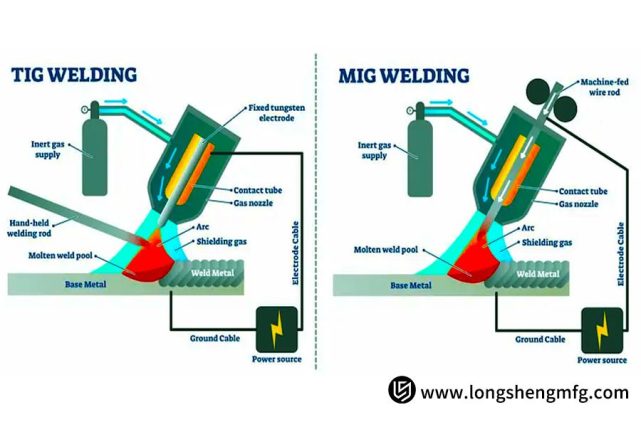
TIG stands for Tungsten Inert Gas welding. It uses a non-consumable tungsten electrode to produce the weld. The heat melts the metal, while an inert gas shields the weld from contamination. This method allows for detailed control of the weld bead.
TIG welding works well on thin materials. It is often chosen for projects needing clean and precise welds. The process requires steady hands and patience.
Components Of Tig Welding Setup
A TIG welding setup has several essential parts:
- Tungsten Electrode:Creates the arc and focuses heat on the metal.
- Welding Torch:Holds the electrode and directs gas flow.
- Inert Gas Supply:Usually argon or helium, protects the weld area from air.
- Power Source:Provides the electrical current for the arc.
- Filler Rod:Optional; adds extra metal to the weld joint.
Each part plays a vital role in producing a strong, clean weld. Proper setup ensures better control and quality results.

Credit: www.tifacparts.com
Role Of Gas In Tig Welding
Gas plays a crucial role in TIG welding, directly affecting the quality and strength of your welds. Without the right gas, your welding process can face contamination, weak joints, or even equipment damage. Understanding how gas works in TIG welding will help you make better choices and improve your results.
Purpose Of Shielding Gas
The main job of shielding gas is to protect the weld area from oxygen, nitrogen, and other harmful gases in the air. These gases can cause oxidation and porosity, which weaken the weld. Shielding gas also stabilizes the arc, making it easier to control.
Think about welding aluminum versus steel; different metals react differently to air exposure. Without proper shielding, your weld might look good but could have hidden defects. Have you ever seen a weld that looked fine but failed later? That’s often due to poor shielding.
Common Gases Used
The most common shielding gas for TIG welding is pure argon. Argon is inert, meaning it doesn’t react with the metal or the arc. It creates a clean, stable environment for welding most metals.
Sometimes, you’ll see mixtures like argon with a small amount of helium. Adding helium increases heat and penetration, which helps with thicker metals. For stainless steel, a mix of argon with a bit of hydrogen or nitrogen can improve weld appearance and strength.
- Argon:Ideal for welding steel, stainless steel, and aluminum.
- Helium:Used to increase heat and speed up welding.
- Hydrogen:Enhances weld quality on stainless steel but requires careful use.
- Nitrogen:Occasionally added for specific stainless steel applications.
Choosing the right gas depends on your material and the weld you want. What material are you working with, and how clean does your weld need to be? Your choice of gas can make all the difference.
Gas Selection Criteria
Choosing the right gas for TIG welding is crucial for achieving clean, strong welds. The gas you select impacts the weld quality, appearance, and how easy it is to control the arc. Understanding the criteria for gas selection helps you avoid common welding problems and improves your overall results.
Material Type Considerations
The kind of metal you’re welding plays a major role in gas choice. For instance, pure argon works great for welding aluminum and magnesium because it provides a stable arc and good shielding.
When welding stainless steel or carbon steel, adding a small amount of helium or hydrogen to argon can improve heat input and penetration. Are you welding thin sheet metal? Then pure argon might be your best bet to avoid burn-through.
Think about the metal’s thickness and composition before picking your gas. This can save you time and prevent costly mistakes during the weld.
Welding Conditions And Environment
Where you weld also affects which gas to use. Outdoor welding demands a gas mixture that shields the weld pool from wind and contaminants. Pure argon alone might not suffice in windy conditions.
In tight or confined spaces, you need a gas that provides good arc stability at lower flow rates. Helium blends can offer better heat control here, reducing weld defects.
Have you encountered porosity or oxidation in your welds? This often points to the wrong shielding gas or improper flow settings. Adjusting your gas choice based on the environment can make a big difference in weld quality.
Benefits Of Using Gas
Using gas in TIG welding offers clear benefits that can improve your welding results. It plays a vital role in ensuring cleaner, stronger, and more precise welds. If you want to boost the quality of your work and reduce mistakes, understanding these benefits is key.
Improved Weld Quality
Gas helps create a stable arc, which is essential for smooth and consistent welds. Without gas, the weld pool can become uneven, causing weak spots or cracks.
Shielding gases like argon cool the weld at a controlled rate, preventing warping or distortion. This is especially important when working with thin metals or intricate designs.
Have you noticed how some welds look shiny and clean, while others are rough? The right gas makes that difference, giving your welds a professional finish that lasts.
Protection Against Contaminants
During welding, the molten metal is vulnerable to contamination from oxygen, nitrogen, and hydrogen in the air. These contaminants can cause porosity, brittleness, or rust in your weld.
Using gas creates a protective shield around the weld area, keeping harmful elements out. This shield prevents oxidation and other chemical reactions that weaken the joint.
Think about how frustrating it is to redo a weld because it failed due to contamination. Gas protection reduces this risk and saves you time and materials.
Alternatives To Gas
Welding usually needs gas to protect the weld from air and contamination. Still, some options let you weld without gas. These alternatives can be helpful where gas is hard to get or use. They offer different ways to complete welding jobs but may not suit all tasks.
Gasless Welding Techniques
Some welding methods do not use external gas. One popular option is flux-cored arc welding (FCAW). It uses a special wire that creates gas when melted. This gas shields the weld area automatically.
Another method is stick welding or shielded metal arc welding (SMAW). It uses an electrode coated in flux. The flux produces gas to protect the weld during the process.
Both methods work well outdoors or windy places. They also need less equipment, making them easier to set up.
Limitations Of Gasless Methods
Gasless welding methods have some drawbacks. They may create more smoke and slag, which needs cleaning after welding. The welds might not be as smooth or strong as gas-shielded TIG welding.
These methods often suit thicker metals but struggle with thin or delicate materials. Precision and appearance can be lower compared to TIG with gas. This can affect the quality in fine or critical welds.
Gasless welding also may cause more spatter, which can be hard to remove. Equipment wear can be faster due to slag buildup. This means more maintenance and shorter tool life.

Credit: unimig.com.au
Cost Implications
Understanding the cost implications of using gas for TIG welding is crucial before you invest in equipment and supplies. Gas expenses can quickly add up and impact your project’s overall budget. Let’s break down the costs and discover how to manage them effectively.
Expense Of Different Gases
Not all gases cost the same. Argon, the most common gas used in TIG welding, tends to be pricier than alternatives like helium or nitrogen. However, the purity and quality of argon can affect the weld’s strength and appearance, making it worth the extra cost for many professionals.
Helium offers faster welding speeds but usually comes with a higher price tag. Nitrogen is cheaper but less commonly used and suitable only for specific metals. You should ask yourself: Is the premium on argon justified by the quality and speed you need?
| Gas Type | Average Cost per Cubic Foot | Common Use |
|---|---|---|
| Argon | $0.50 – $1.20 | General TIG welding |
| Helium | $1.00 – $2.50 | High-speed welding |
| Nitrogen | $0.30 – $0.60 | Specialized welding |
Cost-effective Practices
You can save money without compromising weld quality by adopting smart habits. Always check for leaks in your gas lines and fittings—small leaks can waste a surprising amount of gas.
Consider using gas-saving nozzles or flow meters to control the amount of gas used precisely. Do you measure your gas flow regularly, or is it possible you’re using more than necessary?
- Buy gas in bulk or larger cylinders to reduce per-unit cost.
- Recycle or capture unused gas when possible.
- Match your gas choice to the specific metal and job requirements.
These small changes can add up to significant savings over time, allowing you to invest more in your tools and materials.
Safety Considerations
Safety is a key part of TIG welding. Handling gases safely protects you and others. Knowing how to store and use gases reduces risks. Proper safety equipment also helps prevent accidents and injuries. Always follow safety rules when working with gases and welding tools.
Handling And Storage Of Gases
Store gas cylinders upright and secure them to prevent falling. Keep cylinders away from heat and direct sunlight. Avoid rolling or dragging cylinders on the floor. Use proper valves and regulators made for the gas type. Check for leaks regularly using soapy water or leak detectors. Never use oil or grease on oxygen fittings or cylinders.
Safety Equipment
- Wear flame-resistant gloves to protect your hands.
- Use a welding helmet with the correct shade lens.
- Wear safety glasses under the helmet for extra eye protection.
- Use protective clothing to cover all exposed skin.
- Ensure good ventilation in the welding area to avoid gas buildup.
- Keep a fire extinguisher nearby in case of emergencies.

Credit: www.adamsgas.co.uk
Frequently Asked Questions
Do You Need Gas For Tig Welding?
Yes, TIG welding requires shielding gas to protect the weld area. Argon is the most common gas used. It prevents oxidation and contamination, ensuring a clean and strong weld.
What Type Of Gas Is Used In Tig Welding?
Argon is the primary gas used for TIG welding. Sometimes, argon mixed with helium is used for better heat control. The gas shields the weld from air and impurities.
Can Tig Welding Be Done Without Gas?
No, TIG welding cannot be done without shielding gas. Gas protects the molten weld pool from atmospheric contamination. Without gas, the weld would be weak and full of defects.
Why Is Argon Preferred For Tig Welding?
Argon provides excellent shielding and is inert, meaning it doesn’t react with the weld. It produces a stable arc and clean welds, making it ideal for TIG welding.
Conclusion
TIG welding needs gas to protect the weld. Argon is the most common choice. It keeps the metal clean and strong. Without gas, the weld can get weak or full of holes. Gas flow also helps control the heat. Choosing the right gas improves your welding results.
Keep your equipment ready with the proper gas. This small step makes a big difference. Welding without gas is not recommended for TIG. Simple, clean, and strong welds depend on gas use.
About The Author

