
Are you wondering if a TIG welder needs gas to work properly? Whether you’re just starting out or looking to upgrade your welding skills, understanding the role of gas in TIG welding is crucial.
The answer might be simpler than you think, but it can make a big difference in your welding results. Keep reading to discover why gas matters, what types you might need, and how it affects the quality of your welds.
This knowledge could save you time, money, and frustration on your next project.
Credit: www.longshengmfg.com
Basics Of Tig Welding
TIG welding, also known as Tungsten Inert Gas welding, is a precise and clean welding method. It uses a non-consumable tungsten electrode to create the weld. Understanding the basics of TIG welding helps you decide if this technique fits your project needs.
Tig Welding Process
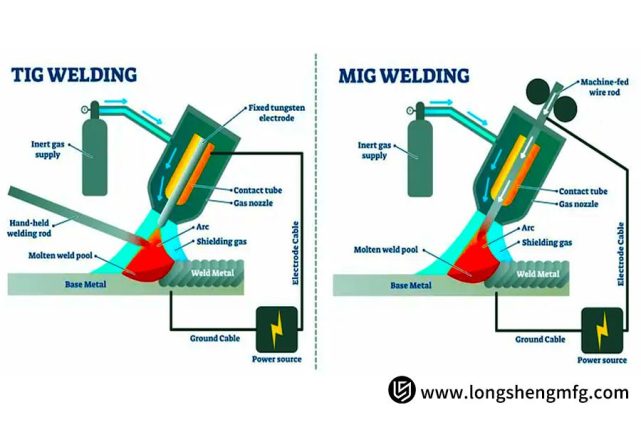
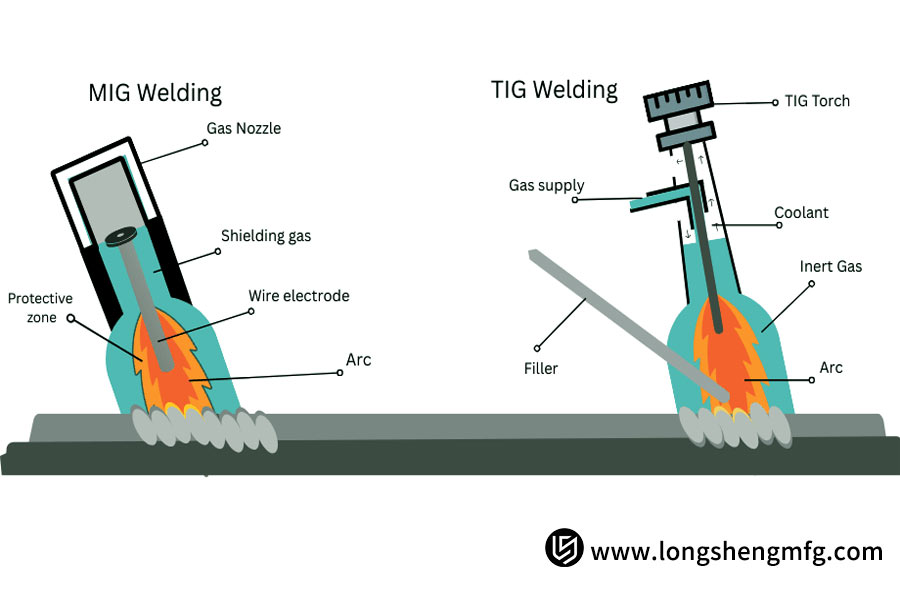
The TIG welding process involves creating an electric arc between a tungsten electrode and the metal pieces you want to join. This arc heats the metal, melting it to form a strong bond.
To protect the weld area from contamination, an inert gas—usually argon—is used to shield the molten metal from oxygen and other harmful gases in the air. This gas flow is crucial to prevent weld defects like porosity or oxidation.
Do you know that the precision of TIG welding makes it ideal for thin materials and detailed work? Unlike other welding methods, you can control the heat input precisely, which reduces the risk of warping your workpiece.
Equipment Used In Tig Welding
To get started with TIG welding, you need a few key pieces of equipment:
- TIG Welder Machine:Provides the necessary electrical power and controls the welding current.
- Tungsten Electrode:Non-consumable and creates the arc needed for welding.
- Inert Gas Supply:Typically argon, which protects the weld pool from contamination.
- Welding Torch:Holds the tungsten electrode and directs the shielding gas.
- Filler Rods:Optional, used to add extra material to the weld joint if needed.
Without the inert gas, the weld can become weak and brittle. Have you considered how skipping the gas might affect your weld quality?

Credit: www.tifacparts.com
Role Of Gas In Tig Welding
The role of gas in TIG welding is crucial for creating strong, clean, and precise welds. Without the proper gas, your welds could become contaminated by oxygen or nitrogen from the air, leading to weak joints or surface defects. Understanding how gas protects the weld and which types to use can significantly improve your welding results.
Importance Of Shielding Gas
Shielding gas acts as a protective barrier around the welding area. It prevents air from coming into contact with the molten metal, which can cause oxidation and porosity.
Think about the last time you welded without gas or with insufficient gas flow—did you notice discoloration or brittle welds? That’s the metal reacting with the atmosphere, weakening the weld’s integrity.
Using the right shielding gas ensures the weld stays clean and strong, giving you better control over the arc and the final appearance of your work.
Types Of Gases Used
Not all gases are equal in TIG welding. The most common shielding gases are:
- Argon:The most popular choice, argon is inert and provides excellent arc stability and weld appearance.
- Helium:Often mixed with argon to increase heat input, helium helps weld thicker materials faster.
- Argon-Helium Mixes:Combines the benefits of both gases, offering better heat and penetration for specific metals.
Choosing the right gas depends on the metal you’re welding and the thickness of the material. Have you considered how changing your gas mix might improve your weld speed or reduce defects?
Common Shielding Gases
Shielding gases are essential in TIG welding to protect the weld area from atmospheric contamination. Without the right gas, your welds can become weak or full of defects like porosity and oxidation. Choosing the correct shielding gas can make a huge difference in weld quality, arc stability, and overall results.
Argon As A Preferred Choice
Argon is the most commonly used shielding gas for TIG welding. It provides excellent arc stability and a smooth, clean weld appearance. If you want reliable performance on a wide range of metals, argon often delivers.
One time, I switched from pure argon to a gas mix and noticed a distinct change in the weld bead shape and penetration. Pure argon gave me precise control, especially on thin materials like stainless steel and aluminum. It’s also widely available and cost-effective.
Uses Of Helium In Welding
Helium is less common but valuable when you need deeper weld penetration and faster welding speeds. It creates a hotter arc, which can be useful for thicker materials or metals with high thermal conductivity.
If you’re welding thick aluminum parts, helium can boost heat input without increasing current. However, helium is more expensive and can make the arc harder to control, so it’s best for specific jobs rather than everyday welding.
Mixes And Their Benefits
Many welders use mixes of argon and helium to get the best of both worlds. These blends improve heat, arc stability, and weld bead appearance. For example, a common mix is 75% argon and 25% helium, balancing control and penetration.
Some mixes include small amounts of hydrogen to increase welding speed and improve bead wetting on stainless steel. However, hydrogen must be used carefully as it can cause weld defects if not controlled properly.
Have you tried different gases or mixes in your TIG welding projects? The right gas can save you time and improve your weld quality significantly.
Effects Of Not Using Gas
Choosing to weld without gas in TIG welding has noticeable consequences. Gas plays a crucial role in shielding the weld area from contaminants. Without it, you’re likely to face several issues that can affect your project’s success.
Impact On Weld Quality
Not using gas means the weld pool is exposed to air. This exposure allows oxygen and nitrogen to mix with the molten metal, which can cause oxidation and porosity.
Porosity creates tiny holes in the weld, weakening its strength. You might notice discoloration or a rough surface, which are signs of poor weld quality.
Have you ever tried welding without gas and ended up with brittle or cracked joints? These defects often happen because the protective gas isn’t there to keep the weld clean and strong.
Potential Safety Hazards
Welding without gas can also increase safety risks. The reaction between hot metal and air might produce toxic fumes or sparks, putting you at risk.
Without the shielding gas, the metal can burn more easily, increasing the chance of flare-ups. This can cause burns or fires in your workspace.
Are you prepared to handle unexpected sparks or fumes that come from skipping the gas? Proper ventilation and protective gear become even more critical if you choose to weld gasless.
Cost Implications Of Gas Usage
Using shielding gas is a key part of TIG welding. It protects the weld from air and contamination. This need affects the overall cost of welding projects. Understanding gas costs helps manage your budget better.
Gas prices vary by type and supplier. You buy gas in cylinders, which need refilling or replacement. This adds to ongoing expenses. Also, you need equipment like regulators and hoses to use the gas safely. These add initial costs.
Budgeting For Shielding Gas
Plan for regular gas purchases. Calculate how much gas you will need per project. This depends on the size and duration of your welds. Gas consumption rates vary, but average around 15-20 cubic feet per hour.
Consider the cost of gas refills or new cylinders. Prices often range from $30 to $100 or more per cylinder. Factor in delivery or pickup fees if applicable. Also, keep in mind the cost of proper storage and safety equipment.
Track your gas use carefully. Avoid wasting gas by shutting off the flow when not welding. This simple step saves money over time. Small savings add up with repeated use.
Cost-effective Alternatives
Some welders use argon or argon blends as shielding gas. These can be expensive. Look for suppliers offering bulk discounts or rental options.
Another option is to rent gas cylinders instead of buying. Rental fees may be cheaper for occasional use. This reduces upfront costs.
Consider using mixed gases that balance cost and performance. Mixtures with helium or carbon dioxide can be less costly than pure argon.
For hobbyists or small projects, some TIG welders use air or gasless methods. These are not common and may affect weld quality. Always weigh the cost savings against results.
Credit: medium.com
Environmental Considerations
Environmental considerations play a crucial role in deciding whether a TIG welder needs gas and what type of gas to use. Welding processes impact the environment in ways you might not immediately think about, from the production of shielding gases to their release during welding. Understanding these factors helps you make choices that reduce your carbon footprint while maintaining weld quality.
Eco-friendly Gas Choices
Choosing the right gas can significantly affect your environmental impact. Argon is the most common shielding gas for TIG welding, but it requires energy-intensive extraction from the air. Have you considered using recycled or locally sourced argon? Some suppliers now offer eco-friendly options that reduce transportation emissions.
Helium, another option, has a larger carbon footprint due to its scarcity and extraction process. Instead, blends with lower helium content or alternative inert gases can cut down environmental harm without sacrificing weld quality. You can also explore hydrogen mixtures for specific metals, but be aware of their safety and environmental implications.
Minimizing Gas Wastage
Gas wastage not only increases your costs but also negatively impacts the environment. Small leaks or improper gas flow settings can lead to unnecessary gas loss. Check your equipment regularly for leaks and adjust flow rates to the minimum required for effective shielding.
Using a gas saver nozzle or flow restrictor helps control gas usage efficiently. Have you tried timing your gas flow with welding activity? Turning off gas flow during pauses can save a surprising amount of gas. These simple habits can make your welding process greener and more cost-effective.
Expert Tips For Tig Welding With Gas
Using gas in TIG welding improves the weld quality and protects the metal. Gas shields the weld area from air contamination. Controlling the gas flow is key to smooth, clean welds. Safety should never be overlooked during the welding process. These expert tips help you use gas effectively and weld safely.
Optimizing Gas Flow Rates
Set the gas flow rate between 15 and 20 cubic feet per hour (CFH). Too little gas lets air enter and causes weld defects. Too much gas wastes supply and creates turbulence. Use a flowmeter to measure the flow accurately. Adjust the flow depending on the welding environment. Outdoors may need higher flow to block wind. Check hoses and connections for leaks regularly.
Ensuring Safety In Welding
Wear proper protective gear like gloves, helmets, and aprons. Ensure good ventilation to avoid harmful gas build-up. Keep flammable materials away from the welding area. Use a gas detector if working in enclosed spaces. Turn off the gas supply when not welding. Inspect equipment for damage before starting work. Follow all manufacturer guidelines and local safety rules.
Frequently Asked Questions
Does A Tig Welder Require Gas To Operate?
Yes, TIG welding typically requires an inert gas like argon. The gas shields the weld from contaminants, ensuring clean, strong joints.
What Type Of Gas Is Used In Tig Welding?
Argon is the most common gas used in TIG welding. Sometimes, a mix of argon and helium is used for better heat control.
Can Tig Welding Be Done Without Gas?
TIG welding without gas is not recommended. The gas protects the weld area from oxidation and contamination, essential for quality results.
Why Is Gas Important In Tig Welding?
Gas prevents oxidation and contamination during welding. It stabilizes the arc and improves weld appearance and strength.
Conclusion
TIG welding usually needs gas to protect the weld area. Gas stops dirt and air from ruining the weld. Without gas, the weld may be weak or full of holes. Some special TIG welders can work without gas, but they are rare.
Choosing the right gas helps make strong, clean welds. Gas also controls the heat and shape of the weld. Knowing why gas is important helps you weld better. So, gas plays a key role in TIG welding success.
About The Author

