
Are you curious about stick welding and whether it needs gas to work? If you’ve ever wondered how this popular welding method actually functions, you’re in the right place.
Understanding if stick welding requires gas can save you time, money, and frustration. Keep reading to discover the truth behind this common question and learn how it can impact your welding projects. Your next weld might depend on it!
Basics Of Stick Welding
Stick welding, also known as Shielded Metal Arc Welding (SMAW), is one of the oldest and most versatile welding methods. It uses a consumable electrode coated in flux to join metals. Understanding the basics of stick welding helps you decide if it fits your project needs, especially when considering whether it requires gas.
How Stick Welding Works
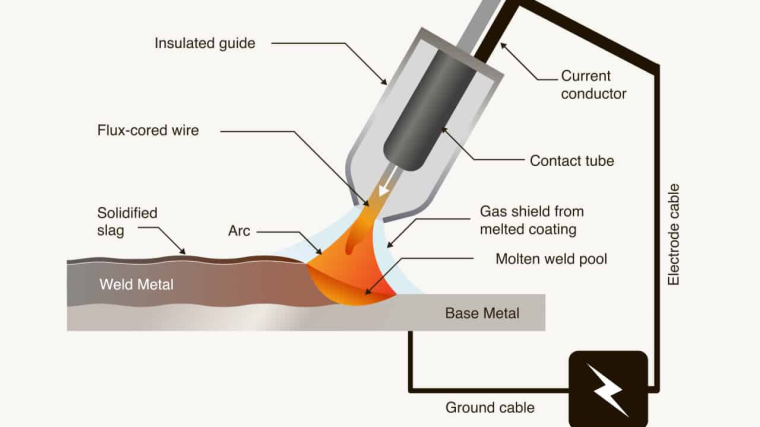
Stick welding creates an electric arc between the electrode and the metal workpiece. This arc melts the electrode’s core and the base metal, forming a molten weld pool. The flux coating on the electrode burns and produces a shielding gas that protects the weld from contamination.
Unlike other welding methods that need an external gas supply, stick welding generates its own protective gas. This means you don’t have to connect a gas cylinder, making it easier to use outdoors or in windy conditions. Have you ever struggled with gas tanks during a project? Stick welding might save you that hassle.
Types Of Electrodes Used
Electrodes come in various types, each designed for specific metals and welding positions. The most common electrodes include:
- 6010:Deep penetration, good for dirty or rusty metals.
- 6011:Similar to 6010 but can be used with AC or DC power.
- 6013:Provides a smooth weld with less spatter, ideal for thin metals.
- 7018:Produces strong, crack-resistant welds, great for structural steel.
Choosing the right electrode affects the quality and strength of your weld. It also influences whether you need a particular power source or technique. Have you tested different electrodes to see which works best for your projects?
Role Of Gas In Welding
Gas plays a crucial role in many welding processes. It protects the molten metal from harmful elements in the air. Without this protection, the weld can weaken or become brittle. The right gas creates a clean, strong weld. It also helps control the heat and shape of the weld pool.
Different welding methods use gas differently. Some need constant gas flow, while others do not require gas at all. Understanding how gas works helps welders choose the best process for their project.
Shielding Gas Explained
Shielding gas forms a shield around the weld. It keeps oxygen, nitrogen, and moisture away. These elements cause rust and weld defects. Common shielding gases include argon, carbon dioxide, and helium.
Shielding gas also stabilizes the arc. This creates a smoother welding process. The right gas improves weld quality and appearance. It reduces spatter and makes cleanup easier.
Gas Usage In Different Welding Methods
Gas use varies by welding type:
- MIG Welding:Uses shielding gas continuously. This protects the weld pool and helps feed the wire.
- TIG Welding:Requires high-purity gas to protect the weld and the tungsten electrode.
- Stick Welding:Does not need external gas. The electrode coating produces gas when burned, shielding the weld.
Choosing the right gas depends on the metal and welding method. Proper gas use ensures strong, clean welds every time.
Gas Requirements In Stick Welding
Stick welding does not need an external gas supply. The electrode’s coating creates gas to protect the weld. This makes stick welding easy to use outdoors or in windy places.
Gas Requirements in Stick Welding Stick welding is a common technique in metal fabrication. Unlike other methods, it doesn’t need external gas. This makes it more versatile and accessible. Understanding why it doesn’t require gas is crucial.Why Stick Welding Does Not Need External Gas
Stick welding uses electrodes coated in flux. The flux protects the weld pool. It creates a gas shield during welding. This eliminates the need for external gas. The process is simple and effective. It’s ideal for outdoor work where wind can be a factor.How Electrodes Provide Shielding
Electrodes are vital in stick welding. They contain flux that melts during welding. This melting releases gases that shield the weld. It prevents contamination from the air. The result is a cleaner, stronger weld. Electrodes come in various types for different metals. The choice depends on the material being welded.
Credit: www.facebook.com
Advantages Of Gas-free Stick Welding
Gas-free stick welding offers several advantages that make it a popular choice for many welders. Without the need for external gas, this method simplifies the welding process and opens up more opportunities for work in various environments. Understanding these benefits can help you decide if gas-free stick welding fits your needs.
Portability And Convenience
One major benefit of gas-free stick welding is its portability. You don’t need to carry bulky gas tanks or worry about gas leaks, which makes it easier to move around job sites or work in tight spaces.
I once worked on a remote construction site where carrying gas cylinders was nearly impossible. Stick welding without gas made the task manageable and efficient, saving time and effort.
This convenience means you can start welding almost anywhere, even outdoors or in windy conditions where gas shielding would be disrupted. Wouldn’t you agree that being able to weld without extra equipment adds a lot of flexibility?
Cost-effectiveness
Eliminating the need for shielding gas cuts down on expenses significantly. You save money not only on gas but also on related equipment like regulators and hoses.
Plus, without gas, maintenance costs drop because there’s less equipment to repair or replace. This can make a big difference for hobbyists or small businesses watching their budget.
Think about the money you could save on supplies and still get solid, reliable welds. Could this be the practical choice you’ve been looking for to keep costs low without sacrificing quality?
Situations Where Gas Might Be Used
Stick welding usually does not require gas. The flux coating on the electrode shields the weld pool from air. Still, some situations call for gas use to improve results or meet specific needs.
Specialized Applications
Certain jobs demand extra protection or control. For example, welding exotic metals like stainless steel or aluminum may benefit from gas shielding. Gas helps prevent contamination and oxidation in these cases.
Industrial settings with strict quality rules might also require gas. It ensures consistent welds for safety and durability. Sometimes, a mix of shielding gases is used to match the material and welding conditions.
Improving Weld Quality
Gas can improve the appearance and strength of welds. It reduces spatter and creates smoother beads. This leads to less cleaning and grinding after welding.
Using gas also helps control the weld pool better. It cools the weld and reduces defects like porosity and cracking. For critical projects, this results in stronger, longer-lasting joints.
Common Challenges Without Gas
Stick welding often operates without external gas, but this brings unique challenges. The process relies on the flux coating of the electrode to shield the weld. This shielding is less stable than gas, which can cause issues during welding. Understanding these challenges helps improve welding quality and results.
Porosity And Contamination Risks
Without gas, welds face a higher risk of porosity. Porosity means tiny holes inside the weld metal. These holes weaken the weld and can cause failure. Contamination from dirt, rust, or moisture on the metal or electrode also raises this risk. The flux coating tries to protect the weld but can fail if conditions are poor.
Porosity and contamination reduce weld strength and appearance. Welders must keep surfaces clean and dry. Proper storage of electrodes is vital to avoid moisture absorption. Welding in windy or damp environments increases these risks and should be avoided.
Tips To Avoid Welding Defects
- Clean the metal thoroughly before welding.
- Keep electrodes dry by storing them in sealed containers.
- Strike the arc correctly to ensure stable shielding from the flux.
- Maintain a steady travel speed to avoid slag inclusion.
- Use the right electrode type for the metal and position.
- Avoid welding in windy conditions to prevent flux disruption.
- Check for cracks or porosity after welding and grind if needed.
Comparing Stick Welding With Gas Shielded Methods
Understanding whether stick welding requires gas involves comparing it to gas-shielded welding methods like MIG and TIG. These methods use shielding gas to protect the weld pool from contamination, which changes how the welding process is set up and executed. Let’s examine how stick welding stands against these gas-dependent techniques to help you decide which fits your needs better.
Mig Welding Overview
MIG (Metal Inert Gas) welding uses a continuous wire feed as an electrode and a shielding gas to protect the weld from air contamination. The gas, often argon or a mix of argon and carbon dioxide, creates a clean environment around the weld. This method is popular for its speed and ease, especially on thin to medium thickness metals.
If you’ve worked with MIG welding, you know the importance of maintaining a steady gas flow. Without it, the weld can become porous and weak. You might ask yourself: how crucial is gas shielding for the quality of my welds?
Tig Welding Overview
TIG (Tungsten Inert Gas) welding also uses an inert gas, typically pure argon, to shield the weld area. Unlike MIG, TIG uses a non-consumable tungsten electrode and often requires a filler rod added manually. This method gives precise control, making it ideal for thin metals and intricate welds.
When I first tried TIG welding, the gas shielding felt like an extra hassle, but the clean, strong welds convinced me it’s worth the effort. Have you considered how much control you need over your welds? TIG might be the answer if precision is key.
Pros And Cons
| Welding Method | Requires Gas? | Advantages | Disadvantages |
|---|---|---|---|
| Stick Welding | No |
|
|
| MIG Welding | Yes |
|
|
| TIG Welding | Yes |
|
|
Given this comparison, ask yourself: do you prioritize portability and simplicity, or are you focused on precision and weld cleanliness? Your answers will guide you toward the right welding method and whether you need gas shielding for your projects.

Credit: www.arccaptain.com

Credit: www.youtube.com
Frequently Asked Questions
Does Stick Welding Need Shielding Gas?
No, stick welding does not require external shielding gas. The flux coating on the electrode produces gas to protect the weld pool from contamination.
What Role Does Flux Play In Stick Welding?
Flux on the electrode melts during welding, creating a protective gas shield. It prevents oxidation and stabilizes the arc for better weld quality.
Can Stick Welding Be Done Outdoors Without Gas?
Yes, stick welding is ideal for outdoor use since it doesn’t need external gas. The flux coating ensures the weld is protected from wind and contaminants.
Is Stick Welding Less Complex Without Gas Tanks?
Stick welding is simpler because it eliminates the need for gas tanks and regulators. This makes it more portable and easier to set up compared to gas-shielded methods.
Conclusion
Stick welding does not need gas to work properly. The electrode coating creates a protective shield during welding. This makes stick welding good for outdoor and windy jobs. It also works well on rusty or dirty metals. Gas welding, like MIG, needs extra gas to protect the weld.
So, stick welding stays simple and flexible without gas tanks. Beginners and pros both find stick welding useful. It saves time and equipment costs. Remember, choosing the right welding method depends on your project needs. Stick welding offers a strong, reliable option without gas.
About The Author

