
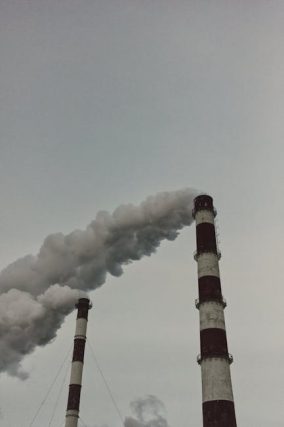
The EPA’s greenhouse gas regulation proposal aims to address climate change by reducing emissions. This effort focuses on various sectors including power plants and transportation.
Understanding these regulations is crucial for both industries and the public. The proposal outlines mandatory reporting requirements and revisions for greenhouse gas emissions. It affects power plants, mobile sources like cars and trucks, and petroleum and natural gas systems. The EPA aims to ensure accurate monitoring and reporting to help mitigate environmental impacts.
These measures, while complex, are essential for tracking emissions and implementing effective reduction strategies. Awareness and compliance are key for businesses to adapt to these changes. This proposal is part of a broader effort to combat climate change and protect the environment for future generations.
Epa Regulation Of Greenhouse Gases: Congressional Responses And Options

The ideal customer for “EPA Regulation of Greenhouse Gases: Congressional Responses and Options” is policy makers, environmental researchers, and students studying environmental law or public policy. This document provides a comprehensive overview of the Congressional responses to the EPA’s regulation of greenhouse gases, making it essential for those involved in shaping or understanding environmental policy.
Pros:
- Comprehensive analysis of Congressional responses to EPA regulations.
- Written by the Congressional Research Service, ensuring reliable and authoritative information.
- Concise format with 23 pages, making it easy to digest.
Cons:
- Publication date of 2010 may mean some information is outdated.
- Technical language may not be suitable for a general audience.
The document highlights the EPA’s authority under existing laws to regulate greenhouse gases and the Congressional debates surrounding this issue. With its 23 pages, it provides a concise yet detailed examination of the policy options considered by Congress. This is particularly beneficial for policy makers and students who need to understand the historical context of environmental regulations.
Additionally, the report’s authoritative nature, being published by the Congressional Research Service, ensures that the information is credible and well-researched. However, readers should consider the publication date when evaluating its relevance to current policy discussions. Despite this, the document remains a valuable resource for understanding the foundational aspects of EPA regulation and Congressional interaction.
Epa Regulation Of Greenhouse Gases: Considerations And Options

The ideal customer for the book titled EPA Regulation of Greenhouse Gases: Considerations and Options is someone deeply interested in environmental policy, climate change, and the regulatory mechanisms that govern greenhouse gases. Academics, researchers, policy makers, and students who are exploring the causes, effects, and predictions of climate change will find this book particularly valuable. Its comprehensive insights into EPA regulations provide a thorough understanding of options and considerations essential for informed decision-making in environmental governance.
Pros:
- Comprehensive coverage of EPA regulations related to greenhouse gases.
- In-depth analysis of climate change causes and effects.
- Detailed exploration of regulatory options and considerations.
- Published by Nova Science Publishers, known for their authoritative content.
- Suitable for academics, researchers, and policy makers.
Cons:
- Publication date may mean some information is outdated.
- Limited pages (135 pages) might not cover all aspects in detail.
- Technical content may be challenging for general readers.
The book’s 135 pages offer a comprehensive look at the EPA’s regulatory role in managing greenhouse gases, addressing both the scientific and policy dimensions of climate change. Readers will benefit from the detailed analysis of various regulatory options, helping them understand the implications of different strategies in combating climate change. The brand, Nova Science Publishers, ensures that readers are accessing well-researched and credible content.
By exploring the dimensions of environmental regulation through a well-structured narrative, the book provides valuable insights into how policy decisions can impact climate change outcomes. The discussion on causes, effects, and predictions of climate change is particularly beneficial for those involved in environmental research and policy formulation, offering a basis for informed decisions and future research directions.
Mandatory Reporting Of Greenhouse Gases (us Environmental Protection Agency Regulation) (epa) (2018 Edition)

The Mandatory Reporting of Greenhouse Gases regulation by the US Environmental Protection Agency is an essential resource for environmental professionals, policy makers, and organizations committed to sustainability. This comprehensive 2018 Edition is ideal for anyone responsible for tracking, managing, or analyzing greenhouse gas emissions. With 1189 pages of detailed regulatory information, it serves as a critical guide for ensuring compliance and advancing environmental stewardship.
Pros:
- Comprehensive Coverage of greenhouse gas reporting regulations.
- Up-to-date Information reflecting the latest standards and practices.
- Published by The Law Library, ensuring reliability and thoroughness.
Cons:
- Complexity may require significant time investment to understand fully.
- Large Volume can be overwhelming for newcomers to environmental policy.
The 2018 Edition of the Mandatory Reporting of Greenhouse Gases regulation offers detailed insights into the EPA’s requirements for emissions reporting. This document is crucial for businesses and institutions aiming to stay compliant with federal guidelines. Its extensive content covers various aspects of greenhouse gas emissions, allowing organizations to implement effective tracking and reporting systems, which can ultimately lead to reduced environmental impact and improved sustainability practices.
Furthermore, the regulation provides a framework for understanding the legal obligations associated with greenhouse gas emissions. By following these guidelines, organizations can mitigate potential legal risks and enhance their reputation as responsible environmental stewards. While navigating through its extensive pages might be challenging, the benefits of adherence to these regulations outweigh the initial effort, leading to a more sustainable operation in the long run.
Epa’s Proposed Greenhouse Gas Regulations For Existing Power Plants: Frequently Asked Questions

The ideal customer for “EPA’s Proposed Greenhouse Gas Regulations for Existing Power Plants: Frequently Asked Questions” is someone who is deeply interested in environmental policy, particularly greenhouse gas regulations. This item is perfect for policy makers, environmental advocates, students and researchers who need a concise and informative guide to understand the EPA’s proposed regulations. It is also suitable for those who want to keep abreast of current environmental issues and legislation affecting power plants.
Pros:
- Provides clear explanations of the EPA’s proposed regulations.
- Compact size and lightweight make it easy to carry.
- Concise content with only 28 pages, ideal for quick reading.
- Published by CreateSpace Independent Publishing Platform, ensuring quality and accuracy.
Cons:
- May not cover recent updates or changes in regulations since its publication date in 2014.
- Limited depth due to the short number of pages.
- Not suitable for readers looking for comprehensive details or in-depth analysis.
The features of this item include its compact dimensions, making it easy to handle and transport. With a height of 11 inches, width of 0.07 inches, length of 8.5 inches, and weight of just 0.21 pounds, it’s designed for ease of use. This is particularly beneficial for students and professionals who might need to carry it along to meetings, classrooms, or field visits. Its lightweight nature ensures it doesn’t add much bulk to your bag.
Another notable feature is its publication date of 2014, which provides a snapshot of the regulatory environment at that time. While the concise format of 28 pages may limit the depth of coverage, it serves as a quick reference guide for those seeking an overview of the EPA’s proposed regulations. The brand CREATESPACE and manufacturer CreateSpace Independent Publishing Platform are trusted names in the field, ensuring that the content is reliable and well-structured. This makes it particularly useful for policy makers and environmental advocates who need to quickly grasp the essence of the regulations without wading through overly technical jargon.
Cars, Trucks, And Climate: Epa Regulation Of Greenhouse Gases From Mobile Sources

The ideal customer for “Cars, Trucks, and Climate: EPA Regulation of Greenhouse Gases from Mobile Sources” is anyone interested in understanding the complexities of environmental regulations, particularly those involved in environmental policy, automotive industry, or climate change advocacy. It is also a valuable resource for students and researchers focusing on governmental policies affecting greenhouse gas emissions from mobile sources.
Pros:
- Comprehensive analysis of EPA regulations.
- Insightful for policy makers and environmentalists.
- Detailed examination of mobile source emissions.
Cons:
- Highly specialized, may not appeal to general readers.
- Dense with information, requiring focused attention.
One of the key features of this publication is its thorough analysis of the EPA’s regulatory measures concerning greenhouse gases emitted from mobile sources. It provides a detailed examination of the policies, helping stakeholders understand the implications and challenges of compliance with these regulations. For those involved in policy-making, this document offers a valuable resource for crafting informed strategies to reduce emissions effectively.
Additionally, the report offers insightful perspectives into the impact of these regulations on the automotive industry. By exploring the balance between environmental responsibilities and industrial capabilities, it highlights the benefits of adopting cleaner technologies. This aspect is particularly beneficial for automotive manufacturers and industry analysts looking to align their practices with environmental goals while maintaining economic viability.
Mandatory Reporting Of Greenhouse Gases – Final Rule

The Mandatory Reporting of Greenhouse Gases – Final Rule is ideal for environmental policy makers, regulatory compliance officers, and corporate sustainability managers who need to understand the intricate details of EPA regulations. This item is essential for those responsible for ensuring that their organizations adhere to mandatory greenhouse gas reporting requirements, facilitating transparency and accountability in environmental practices.
Pros:
- Comprehensive overview of EPA regulations
- Detailed guidelines for greenhouse gas reporting
- Helps organizations maintain regulatory compliance
Cons:
- May be too detailed for individuals new to environmental policy
- Requires a thorough understanding of legal jargon
The Mandatory Reporting of Greenhouse Gases – Final Rule provides a thorough understanding of EPA’s regulatory framework, ensuring that organizations can effectively track and report their greenhouse gas emissions. With 82 pages of meticulously detailed content, readers are equipped with the necessary tools to navigate the complexities of environmental compliance. The publication date of 2018 ensures that the information is up-to-date and relevant to current practices.
By understanding the features outlined in this edition, users can benefit from enhanced sustainability strategies and improved environmental accountability. The Law Library, as the manufacturer, guarantees that this edition is both authoritative and reliable, making it an invaluable resource for those dedicated to advancing their organization’s environmental impact.
Mandatory Reporting Of Greenhouse Gases – Petroleum And Natural Gas Systems – Revisions To Best Available Monitoring Method Provisions – Final Rule

The Mandatory Reporting of Greenhouse Gases – Petroleum and Natural Gas Systems is an essential document for professionals in the energy sector, especially those involved in regulatory compliance and environmental management. This document is ideal for environmental consultants, compliance officers, and energy company executives who need to stay updated on the latest regulatory requirements and ensure that their operations align with environmental standards.
Pros:
- Provides detailed guidance on compliance with EPA regulations.
- Comprehensive information spanning 51 pages.
- Published by a reputable source, The Law Library.
- Up-to-date as of 2018, reflecting recent changes.
Cons:
- May be complex for those without a legal or technical background.
- Niche audience, not suitable for general public.
One of the standout features of this regulation is its thorough approach to monitoring methods. It provides a structured framework for companies to report their greenhouse gas emissions accurately. By adhering to these guidelines, companies can ensure their operations are transparent and meet the required environmental standards. This not only helps in avoiding penalties but also enhances a company’s reputation as a responsible entity.
The document also highlights the importance of staying current with regulatory changes. As the energy sector continues to evolve, having access to the latest information is crucial for maintaining compliance and fostering sustainable practices. The detailed revisions included in this publication ensure that users have a clear understanding of what is expected under the new rules, thus enabling them to implement necessary changes within their organizations effectively.
Greenhouse Gas Reporting – 2014 Revisions And Confidentiality Determinations For Petroleum And Natural Gas Systems
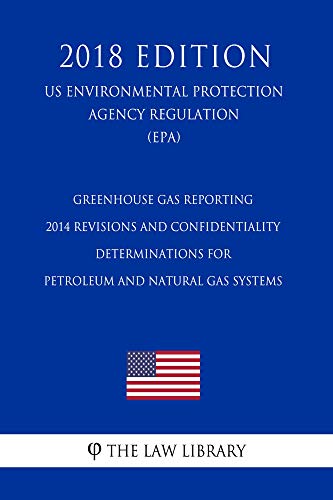
This regulation is ideal for environmental professionals, policy makers, and regulatory agencies who are engaged in the monitoring and reporting of greenhouse gas emissions from the petroleum and natural gas sectors. It serves as a critical resource for those looking to comply with the US Environmental Protection Agency standards and ensures that their operations align with the latest environmental guidelines.
Pros:
- Provides a comprehensive guide to the 2014 revisions in greenhouse gas reporting.
- Offers clarity on confidentiality determinations, crucial for maintaining compliance.
- Authored by The Law Library, ensuring accuracy and reliability.
Cons:
- The content may be too technical for readers without a background in environmental policy.
- The 298 pages might be overwhelming for those seeking a quick reference.
The Greenhouse Gas Reporting – 2014 Revisions and Confidentiality Determinations for Petroleum and Natural Gas Systems publication is a detailed manual that captures the essence of the EPA’s regulations. It elaborates on the specifics of the reporting process, ensuring that the petroleum and natural gas industries meet their environmental obligations effectively. By following these guidelines, organizations can better manage their carbon footprint and contribute positively to environmental sustainability.
One of the key features of this publication is its focus on confidentiality, which is paramount for companies wishing to protect their proprietary information while still adhering to federal regulations. This is particularly beneficial for companies concerned about competitive advantage and data privacy. Additionally, by aligning with the EPA’s standards, organizations can avoid potential penalties and enhance their reputation as environmentally conscious entities.
Greenhouse Gas Reporting – Leak Detection Methodology Revisions And Confidentiality Determinations For Petroleum And Natural Gas Systems

The Greenhouse Gas Reporting – Leak Detection Methodology Revisions and Confidentiality Determinations for Petroleum and Natural Gas Systems is an essential resource for environmental professionals and regulatory agencies focused on reducing greenhouse gas emissions from petroleum and natural gas systems. If you are responsible for compliance with EPA regulations or involved in environmental policy-making, this publication will provide valuable insights into the methodology revisions and confidentiality determinations that are crucial for effective leak detection and reporting.
Pros:
- Comprehensive coverage of EPA regulations related to greenhouse gas reporting.
- Detailed explanations of leak detection methodologies and confidentiality determinations.
- Published by The Law Library, ensuring reliable and authoritative information.
Cons:
- Technical language may be challenging for readers without a background in environmental science or law.
- Focuses primarily on US regulations, which may limit its applicability for international professionals.
The Greenhouse Gas Reporting – Leak Detection Methodology Revisions and Confidentiality Determinations provides an in-depth analysis of the EPA’s regulatory framework for petroleum and natural gas systems. By understanding the methodologies outlined, users can implement effective leak detection strategies, ensuring compliance with environmental standards and minimizing emissions. The publication’s focus on confidentiality determinations also helps organizations protect sensitive information while maintaining transparency in reporting processes.
With 116 pages of detailed content, this publication equips environmental professionals with the knowledge needed to navigate complex EPA regulations. The 2018 edition reflects the latest updates, providing current insights into the evolving landscape of greenhouse gas reporting. Whether you are part of a regulatory agency, policy-making body, or an environmental consultancy, this resource is indispensable for ensuring that petroleum and natural gas systems adhere to the latest environmental protection standards.
Final Confidentiality Determinations For Regulations Under The Mandatory Reporting Of Greenhouse Gases Rule (us Environmental Protection Agency Regulation) (epa) (2018 Edition)

The Final Confidentiality Determinations for Regulations Under the Mandatory Reporting of Greenhouse Gases Rule is an essential resource for environmental policy makers, legal professionals, and regulatory compliance officers. This publication is ideal for those who need comprehensive information on the EPA’s regulatory framework regarding the confidentiality of greenhouse gas data. Anyone involved in environmental compliance or working within organizations that must adhere to these regulations will find this document invaluable.
Pros:
- Detailed insights into EPA’s confidentiality determinations.
- Essential for compliance with greenhouse gas reporting regulations.
- Authored by The Law Library, ensuring accurate and authoritative content.
Cons:
- Niche audience, primarily useful for professionals in environmental law and policy.
- May be complex for those without a legal or regulatory background.
The Final Confidentiality Determinations document provides a thorough overview of the EPA’s procedures and criteria used to determine which greenhouse gas data can be kept confidential. This is crucial for ensuring that sensitive information is protected while maintaining transparency in environmental reporting. The 82-page document, published by The Law Library, serves as a detailed guide for understanding these complex regulations.
One of the key features of this publication is its comprehensive explanation of the legal framework governing data confidentiality. For professionals in the field, this means having access to a reliable source of information that can aid in making informed decisions regarding data management and reporting. Additionally, the document’s publication by a reputable institution like The Law Library underscores its credibility and reliability as a resource.
Frequently Asked Questions
What Is The Epa’s Greenhouse Gas Regulation Proposal?
The EPA’s proposal aims to limit greenhouse gas emissions from power plants and other sources. It includes setting state-specific goals for reducing emissions, promoting cleaner energy solutions, and encouraging innovations in technology. This proposal is part of the broader effort to combat climate change and improve air quality.
How Do Epa Regulations Affect Power Plants?
EPA regulations require power plants to reduce their greenhouse gas emissions. This involves using cleaner energy sources and implementing advanced technologies. The goal is to minimize environmental impact while maintaining energy production. Compliance with these regulations helps in reducing overall carbon emissions and supports sustainability efforts.
What Are The Reporting Requirements For Greenhouse Gases?
The EPA mandates that certain facilities report their greenhouse gas emissions. This includes detailed data on emissions sources and quantities. The information helps in tracking progress towards emission reduction goals. Accurate reporting ensures transparency and informs policy decisions to address climate change effectively.
How Are Greenhouse Gas Emissions From Vehicles Regulated?
The EPA regulates vehicle emissions through standards that limit pollutants. These standards apply to cars, trucks, and other mobile sources. The aim is to reduce harmful emissions and improve air quality. Manufacturers must comply with these standards by producing cleaner vehicles and adopting new technologies.
Why Is Mandatory Greenhouse Gas Reporting Important?
Mandatory reporting provides critical data for understanding greenhouse gas emissions. It helps identify major emission sources and tracks progress towards reduction targets. This data supports informed policy-making and ensures accountability. Accurate reporting is essential for effective climate change mitigation strategies.
What Is The Role Of Leak Detection In Gas Systems?
Leak detection in gas systems is crucial for minimizing emissions. The EPA sets guidelines for monitoring and repairing leaks. This process reduces methane emissions and enhances safety. Efficient leak detection helps in achieving compliance with emission standards and contributes to environmental protection efforts.
Conclusion
The epa’s proposal on greenhouse gas regulation is a critical step toward addressing climate change. It outlines various regulations and reporting requirements. These include mandatory reporting, revisions to monitoring methods, and confidentiality determinations. By focusing on both stationary and mobile sources, the proposal aims to reduce emissions across multiple sectors.
While it presents challenges, it also offers opportunities for innovation and collaboration. Lawmakers and stakeholders must weigh the benefits and complexities. The success of these regulations depends on effective implementation and public support. Clear communication and education are essential. They ensure understanding and cooperation from industries and communities.
As the world faces environmental changes, actions like these become increasingly important. They contribute to a sustainable future. Balancing economic growth with environmental protection is the ultimate goal. The epa’s proposal represents a crucial move in that direction. It’s a step forward in creating a healthier planet for future generations.
About The Author

