
Have you ever wondered how a TIG welder actually works? Whether you’re thinking about trying welding for the first time or want to improve your skills, understanding the basics of TIG welding is key.
This method offers precision and control that can make your projects look professional and last longer. You’ll discover exactly what happens when you use a TIG welder, how it creates strong, clean welds, and why it might be the perfect tool for your next job.
Keep reading, and you’ll gain the confidence to handle your welder like a pro.
Basics Of Tig Welding
TIG welding, or Tungsten Inert Gas welding, is a precise and versatile technique used in metal fabrication. It relies on a non-consumable tungsten electrode to produce a clean, high-quality weld. Understanding the basics of how TIG welding operates can help you grasp why it’s favored for detailed and delicate metalwork.
The Role Of The Tungsten Electrode
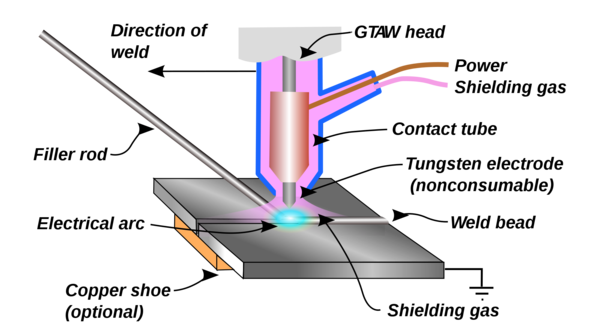
The tungsten electrode is the heart of TIG welding. Unlike other welding methods, this electrode does not melt during the process. It creates an electric arc that heats the metal pieces, melting them together without contaminating the weld.
This means your welds stay strong and clean. Have you ever struggled with weld contamination? TIG welding minimizes that risk significantly.
Shielding Gas And Its Importance
Shielding gas, usually argon or helium, surrounds the welding area. It protects the molten metal from reacting with oxygen and nitrogen in the air. Without this protection, the weld could become weak or brittle.
Think of it like a protective bubble that keeps your work flawless. The choice of gas can affect the weld’s characteristics, so selecting the right one matters.
How Heat Is Controlled
Controlling heat is critical in TIG welding. You adjust the electrical current to manage the arc’s temperature and penetration. Too much heat can burn through thin metals, while too little won’t fuse them properly.
Experienced welders develop a feel for this balance, often adjusting settings on the fly. Have you noticed how maintaining consistent heat improves your weld quality?
The Role Of Filler Material
Not all TIG welding requires filler material, but it’s often added to strengthen the joint. The filler rod is manually fed into the weld pool created by the arc. This gives you full control over the amount and placement of the filler.
This technique allows for cleaner, more precise welds, especially on thin or delicate metals. How comfortable are you with feeding filler material while keeping the arc steady?

Credit: fumedog.com
Components Of A Tig Welder
A TIG welder has several key parts that work together to create clean, precise welds. Each component plays a specific role to ensure the welding process runs smoothly. Understanding these parts helps you grasp how TIG welding produces strong and neat joints.
These components include the power source, tungsten electrode, filler rods, and the gas supply system. Each one contributes to the welding process in a unique way.
Power Source
The power source provides the electrical energy needed for welding. It controls the current’s strength and type, usually alternating current (AC) or direct current (DC). This control helps adjust the heat for different metals and thicknesses.
Tungsten Electrode
The tungsten electrode creates the arc that melts the metal. Tungsten resists heat well and does not melt easily, making it perfect for this task. It stays in the torch and carries the current to the weld area.
Filler Rods
Filler rods add extra metal to the weld joint. They melt and fill gaps between the base metals. The rods come in different sizes and materials depending on the metal being welded.
Gas Supply System
The gas supply system delivers an inert gas, usually argon, to shield the weld. This gas protects the hot metal from oxygen and contamination. It flows through a hose and nozzle around the tungsten electrode.
Tig Welding Process
The TIG welding process is a precise and controlled method used to join metals with clean, strong welds. It relies on an electric arc formed between a non-consumable tungsten electrode and the metal workpiece. This technique allows you to manage heat and filler material carefully, making it ideal for delicate or thin metals.
Arc Initiation
Starting the arc in TIG welding requires creating a stable electric current without touching the tungsten electrode to the metal. Most welders use a high-frequency start or a scratch start to ignite the arc. This step is crucial because a clean arc prevents contamination and ensures a strong weld.
Have you ever struggled with inconsistent arc starts? You’ll find that mastering this part helps reduce defects and improves overall weld quality significantly.
Heat Control
Controlling heat in TIG welding is essential since too much heat can warp thin metals or burn through the workpiece. You adjust the amperage on the welder and manage the distance between the electrode and metal to regulate temperature. This control lets you work precisely, creating smooth weld beads without damaging the material.
Think about how different metals react to heat—aluminum needs different settings than steel, for example. Adjusting your heat settings for each job keeps your welds strong and visually clean.
Weld Pool Management
The weld pool is the molten metal area you create during welding. Managing this pool means controlling its size and shape by moving the torch and adding filler rod at the right time. Good weld pool management helps you avoid defects like porosity and ensures the metal fuses correctly.
Pay close attention to the pool’s behavior—does it flow smoothly or look uneven? This feedback is your guide to adjusting speed, angle, or filler addition, so your welds come out flawless every time.
Advantages Of Tig Welding
TIG welding offers many advantages that suit different welding needs. It provides precision, works on various materials, and creates strong, clean welds. These benefits make it popular among professionals and hobbyists.
Precision And Control
TIG welding allows the welder to control heat and speed accurately. This control helps create neat and detailed welds. It is ideal for thin metals and delicate projects. The welder can stop and start the arc easily, avoiding mistakes.
Versatility In Materials
TIG welding works on many metals like steel, aluminum, and copper. It can weld thin sheets or thick parts. This flexibility makes it useful in automotive, aerospace, and art industries. Different metals need different settings, and TIG welding adjusts well.
High-quality Welds
TIG welds are clean with little spatter or slag. The result is a smooth, strong joint that often needs less finishing work. This welding method creates joints that resist corrosion and cracking. It ensures durability and a professional look.
Challenges In Tig Welding
TIG welding offers precise and clean welds but comes with certain challenges. These challenges affect the welding process, skill needed, and overall cost. Understanding these issues helps welders prepare better and improve their work.
Skill Requirements
TIG welding needs steady hands and good coordination. The welder must control the torch and filler rod at the same time. It takes practice to maintain the right arc length and speed. Mistakes can cause weak or uneven welds. Beginners often find TIG welding difficult to master.
Slower Process
TIG welding is slower than other welding methods. The welder must work carefully to avoid defects. This slow pace helps create strong, clean welds but reduces productivity. For large projects, TIG welding can be time-consuming. Patience is key to getting good results.
Equipment Costs
TIG welding equipment is more expensive than other types. The welder needs a power source, torch, and gas supply. High-quality tungsten electrodes and filler materials add to the cost. Maintenance and gas refills increase expenses over time. This makes TIG welding less affordable for some users.
Credit: weldingmart.com
Applications Of Tig Welding
TIG welding is highly precise and clean. Its versatility makes it valuable across many fields. It works well with thin materials and different metals. Here are some key areas where TIG welding is widely used.
Aerospace Industry
The aerospace industry demands strong, lightweight joints. TIG welding creates precise welds needed for aircraft parts. It joins aluminum and titanium, common in aerospace frames. The process ensures safety and durability under extreme conditions. Welders can control heat to avoid damage to sensitive components.
Automotive Industry
Car manufacturers use TIG welding for custom parts and repairs. It works well on stainless steel and aluminum car bodies. The clean welds improve the vehicle’s appearance and strength. TIG welding also helps in making exhaust systems and frames. Precision is key for parts that must fit perfectly.
Art And Sculpture
Artists choose TIG welding for metal sculptures and art pieces. It allows smooth, detailed joins without excess metal. The technique supports creative designs with thin metal sheets. TIG welding can join different metals for unique effects. It gives artists control to shape and finish their work beautifully.
Safety Measures In Tig Welding
Safety is a top priority in TIG welding. The process uses high heat and electricity, which can be dangerous. Following safety measures protects the welder from burns, electric shocks, and harmful fumes. Proper safety steps keep the work area safe and reduce accidents.
Protective Gear
Wearing the right gear is vital. A welding helmet with a dark face shield protects eyes from bright light. Flame-resistant gloves guard hands against burns. Long sleeves and pants stop sparks from touching skin. Closed-toe boots protect feet from hot metal pieces.
Ventilation
TIG welding produces fumes that can harm lungs. Good airflow clears these dangerous gases from the workspace. Use fans or open windows to keep air moving. Welding in a well-ventilated area lowers the risk of breathing problems. Portable fume extractors help remove smoke close to the source.
Electrical Safety
TIG welders run on high electrical power. Check cables and plugs for damage before use. Use insulated tools and gloves to avoid electric shock. Keep the work area dry to prevent accidents. Always turn off and unplug the welder when not in use.
Future Of Tig Welding
The future of TIG welding holds exciting possibilities. Advancements aim to improve precision, ease, and safety. The industry is evolving with new technologies and growing demand. Sustainability also shapes the path forward. These factors influence how TIG welding will develop in the coming years.
Technological Innovations
New machines offer better control and accuracy. Digital interfaces make settings easier to adjust. Automation helps welders work faster and with less fatigue. Advanced cooling systems extend equipment life. Remote monitoring allows real-time tracking of welding quality.
Sustainability Trends
Eco-friendly welding processes reduce waste and energy use. New materials require less harmful gases. Recyclable components become common in welding tools. Manufacturers focus on lowering carbon footprints. These changes support a greener welding industry.
Growing Industry Demand
Construction and automotive sectors need more TIG welding. High-quality, precise welds are crucial for safety. Skilled welders remain in high demand worldwide. Training programs expand to meet workforce needs. This growth drives innovation and technology adoption.

Credit: www.reliance-foundry.com
Frequently Asked Questions
What Is The Main Principle Behind A Tig Welder?
A TIG welder uses a non-consumable tungsten electrode to produce the weld. It creates a precise arc that melts the metal, while a shielding gas protects the weld from contamination. This method allows for clean, high-quality welds on various metals.
How Does Shielding Gas Function In Tig Welding?
Shielding gas, usually argon, protects the weld area from oxygen and other contaminants. It prevents oxidation and ensures a stable arc. This gas flow results in smoother, stronger welds and prevents defects like porosity or weak joints.
What Metals Can Tig Welding Be Used On?
TIG welding works well on stainless steel, aluminum, magnesium, copper, and titanium. Its precision suits thin metals and complex joints. This versatility makes TIG ideal for automotive, aerospace, and artistic metalwork.
Why Is Tig Welding Preferred For Precision Work?
TIG welding allows precise control over heat and filler material. This control produces clean, accurate welds with minimal distortion. It’s preferred for delicate or detailed projects requiring high-quality finishes.
Conclusion
A TIG welder uses electricity to join metals with precision. It creates a strong, clean weld by melting metal edges. The torch releases an inert gas to protect the weld. This process needs steady hands and good control. Understanding how a TIG welder works helps in many metal projects.
It offers great results for thin or detailed materials. With practice, anyone can improve their welding skills. TIG welding is a useful skill worth learning.
About The Author

