

Are you thinking about buying a TIG welder but unsure how much it will cost? Knowing the price before you shop can save you time and frustration.
Whether you’re a beginner or a pro, understanding what affects the price will help you make the best choice for your budget and needs. You’ll discover everything you need to know about TIG welder prices, so you can invest wisely and get the perfect tool for your projects.
Keep reading to find out what to expect and how to get the best value for your money.

Credit: www.amazon.ca
Factors Influencing Tig Welder Prices
The price of a TIG welder varies due to many factors. Understanding these can help choose the right model. Each factor affects cost and performance differently.
Brand Reputation
Trusted brands often charge more for quality and reliability. Well-known manufacturers invest in better parts and testing. This means fewer breakdowns and longer machine life.
Technology And Features
Advanced features raise the price. Features like pulse welding, AC/DC modes, and digital controls add value. Simple welders cost less but may lack precision tools.
Power Output
Higher power welders are more expensive. They handle thicker metals and longer jobs. Lower power units suit light tasks and cost less.
Portability And Size
Compact and lightweight models cost more per power unit. They are easier to move and use in tight spaces. Large, heavy machines often offer more power but less mobility.
Warranty And Customer Support
Longer warranties add to the cost but provide peace of mind. Good customer support helps with repairs and questions. Cheap welders may have limited service options.
Price Ranges For Tig Welders In 2025
Understanding the price ranges for TIG welders in 2025 helps you find the right machine without overspending. Prices vary widely based on features, power, and brand reputation. Whether you’re just starting or need a professional-grade welder, knowing the cost brackets can guide your purchase.
Entry-level Models
Entry-level TIG welders typically cost between $300 and $700. These machines are great for beginners or hobbyists who weld occasionally. They usually offer basic features, limited amperage, and are lightweight for easy transport.
If you’re new to TIG welding, an entry-level model can help you learn without a big investment. Some brands even include starter kits with accessories, which adds value. Have you considered how often you’ll use the welder before buying?
Mid-range Options
Mid-range TIG welders fall in the $700 to $1,500price range. These welders provide more power, better duty cycles, and enhanced control features like pulse welding. They suit serious DIYers or small business owners who need reliable performance.
At this level, you can expect improved build quality and additional functions such as AC/DC welding for various metals. Many users find this range balances cost and capability perfectly. What specific welding projects do you plan that might require these extra features?
High-end And Professional Models
High-end TIG welders start around $1,500 and can go beyond $5,000. Professionals working on industrial projects or heavy-duty tasks often choose these models. They deliver exceptional precision, advanced digital controls, and superior duty cycles.
These machines often include features like water cooling, multi-process capabilities, and programmable settings. Investing in a high-end welder means greater efficiency and less downtime. Are you ready to invest in a machine that can handle any job with ease?
Additional Costs To Consider
Buying a TIG welder is just the beginning of your investment. There are several additional costs that can add up quickly and impact your overall budget. Understanding these extra expenses helps you plan better and avoid surprises down the road.
Essential Accessories
Your TIG welder won’t function well without the right accessories. You’ll need items like a welding helmet, gloves, and protective clothing to keep yourself safe. Don’t forget the tungsten electrodes, filler rods, and gas cylinders, which are crucial for the welding process.
Choosing quality accessories can save you money over time because they last longer and perform better. Have you checked if the welder package includes any accessories, or will you need to purchase everything separately?
Maintenance And Repairs
Like any power tool, TIG welders require regular maintenance to stay in good shape. Cleaning the torch, checking cables, and replacing worn parts help avoid costly breakdowns. Neglecting maintenance can lead to expensive repairs that disrupt your work.
It’s smart to set aside a budget for occasional repairs or replacement parts. How often you use your welder will affect how much maintenance it needs. Think about whether you’ll handle small repairs yourself or hire a professional.
Operational Costs
Operating a TIG welder involves ongoing expenses beyond the initial purchase. Electricity usage, gas refills (usually argon), and consumables all add up. These costs vary depending on how frequently you weld and the size of your projects.
Monitoring your operational costs can help you find ways to save. For example, using energy-efficient settings or buying gas in bulk might lower expenses. Have you tracked your welding costs to see where you could cut back without sacrificing quality?
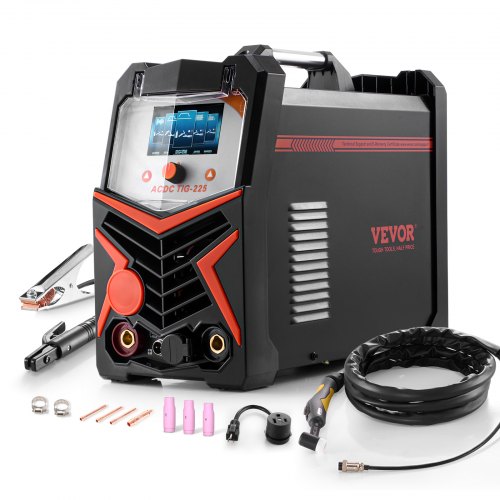
Credit: www.vevor.ca
Budgeting Tips For Buying A Tig Welder
Setting a budget for a TIG welder can feel tricky, especially with so many options available. Smart budgeting means focusing on what you truly need rather than what looks flashy or expensive. This approach helps you avoid overspending while still getting a reliable machine that fits your projects.
Assessing Your Needs
Start by thinking about the type of welding projects you’ll tackle most often. Are you working on thin metals like aluminum or thicker steel pieces? The thickness and material will influence the power and features you need in a TIG welder.
Consider how often you’ll use the welder. If it’s occasional hobby work, a basic model might do. But if you plan to weld frequently or professionally, investing in a more durable, versatile machine pays off.
Comparing Different Models
Once you know your needs, compare models within your price range. Look beyond the price tag—check the duty cycle, amperage range, and user reviews. These details tell you if the welder can handle your workload without overheating or failing.
Don’t ignore brand reputation and warranty. Sometimes paying a bit more upfront saves money on repairs later. Create a simple table to compare specs side by side; this keeps choices clear and avoids impulse buying.
Timing Your Purchase
Prices on TIG welders fluctuate throughout the year. Shopping during sales events like Black Friday or seasonal clearances can snag you a better deal. Keep an eye on online retailers and local stores for discounts or bundle offers.
Ask yourself: Can waiting a few months get you a higher-quality welder at a lower price? Patience here can add significant value to your purchase without extra cost.
Future Trends In Tig Welder Pricing
Prices of TIG welders will change as technology and market factors evolve. Understanding these trends helps buyers make smart choices. Expect shifts driven by innovation, demand, and green technology.
Technological Advancements
New tech makes TIG welders more efficient and user-friendly. Features like digital controls and pulse welding affect price. Advanced models often cost more but offer better results. Over time, tech becomes standard and prices may drop.
Market Demand And Supply
Demand for TIG welders rises with construction and manufacturing growth. More buyers can increase prices. Supply chain issues or raw material costs also influence price. Balanced supply and demand keep prices steady.
Sustainability And Eco-friendly Options
Eco-friendly TIG welders use less energy and produce fewer emissions. These models cost more due to green materials and design. Growing focus on sustainability may raise prices for eco options. Buyers may pay extra for machines that save energy long-term.
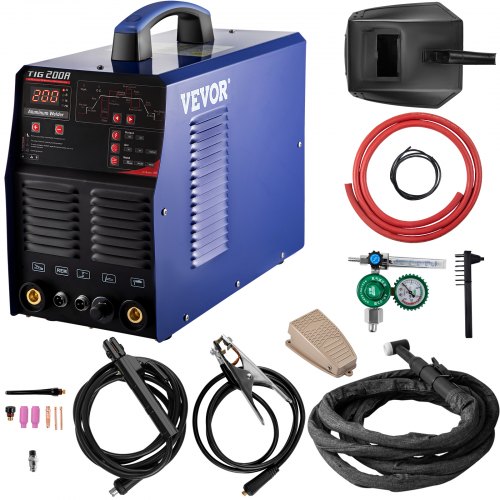
Credit: www.vevor.ca
Frequently Asked Questions
How Much Does A Basic Tig Welder Cost?
A basic Tig welder typically costs between $300 and $700. Prices vary based on brand, power, and features. Entry-level models suit beginners and small projects. Higher-end models offer advanced controls and better durability for professional use.
What Factors Affect Tig Welder Prices?
Tig welder prices depend on power output, brand, and included accessories. Additional features like pulse welding and digital controls raise costs. Duty cycle and portability also influence price. Warranty and customer support are important for long-term value.
Are Professional Tig Welders More Expensive?
Yes, professional Tig welders usually cost $1,000 or more. They offer higher power, precision, and advanced features. Professionals need durable machines with better duty cycles for continuous use. These welders deliver consistent quality for industrial applications.
Can I Find Budget-friendly Tig Welders?
Budget-friendly Tig welders are available under $300 but may lack advanced features. They are suitable for hobbyists or light repair work. Careful research ensures you get reliable performance despite the lower price. Consider refurbished models for savings.
Conclusion
Choosing the right TIG welder depends on your budget and needs. Prices vary based on brand, features, and power. Basic models cost less but offer fewer options. Higher-end welders provide better performance but come with a higher price. Consider how often you will weld and what materials you use.
This helps you find the best value for your money. Knowing the cost helps plan your purchase wisely. Take your time to compare models before deciding. Quality and price both matter for a good TIG welder.
About The Author

