
Have you ever wondered how metal gets sliced so quickly and precisely? If you work with metal or just have a curiosity about tools, understanding how a plasma cutting machine works can open up a whole new world.
This powerful device can cut through thick metal like butter, saving you time and effort. You’ll discover the simple science behind plasma cutting and how it can make your projects easier and more accurate. Keep reading, and you’ll soon see why this machine is a game-changer for anyone who needs clean, fast metal cuts.
Credit: www.koike.com
Basics Of Plasma Cutting
Understanding the basics of plasma cutting can change how you approach metalwork projects. This technology allows you to cut through various metals quickly and precisely. But what exactly makes it work?
What Is Plasma Cutting
Plasma cutting is a process that uses a high-velocity jet of ionized gas, or plasma, to slice through electrically conductive materials like steel, aluminum, and copper.
The plasma reaches extremely high temperatures, melting the metal instantly. At the same time, the force of the gas blows the molten metal away, leaving a clean cut.
You might wonder how this differs from traditional cutting methods. Unlike mechanical cutting, plasma cutting doesn’t physically grind through metal, which means less wear on tools and faster results.
Key Components Of The Machine
Several parts work together to make plasma cutting possible:
- Power Supply:Converts electricity into a form that can create and sustain the plasma arc.
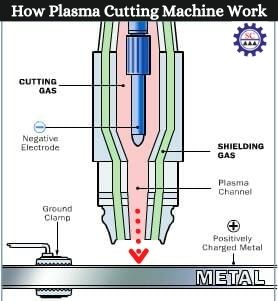
- Plasma Torch:Directs the plasma stream onto the metal. It contains the electrode and nozzle, which focus the plasma jet.
- Ground Clamp:Completes the electrical circuit by attaching to the workpiece.
- Gas Supply:Provides the gas (usually compressed air) that becomes ionized into plasma.
Each component plays a crucial role. For example, without a stable power supply, the plasma arc can flicker or go out, ruining your cut. Think about how your last project was affected by inconsistent equipment—this highlights why knowing your machine’s parts matters.

Credit: unimig.com.au
Plasma Cutting Process
The plasma cutting process uses a high-speed jet of hot plasma to cut through metal. It is a precise and fast method suitable for many metals and thicknesses. The process involves creating a plasma arc, using compressed gas, and melting the metal for clean cuts.
Generating The Plasma Arc
The process starts by creating an electric arc between an electrode and the metal surface. This arc heats the gas to very high temperatures, turning it into plasma. The plasma reaches temperatures over 25,000°F, enough to melt metal quickly.
Role Of Compressed Gas
Compressed gas blows through the nozzle, directing the plasma arc toward the metal. Common gases include air, nitrogen, or oxygen, chosen based on the metal type. The gas also helps remove molten metal and debris from the cut area.
Metal Melting And Cutting
The intense heat melts the metal along the cutting line. The high-speed plasma jet blows away the molten metal, creating a clean, narrow cut. This process allows for smooth edges and minimal distortion on the metal sheet.
Types Of Plasma Cutting Machines
Plasma cutting machines come in various types, each suited for different tasks and skill levels. Understanding these types helps in choosing the right tool for your project. The main categories include handheld plasma cutters and CNC plasma cutting systems. These machines differ in operation, precision, and application.
Handheld Plasma Cutters
Handheld plasma cutters are portable and easy to use. They allow users to cut metal sheets by holding the torch and guiding it manually. These machines are ideal for quick repairs and small projects. They work well on steel, aluminum, and other conductive metals. Users appreciate their flexibility and convenience.
Cnc Plasma Cutting Systems
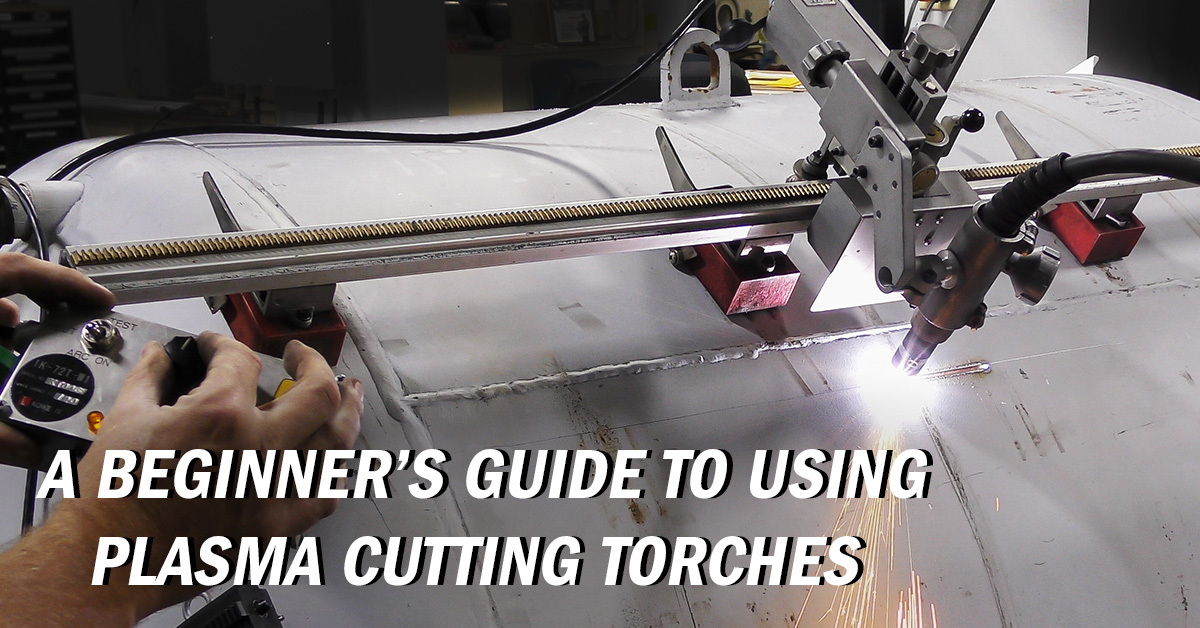
CNC plasma cutting systems use computer control for precise cutting. The machine follows programmed designs to cut complex shapes with high accuracy. These systems are common in industrial settings and large-scale production. They save time and reduce material waste. CNC systems handle thicker metals and offer repeatable results.
Factors Affecting Cutting Precision
Cutting precision is vital for plasma cutting machines to deliver clean and accurate cuts. Several factors influence how precise the cut will be. Understanding these factors helps in achieving the best results and reducing material waste. Precision depends on the interaction of machine settings, material properties, and operator control.
Material Thickness And Type
The thickness of the material directly affects cutting quality. Thin materials require lower power and slower speeds. Thick materials need higher power and slower cutting speeds for accuracy. Different materials, like steel, aluminum, or stainless steel, respond differently to plasma cutting. Some materials may cause more dross or rough edges, reducing cut precision.
Torch Design And Nozzle Size
The torch design impacts the stability of the plasma arc. A well-designed torch ensures a focused and steady plasma stream. Nozzle size controls the plasma arc diameter. Smaller nozzles produce narrower cuts with higher precision. Larger nozzles allow faster cutting but may reduce edge quality. Choosing the right nozzle size is essential for the material and cut type.
Cutting Speed And Power Settings
Cutting speed influences the heat input and cut quality. Moving too fast can cause incomplete cuts or rough edges. Moving too slow may lead to excessive heat and material warping. Power settings must match the material thickness and type. Higher power delivers deeper cuts but can cause a wider kerf. Finding the balance between speed and power ensures smooth and precise cuts.
Advantages Of Plasma Cutting
Plasma cutting offers many benefits that make it a preferred choice in metalworking. Its advantages improve productivity and quality. This technology suits various industries and projects.
Speed And Efficiency
Plasma cutting works fast, reducing project time. It cuts through metals quickly without losing quality. This speed helps businesses meet tight deadlines. Less time cutting means more time for other tasks.
Versatility Across Materials
Plasma cutters handle many metal types. They cut steel, aluminum, copper, and more with ease. Thickness does not limit plasma cutting much. This versatility makes plasma cutting useful for many jobs.
Clean And Accurate Cuts
Plasma cutting produces smooth edges and precise shapes. It minimizes the need for extra finishing work. The clean cuts save time and reduce material waste. Accuracy helps in creating parts that fit well together.
Safety Measures And Maintenance
Operating a plasma cutting machine requires more than just technical skill—it demands a sharp focus on safety and regular maintenance to keep the machine running smoothly. Ignoring these aspects can lead to accidents or costly downtime. Are you confident that your safety practices and machine upkeep are up to par?
Protective Gear Essentials
Your safety starts with the right gear. Always wear a welding helmet or safety goggles designed to shield your eyes from the intense plasma arc. Thick gloves and flame-resistant clothing protect your skin from sparks and hot metal fragments.
Don’t forget ear protection—plasma cutting can be loud enough to damage your hearing over time. Investing in the correct protective gear isn’t just a suggestion; it’s a necessity to avoid injuries that could halt your work.
Routine Machine Checks
Before every use, inspect your plasma cutter for signs of wear or damage. Check the torch consumables like electrodes and nozzles—they wear out quickly and affect cutting quality. Keep the air supply clean and dry; moisture can damage internal components and reduce cutting efficiency.
Set a regular schedule to clean air filters and examine cables for fraying or cracks. Simple checks can prevent sudden breakdowns and extend your machine’s lifespan, saving you time and money.
Troubleshooting Common Issues
If your cuts start to look rough or inconsistent, don’t ignore the problem. Poor cut quality often signals worn consumables or incorrect air pressure. Adjust the settings and replace parts as needed rather than pushing through a bad cut.
Electrical problems can cause the machine to fail to start or cut properly. Verify all connections are secure and inspect the power supply. Keeping a troubleshooting checklist nearby can speed up the fix and reduce frustration.

Credit: www.oxygenservicecompany.com
Frequently Asked Questions
What Is A Plasma Cutting Machine?
A plasma cutting machine uses a high-velocity jet of ionized gas to cut metals. The ionized gas conducts electricity from the torch, melting the metal and creating a clean cut. This method is efficient, precise, and suitable for cutting thick or conductive materials like steel and aluminum.
How Does Plasma Cutting Work?
Plasma cutting works by sending an electric arc through a gas that passes through a constricted opening. This process ionizes the gas, creating plasma. The plasma jet reaches temperatures up to 30,000°F, which melts the metal. The molten metal is then blown away, leaving a clean cut.
What Materials Can Plasma Cutters Cut?
Plasma cutters can cut various conductive metals, including steel, stainless steel, aluminum, brass, and copper. They are ideal for cutting thick materials quickly and efficiently. The technology is versatile and used in automotive repair, industrial construction, and metal fabrication industries.
Is Plasma Cutting Precise?
Yes, plasma cutting is highly precise and efficient. It produces clean, sharp cuts with minimal heat distortion. The precision makes it suitable for intricate designs and detailed work. Advanced CNC plasma cutters can follow computer-generated designs accurately, making them ideal for complex industrial applications.
Conclusion
Plasma cutting machines use hot plasma to cut metal quickly and cleanly. This process saves time and effort compared to traditional cutting methods. It works well on many types of metals, making it useful in many industries. Understanding how the machine works helps you use it safely and effectively.
With the right care, plasma cutters last a long time. They offer a practical way to cut metal with precision and speed. Simple, fast, and reliable—plasma cutting meets many cutting needs.
About The Author

