

Have you ever wondered how TIG welding creates such precise and strong metal joints? Whether you’re a hobbyist or someone curious about welding, understanding how TIG welding works can open up new possibilities for your projects.
This method offers incredible control and clean results, but it might seem complicated at first. Don’t worry—by the end of this article, you’ll know exactly what makes TIG welding special and how it can help you achieve flawless metalwork every time.
Ready to dive in? Let’s explore the secrets behind TIG welding together.
Basics Of Tig Welding
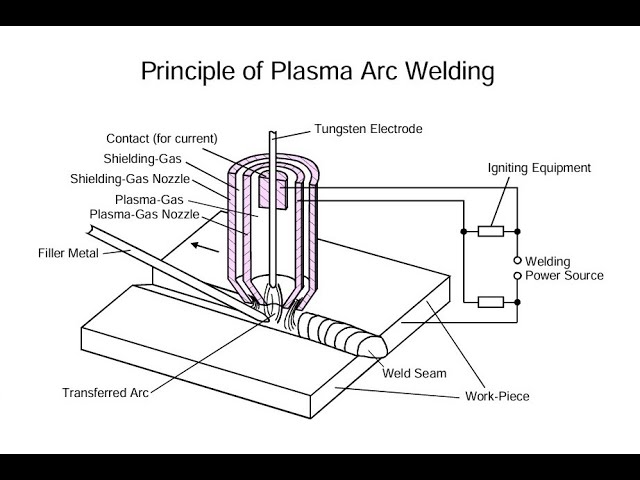
TIG welding is a precise welding process used in many industries. It allows strong, clean welds on thin metals. Understanding its basics helps beginners grasp the technique quickly. The process uses a non-consumable tungsten electrode to create an arc. This arc melts the metal pieces without contaminating them. A shielding gas, usually argon, protects the weld area from air. This prevents oxidation and other defects. TIG welding requires steady hands and good control. It is favored for its accuracy and neat finish.
What Is Tig Welding?
TIG stands for Tungsten Inert Gas welding. It uses a tungsten electrode that does not melt during welding. The welder controls the heat and filler material separately. This control helps create clean and strong joints. A shielding gas flows over the weld area. This gas keeps the metal safe from contamination. TIG welding works well on thin metals like aluminum and stainless steel. It also suits repair work and detailed metalwork.
History And Evolution
TIG welding started in the 1940s. It was first used for welding magnesium in aircraft. Early TIG welders faced challenges with equipment and gas supplies. Over time, technology improved welding machines and gas delivery. These advancements made TIG welding more reliable and easier to use. Today, TIG welding is common in automotive, aerospace, and art industries. It continues to evolve with new materials and automated systems.
Credit: medium.com
Equipment And Materials
TIG welding needs specific equipment and materials to work well. The right tools help create clean, strong welds. Each part plays a key role in the welding process. Understanding these elements improves your welding results.
Essential Tools And Gear
Start with a TIG welding machine that controls current precisely. Use a torch with a tungsten electrode holder. Protective gear is important. Wear a welding helmet with a dark lens to protect your eyes. Use gloves and a flame-resistant jacket to guard your skin.
Other tools include:
- Filler rods to add metal during welding
- Clamps and magnets to hold metal pieces
- A wire brush for cleaning metal surfaces
Choosing The Right Tungsten Electrodes
Tungsten electrodes carry the welding current to the workpiece. The type of tungsten affects arc stability and weld quality. Common types include:
- Pure tungsten (green tip) for AC welding of aluminum
- Thoriated tungsten (red tip) for DC welding of steel
- Cerium or lanthanated tungsten for better arc starting and stability
Select electrode size based on material thickness and welding current. Sharpen the tungsten to a point for DC welding. For AC, use a balled tip to maintain arc shape.
Gas Selection And Usage
Shielding gas protects the weld from air contamination. Argon is the most common gas for TIG welding. It provides a clean, stable arc and good weld appearance. Sometimes, a mix of argon and helium increases heat and weld penetration.
Gas flow rate is key. Too low causes contamination. Too high wastes gas and causes turbulence. Typical flow rates range from 15 to 20 cubic feet per hour. Use a flowmeter to control gas flow accurately.
Tig Welding Techniques
TIG welding requires precise techniques to create clean and strong welds. Each step demands focus and control. Learning these techniques helps improve weld quality and safety.
Setting Up Your Workspace
Arrange your tools in an organized way. Keep the welding area clean and free of clutter. Use a sturdy workbench and good lighting. Ensure proper ventilation to avoid harmful fumes. Prepare all materials before starting to weld.
Mastering The Arc
Hold the torch steady and maintain a consistent distance from the metal. The arc should be stable and not too long. Move the torch smoothly along the joint to create even weld beads. Practice controlling the arc to avoid spatter and defects.
Controlling Heat Input
Adjust the welding current based on metal thickness and type. Use low heat for thin metals to prevent warping. Increase heat for thicker metals to ensure deep penetration. Balance speed and heat to avoid burning the metal or weak welds.

Credit: www.adamsgas.co.uk
Common Applications
TIG welding is valued for its precision and clean welds. It works well on many metals and shapes. This flexibility makes TIG welding popular in various fields. Understanding where TIG welding fits helps choose the right welding method.
Industries Utilizing Tig Welding
- Automotive: Used for making car parts and exhaust systems.
- Aerospace: Joins thin metal sheets for aircraft bodies.
- Construction: Builds strong frames and metal structures.
- Manufacturing: Creates tools, machinery, and equipment.
- Art and Sculpture: Crafts detailed metal artworks and designs.
- Food and Beverage: Fabricates stainless steel tanks and pipes.
Projects Suited For Tig
- Thin metal welding: Ideal for aluminum and stainless steel sheets.
- Precision repairs: Fixes cracks and holes in delicate parts.
- Custom metalwork: Produces detailed and decorative metal items.
- Pipe welding: Joins pipes in plumbing and industrial systems.
- Bike frames: Builds lightweight, durable bicycle frames.
- Jewelry making: Sculpts fine metal pieces with accuracy.
Safety Measures
Working with TIG welding involves intense heat and bright light, making safety not just important but essential. You need to protect yourself from burns, harmful fumes, and eye damage. Ignoring safety measures can lead to serious injuries that are easily avoidable with the right precautions.
Protective Gear And Clothing
Your first line of defense is the gear you wear. Always use a welding helmet with a proper shade filter to protect your eyes from the bright arc and UV radiation. Don’t underestimate the importance of flame-resistant gloves and a long-sleeve jacket to shield your skin from sparks and heat.
Wearing leather boots and flame-resistant pants can prevent burns from falling hot metal. Loose or synthetic clothing can catch fire or melt, so opt for natural fibers like cotton. Have you checked your gear for wear and tear lately? Damaged equipment reduces your safety dramatically.
Ventilation And Fume Control
TIG welding produces fumes that can be harmful if inhaled over time. Make sure your workspace has good ventilation to carry away these fumes quickly. Using a local exhaust ventilation system right at the welding point can drastically reduce your exposure.
If you work indoors, consider using fans or air purifiers designed for welding fumes. Wearing a respirator might be necessary in poorly ventilated areas. How often do you evaluate the air quality in your welding area? Small steps like these protect your lungs and keep your workspace safer.
Troubleshooting And Tips
Tig welding is precise but can be tricky. Small issues can affect the quality of your welds. Knowing how to spot problems and improve your technique can save you time and materials.
Identifying Common Problems
Welds that look rough or weak usually signal specific issues. If you see porosity—tiny holes in the weld—it often means contamination. Dirt, oil, or moisture on the metal or tungsten electrode can cause this.
Cracks might appear if your heat settings are too high or if the metal cools too fast. Another sign to watch for is lack of fusion, where the weld doesn’t properly join the metals. This often happens if you move the torch too quickly or don’t use enough heat.
Pay attention to the color of your tungsten electrode. A burnt or deformed tip can lead to poor arc stability. Keeping it sharp and clean improves your control and consistency.
Improving Welding Precision
Precision starts with your setup. Use a tight-fitting gas cup and maintain a steady gas flow to shield the weld from air. Think about your hand position—steady hands make smoother welds.
Practice controlling the foot pedal or torch trigger to adjust heat on the fly. This control helps you avoid overheating and warping the metal. If you struggle, try welding on scrap pieces to build your muscle memory.
Try different filler rod angles to see what gives you the cleanest weld pool. Small changes in angle or speed can make a big difference. Do you notice how your welds improve when you slow down and focus on consistency?
Advancements In Tig Welding
Advancements in TIG welding have made the process more efficient and precise. Technology has improved control systems and power sources. These changes help welders create stronger and cleaner welds. Safety features have also been enhanced, protecting operators better. The welding industry continues to evolve with new tools and techniques. These advancements reduce errors and increase productivity in many fields.
Recent Technological Innovations
Modern TIG welders use advanced digital controls for better heat management. Pulse welding technology helps control the weld bead size and heat input. Inverter power supplies make machines lighter and more energy-efficient. High-frequency start systems improve arc stability and reduce contamination. New torch designs offer better ergonomics and cooling. These innovations help welders work longer with less fatigue.
Future Trends In The Industry
Automation and robotics are growing in TIG welding applications. Machines with artificial intelligence can adjust settings automatically. Remote monitoring and control allow real-time adjustments from a distance. Advanced sensors detect defects and improve weld quality. Materials like aluminum and titanium will see more use due to better welding techniques. The future promises safer, faster, and more precise TIG welding processes.
Credit: www.youtube.com
Frequently Asked Questions
What Is Tig Welding And How Does It Work?
TIG welding uses a tungsten electrode to create an arc that melts metal. It produces clean, precise welds with high control. An inert gas shields the weld area from contamination, ensuring strong and durable joints.
What Materials Can Tig Welding Join Effectively?
TIG welding works well on metals like steel, stainless steel, aluminum, and copper. It is ideal for thin materials and projects requiring detailed, high-quality welds. Its versatility suits automotive, aerospace, and artistic metalwork.
Why Choose Tig Welding Over Other Welding Methods?
TIG welding offers superior control, producing clean and strong welds. It minimizes spatter and distortion, ideal for delicate or thin metals. This method ensures high-quality finishes and precise weld bead appearance.
How Important Is Shielding Gas In Tig Welding?
Shielding gas protects the weld pool from oxygen and contaminants. Argon is the most common gas used due to its inert properties. Proper gas flow is critical for preventing weld defects and ensuring quality.
Conclusion
TIG welding uses a non-consumable tungsten electrode to join metals. It creates clean and strong welds with great precision. The process uses an inert gas to protect the weld area from contamination. This method works well on thin metals and different materials.
Understanding the basics helps you appreciate its value in metalwork. Practice and safety make TIG welding more effective and safe. It remains a popular choice for many welding projects. Simple, precise, and reliable—TIG welding stands out in the workshop.
About The Author

