
Are you ready to unlock the secrets of mastering MIG welding with flux core wire? Imagine having the power to weld like a pro, even if you’re just starting out.
Whether you’re a DIY enthusiast or a budding welder, this technique can be your ticket to creating strong, clean welds with ease. In this guide, you’ll discover the step-by-step process that turns a daunting task into a satisfying skill. Picture yourself confidently handling your welding projects, knowing you’re equipped with the right knowledge.
Curious about how to get started and avoid common pitfalls? Let’s dive into the world of MIG welding with flux core wire, and transform your welding experience from frustrating to flawless.
Understanding Flux Core Welding
Understanding Flux Core Welding is crucial for anyone looking to master metal fabrication. This technique is popular among hobbyists and professionals alike due to its versatility and efficiency. Whether you’re tackling a DIY project or working on a complex construction task, knowing how flux core welding works can significantly improve your results.
What Is Flux Core Wire?
Flux core wire is a special type of welding wire designed with a flux-filled center. This flux is a chemical agent that helps protect the weld from contamination. Unlike solid wire, flux core wire doesn’t require external shielding gas, making it ideal for outdoor welding where wind can be an issue. Imagine working in your backyard without the hassle of setting up a gas tank; that’s the beauty of flux core wire.
Differences Between Mig And Flux Core Welding
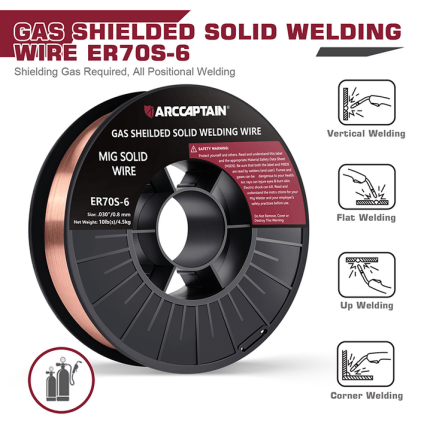
While both MIG and flux core welding use similar equipment, the major difference lies in the wire and shielding method. MIG welding employs a solid wire and requires an external gas source to shield the weld, offering cleaner results in controlled environments. On the other hand, flux core welding uses a wire with built-in flux, providing protection against contaminants without the need for gas, which is perfect for windy outdoor conditions.
Have you ever been frustrated by the wind blowing your shielding gas away? Flux core welding might be the solution you’ve been looking for. This approach allows you to weld in situations where traditional MIG welding would falter.

Credit: weldingsupplystoreutah.com
Choosing The Right Equipment
Choosing the right equipment is crucial for mig welding with flux core wire. Use a suitable welder, flux core wire, and protective gear. Ensure settings match the material thickness for smooth welding.
Choosing the right equipment is vital for successful MIG welding with flux core wire. Proper tools ensure a smoother weld and better results. Start by understanding what equipment you’ll need.Selecting A Suitable Welder
A welder is the heart of your setup. Choose one that fits your needs. Look for a welder that supports flux core wire. Ensure it has adjustable settings. This allows you to fine-tune your welding process. Portability might be important if you move around. Check the power requirements. Some welders need a higher voltage. Make sure your power supply matches.Essential Safety Gear
Safety gear protects you from hazards. Never skip this step. A welding helmet is a must. It shields your eyes from sparks and bright light. Wear flame-resistant gloves. They protect your hands from heat and burns. A welding jacket or apron is useful too. It covers your body and keeps you safe. Don’t forget sturdy boots. They protect your feet from falling objects. Always work in a well-ventilated area. It prevents inhaling harmful fumes.Setting Up Your Workspace
Create a clean workspace by removing clutter and ensuring good ventilation. Arrange tools and materials within easy reach. This setup helps in focusing on MIG welding with flux core wire effectively and safely.
Setting up your workspace is crucial for effective MIG welding with flux core wire. A well-organized area ensures safety and efficiency. It minimizes errors and maximizes productivity. Let’s explore how to prepare your workspace for a smooth welding process.Preparing The Welding Area
Your welding area should be clean and clutter-free. Remove flammable materials to prevent fires. Ensure good ventilation to disperse fumes. Adequate lighting is essential for precision. A stable workbench supports your projects. Arrange for a fire extinguisher nearby. Safety gear like gloves and goggles should be within reach.Organizing Tools And Materials
Start by gathering all necessary tools. Place them within easy access. This includes the welding machine and its components. Keep wire spools organized. Arrange pliers, clamps, and brushes neatly. Ensure you have enough flux core wire. Store spare parts systematically. Check the condition of your equipment. Proper organization saves time and reduces stress.
Credit: www.facebook.com
Preparing The Metal
Clean the metal surface thoroughly to ensure a smooth weld. Remove rust, dirt, and grease for better adhesion. Use a wire brush or grinder for effective preparation.
Preparing the metal is a vital step in flux core wire welding. Proper preparation ensures strong, clean welds and prevents defects. Before you begin, take time to ready the metal surface.Cleaning And Inspecting The Metal
Start by removing any rust, paint, or dirt. Use a wire brush or grinder. This step ensures the metal surface is clean. Inspect the metal for cracks or damage. Repair these issues before welding. A clean surface makes the welding process smoother.Tack Welding Techniques
Begin with tack welding to hold pieces together. Tack welds are small welds placed at intervals. They keep the metal stable during welding. Space tack welds evenly for better alignment. This step prevents warping and ensures a precise finish.Adjusting Welding Parameters
Adjusting welding parameters is essential for successful MIG welding with flux core wire. Set the voltage and wire speed according to the material thickness. Proper adjustments ensure strong welds and minimize splatter.
Adjusting welding parameters is crucial for achieving quality welds with flux core wire. This involves setting the wire feed speed and adjusting voltage settings. Proper adjustments ensure effective penetration and reduce spatter, leading to clean and strong welds. By understanding how to tweak these parameters, you can improve your welding results significantly.Setting The Wire Feed Speed
The wire feed speed determines how fast the wire is fed into the weld pool. Faster speeds increase deposition rate but can cause spatter. Slower speeds provide more control but may lack penetration. Adjust the speed according to the thickness of the material. Thicker metals require a higher feed speed for deeper penetration. Consult the welding machine’s guide for recommended settings. Start with the manufacturer’s suggestions and make minor adjustments as needed.Adjusting Voltage Settings
Voltage settings influence the arc length and heat input. Higher voltage produces a longer arc and more heat, suitable for thicker materials. Lower voltage gives a shorter arc, ideal for thinner materials. Adjust the voltage based on the material thickness and desired weld penetration. Use a test piece to experiment with different settings. Find the sweet spot where the arc is stable and the weld bead is smooth. Correct voltage settings reduce spatter and improve bead appearance.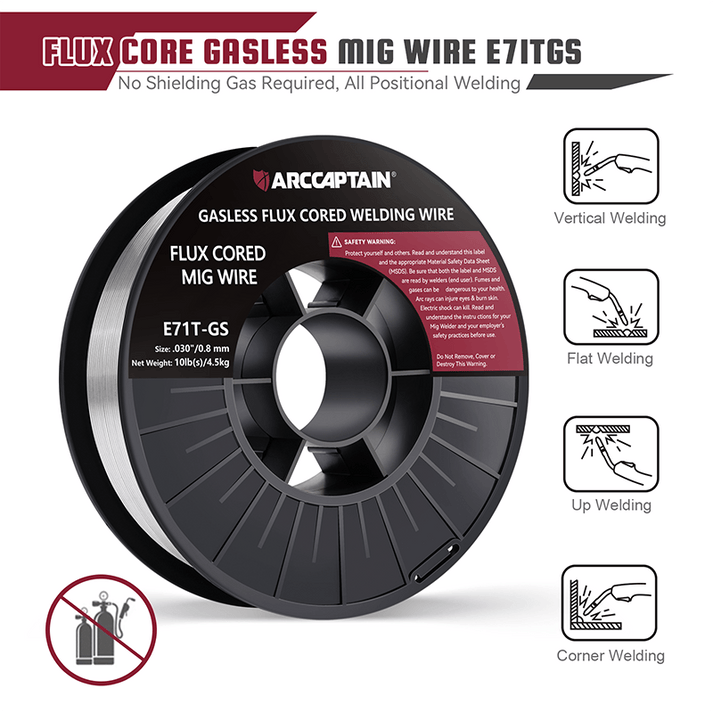
Credit: www.arccaptain.com
Welding Techniques
Learn how to mig weld with flux core wire by setting up your welding machine correctly. Ensure the wire feed speed matches your welding needs. Keep a steady hand while guiding the torch to achieve clean, strong welds.
Welding Techniques Welding with flux core wire requires specific skills. It is important to understand the techniques involved. These techniques ensure strong and clean welds. They also help in achieving desired results efficiently. Whether you are a beginner or experienced, these methods are crucial.Mastering The Welding Torch Movement
Effective torch movement is essential in welding. Hold the torch steady and move smoothly. It should be at a consistent angle. This prevents splatter and ensures even heat distribution. The angle affects penetration and bead shape. Practice makes perfect. Move the torch in a straight line or weave pattern. Each method has its use. Straight lines are for thin metals. Weave patterns suit thicker materials.Controlling The Weld Pool
Managing the weld pool is critical. The pool is the melted metal area. Control it by adjusting speed and angle. Too fast, and the pool will be small. Too slow, and it might be too large. A balanced approach is necessary. Watch the pool closely. Use a steady hand to guide it. Keep the torch at a consistent distance. Monitor the pool size for uniformity. This ensures strong bonds in the weld.Troubleshooting Common Issues
When you’re mig welding with flux core wire, encountering issues is almost inevitable, but knowing how to troubleshoot them can save you time and frustration. Whether you’re a seasoned welder or just starting out, understanding how to address common problems will enhance your welding skills and improve your project outcomes. Let’s dive into some of the most common issues and how you can tackle them.
Dealing With Porosity
Porosity in your welds can be a headache, but it’s often due to contaminants like moisture or dirt. Make sure your materials are clean and dry before starting. If porosity persists, check your wire for any moisture exposure. Use a wire brush or grinder to clean surfaces thoroughly.
Another potential culprit is your welding technique. Ensure you’re maintaining a steady travel speed and angle. A slower pace might help gases escape before solidifying. Experiment with slight adjustments in technique to see what works best for you.
Preventing Spatter
Spatter can make your weld look messy and unprofessional. To minimize it, consider adjusting your voltage and wire feed speed. Lowering the voltage or increasing wire feed can sometimes make a huge difference.
Using anti-spatter spray on your nozzle and workpiece can also be beneficial. It helps prevent accumulation and keeps your workspace tidy. Are you holding your nozzle too far from the workpiece? A closer distance can reduce spatter significantly.
Think about your surroundings. Wind and drafts can lead to spatter. Position yourself in a sheltered area to maintain a steady gas shield.
Post-welding Care
Proper post-welding care ensures the longevity of your MIG welds done with flux core wire. Clean the welded area thoroughly to remove any slag or residue. Inspect for any defects and apply a protective coating to prevent corrosion.
Post-welding care is crucial for maintaining weld quality and equipment longevity. Once you’ve finished welding, it’s important to assess your work and ensure your tools are ready for future use. This section will guide you through the necessary steps to achieve this.Inspecting Weld Quality
After welding, examine the welds closely. Look for cracks or porosity. These defects can weaken the joint. Use a flashlight to inspect hard-to-see areas. Check the bead’s uniformity and height. Consistent welds indicate good technique. If you find issues, consider re-welding that section. This guarantees strength and durability.Cleaning And Storing Equipment
Clean your welding equipment promptly. Remove any slag or debris from the nozzle. Use a wire brush for this task. Ensure the welding gun is free from obstructions. Store your flux core wire properly. Keep it in a dry place to avoid moisture. Moisture can lead to rust and poor weld quality. Organize your tools in a dedicated space. This prevents damage and makes future use easier. Proper storage extends the life of your equipment.Frequently Asked Questions
Can You Flux Core Weld With Mig Wire?
Flux core welding requires flux core wire, not standard MIG wire. MIG wire lacks the necessary flux coating. Using MIG wire for flux core welding can lead to poor results and weak welds. For successful flux core welding, always choose the appropriate flux-cored wire designed for the process.
Do You Push Or Pull When Flux Core Mig Welding?
Push the gun when flux core MIG welding. This technique ensures better penetration and cleaner welds. It also reduces spatter and increases visibility. Always maintain a consistent angle and speed for optimal results.
How To Stop Spatter When Flux Core Welding?
To reduce spatter in flux core welding, adjust the voltage and wire feed speed. Maintain a steady hand and proper angle. Clean the metal surface thoroughly before welding. Use anti-spatter spray on the welding area. Choose a high-quality flux core wire for better results.
Why Is My Flux Core Weld Not Penetrating?
Improper settings or technique can cause poor penetration in flux core welding. Check your voltage and wire feed speed. Ensure proper travel speed and angle. Clean the base metal thoroughly before welding. Use the correct polarity for your wire type, typically DCEN (Direct Current Electrode Negative).
Conclusion
Flux core welding can be simple with practice. Follow safety tips always. Remember to check settings before starting. Clean the surface well for best results. Watch your wire speed closely. Keep a steady hand for smooth welds. Experiment with techniques to improve.
Patience makes a big difference. With these basics, you can start welding projects. Enjoy the process and learn with every attempt. Mistakes help us grow. Build confidence by trying new things. Welding can be fun and rewarding. Share your experiences with fellow welders.
Happy welding!
About The Author

