
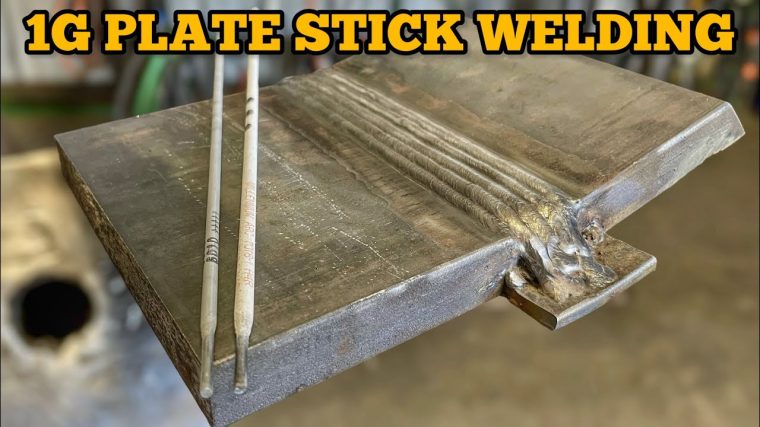
If you want to learn how to stick weld, you’re in the right place. Stick welding is a powerful skill that can help you fix metal, build projects, or even start a new hobby.
But it can feel tricky at first. Don’t worry—this guide will walk you through every step, making it simple and clear. By the end, you’ll know exactly what to do to create strong, clean welds. Ready to master stick welding and boost your confidence?
Let’s dive in.

Credit: www.tiktok.com
Basic Equipment Setup
Setting up your equipment correctly is the foundation of successful stick welding. Without the right tools and preparation, you risk poor weld quality and safety hazards. Let’s walk through the basic gear you need to get started confidently.
Choosing The Right Welder
Pick a welder that matches your project size and power source availability. Most beginners benefit from a stick welder with adjustable amperage to handle different electrode types. Consider if you’ll weld outdoors or indoors—portable models are handy for fieldwork, while heavier machines suit workshop use.
Have you checked the input power requirements? Some welders need 220V, while others run on 110V outlets. Matching your power supply avoids frustration and equipment damage.
Selecting Electrodes
Electrodes come in various types, each designed for specific metals and welding positions. Start with an all-purpose electrode like E6013—it’s forgiving and works well on rusty or dirty metal. If you want stronger welds on steel, try E7018, but it requires a bit more skill and dry storage.
Think about the thickness of your metal. Thicker pieces need larger diameter electrodes for deeper penetration. Have a few sizes ready so you can adjust on the fly.
Preparing Safety Gear
Welding can be dangerous without proper protection. Always wear a helmet with the correct shade lens to protect your eyes from intense light. Don’t forget flame-resistant gloves and a jacket to shield your skin from sparks and heat.
Do you have a good ventilation plan? Welding fumes can be harmful, so working in a well-ventilated area or using a fume extractor is crucial. Safety isn’t just about gear—it’s about the environment you create around your workspace.
Surface Preparation
Surface preparation is crucial for successful stick welding. If the metal surface isn’t properly prepared, your weld won’t hold well, and you’ll likely face issues like weak joints or contamination. Taking the time to get this right saves you frustration and improves the strength of your welds.
Cleaning The Metal
Start by removing any dirt, grease, or oil from the metal. Use a wire brush or a clean rag with a degreaser to wipe down the surface thoroughly. Even a small amount of oil can cause poor weld quality, so be diligent here.
Have you ever tried welding on a surface that looked clean but still had contaminants? The weld beads won’t stick properly, and you’ll end up with spatter or cracks. Clean metal ensures a solid, consistent arc and better fusion.
Removing Rust And Paint
Rust and paint act as barriers between the electrode and the metal underneath. Use an angle grinder or a wire wheel to strip these layers off until you see shiny, bare metal. If you skip this step, the arc may become unstable, and the weld could fail.
Sometimes, rust hides in tight corners or edges. Don’t rush—inspect your workpiece closely and remove all flaky or loose material. This extra effort makes a big difference in weld integrity.
Setting Up A Stable Work Area
Before welding, make sure your workpiece is secure and won’t move during the process. Use clamps or a welding table to hold the metal steady. A shifting piece can lead to uneven welds or dangerous situations.
Think about your workspace layout too—good lighting and ventilation are essential. Have you noticed how a well-organized area helps you focus and reduces mistakes? Set up your tools within easy reach to keep the workflow smooth.
Welding Techniques
Stick welding joins metals by melting a coated electrode to create a strong bond. Proper technique involves maintaining the right arc length and steady hand movement. This method works well for thick materials and outdoor use.
Welding Techniques Stick welding requires precision and practice. Beginners often struggle with technique. Understanding key techniques helps improve skills quickly. Successful welding results from mastering electrode handling, arc length, and travel speed. Each plays a vital role in achieving strong, clean welds.Holding The Electrode
Proper electrode grip is crucial. Hold it firmly but gently. Too tight and control is lost. Too loose, and stability decreases. Position is key. Keep it perpendicular to the surface. This ensures even heat distribution. Keep wrist steady. Avoid shaking hands. Slow, controlled movements work best.Maintaining Arc Length
Arc length is the gap between electrode and metal. It affects weld quality. Keep it consistent. About 1/8 inch is ideal. Longer arcs cause splatter. Shorter arcs can stick. Adjust hand position to maintain length. Watch the arc closely. Listen to the welding sound. A steady buzz indicates good length.Controlling Travel Speed
Travel speed determines bead appearance. Move too fast, and beads are thin. Move too slow, and beads are wide. A steady pace is best. Watch the molten pool. It should follow the electrode tip. Adjust speed based on pool size. Practice on scrap metal. Find the speed that suits your style.
Credit: www.tiktok.com
Common Mistakes To Avoid
Sticking welds can be tricky, especially if you don’t know the common mistakes that can ruin your work. These errors often cause weak joints, wasted materials, and frustration. Knowing what to watch out for helps you weld smarter and cleaner from the start.
Preventing Arc Blow
Arc blow happens when the electric arc veers off course, making your weld uneven or causing it to stop altogether. This usually occurs because of magnetic fields around the metal. You can prevent this by adjusting your angle or changing the welding position.
Have you noticed your arc drifting unexpectedly? Try switching the ground clamp to the opposite side of the workpiece or using a shorter arc length. These small changes can keep your arc stable and your weld smooth.
Avoiding Slag Inclusion
Slag inclusion is when the protective layer of flux gets trapped inside the weld metal, weakening the joint. This often happens if you don’t clean the weld area between passes or if your technique is too fast. Take your time to chip away slag and brush the surface before adding new weld beads.
If you rush, slag can sneak in unnoticed. Use a wire brush after each pass and watch your welding speed—too quick can lead to poor fusion. How often do you check your weld for slag? Making it a habit can save you from costly rework.
Managing Overheating
Overheating the metal causes warping, burn-through, and weak joints. This happens when the current is too high or you stay too long in one spot. Keep your electrode moving steadily to avoid concentrating heat in one area.
Think about how you can control heat input better. Try lowering your amperage or using shorter weld beads to give the metal time to cool. Have you ever seen your workpiece distort after welding? Managing temperature is key to keeping your project intact.
Advanced Tips For Quality Welds
Achieving high-quality stick welds requires more than just basic skills. Fine-tuning your technique and equipment makes a big difference. These advanced tips help enhance the strength and appearance of your welds. Focus on bead patterns, current settings, and metal types to improve your results.
Using Stringer And Weave Beads
Stringer beads are straight and narrow. They create deep penetration and a clean weld. Use them for thin metals or tight spaces. Weave beads move side to side. They cover a wider area and add strength. Use weave beads on thicker metals or wide joints.
Switch between stringer and weave beads depending on the weld area. This controls heat and prevents warping. Both bead types improve weld quality when used properly.
Adjusting Current Settings
Correct current settings prevent common welding problems. Too low current causes weak welds and poor fusion. Too high current leads to burn-through and excessive spatter. Adjust the amperage based on electrode size and metal thickness.
- Use lower amperage for thin metals to avoid damage.
- Increase amperage for thicker metals to ensure good penetration.
- Test settings on scrap metal before welding the final piece.
Fine-tuning current improves weld strength and appearance. It also extends electrode life.
Handling Different Metals
Each metal type welds differently. Steel is common and welds easily with most electrodes. Stainless steel needs clean surfaces and proper electrode choice to avoid contamination. Cast iron requires preheating to reduce cracking risks.
- Clean metal surfaces to remove rust and oil.
- Use electrodes designed for specific metals.
- Consider preheating for thick or high-carbon metals.
Understanding metal properties helps you choose the right techniques. This reduces defects and strengthens welds.
Post-weld Practices
After finishing your stick weld, the work isn’t quite over. Post-weld practices are crucial to ensure the strength and appearance of your weld hold up over time. Taking a few extra minutes to care for the weld bead can save you headaches and repairs down the road.
Cleaning The Weld Bead
Cleaning the weld bead removes slag and impurities that can weaken the joint or cause corrosion. Use a chipping hammer to carefully break away the slag, then brush the weld with a wire brush for a smooth finish.
Be gentle but thorough; leftover slag can hide cracks or pits. If you skip this step, rust and contamination can sneak in, reducing your weld’s durability.
Inspecting For Defects
Look closely at your weld for common defects like cracks, porosity, or undercutting. These flaws might not be obvious at first glance but can seriously compromise the weld’s integrity.
Ask yourself: does the weld bead look uniform and consistent? If you spot irregularities, it might be worth grinding down and rewelding that section. Catching defects early prevents costly repairs later.
Proper Cooling Techniques
How you cool your weld affects its strength. Rapid cooling can cause brittleness, while cooling too slowly may result in warping.
Let the weld cool naturally at room temperature whenever possible. Avoid spraying water or quenching immediately after welding, as this can introduce stress and cracks.
Have you noticed how a carefully cooled weld lasts longer? That’s no accident—it’s science in action, and your attention to this detail makes all the difference.

Credit: www.tiktok.com
Frequently Asked Questions
What Is Stick Welding And How Does It Work?
Stick welding is a manual arc welding process using a consumable electrode. It creates an electric arc between the electrode and metal, melting both to form a strong joint.
What Equipment Do I Need For Stick Welding?
You need a welding machine, electrode holder, ground clamp, welding rods, protective gear, and a power source to start stick welding safely and effectively.
How Do I Prepare Metal Surfaces For Stick Welding?
Clean the metal by removing rust, paint, and dirt. Use a wire brush or grinder to ensure a smooth surface for better weld quality.
What Are Common Stick Welding Tips For Beginners?
Maintain a steady hand, use the correct electrode angle, control arc length, and practice consistent travel speed to achieve clean, strong welds.
Conclusion
Stick welding takes practice and patience to get right. Start with clean metal and steady hands. Control your heat and speed for strong welds. Safety gear always protects you from sparks and burns. Keep practicing small projects to build your skill.
Soon, you will weld with more confidence and ease. Stick welding is a useful skill for many repairs. Don’t rush; take your time and learn each step. Your efforts will pay off with durable, solid joints. Welding well feels rewarding and opens new possibilities.
About The Author

