
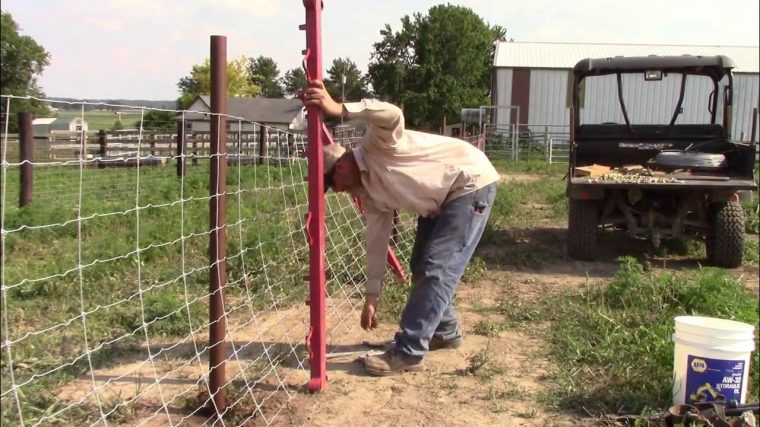
If you have a welded wire fence, you know it needs to be tight and secure to do its job well. But over time, your fence can sag or loosen, making it less effective and less attractive.
Knowing how to stretch welded wire fence properly will save you time, money, and frustration. You’ll discover simple, step-by-step tips to tighten your fence like a pro. By the end, you’ll feel confident handling your fence and keeping it strong for years to come.
Ready to learn the easy way to stretch your welded wire fence? Let’s get started!
Tools Needed
Stretching a welded wire fence needs the right tools. These tools help pull the wire tight and keep it steady. Using proper equipment makes the job easier and safer. Below is a list of tools you will need to stretch your fence properly.
Essential Equipment
- Fence Stretcher: Pulls the wire tight across posts.
- Come-Along or Hand Winch: Helps tighten the wire with controlled force.
- Wire Cutters: Cuts excess wire cleanly and safely.
- Fence Pliers: Combines gripping, cutting, and twisting functions.
- Staple Hammer: Drives staples to fasten wire to posts.
- Measuring Tape: Measures fence length and spacing accurately.
- Post Driver: Installs fence posts firmly into the ground.
Safety Gear
- Work Gloves: Protect hands from sharp wire and tools.
- Safety Glasses: Shield eyes from flying debris or wire ends.
- Long Sleeve Shirt and Pants: Guard skin against scratches and cuts.
- Sturdy Boots: Provide good footing and protect feet from injury.

Credit: www.reddit.com
Preparing The Fence
Preparing a welded wire fence for stretching sets the foundation for a strong and effective fence. This stage ensures the area and materials are ready, making the stretch process smoother and safer. Taking time to prepare avoids future problems and saves effort.
Clearing The Area
Remove any debris near the fence line. Clear grass, rocks, and branches that block access. A clean area prevents tripping hazards and helps you move freely along the fence. Check both sides of the fence for obstacles. Keep tools and equipment close but out of the work zone. This step creates a safe, open space to work efficiently.
Inspecting The Wire
Check the welded wire for damage before stretching. Look for broken or rusted wires that weaken the fence. Tighten any loose staples or fasteners holding the wire to posts. Replace sections that show signs of wear or sagging. Make sure the wire is free from twists and kinks. A strong, intact wire ensures the fence will stretch evenly and hold firm once tightened.
Loosening The Fence
Loosening a welded wire fence is a crucial step before stretching it tight. If the fence is too tight or damaged, working on it without loosening can cause more harm than good. Taking your time to carefully loosen the fence ensures you maintain its strength and avoid unnecessary repairs later on.
Removing Staples Or Fasteners
Start by locating the staples or fasteners holding the wire fence to the posts. Use a claw hammer or staple remover to gently pry them out without bending the wire. Avoid rushing this step—damaging the wire can lead to costly replacements.
Sometimes staples are rusted or hammered in deep. In such cases, a pair of pliers or a flathead screwdriver can help you loosen them before removal. If you find any damaged staples, replace them with new galvanized ones to prevent rusting in the future.
Detaching Wire Ends
Once the staples or fasteners are removed, focus on detaching the wire ends. Often, wire ends are twisted or hooked around fence posts or tension wires. Carefully untwist or unhook these to free the fence from its fixed points.
Be mindful of sharp edges while handling wire ends—they can easily cause cuts. Wearing thick gloves can protect your hands during this process. Have you noticed how a little patience here can save you from extra trips to the hardware store?

Credit: www.amazon.com
Stretching Techniques
Stretching welded wire fence is essential for a tight and secure barrier. Proper stretching prevents sagging and ensures durability. Using the right technique makes the job easier and improves the fence’s lifespan. Two common ways to stretch welded wire fence include using a fence stretcher and manual stretching. Both methods require care and the right tools for best results.
Using A Fence Stretcher
A fence stretcher is a tool designed to pull the wire fence tightly. Attach the stretcher to one end of the fence wire. Secure the other end to a solid post or anchor. Turn the handle slowly to pull the fence tight. This method provides strong, even tension across the wire.
Fence stretchers reduce physical strain and improve accuracy. They work well for long fence runs. Use gloves to protect your hands during the process. Make sure the wire does not twist or bend as you stretch it.
Manual Stretching Tips
Manual stretching works best for short fence sections or small repairs. Start by pulling the wire with steady, even force. Use pliers or a come-along tool to grip the wire firmly. Stretch the wire gradually to avoid snapping.
- Work with a partner to hold the wire steady.
- Check the tension frequently to keep the wire tight but not over-stretched.
- Secure the wire quickly with staples or clips once stretched.
Manual stretching demands patience and care. Keep your feet clear of the wire to avoid injury. Regularly inspect the fence for any weak spots after stretching.
Securing The Wire
Securing the wire is a vital step in stretching welded wire fence. It holds the wire tight and keeps the fence strong. Proper securing prevents sagging and damage from wind or animals. Use the right tools and materials to attach the wire firmly to posts or frames. This ensures the fence stays in place for years.
Reattaching Wire Ends
Start by overlapping the wire ends by at least two inches. Use wire ties or heavy-duty fencing wire to twist the ends together. Make sure the connection is tight and secure. Cut off extra wire to avoid sharp edges. Double-check the join to confirm it can hold tension without slipping.
Nailing And Stapling
Choose galvanized fencing staples or nails to prevent rust. Drive staples around the wire at regular intervals, about every 6 to 12 inches. Avoid crushing the wire by not hammering too hard. Use a staple gun or hammer for quick and firm attachment. Secure the wire along the entire post to maintain consistent tension.
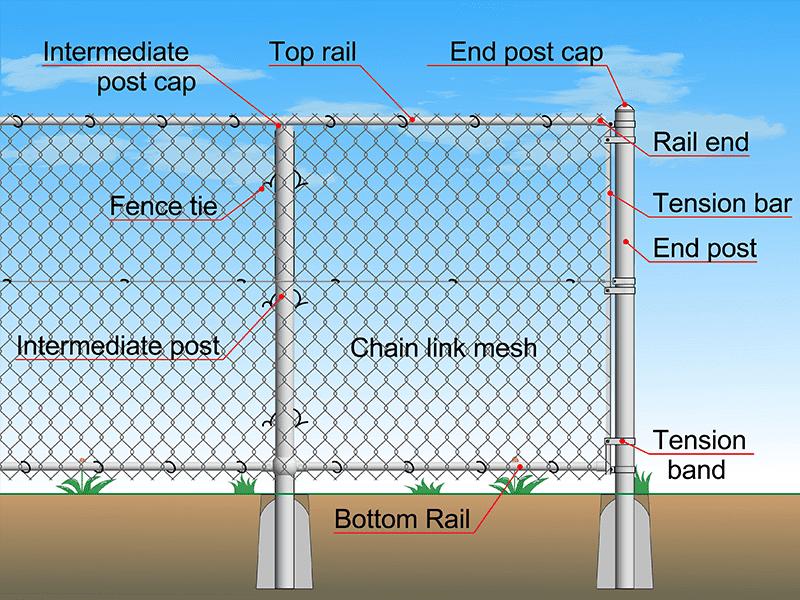
Credit: www.weldedwiremeshpanel.com
Final Checks
After stretching your welded wire fence, final checks are essential to ensure the job holds up over time. Skipping this step can lead to loose wires or weak spots that compromise the fence’s strength and appearance. Taking a few extra minutes now saves you headaches later and guarantees your fence stands firm.
Testing Tension
Feel the wire along the entire fence line. The tension should be firm but not so tight that it risks snapping. Use a fence tension gauge if you have one, or simply press the wire with your hand to check for any sagging areas.
Walk the fence from end to end, paying attention to corners and gate areas. These spots often bear more stress and can lose tension faster. Have you noticed any sections where the wire moves easily? Those areas need tightening before you finish.
Adjusting Loose Spots
Loose spots are common after stretching and can cause gaps or weak points. Use fence pliers or a come-along tool to pull these areas tighter. Work slowly to avoid damaging the wire or posts.
If you find a stubborn loose section, try loosening the adjacent wire slightly before re-tightening. This helps distribute tension evenly. Remember to secure all clips, staples, or ties firmly once the wire is tight.
Maintenance Tips
Proper maintenance keeps your welded wire fence strong and lasting. Regular care prevents costly repairs and ensures safety. Focus on simple steps to maintain its shape and durability.
Regular Inspection
Check the fence at least once a month. Look for loose wires, damaged posts, or sagging sections. Tighten any loose wires using pliers. Replace broken or bent parts quickly to avoid bigger problems. Keep an eye on gates and hinges for smooth operation.
Preventing Rust And Damage
Rust weakens the metal and shortens fence life. Apply a protective coating or paint designed for metal surfaces. Clean the fence from dirt and debris regularly with water and a soft brush. Avoid using harsh chemicals that can damage the wire. Trim plants and grass near the fence to reduce moisture buildup. Clear snow and ice in winter to prevent bending or rusting.
Frequently Asked Questions
How Do You Properly Stretch A Welded Wire Fence?
To stretch a welded wire fence, secure one end firmly. Use a fence stretcher or come-along tool to pull the wire tight. Attach the wire to posts while maintaining tension. This prevents sagging and ensures durability.
What Tools Are Needed To Stretch Welded Wire Fencing?
Essential tools include a fence stretcher, come-along, fence pliers, wire cutters, and post drivers. These tools help apply tension, cut wire, and secure it to posts efficiently and safely.
Can I Stretch Welded Wire Fence Alone?
Stretching welded wire fence alone is difficult but possible. Using a come-along tool and securing the wire tightly helps. However, having a helper speeds up the process and improves safety.
How Tight Should Welded Wire Fence Be Stretched?
Stretch the welded wire fence until it is firm but not overly tight. Avoid excessive tension to prevent wire damage or post bending. A snug fit ensures effective fencing and longevity.
Conclusion
Stretching welded wire fence can seem daunting. But it’s doable with patience. Start with the right tools. Measure and plan carefully. Secure the fence tightly to posts. Always check for tension. It should be snug, not overly tight. Use gloves to protect hands.
Regular checks ensure long-lasting fences. Well-stretched fences resist wear better. They protect your space effectively. Keep practicing for better results. Each try builds your skill. Soon, you’ll stretch fences with ease. Enjoy the satisfaction of a job well done. Your effort pays off with a strong, durable fence.
About The Author

