
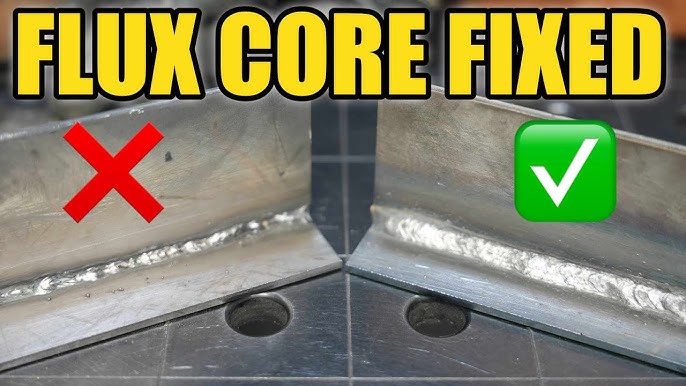
Welding with a flux core wire welder might seem tricky at first, but once you get the hang of it, you’ll find it’s a powerful skill that can save you time and money. Whether you’re fixing metal, building something new, or just curious about welding, this guide is made for you.
You’ll learn simple steps and helpful tips that make welding easier and safer. Keep reading, and by the end, you’ll feel confident to tackle your next welding project like a pro.

Credit: weldingsupplystoreutah.com
Choosing The Right Equipment
Choosing the right equipment is the foundation of successful welding with a flux core wire welder. The right tools not only make your work easier but also improve the quality and safety of your welds. Before you start, take a moment to evaluate what you need and how it fits your specific welding projects.
Selecting A Flux Core Welder
Not all flux core welders are created equal. You need to pick a machine that matches your skill level and the type of metal you will work with.
- Power Output:Look for a welder with adjustable amperage to handle different thicknesses of metal.
- Portability:If you plan to weld in various locations, a lightweight, compact model will save you hassle.
- Wire Size Compatibility:Check the machine supports the wire size you intend to use for your projects.
Think about how often you’ll use the welder and what kind of jobs you’ll tackle most. A beginner might prefer a simple, user-friendly model, while an experienced welder might want more control and power.
Essential Safety Gear
Safety isn’t optional—it’s your top priority. Welding produces intense heat, sparks, and fumes that can seriously harm you without the right protection.
- Helmet with Auto-Darkening Lens:Protect your eyes and face from sparks and harmful UV rays.
- Welding Gloves:Use thick, heat-resistant gloves to shield your hands from burns and cuts.
- Protective Clothing:Wear long sleeves and pants made from flame-resistant materials.
- Respirator or Mask:Avoid inhaling fumes by using a proper respirator, especially in enclosed spaces.
Have you ever felt the sting of a flying spark or the discomfort of breathing in smoke during welding? Proper safety gear prevents those experiences and keeps you focused on your craft.
Understanding Flux Core Welding
Understanding flux core welding is key to mastering your flux core wire welder. This welding technique combines a special wire and shielding gas to create strong, durable welds. Knowing how it works will help you get cleaner results and avoid common mistakes.
Basics Of Flux Core Welding
Flux core welding uses a tubular wire filled with flux. When the wire melts, the flux creates a gas shield around the weld, protecting it from contamination. Unlike traditional MIG welding, this method often doesn’t require an external gas supply, making it perfect for outdoor or windy conditions.
You feed the wire continuously through the gun while the machine powers the arc. The heat melts both the wire and the metal pieces you’re joining, fusing them together. It’s a simple setup but requires attention to wire speed and voltage for the best welds.
Have you ever struggled with welds that crack or have weak spots? Understanding these basic principles can help you adjust your technique and settings to avoid those issues.
Advantages Of Flux Core Welding
- Portability:Without the need for external shielding gas, you can weld in remote or windy areas easily.
- Speed:Flux core welding allows for faster welding speeds, which helps in completing projects quicker.
- Penetration:It provides deep weld penetration, ideal for thick or dirty metals.
- Cost-Effective:You save on gas cylinders and reduce equipment complexity.
When I first started welding outdoors, the wind kept blowing away my shielding gas, ruining my welds. Switching to flux core welding solved that problem instantly. This experience showed me how the technique’s flexibility can make your work more efficient and less stressful.
Setting Up The Workspace
Setting up a proper workspace is key for safe and effective welding with a flux core wire welder. A clean, organized area helps you focus and avoid accidents. Taking time to prepare your welding space improves your overall work quality.
Preparing The Welding Area
Choose a well-ventilated space to avoid harmful fumes. Keep the area free from clutter and flammable materials. Use a fire-resistant surface or welding table for your work. Ensure good lighting so you clearly see your welds. Position your workspace away from wet or damp spots to reduce electrical hazards.
Organizing Tools And Materials
Gather all welding tools and materials before starting. Arrange the flux core wire welder, welding helmet, gloves, and clamps within easy reach. Keep spare wire and shielding materials nearby. Store tools on a sturdy rack or table to prevent loss or damage. A tidy setup saves time and helps maintain focus during welding.
Preparing The Metal
Preparing the metal is the first key step in welding with a flux core wire welder. Proper preparation ensures strong, clean welds. It reduces the chances of defects and weak joints. Focus on two main areas: cleaning the surface and cutting and fitting pieces. These tasks help the welder work smoothly and safely.
Cleaning The Surface
Remove all rust, paint, oil, and dirt from the metal. Use a wire brush or grinder to clean the welding area. Dirt and rust cause poor welds and weak bonds. Wipe the metal with a clean cloth after brushing. Avoid using water or any liquid that can cause rust. The cleaner the surface, the better the weld quality.
Cutting And Fitting Pieces
Cut metal pieces to the correct size and shape. Use a metal saw or cutting torch for precise cuts. Make sure edges are smooth to avoid gaps. Fit the pieces closely together without force. Tight joints help create solid welds. Use clamps to hold pieces steady during welding. Proper fitting saves time and improves weld strength.
Setting Up The Welder
Setting up your flux core wire welder correctly is crucial for achieving clean, strong welds. The right adjustments and wire loading can make your work smoother and prevent common welding issues. Let’s break down what you need to focus on before striking that arc.
Adjusting Voltage And Wire Speed
Voltage and wire speed control the heat and metal feed, which directly affect weld quality. Too high voltage can cause spatter, while too low leads to weak welds. Wire speed that’s too fast burns wire off before it melts, and too slow starves the weld.
Start by checking the welder’s chart or manual settings based on metal thickness. Adjust voltage to get a stable arc with minimal spatter. Then tweak wire speed so the wire feeds smoothly without bird-nesting or sputtering.
Ask yourself: Does the arc sound steady, like a constant hum, or is it popping irregularly? That’s your clue to fine-tune these settings. Don’t hesitate to test on scrap metal to dial in the perfect balance before welding your project.
Loading The Flux Core Wire
Loading the wire spool correctly prevents feed issues and interruptions during welding. Begin by opening the wire compartment and removing any old or tangled wire.
Insert the new spool, ensuring it spins in the right direction to feed wire smoothly. Feed the wire through the drive rolls and into the gun liner carefully, avoiding kinks or bends.
Secure the tension on the drive rolls just enough to grip the wire without crushing it. Pull the trigger briefly to advance the wire and check for smooth movement. If the wire doesn’t feed easily, recheck alignment and tension—this step can save you a lot of frustration later.
Credit: royalarc.in
Executing The Weld
Executing the weld is where your preparation meets action. This stage demands focus, steady hands, and a clear understanding of how your flux core wire welder behaves. Mastering the execution can make the difference between a strong weld and one that needs redoing.
Striking The Arc
Striking the arc is like lighting a spark that starts the welding process. Hold the gun at a slight angle, about 10 to 15 degrees from vertical, and gently touch the wire tip to the metal surface.
Quickly pull back just a little to create the arc. If you push too hard, you may stick the wire, causing disruptions. If you pull back too far, the arc might be unstable or even go out.
Ask yourself: Can you control the distance between the wire and the metal without hesitation? Practice this until the arc strikes smoothly every time.
Maintaining Proper Technique
Once the arc is established, keeping a consistent technique is critical. Maintain a steady travel speed and keep the nozzle at the right distance, generally about ½ inch from the workpiece.
Hold the gun at about a 10-15 degree angle from the direction of travel to ensure proper shielding gas coverage from the flux core. Moving too fast can cause gaps and weak spots, while moving too slow leads to excessive buildup and warping.
Try to keep your wrist loose and your arm supported. This helps avoid fatigue and keeps your weld bead smooth and uniform. Have you noticed how small changes in angle or speed affect the bead’s shape?
- Keep a consistent arc length to avoid spatter and poor penetration.
- Use a push or drag technique depending on the weld position and material thickness.
- Adjust your speed to keep the molten pool steady and flowing smoothly.
Inspecting The Weld
Inspecting your weld is a crucial step that ensures your work is strong and safe. After finishing your weld with a flux core wire welder, don’t just move on. Take time to closely examine what you’ve created.
Checking For Defects
Look carefully at the weld bead’s surface. Are there cracks, holes, or uneven spots? These defects can weaken your weld and cause it to fail.
Use a wire brush or grinder to clean the weld area for better visibility. Small pores or slag inclusions might hide beneath surface dirt. Spotting these early lets you fix problems before they become serious.
Ask yourself: Does the weld bead flow smoothly? Jagged edges or sharp peaks often mean poor technique or incorrect settings. Adjust your machine or practice your hand movement if needed.
Ensuring Structural Integrity
Beyond surface checks, consider the weld’s strength. Tap the weld lightly with a hammer—does it sound solid or hollow? Hollow sounds may indicate internal flaws.
Think about the metal pieces you’re joining. Are they aligned properly with no gaps? Even a perfect weld won’t hold well if the parts aren’t fitted correctly.
Sometimes, you might need to perform a bend test or cut a small section to inspect inside. These tests reveal hidden weaknesses that visual checks can’t catch.
Have you ever skipped inspection only to find your weld failed later? Taking a few extra minutes to inspect can save you from bigger problems down the road.
Common Mistakes To Avoid
Welding with a flux core wire welder can be straightforward, but many beginners stumble on common errors that affect the quality of their welds. Avoiding these mistakes will save you time, materials, and frustration. Let’s look closely at some pitfalls and how you can steer clear of them to get clean, strong welds every time.
Overheating The Metal
It’s easy to get carried away with heat, especially when you want a quick weld. But overheating the metal causes warping, burn-through, and weak joints. Pay attention to how long you hold the gun in one spot. If the metal starts to glow red or you see excessive spatter, you’re applying too much heat.
Try moving the welder steadily and evenly. If you feel the metal getting too hot, pull back or reduce your welding speed. Have you noticed how a slight pause or slow movement changes the weld’s appearance? That’s your cue to control the heat better.
Incorrect Wire Speed
The wire speed controls how much filler metal is fed into the weld pool. Too fast, and the wire piles up causing clumps and weak spots. Too slow, and you’ll struggle with poor fusion and gaps. Getting the wire speed just right is like finding the sweet spot in a rhythm.
Start with the manufacturer’s recommended settings and adjust based on your project. Listen to the sound of the arc; a steady crackle means you’re on track. If it hisses or sputters loudly, adjust the wire speed immediately. Have you tried experimenting with small changes until the weld looks smooth and consistent?
Tips For Improving Skill
Improving your skill with a flux core wire welder takes more than just reading manuals or watching videos. It requires deliberate effort and smart practice. Here are practical tips to help you sharpen your welding technique and gain confidence faster.
Practicing Consistently
Consistency is key in welding. Set aside regular time—whether daily or weekly—to practice specific welds. Focus on basic bead runs and gradually increase difficulty as you gain control.
Try welding on different metal types and thicknesses to understand how your machine reacts. Keep a log of what works and what doesn’t. This helps you spot patterns and avoid repeating mistakes.
Ask yourself: How can I improve my speed without sacrificing quality? This question pushes you to find balance between precision and efficiency.
Learning From Experienced Welders
Watching skilled welders can reveal techniques that videos often miss. If possible, spend time with a professional or join a welding class to get hands-on tips. Their feedback on your welds can be invaluable.
Don’t hesitate to ask questions about their setup, settings, and approach to tricky joints. You might learn small tweaks that make a big difference in your weld quality.
Remember, welding isn’t just about following steps; it’s about developing a feel for the process. Observing experts helps you internalize this feel faster than practicing alone.
Credit: www.arccaptain.com
Safety Precautions
Safety is the top priority when welding with a flux core wire welder. Protecting yourself and others prevents accidents and injuries. Always prepare your workspace and equipment carefully. Wear the right gear and follow all safety rules.
Handling Equipment Safely
Keep your welding equipment in good condition. Check cables and connections for damage before use. Use insulated gloves to protect your hands from heat and sparks. Hold the welding gun firmly to control the arc. Store the welder in a dry, safe place after use. Never touch live wires or metal parts with bare skin.
Avoiding Welding Hazards
Wear a welding helmet with a proper shade to protect your eyes. Keep your face and body covered to avoid burns from sparks. Work in a well-ventilated area to reduce exposure to harmful fumes. Remove flammable materials from your workspace. Be aware of your surroundings and keep a fire extinguisher nearby. Avoid welding in wet or damp conditions to prevent electric shock.
Frequently Asked Questions
What Materials Can You Weld With A Flux Core Wire Welder?
Flux core welders work best on mild steel and some stainless steel. They are not ideal for aluminum or thin metals. This method is great for outdoor work since flux protects the weld from contaminants.
How Do I Set The Correct Wire Feed Speed?
Adjust the wire feed speed based on metal thickness. Start with manufacturer guidelines, then fine-tune for a steady, smooth weld bead. Too fast causes spatter; too slow leads to poor fusion.
Is Safety Gear Necessary When Welding With Flux Core Wire?
Yes, always wear a welding helmet, gloves, and protective clothing. Flux core welding produces sparks, UV rays, and fumes. Proper ventilation and eye protection prevent injuries and health risks.
Can I Weld Outdoors Using A Flux Core Wire Welder?
Yes, flux core welding excels outdoors since the flux shields the weld from wind and contaminants. It’s less sensitive to drafts than MIG welding, making it ideal for outdoor and construction projects.
Conclusion
Welding with a flux core wire welder is simple and effective. Practice helps you control the speed and angle better. Always wear safety gear to protect yourself. Clean metal surfaces lead to stronger welds. Keep your welder settings steady for smooth results.
Try small projects first to build confidence. Soon, you will see your skills improve. Remember, patience and practice make a big difference. Enjoy the process and keep learning each time. Welding can be a useful and rewarding skill for you.
About The Author

