
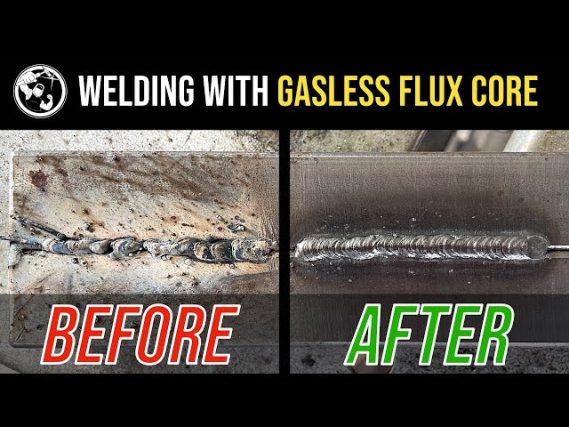
If you’re eager to dive into the world of welding but feel overwhelmed by the myriad of techniques out there, you’re not alone. Welding with flux core might just be the ideal starting point for you.
It’s a method celebrated for its simplicity and effectiveness, making it perfect for both beginners and seasoned welders looking to refine their skills. Imagine being able to create strong, sturdy welds without the fuss of shielding gas, even in outdoor or windy conditions.
Sounds appealing, right? By learning how to weld with flux core, you’ll unlock a new level of craftsmanship and confidence. This guide is designed to break down the process into manageable steps, making it easy for you to master this valuable skill. Ready to transform your welding abilities and tackle projects with ease? Let’s get started!
Understanding Flux Core Welding
Understanding flux core welding involves using a special wire filled with flux. It’s perfect for outdoor projects. This technique works well on thick materials, offering strong welds in challenging conditions.
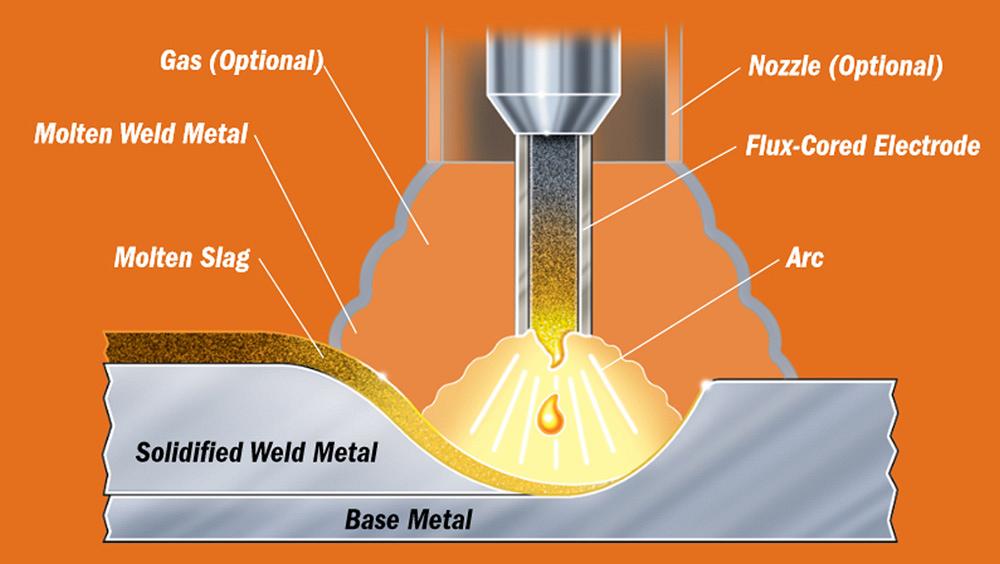
Understanding Flux Core Welding Flux core welding is a versatile and powerful technique that many welders, both novice and experienced, find highly effective. It involves using a special tubular wire filled with flux, which eliminates the need for a shielding gas. This process is particularly useful for welding in outdoor conditions, where wind can interfere with gas shielding methods.What Is Flux Core Welding?
Flux core welding, often abbreviated as FCAW (Flux Core Arc Welding), is a type of welding that uses a hollow wire electrode filled with a flux compound. As the wire melts, the flux creates a gas shield around the weld pool, protecting it from contaminants. This method is similar to MIG welding but stands out due to its ability to work without external gas. The process is simple to learn, making it popular among hobbyists and professionals alike. It’s particularly effective for welding thicker materials and can be used on a variety of metals.Benefits Of Flux Core Welding
Using flux core welding offers several advantages that make it a preferred choice for many welders.- Versatility:It works well in various positions and is suitable for both indoor and outdoor projects.
- Cost-Effective:Without the need for external shielding gas, your setup costs are reduced.
- High Deposition Rate:This technique allows for faster welding speeds, saving you time on larger projects.
Credit: www.thefabricator.com
Essential Equipment
Welding with flux core offers simplicity and efficiency. To get started, having the right equipment is crucial. This ensures safety and quality results. Let’s explore what you need to begin.
Choosing The Right Welder
Picking the correct welder is essential for successful welding. Consider the power output. More power means thicker materials can be welded. Check for ease of use. User-friendly controls are a plus. Portability is another factor. Lightweight models are easier to move around. Ensure compatibility with flux core wire. Not all welders support flux core.
Necessary Safety Gear
Safety gear protects you during welding. A welding helmet is a must. It shields your eyes from bright light. Gloves are important too. They guard your hands from heat and sparks. Wear a flame-resistant jacket. It keeps your upper body safe. Steel-toed boots protect your feet. Never forget ear protection. Welding can be loud. Safety gear ensures you stay safe while working.
Preparing To Weld
Gather necessary tools like a welding machine and safety gear before starting. Ensure the workspace is clean and well-ventilated for safe welding. Adjust the settings on your flux core welder to match the thickness of the metal.
Preparing to weld with flux core requires careful planning. Ensuring the workspace is set up correctly is vital. This preparation helps in achieving clean and strong welds.Setting Up Your Workspace
Begin by selecting a well-ventilated area. Good ventilation prevents harmful fumes from accumulating. Ensure the workspace is dry and free from flammable materials. Proper lighting is crucial for visibility. Set up strong lights to illuminate the welding area. Use a sturdy table or workbench. This provides a stable platform for your work. Keep your tools organized and within reach. Wear protective gear to ensure safety. A welding helmet, gloves, and a fire-resistant jacket are essential. Ensure you have a fire extinguisher nearby. Accidents can happen, and being prepared is crucial.Selecting The Correct Wire
Choosing the right wire impacts the weld quality. Flux core wires come in various sizes and types. Consider the material you are welding. Different metals require different wires. Check the wire diameter. It should match the thickness of the material. Research the manufacturer’s recommendations. They often suggest the best wire for specific tasks. Keep in mind the power settings of your welder. Some wires need higher power for effective results. Store your wire properly to prevent damage. Moisture can ruin the wire’s effectiveness. Keep it in a dry place until ready to use.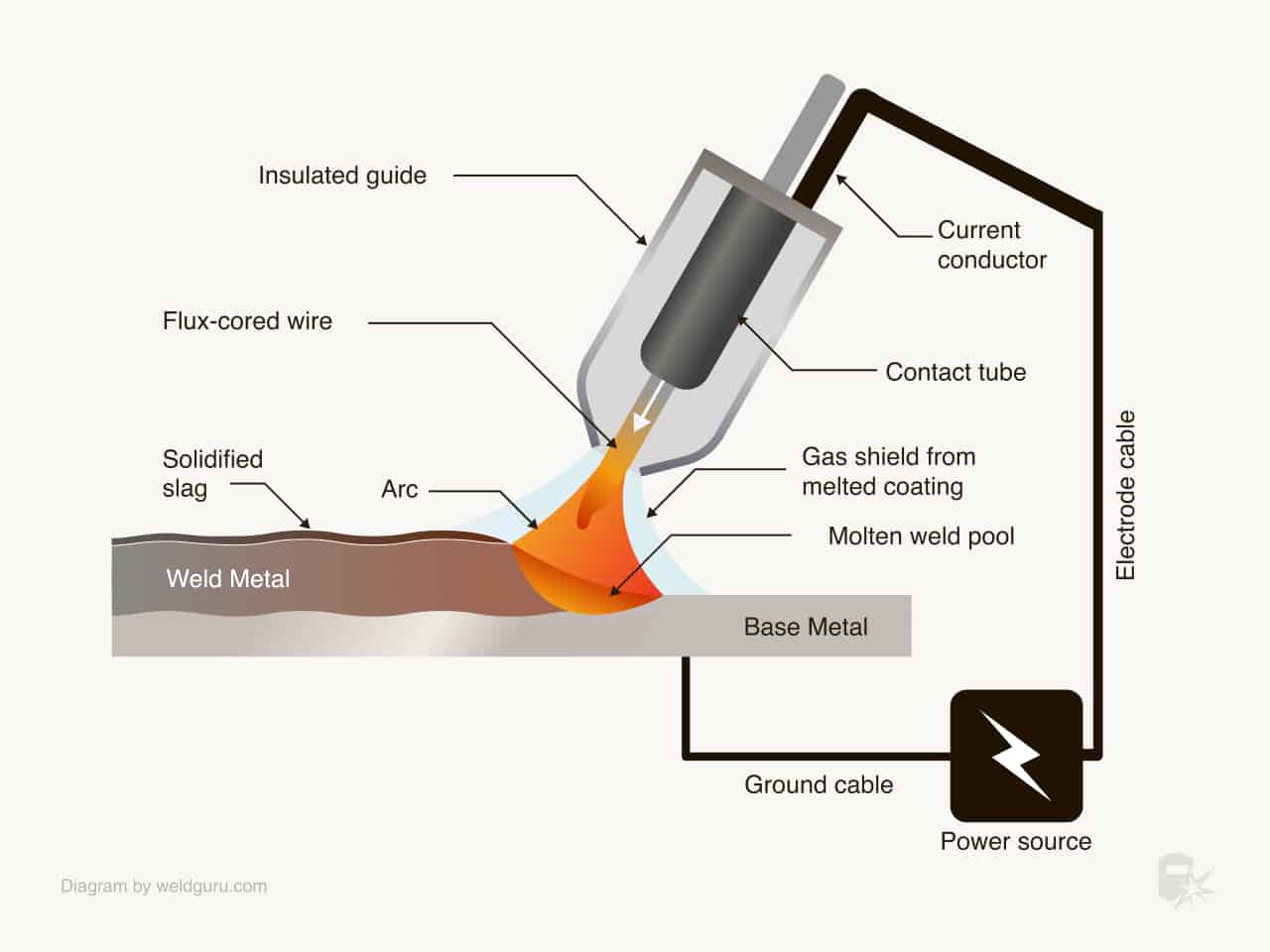
Credit: weldguru.com
Welding Techniques
Learn how to weld with flux core effortlessly. This technique requires minimal equipment and provides strong, reliable joints. Ideal for beginners, flux core welding offers easy setup and great results on various metals.
Welding with flux core requires a blend of skill and technique to ensure strong, clean welds. Whether you’re a beginner or an experienced welder, understanding the right welding techniques can significantly enhance the quality of your work. Mastering these techniques not only improves your welds but also boosts your confidence with every project.Basic Welding Techniques
Starting with the basics, maintaining a steady hand is crucial. Keep your welding gun at a consistent angle, typically around 15 to 30 degrees. This helps control the molten pool and ensures a smooth weld bead. Practice is key. Try welding on scrap metal to get a feel for the movement and speed. Adjust your travel speed to avoid burn-through or a weak weld. Keep an eye on your wire feed speed and voltage settings. The right balance prevents spatter and porosity, leading to cleaner welds. Remember, each material and thickness may require slight adjustments.Advanced Welding Techniques
As you advance, explore techniques like weaving and stringer beads. Weaving involves moving the torch side to side, which can help fill wider gaps in the joint. It requires a steady rhythm to avoid uneven welds. Stringer beads are used for narrow joints, focusing on a straight line. They are effective in reinforcing the weld’s strength without excessive heat input. Consider experimenting with different shielding gases if your setup allows. While flux core welding generally doesn’t require gas, using a gas-shielded flux core wire can improve weld quality in certain applications. Finally, always evaluate your welds. Look for consistency, penetration, and any defects. Continuous learning and adjustment will refine your technique over time. Are you ready to take your welding skills to the next level?Common Mistakes
Skipping proper preparation leads to weak welds with flux core. Many ignore correct machine settings, causing defects. It’s vital to clean the metal surfaces to ensure strong and smooth welds.
Welding with flux core can be a rewarding skill to master, but it’s not without its pitfalls. Many beginners and even seasoned welders make common mistakes that can lead to subpar results. Understanding these errors is crucial for improving your technique and achieving strong, clean welds. Let’s dive into some of these common mistakes and explore how you can avoid them.Avoiding Common Errors
One of the most frequent mistakes is using the wrong wire size. This can lead to inconsistent welds and weak joints. Always choose the wire size appropriate for the thickness of the material you’re working with. Another common error is improper machine settings. Setting your voltage too high or too low can lead to burn-through or weak penetration. Adjust your settings based on the material and wire size to ensure effective welding. Failure to clean the work surface is another mistake that can compromise weld quality. Dirt, rust, and oil can create barriers, making it difficult for the weld to hold. Always clean your materials thoroughly before starting.Troubleshooting Tips
If your welds are not strong, check your travel speed. Moving too quickly can cause thin, weak welds, while moving too slowly can result in excess buildup. Find a balance that allows for a steady flow and penetration. Are you experiencing excessive spatter? This might be due to incorrect wire placement or angle. Maintain a consistent angle and ensure the wire feeds smoothly into the weld pool. Notice uneven weld beads? This could be caused by an unstable hand. Practice maintaining a steady hand and consistent pace to achieve uniform beads. Ask yourself: Are you taking the time to prep your workspace properly? A cluttered area can lead to mistakes and accidents. Keep your space organized and ensure all tools are within reach. Remember, welding is as much about precision as it is about skill. By identifying and correcting these common mistakes, you can enhance your welding prowess and produce top-quality work.
Credit: www.youtube.com
Safety Practices
Welding with flux core can be a rewarding skill, but safety practices are crucial to ensure a secure and efficient working environment. Whether you’re a seasoned welder or just starting, maintaining safety should be your top priority. Let’s dive into some essential safety tips that will help you protect yourself and keep your equipment in top shape.
Protecting Yourself
Before you strike an arc, consider what you’re wearing. Protective clothing is not just a recommendation; it’s a necessity. A good welding helmet with a proper shade lens protects your eyes from harmful rays. Gloves made from flame-resistant material will keep your hands safe from sparks and heat.
Are you aware of your surroundings? Ventilation is vital in welding areas to prevent inhalation of hazardous fumes. Keep your work area well-ventilated and make use of fans or exhaust systems. Don’t compromise on safety by cutting corners here.
What about your ears? Welding can produce noise levels that are harmful over time. Ear protection like earplugs or muffs can safeguard your hearing. These small steps go a long way in ensuring your safety.
Maintaining Your Equipment
Your welding machine is your trusted ally. Regular inspections are essential to ensure it’s functioning properly. Check for damaged cables and connections, which can pose a serious risk. A frayed cable is an accident waiting to happen.
Cleaning is part of maintenance. Dust and debris can accumulate, affecting performance. Use compressed air to clear out any build-up in the machine’s vents and ensure smooth operation.
How often do you calibrate your machine? Maintaining the correct settings ensures efficient use and prolongs the life of your equipment. Don’t overlook the importance of routine checks to keep everything running smoothly.
Incorporating these safety practices not only protects you but also enhances your welding skills. Are you ready to implement these practices in your daily routine? Your safety and success depend on it.
Applications Of Flux Core Welding
Flux core welding is a versatile and efficient process that finds its application across various fields. Whether you’re in an industrial setting or tackling projects at home, understanding the specific uses of flux core welding can enhance your skills and broaden your horizons. Let’s dive into the practical applications of this powerful technique.
Industrial Applications
In industrial environments, flux core welding shines due to its high deposition rate and ability to weld thick materials. It’s commonly used in construction, shipbuilding, and heavy equipment manufacturing. Imagine building large structures or repairing heavy machinery; flux core welding provides the strength and durability required for these demanding tasks.
Its efficiency in outdoor settings is a game-changer. With flux core welding, you can work in windy conditions without compromising the weld quality. Think about the time saved and the increased productivity—it’s no wonder why industries rely on this method.
Diy Projects
If you’re a DIY enthusiast, flux core welding opens a world of possibilities. Picture crafting a custom metal sculpture or repairing a broken gate; the ease of use and affordability make it a favorite among hobbyists. You don’t need a fancy workshop or expensive equipment—just the right guidance and practice.
With a flux core welder, you can tackle projects that require precision and creativity. Ask yourself, what metal project have you always wanted to try? Now, with flux core welding, it’s within reach. Experiment, create, and enjoy the satisfaction of seeing your ideas come to life.
Frequently Asked Questions
How To Weld Good With Flux Core?
Ensure your equipment is clean and properly set up. Maintain a steady hand and consistent speed. Use appropriate wire and correct settings for the metal thickness. Keep the welding area ventilated. Practice regularly to improve technique and achieve cleaner welds.
Do You Push Or Pull When Welding With Flux Core?
You should use a pulling technique when welding with flux core. Pulling ensures better penetration and cleaner welds. Keep the angle around 15 degrees to improve slag removal. This method provides more control over the weld puddle and reduces spatter, resulting in a more efficient welding process.
How To Stop Spatter When Flux Core Welding?
Use the correct voltage and wire speed settings. Maintain a short stick-out and clean the welding surface. Adjust shielding gas flow rate. Consider using anti-spatter spray. Ensure proper technique and equipment maintenance for reduced spatter.
Do You Need A Gas When Welding With Flux Core?
Flux core welding does not require external gas. The wire contains flux, which shields the weld. It is ideal for outdoor welding and works well in windy conditions. This method is convenient for beginners and those without gas equipment. Always ensure proper ventilation for safety during flux core welding.
Conclusion
Welding with flux core is a practical skill. It’s useful for many projects. Safety is important, so always wear protective gear. Start with basic materials. Practice regularly to improve your technique. Remember, clean surfaces ensure better welds. Adjust the machine settings to match your work.
Stay patient and focused. Mistakes happen, but they are learning opportunities. Watch tutorials or join workshops for extra help. With time, you’ll get better and more confident. Keep exploring new techniques and tools. Your welding journey is just beginning. Enjoy the process and happy welding!
About The Author

