

Welding with TIG can seem tricky at first, but once you get the hang of it, you’ll unlock a whole new level of precision and control. Whether you want to fix a metal project, create something new, or improve your skills, learning how to weld with TIG will make your work look professional and strong.
In this guide, you’ll discover simple steps and expert tips that make TIG welding easier than you think. Ready to turn your metalwork into a masterpiece? Keep reading, because everything you need to know is right here.
Tig Welding Basics
Understanding the basics of TIG welding is essential before you pick up the torch. This technique offers precision and control that other welding methods often can’t match. Let’s break down what TIG welding is, why it might be the right choice for your projects, and where it’s commonly used.
What Is Tig Welding?
TIG stands for Tungsten Inert Gas welding. It uses a non-consumable tungsten electrode to produce the weld. You add filler metal separately, giving you greater control over the weld bead and heat input.
The process uses an inert gas, usually argon, to shield the weld from contamination. This makes TIG welding ideal for metals that are sensitive to oxidation like aluminum and stainless steel. Have you noticed how precise TIG welds look compared to other methods? That’s because you control the heat and filler separately.
Advantages Of Tig Welding
- High Precision:TIG allows for precise control over heat and filler, perfect for delicate or detailed work.
- Clean Welds:The inert gas shield prevents contamination, resulting in clean, strong welds with minimal spatter.
- Versatility:You can weld a wide range of metals including steel, aluminum, copper, and magnesium.
- Strong Joints:TIG welding produces high-quality joints with excellent corrosion resistance.
If you’ve ever struggled with messy welds or weak joints, TIG welding might change your experience. It demands skill but rewards you with quality.
Common Applications
Where does TIG welding shine the most? It’s popular in industries and projects that require precision and clean finishes.
- Aerospace:Aircraft components require strong, lightweight welds, making TIG the go-to method.
- Automotive:Custom car bodies and exhaust systems benefit from TIG’s precision and finish.
- Art and Sculpture:Artists choose TIG for its ability to create delicate metal pieces without damage.
- Food and Pharmaceutical Equipment:Cleanliness is critical, and TIG welds meet strict sanitary standards.
What project are you thinking about that could benefit from such precision? Trying TIG might open new doors in your metalworking skills.
Credit: www.pacificarctigwelding.com
Essential Equipment
Getting your hands on the right equipment is crucial before you start TIG welding. The quality of your tools can make a huge difference in the precision and safety of your work. Let’s break down the essential gear you need to weld with TIG successfully.
Tig Welder
The TIG welder is the heart of your setup. It controls the electrical current that melts the metal, so choosing one with adjustable settings is key. Look for a welder that offers both AC and DC output if you plan to work with different metals like aluminum and steel.
Think about the amperage range too; too low, and you won’t penetrate thick materials well. Too high, and you might burn through thinner metals. A welder with good heat control helps you avoid these issues and weld cleaner joints.
Tungsten Electrodes
Tungsten electrodes are what create the arc in TIG welding. They come in various shapes and sizes, each suited for specific metals and welding positions. For instance, a pointed tungsten is great for thin materials because it offers a focused arc.
Don’t overlook the importance of the right tungsten type: pure, thoriated, ceriated, or lanthanated. Each has unique properties affecting arc stability and lifespan. Ever tried welding with a dull tungsten? It’s frustrating and leads to poor weld quality, so keep them sharp and clean.
Protective Gear
Your safety depends on proper protective gear. A quality welding helmet with an auto-darkening feature lets you see the work clearly while protecting your eyes from harmful rays. Gloves and flame-resistant clothing shield your skin from sparks and heat.
Consider the comfort of your gear too. If your gloves are too bulky, you’ll lose control over the torch, affecting weld precision. Have you tested different helmets and gloves to find what fits your style best? Your personal comfort can dramatically improve your welding experience.
Choosing The Right Materials
Choosing the right materials is crucial for successful TIG welding. The quality of your weld depends heavily on the metals you use and how well they match. Understanding the properties of base metals and filler rods will save you time and improve your results.
Selecting Base Metals
Start by identifying the type of metal you want to weld. Common choices include stainless steel, aluminum, and mild steel. Each metal reacts differently to heat and requires specific handling during welding.
Think about the metal’s thickness and condition. Thin metals need more precise control to avoid warping. Dirty or rusty metals can cause weak welds, so always clean your base metal thoroughly.
Ask yourself: What environment will the welded piece be exposed to? For outdoor use, corrosion-resistant metals like stainless steel might be best. Your choice affects not only weld quality but also durability.
Filler Rod Selection
Your filler rod must be compatible with the base metal to ensure strong joints. Using the wrong filler can lead to cracks or weak bonds.
Consider the alloy composition and diameter of the filler rod. Thinner rods provide better control for delicate work, while thicker rods add strength for heavy-duty welding.
Personal experience taught me that matching filler rods to base metals is non-negotiable. Once, using a mismatched rod caused a weld to fail under stress, costing me hours of rework. Don’t let that happen to you.
Keep filler rods dry and store them properly to avoid contamination. Moisture can cause porosity in your welds, weakening the final product.
Preparing For Tig Welding
Preparing for TIG welding is a crucial phase that sets the foundation for a successful weld. Taking the time to arrange your workspace and clean your materials can save you from frustration and poor weld quality. Have you ever started welding only to realize your setup was off or your metal was dirty? It’s a common pitfall that’s easy to avoid.
Workspace Setup
Your workspace should be organized, well-lit, and free of any clutter that can catch sparks or obstruct your movement. Position your welding table at a comfortable height to avoid strain during long sessions. Make sure you have easy access to all your tools, including your TIG torch, filler rods, and shielding gas supply.
Good ventilation is essential since TIG welding produces fumes that you don’t want to inhale. If you don’t have a dedicated welding booth, consider using fans or opening windows to keep air flowing. Also, keep a fire extinguisher nearby—safety should never be an afterthought.
Material Cleaning Techniques
Clean materials lead to cleaner welds. Contaminants like oil, rust, and paint can cause porosity and weak joints. Use a stainless steel wire brush or a grinder to remove rust and scale from your metal surfaces before welding.
For oils and grease, wipe the metal with a cloth soaked in acetone or a similar solvent. Avoid touching the cleaned areas with your bare hands as oils from your skin can transfer onto the metal. How often do you check the cleanliness of your materials before welding? Making this a habit can drastically improve your weld quality.
Tig Welding Techniques
TIG welding requires skill and precision. Understanding key techniques can improve weld quality and safety. Focus on how to start, control heat, and handle filler rods for better results.
Establishing The Arc
Start by positioning the tungsten electrode close to the metal surface. Keep a steady hand to avoid touching the workpiece. Strike the arc by gently tapping or scratching the metal. Maintain a short arc length for better control. Too long an arc causes spatter and weak welds.
Controlling The Heat
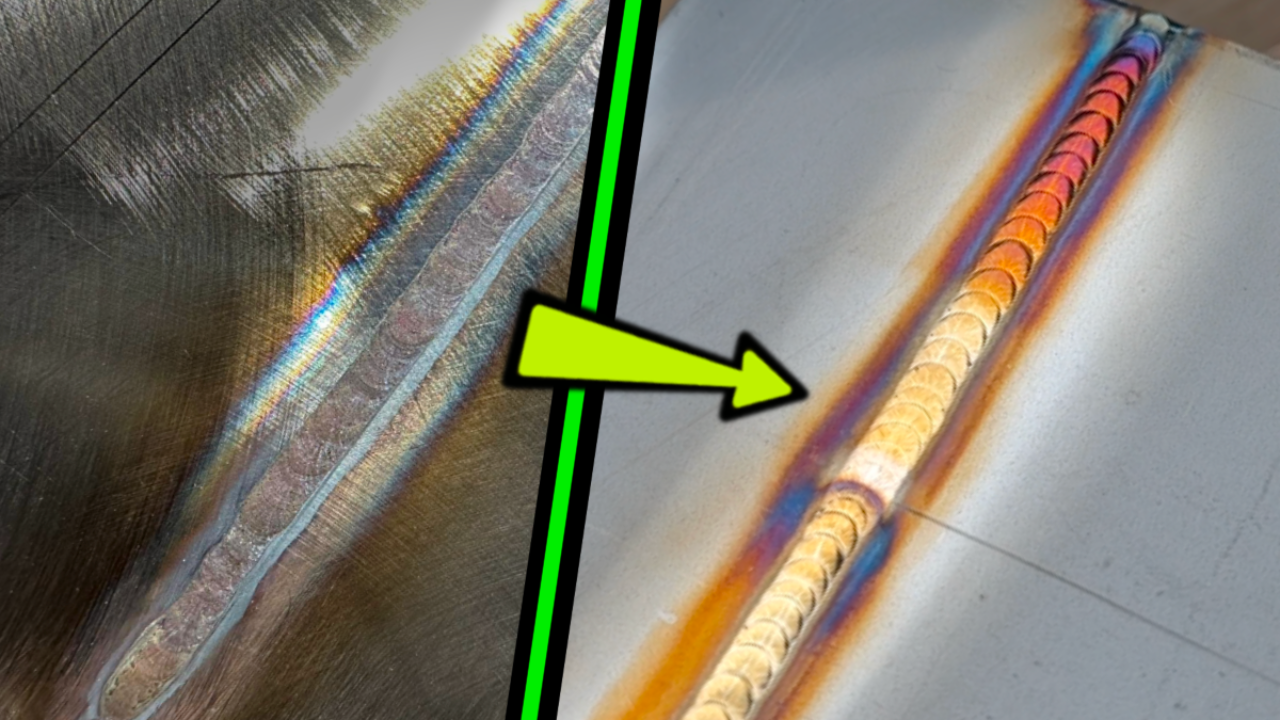
Adjust the amperage based on metal thickness. Use foot pedal or hand control for fine heat adjustments. Move the torch smoothly to avoid overheating. Heat builds up quickly; watch for discoloration or warping. Lower heat prevents burn-through on thin materials.
Filler Rod Manipulation
Hold the filler rod at a consistent angle to the weld pool. Dip the rod gently into the molten metal. Add filler evenly to create a smooth bead. Avoid dragging or pushing the rod, which causes uneven welds. Practice steady hand coordination for cleaner welds.

Credit: www.adamsgas.co.uk
Common Tig Welding Challenges
TIG welding offers precision and control but comes with its own set of challenges that can test your skill. Understanding these common hurdles will prepare you to handle them effectively and improve your weld quality. Let’s dive into two major issues welders often face: contamination and heat distortion.
Dealing With Contamination
Contamination is one of the biggest enemies of TIG welding. Even tiny amounts of oil, dirt, or moisture on your metal can cause weak welds or unwanted porosity.
Always clean your workpiece thoroughly before starting. Use a stainless steel brush or a dedicated cleaner to remove any rust, oil, or dirt. Remember, even fingerprints can affect your weld quality.
Shielding gas plays a critical role here. Make sure your gas flow is consistent and your torch cup is positioned correctly to protect the weld pool from air exposure. Have you checked your gas supply recently?
Managing Heat Distortion
Heat distortion happens when the metal warps due to excessive heat during welding. This can ruin the fit and finish of your project.
Control your heat input by adjusting amperage and using a proper welding technique. Instead of holding the torch in one spot, keep it moving steadily to distribute heat evenly.
Clamping your pieces firmly and using heat sinks or backing bars can also help minimize distortion. Have you noticed how small adjustments in technique can make a big difference in the final shape?
Safety Practices
Welding with TIG requires more than just skill—it demands strict attention to safety practices. Ignoring safety can lead to serious injuries or long-term health problems. Protecting yourself and your workspace ensures that every welding session ends with success, not setbacks.
Personal Protective Equipment
Your body is exposed to intense light, heat, and sparks during TIG welding. Wearing the right gear is not optional—it’s essential.
- Helmet:Use an auto-darkening welding helmet to protect your eyes from harmful UV and infrared rays while keeping your hands free.
- Gloves:Invest in thick, heat-resistant gloves to shield your hands from burns and electric shock.
- Clothing:Wear long-sleeve, flame-resistant clothing to cover all exposed skin. Avoid synthetic fabrics that melt easily.
- Shoes:Choose steel-toed boots that protect your feet from heavy objects and sparks.
I once underestimated the importance of gloves and ended up with a painful burn that kept me from working for a week. That experience taught me never to skip even one piece of protective equipment.
Ventilation And Fume Control
Welding produces fumes and gases that can harm your lungs if inhaled regularly. Good ventilation is vital to keep the air clean and your body safe.
- Set up fans or exhaust systems near your welding area to pull fumes away from your breathing zone.
- If you work indoors, open windows and doors to allow fresh air to circulate freely.
- Consider using a respirator if ventilation options are limited or when working with materials that produce hazardous fumes.
Have you noticed any dizziness or irritation after welding? That’s a warning sign your ventilation might not be adequate. Don’t ignore it—your lungs will thank you.
Advanced Tig Welding Tips
Advanced TIG welding involves techniques that enhance control and improve weld quality. These tips help welders handle complex tasks and create stronger joints. Understanding these methods increases efficiency and precision.
Pulsed Tig Welding
Pulsed TIG welding uses alternating high and low current. This technique controls heat input and reduces warping. It also improves weld bead appearance and penetration. Pulsing helps weld thin metals without burning through. Adjust pulse frequency and duration for best results.
- High current melts metal quickly.
- Low current cools the weld area.
- Pulse settings vary by metal thickness.
- Use a foot pedal or machine control to adjust.
Welding Different Metals
Each metal requires specific TIG welding settings. Stainless steel, aluminum, and titanium have unique properties. Adjust gas flow, amperage, and filler material accordingly. Clean metals thoroughly to remove contaminants. Use argon gas for most metals to protect the weld pool.
| Metal | Recommended Filler | Gas Type | Special Tips |
|---|---|---|---|
| Aluminum | ER4043 or ER5356 | Pure Argon | Use AC current, clean oxide layer |
| Stainless Steel | ER308L or ER316L | Pure Argon | Use DCEN, avoid overheating |
| Titanium | Grade 2 or Grade 5 filler | High-purity Argon or Helium mix | Weld in clean, oxygen-free environment |

Credit: www.youtube.com
Frequently Asked Questions
What Equipment Is Essential For Tig Welding?
TIG welding requires a TIG welder, tungsten electrode, shielding gas, filler rod, and a welding torch. Proper safety gear like gloves and helmet is also essential for protection.
How Do I Set The Correct Amperage For Tig Welding?
Set amperage based on metal thickness and type. Thinner metals need lower amps, while thicker metals require higher amps for a strong weld.
What Is The Best Shielding Gas For Tig Welding?
Argon is the most common shielding gas for TIG welding. It provides excellent protection and creates clean, high-quality welds on most metals.
How Do I Prepare The Metal Before Tig Welding?
Clean the metal thoroughly to remove rust, oil, and dirt. Use a wire brush or grinder for best results, ensuring a strong weld.
Conclusion
TIG welding needs practice and patience to get better. Start with simple projects to build your skill. Always keep safety gear on and work in a clean area. Control your torch and filler rod carefully for strong welds. Remember, steady hands and good focus make a big difference.
Keep trying, and your welding will improve day by day. TIG welding can open up many creative chances. Stay safe and enjoy the process of learning.
About The Author

