
Are you ready to boost your solar power system’s efficiency? Knowing how to wire solar panels in series can make a big difference in how much energy you generate.
It might sound tricky at first, but once you understand the simple steps, you’ll feel confident setting it up yourself. In this guide, you’ll discover clear, easy-to-follow instructions that save you time and money. Keep reading to unlock the secrets that will help you get the most out of your solar panels and power your home smarter.
Basics Of Series Wiring
Understanding the basics of series wiring is key to setting up solar panels correctly. This wiring method connects panels end-to-end. It affects how voltage and current behave in your system. Knowing these basics helps you design an efficient solar power setup.
What Is Series Wiring
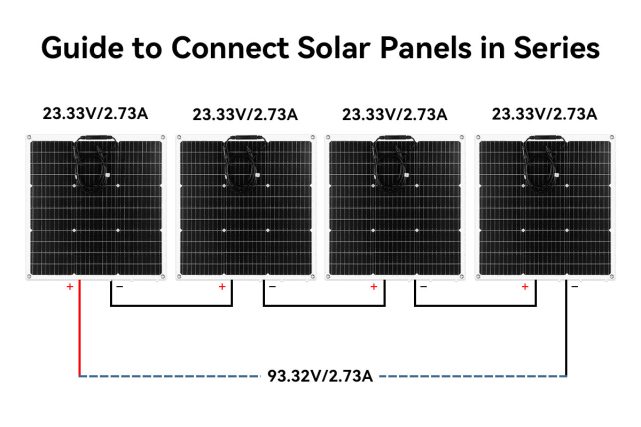
Series wiring links solar panels one after another. The positive terminal of one panel connects to the negative terminal of the next. This creates a single path for electrical current to flow. The system voltage adds up while the current stays the same.
Benefits Of Series Connection
- Higher voltage output suits many battery banks and inverters.
- Simple wiring layout reduces complexity and cost.
- Good for long cable runs because higher voltage lowers power loss.
- Easy to expand by adding more panels in line.
Voltage And Current Effects
Voltage increases with each panel added in series. For example, three 12-volt panels produce 36 volts total. The current remains equal to one panel’s current. This means the system voltage grows, but current does not multiply. It is important to match panel ratings for safety and performance.
Tools And Materials Needed
Before you start wiring your solar panels in series, gathering the right tools and materials is crucial. Having everything ready not only speeds up the process but also helps you avoid costly mistakes. Let’s break down what you’ll need to get your setup running smoothly and safely.
Solar Panels
First, you need the solar panels themselves. Choose panels with matching voltage and wattage to ensure consistent power output when connected in series.
Look for panels that come with pre-attached connectors or at least compatible terminals to simplify wiring. Remember, mismatched panels can cause performance issues or even damage your system.
Wiring Components
Wiring your solar panels requires specific components to keep everything connected and secure. You’ll need:
- Solar cables:Use UV-resistant, weatherproof cables rated for outdoor use.
- MC4 connectors:These connectors snap securely and are standard for solar panel connections.
- Fuse holders and fuses:Protect your system by adding fuses rated appropriately for your current.
- Combiner box (optional):If you’re wiring multiple strings, this helps organize and protect connections.
- Voltage meter and multimeter:Essential for testing connections and ensuring proper voltage.
Do you have all these ready? Skipping even one can lead to frustrating troubleshooting later.
Safety Gear
Working with electricity means safety gear isn’t optional—it’s mandatory. Equip yourself with insulated gloves to prevent electric shocks.
Wear safety glasses to protect your eyes from sparks or debris. Also, consider non-conductive footwear for extra protection when working outdoors.
Finally, keep a fire extinguisher rated for electrical fires nearby. Your safety depends on being prepared for unexpected situations.
Preparing Solar Panels
Preparing your solar panels properly sets a strong foundation for safe and efficient wiring in series. Taking time to understand and arrange your panels before connecting them can save you from costly mistakes and improve your system’s performance. Let’s break down the key steps that get your panels ready for wiring.
Checking Panel Specifications
Before you start wiring, carefully review each panel’s voltage and current ratings. Panels wired in series add their voltages together, so all panels should have similar specifications to avoid imbalances. Have you checked the label or datasheet on your panels? Confirming this helps you predict the total voltage your array will produce and ensures compatibility with your charge controller or inverter.
Cleaning And Inspecting Panels
Dirty or damaged panels can reduce your system’s efficiency. Wipe the surface gently with a soft cloth and mild soap to remove dust, bird droppings, or grime. Look closely for cracks, loose connections, or corrosion around the terminals—these issues can cause power loss or safety hazards once your system is live.
Arranging Panels For Wiring
Organize your panels in the order you plan to wire them. Lay them out flat and aligned, with terminals facing the correct direction for easy cable runs. This step helps you estimate wire lengths and prevents unnecessary tension or twisting of cables. Have you thought about how the physical setup affects your wiring ease and future maintenance?
Wiring Solar Panels In Series
Wiring solar panels in series increases the total voltage output while keeping the current the same. This setup is useful for charging batteries or running devices that need higher voltage. Connecting panels in series involves linking the positive terminal of one panel to the negative terminal of the next. This creates a chain that adds up each panel’s voltage.
Connecting Positive To Negative Terminals
Start by identifying the positive and negative terminals on each solar panel. Connect the positive terminal of the first panel to the negative terminal of the second panel. Continue this pattern for all panels in the series. This connection ensures that the voltage of each panel adds up properly.
Make sure the connections are firm and correct. Incorrect wiring can cause power loss or damage to the system.
Securing Connections
Secure all connections tightly to prevent loosening from wind or vibration. Use a wrench or pliers to tighten bolts or screws on terminals. Loose connections can lead to poor performance and safety hazards.
Check each link after connecting to confirm stability. Regular inspection helps maintain system efficiency and safety.
Using Proper Connectors
Choose connectors designed for solar panels, such as MC4 connectors. These connectors are weatherproof and safe for outdoor use. They provide a secure and easy way to connect panels in series.
Avoid using generic or damaged connectors. Proper connectors improve durability and reduce the risk of electrical faults.
Testing The Series Connection
Testing the series connection of solar panels ensures the system works efficiently. It confirms that panels are wired correctly and the voltage adds up as expected. This step helps find any faults early, saving time and effort later.
Measuring Voltage Output
Use a multimeter set to measure DC voltage. Connect the probes to the positive and negative ends of the series string. The voltage reading should equal the sum of all panel voltages. If the voltage is lower, check each panel individually. This test confirms the panels are wired in series correctly.
Checking For Loose Connections
Inspect all wiring connections carefully. Loose or corroded connections reduce system performance. Gently wiggle each wire to ensure it is secure. Look for damaged wires or connectors. Tighten any loose terminals. Clean any corrosion with a soft brush. Secure connections improve reliability and safety.
Troubleshooting Common Issues
Low voltage readings may indicate a broken panel or wire. A single faulty panel can reduce the entire string’s output. Use the multimeter to test each panel separately. Replace or repair any damaged components. Ensure proper polarity; reversing wires affects voltage. Check for shading or dirt on panels that block sunlight. Clear debris for better performance.

Credit: powmr.com
Safety Tips And Precautions
Wiring solar panels in series can boost your system’s voltage and efficiency, but it also brings electrical risks that you must handle carefully. Paying close attention to safety tips and precautions protects you and your equipment from damage or injury. Let’s dive into key safety practices that keep your solar project secure and running smoothly.
Handling Electrical Components Safely
Always treat electrical parts as if they’re live. Wear insulated gloves and use tools with rubber handles to avoid shocks. Keep your workspace dry—water and electricity don’t mix well.
Before you start, double-check that all power sources are turned off. Even a small touch can cause a dangerous spark if you’re not careful. I once skipped this step and got a minor shock; it was a sharp reminder to respect electricity at every stage.
Avoiding Short Circuits
Short circuits can cause fires or permanent damage to your solar panels. Make sure wires do not touch each other or any metal parts they shouldn’t. Use heat shrink tubing or electrical tape to cover exposed connections.
Keep your wiring organized and secure. Loose wires increase the risk of accidental contact and shorts. Have you ever noticed how a cluttered workspace invites mistakes? Keeping wires neat reduces that risk significantly.
Working In Safe Environments
Choose a well-ventilated, dry, and clean area for your solar panel wiring work. Avoid working outdoors during rain or high humidity. These conditions can make your tools slippery and increase electric shock risks.
Good lighting is essential—poor visibility leads to wrong connections. I learned this the hard way when a dim garage light caused me to mix up positive and negative terminals. It cost me a few hours of troubleshooting that could have been avoided with better lighting.
Maintaining Your Series-connected Panels
Maintaining your series-connected solar panels is crucial for long-term efficiency and safety. Proper care prevents damage and keeps energy output steady. Regular attention ensures panels work well throughout their lifespan.
Regular Inspection
Check the wiring and connections often. Look for loose or corroded wires. Inspect the panel frames for cracks or damage. Watch for signs of water ingress around connectors. Ensure all bolts and mounts are tight and secure.
Cleaning Tips
Keep panels free from dirt and debris. Use soft brushes or cloths to clean the surface. Avoid harsh chemicals that might damage the panels. Clean early in the morning or late in the afternoon. This avoids rapid drying that can leave streaks.
Monitoring Performance
Track your system’s voltage and current regularly. Compare the readings with expected values from the panel specs. Use a solar monitoring app or a multimeter for checks. Spot drops in performance early to fix issues fast. Consistent monitoring helps maintain optimal energy production.

Credit: powmr.com

Credit: www.renogy.com
Frequently Asked Questions
What Does Wiring Solar Panels In Series Mean?
Wiring solar panels in series means connecting positive terminals to negative terminals. This setup increases the total voltage output while keeping current constant. It is ideal for systems requiring higher voltage to charge batteries or power inverters efficiently.
How Do I Connect Solar Panels In Series Safely?
To connect solar panels safely in series, ensure all connections are tight and insulated. Use proper connectors and avoid mixing panel types. Always turn off the system before wiring to prevent electric shock or damage to components.
What Are The Benefits Of Series Wiring For Solar Panels?
Series wiring increases system voltage, reducing current and power loss. This allows the use of thinner cables and more efficient energy transmission. It is cost-effective for large solar arrays needing higher voltage inputs for inverters or battery banks.
Can I Mix Solar Panels With Different Voltages In Series?
Mixing panels with different voltages in series is not recommended. It can cause imbalance, reducing overall system efficiency and possibly damaging panels. Use panels with matching voltage and similar specifications for best performance.
Conclusion
Wiring solar panels in series raises the total voltage. This method fits well with certain solar charge controllers and batteries. Keep connections tight and secure to avoid power loss. Always check the system’s voltage limits to stay safe. Simple steps lead to better energy output and system life.
With practice, wiring panels in series becomes easier. Start small, learn, and expand your solar setup confidently. This approach helps you use solar power more efficiently.
About The Author

