
Are you eager to master the art of welding without the hassle of gas tanks? Learning how to wire weld with flux core wire might just be the game-changer you’ve been searching for.
Imagine being able to tackle your DIY projects or professional tasks with precision and ease. Flux core welding is not only efficient but also versatile, allowing you to work in various environments, even outdoors where wind might disrupt other welding methods.
In this guide, you’ll discover the secrets to achieving strong, clean welds using flux core wire, all without breaking a sweat. Whether you’re a seasoned welder or a curious beginner, understanding this technique can significantly enhance your skills. Dive in to learn how you can make your welding projects easier, faster, and more effective. Don’t miss out on the opportunity to elevate your craftsmanship to the next level!
Understanding Flux Core Wire
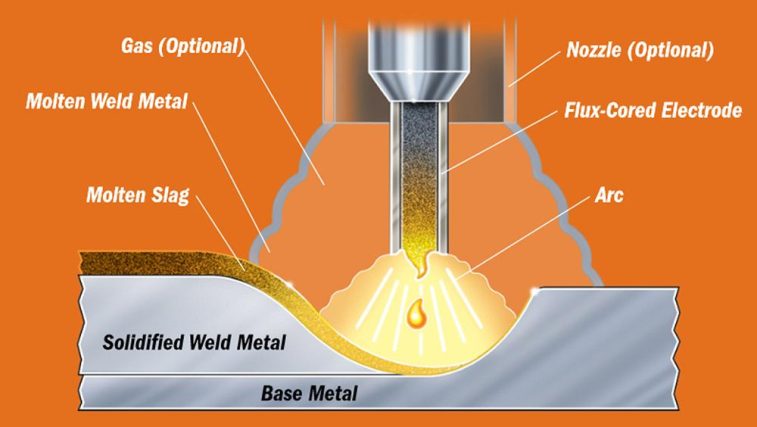
Understanding flux core wire involves knowing its role in wire welding. This wire contains a flux that protects the weld from contaminants. It’s ideal for outdoor welding and works well on rusty or dirty metals.
Understanding Flux Core Wire Flux core wire is essential for efficient welding. It consists of a metal tube filled with flux. This flux helps protect the weld from contamination. It also improves weld quality and reduces cleanup time. Choosing the right flux core wire is crucial for successful welding.Types Of Flux Core Wire
Different types of flux core wire suit various tasks. Self-shielding wire is ideal for outdoor projects. It does not need external gas protection. Gas-shielded wire requires additional gas for shielding. This type is often used indoors. Both types have their unique benefits. Selecting the right type depends on your welding needs.Advantages Of Flux Core Welding
Flux core welding offers several benefits. It works well in windy conditions. The flux shields the weld from air. This is useful for outdoor jobs. It also penetrates thick metals easily. This makes it suitable for heavy-duty projects. Less cleanup is needed after welding. The flux reduces splatter, saving time. Overall, flux core welding is efficient and versatile.Essential Equipment
Welding with flux core wire requires specific tools. To achieve quality results, using the right equipment is crucial. This section explores essential items for efficient welding.
Welding Machine Selection
Choose a machine compatible with flux core wire. Look for adjustable settings and a sturdy build. Ensure it supports the wire size you plan to use. A reliable machine enhances precision and durability.
Safety Gear Essentials
Welding safety gear is non-negotiable. You need a helmet with a visor to protect your eyes. Wear fire-resistant gloves and a welding jacket to shield your skin. Invest in steel-toed boots for foot protection. Safety gear prevents injuries and ensures comfort.
Preparing Your Workspace
Creating a clean, organized workspace is essential for wire welding with flux core wire. Ensure ample lighting and ventilation to improve visibility and safety. Arrange tools and materials within reach to streamline the welding process.
Preparing your workspace is the foundation of successful welding. Before you even ignite your welder, you need to make sure your environment is ready for action. A well-prepared space not only ensures quality welds but also keeps you safe.Setting Up The Welding Area
A clutter-free zone is vital for effective welding. Clear away any unnecessary items to prevent tripping hazards. Ensure there’s ample room to move around comfortably with your equipment. Organize your tools and materials within arm’s reach. Use a sturdy, fire-resistant table to work on, keeping in mind that a smooth surface is key for even welds. Good lighting is crucial; consider using a bright overhead light or a lamp to illuminate your workspace.Ensuring Safety Measures
Safety should be your top priority. Equip yourself with a high-quality welding helmet, gloves, and flame-resistant clothing to protect against sparks and UV radiation. Remember, your eyes and skin are vulnerable without proper protection. Ventilation is another critical aspect. Welding can produce harmful fumes, so working in a well-ventilated area is essential. If indoors, use a fan or open windows to maintain airflow. Have a fire extinguisher nearby in case of emergency. It’s a simple precaution that can make a huge difference. Are you ready to dive into welding with confidence? Preparing your workspace might seem like a chore, but it’s an investment in your safety and the quality of your welds.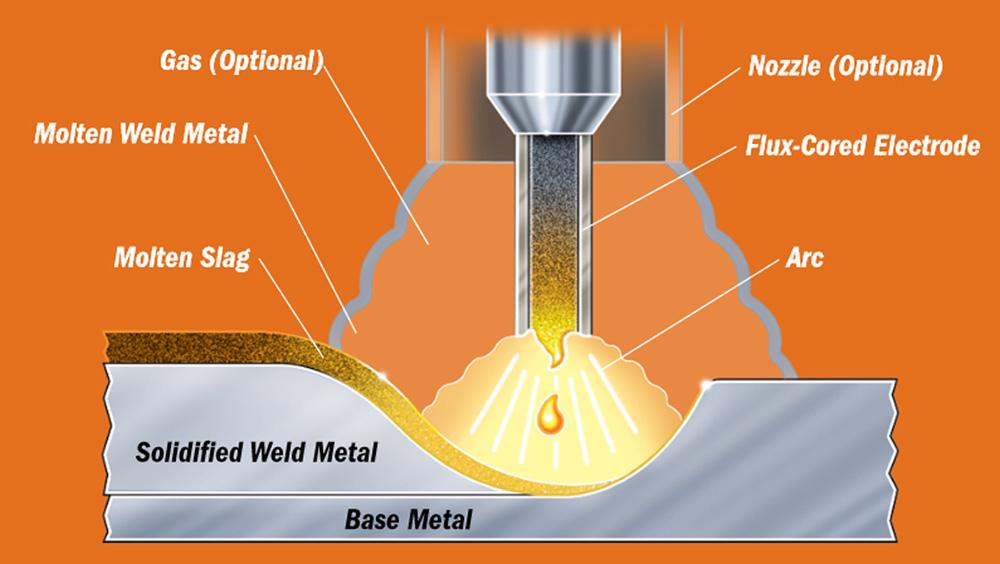
Credit: www.thefabricator.com
Setting Up The Welding Machine
Set up the welding machine by connecting the power supply and adjusting the settings for flux core wire. Ensure the wire spool is properly installed and tensioned. Test the machine on scrap metal to confirm smooth wire feeding and effective welds.
Setting up the welding machine is crucial for effective flux core welding. A well-prepared machine ensures smooth operation. It also enhances the quality of the weld. Follow these steps to set up your welding machine correctly.Adjusting Voltage And Amperage
Start by adjusting the voltage. Voltage controls the arc’s heat. Too much can burn through thin metal. Too little may not penetrate thick metal. Check the welding chart on your machine. It guides the voltage setting based on material thickness. Next, set the amperage. Amperage affects the weld’s strength. Higher amperage increases penetration. Lower amperage suits thin materials. Again, refer to the machine’s chart. It helps find the right balance.Wire Feed Speed Settings
Set the wire feed speed. It determines how fast the wire is fed into the weld. Too fast and it creates a mess. Too slow and the arc may sputter. Start with the manufacturer’s recommendation. Then, adjust as needed. Listen to the sound of the arc. A steady buzz means the speed is right. Popping or hissing signals a need for adjustment. Test on scrap metal. It helps find the perfect setting without wasting materials.Welding Techniques
Welding techniques can make or break your project when working with flux core wire. Mastering these techniques ensures strong, clean welds and boosts your confidence. Dive into the nuances of starting a weld, maintaining the perfect arc length, and controlling the appearance of your weld bead.
Starting The Weld
Starting a weld can be intimidating, but it’s all about precision. Begin by cleaning the metal surface to remove any rust or debris. This simple step can save you from frustration later. Once the surface is ready, position your welding gun at a 10-15 degree angle to the workpiece. This angle helps in directing the molten metal into the joint efficiently. Feel the rhythm as you pull the trigger; you’re not just welding, you’re creating.
Maintaining Proper Arc Length
Arc length is crucial. Too short, and the weld bead can be too narrow; too long, and you risk weakening the weld. Aim for an arc length that’s about the diameter of the wire you’re using. It’s like keeping a dance partner at the right distance for a perfect twirl. Adjust your hand speed to maintain this distance consistently. A steady hand and patience are your best allies here.
Controlling Weld Bead Appearance
The appearance of your weld bead speaks volumes about your technique. Aim for a bead that’s consistent in size and shape. If it’s too bulky, you may be moving too slow; too thin, and you’re rushing. Adjust your travel speed to find that sweet spot where the bead flows evenly. Think of it like painting; your hand guides the brush, creating a work of art. Take pride in each bead, as it reflects your skill and dedication.
Troubleshooting Common Issues
Flux core wire welding can face issues like wire feed problems or excess spatter. Adjusting tension and cleaning the nozzle helps. Proper machine settings ensure steady arc and reduce defects.
Troubleshooting common issues when wire welding with flux core wire can be a game changer for your projects. You might face challenges, but with the right insights, you can overcome them. Remember, every problem has a solution if you know where to look.Dealing With Wire Jamming
Wire jamming can disrupt your workflow and test your patience. It often occurs when the wire feed tension is too tight or the liner is clogged. To fix this, check the tension settings on your wire feed mechanism. Ensure your liner is clean and free from debris. A simple wipe can sometimes work wonders. Consider using a larger diameter tip if the wire is binding within the tip. Have you checked if the spool is correctly positioned? Sometimes, the wire can slip out of alignment, causing jams. Regular maintenance of your welding equipment can prevent this from becoming a recurring issue.Addressing Porosity Problems
Porosity can ruin the appearance and structural integrity of your welds. It usually happens when there is contamination or insufficient shielding gas. First, examine your welding environment for drafts or strong winds that might be affecting gas coverage. Is your wire clean? Dirty or rusty wire can introduce contaminants into your weld. Make sure you’re using fresh, clean wire to reduce this risk. Check your equipment settings. Incorrect voltage or wire feed speed can also lead to porosity. Adjust these settings and perform a test weld to see if the issue persists. Finally, consider your technique. Are you maintaining a consistent distance between the nozzle and workpiece? Small adjustments in your angle or speed can make a big difference in the quality of your welds.Post-weld Procedures
Flux core wire welding involves techniques to ensure strong welds. Clean the surface thoroughly before welding. Adjust the machine settings for optimal wire feed speed and voltage. Maintain a steady hand and consistent travel speed for even weld beads.
After completing your welding project with flux core wire, the attention shifts to post-weld procedures—an essential step to ensure your weld is both aesthetically pleasing and structurally sound. Post-weld procedures are not just an afterthought; they are crucial for achieving the best results. Whether you’re a seasoned welder or a newbie, these steps can make or break the integrity of your work.Cleaning The Weld
The first task after welding is to clean the weld thoroughly. Flux core welding tends to leave behind slag and spatter, which can obscure the weld’s quality and make it difficult to inspect. Use a wire brush or chipping hammer to remove these residues. A clean weld surface is essential for accurate inspection. This step ensures that the weld is free from debris, which can interfere with further processes like painting or coating.Inspecting Weld Quality
Once the weld is clean, it’s time to inspect the quality. Look closely at the weld bead for uniformity; a consistent bead indicates a strong weld. Check for any visible defects such as cracks, porosity, or undercuts. Consider using a magnifying glass for a detailed inspection. If you find any flaws, addressing them immediately can save you from future headaches. Does your weld meet the standards required for your project? If not, it might be worth reevaluating your technique to ensure better results next time. These post-weld procedures are the secret sauce to successful welding projects. By dedicating time to clean and inspect, you not only enhance the appearance of your work but also boost its durability. Isn’t that worth the extra effort?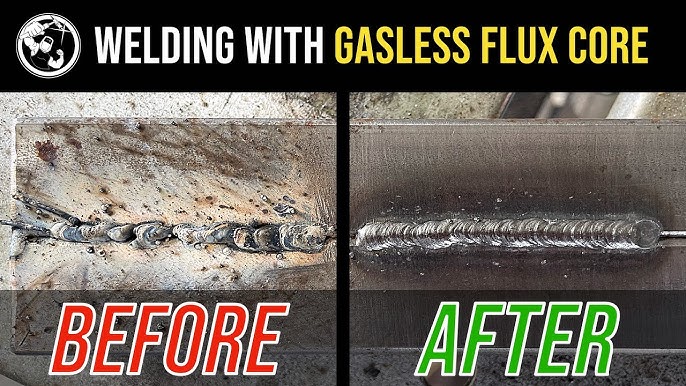
Credit: m.youtube.com
Tips For Beginners
Welding with flux core wire is a technique that many beginners find approachable due to its simplicity and effectiveness. Yet, as with any skill, mastering it requires patience, practice, and a keen eye for detail. Whether you’re just starting out or looking to refine your technique, these tips can help you avoid common pitfalls and become more proficient in wire welding.
Practice Techniques
Getting the hang of flux core wire welding involves plenty of hands-on practice. Begin with small projects and gradually increase complexity as your confidence grows. Consider setting up a simple practice routine where you focus on bead consistency and penetration. Keep your welding speed steady, as rushing can lead to uneven welds. If possible, work with scrap metal, which allows you to experiment without fear of ruining valuable materials.
Common Mistakes To Avoid
One common mistake beginners make is not adjusting the wire speed properly. A speed too fast or too slow can cause problems in the weld quality. Pay attention to the sound; a steady buzzing indicates a good wire speed. Avoid welding in windy conditions as it can blow away the protective gas from the flux, leading to poor welds. Finally, always clean the metal surface before welding to prevent defects caused by dirt or rust. Doing so ensures a stronger bond and a smoother finish.

Credit: www.youtube.com
Frequently Asked Questions
How To Weld Good With Flux Core?
To weld well with flux core, maintain a steady hand and proper angle. Clean the metal surface thoroughly. Set the correct voltage and wire speed. Use a dragging technique and ensure consistent travel speed. Practice regularly for improved results.
Do You Push Or Pull Flux Core Welding Wire?
Push the flux core welding wire for better visibility and cleaner results. Pulling can cause more spatter and less penetration. Pushing allows the shielding gas to cover the weld pool effectively, enhancing the weld quality. Adjust technique based on material and position for optimal outcomes.
Do You Need Gas To Weld With Flux Core Wire?
No, flux core wire welding does not require gas. It contains a flux that shields the weld from contamination. This makes it ideal for outdoor or windy conditions where shielding gas might disperse. It’s a convenient choice for beginners and hobbyists.
Is Flux Core As Strong As Stick Welding?
Flux core welding can be as strong as stick welding, depending on the application and materials. Both methods have their advantages. Flux core is preferred for outdoor and thicker materials. Stick welding is versatile and ideal for various conditions. Choose based on specific project needs for optimal strength.
Conclusion
Welding with flux core wire is practical and effective. It suits beginners and experienced welders alike. You now understand the basics of setup and technique. Remember, safety is crucial. Always wear protective gear. Take time to practice and improve your skills.
Be patient; welding requires precision. Check your equipment regularly for optimal performance. Explore different projects to enhance your experience. The more you weld, the better you get. Each step you take builds confidence and skill. Enjoy the process and create strong, lasting welds.
Keep learning and experimenting. Happy welding!
About The Author

