
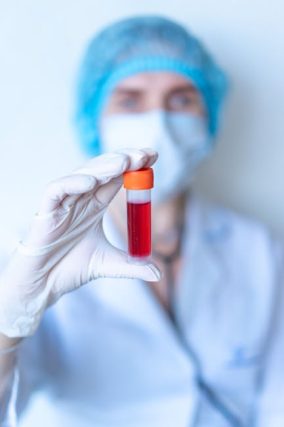
Understanding school science lab gas regulations is crucial for student safety and compliance. These rules ensure safe handling and storage of gases.
Managing gases in school science labs involves meticulous planning. Students and staff must follow specific guidelines. Proper ventilation is vital to prevent accidents. Labs often use gases for experiments, requiring careful oversight. Regulations help prevent exposure to harmful substances. They also guide on appropriate storage methods.
Safety equipment, like gas detectors, is essential. Training on emergency procedures is a must for staff and students. Regular inspections ensure everything works correctly. Compliance with these regulations protects everyone involved. Maintaining a safe learning environment is the priority. Schools must prioritize safety over convenience. With proper adherence, science labs remain safe and productive places for learning.
Blood Gases And Critical Care Testing: Physiology, Clinical Interpretations, And Laboratory Applications

The ideal customer for “Blood Gases and Critical Care Testing: Physiology, Clinical Interpretations, and Laboratory Applications” is a medical professional or healthcare student seeking to deepen their understanding of critical care testing and blood gas analysis. This book is particularly beneficial for those who are involved in clinical laboratory work or physiology research, providing them with comprehensive knowledge and practical insights.
Pros:
- Comprehensive coverage of blood gases and critical care testing.
- Authored by Academic Press, a reputable source in medical literature.
- Latest edition ensures up-to-date information.
- Detailed clinical interpretations that enhance practical application.
- Provides laboratory applications that are crucial for real-world scenarios.
Cons:
- May be too detailed for beginners unfamiliar with medical terminology.
- Limited focus outside of blood gases and critical care testing.
- Requires prior knowledge in physiology for optimal understanding.
The book delves into the physiology of blood gases, providing readers with a thorough understanding of how these gases interact within the body. This knowledge is crucial for practitioners in critical care settings, where precise interpretation of blood gas levels can inform patient management and treatment strategies. The book’s clinical interpretations offer real-world applications, helping professionals translate theoretical knowledge into actionable insights.
Another standout feature of this book is its emphasis on laboratory applications. Readers are guided through various testing methods and procedures that are commonly used in clinical laboratories, ensuring they are equipped with practical skills that are directly applicable to their work environments. By integrating both theoretical and practical aspects, this book serves as a valuable resource for enhancing both academic learning and clinical practice.
Frequently Asked Questions
What Is The Role Of Blood Gases In Critical Care?
Blood gases help evaluate respiratory and metabolic function in critical care. They provide information on oxygenation, ventilation, and acid-base balance. This data guides treatment decisions for patients with respiratory or metabolic disorders. Accurate blood gas analysis is crucial for managing critically ill patients effectively.
How Do You Interpret Blood Gas Results?
Interpreting blood gas results involves analyzing pH, pCO2, and pO2 levels. Abnormal values can indicate respiratory or metabolic issues. For example, low pH with high pCO2 suggests respiratory acidosis. Understanding these interpretations helps in diagnosing underlying conditions and planning appropriate treatments.
Why Are Blood Gases Important In Laboratory Settings?
Blood gases offer insights into a patient’s respiratory and metabolic status. They are essential for monitoring critically ill patients. In laboratory settings, they assist in diagnosing and managing conditions like COPD, asthma, and metabolic disorders. Accurate testing ensures reliable results, aiding in patient care.
What Are The Common Methods For Blood Gas Testing?
Common methods include arterial blood gas (ABG) analysis and venous blood gas (VBG) analysis. ABG is more accurate for oxygenation and ventilation assessment. VBG is less invasive and easier to perform. Both methods provide valuable information for clinical decision-making in critical care settings.
How Does Blood Gas Analysis Impact Patient Outcomes?
Blood gas analysis provides critical insights into a patient’s health status. It informs treatment decisions, improving patient outcomes. Early detection of abnormalities allows for timely interventions. This can prevent complications and enhance recovery in critical care environments.
Conclusion
Understanding school science lab gas regulations is crucial for safety. These guidelines ensure a safe learning environment for students. Proper storage and handling of gases prevent accidents. It’s important to educate both teachers and students about these rules. Training sessions can help in this regard.
Regular checks and maintenance of equipment are vital. This minimizes risks associated with gas leaks or misuse. Laboratories should have clear safety signs and instructions. Emergency procedures need to be well-practiced and known by all. This ensures quick action in case of an incident.
Remember, safety is everyone’s responsibility. By following these regulations, we protect both people and property. A safe lab environment enhances learning experiences. It encourages curiosity and experimentation without fear. So, prioritize safety in school science labs. It is an investment in education and well-being.
Let’s ensure that our science labs remain places of discovery and safety.
About The Author

