

Are you confused about whether to use TIG or MIG welding for your next project? Understanding the difference between these two popular welding methods can save you time, money, and frustration.
Whether you’re a beginner or looking to sharpen your skills, knowing how TIG and MIG welding work—and when to choose each—can make all the difference in your results. Keep reading to discover the key contrasts that will help you pick the right technique for your needs.
Credit: www.longshengmfg.com
Basics Of Welding
Welding is a process that joins metals together using heat. It creates strong bonds for many projects. Understanding the basics helps to choose the right method. TIG and MIG welding are two common types, each with unique features. Learning about welding basics builds a strong foundation for both beginners and experts.
Types Of Welding
Welding includes various methods. The main types are:
- TIG Welding:Uses a tungsten electrode to produce heat. It offers precise control and clean welds.
- MIG Welding:Uses a wire electrode fed through a gun. It is faster and easier for beginners.
- Stick Welding:Uses a consumable electrode. Good for outdoor and heavy-duty work.
- Flux-Cored Arc Welding:Similar to MIG but uses a flux-filled wire. Works well on dirty metals.
Each type suits different materials and jobs. Choosing the right one depends on the project needs.
Importance In Industry
Welding is vital in many industries. It builds structures, vehicles, and machinery. Welding ensures safety and strength in products.
Industries such as construction, automotive, aerospace, and shipbuilding rely on welding. Proper welding improves durability and performance. Skilled welders help keep industries running smoothly.
Credit: www.longshengmfg.com
What Is Tig Welding?
TIG welding, or Tungsten Inert Gas welding, is a precise and versatile welding process that uses a non-consumable tungsten electrode to produce the weld. It stands out for its ability to create clean, high-quality welds on a variety of metals. If you value control and detail in your projects, TIG welding might be the right choice for you.
Technique And Equipment
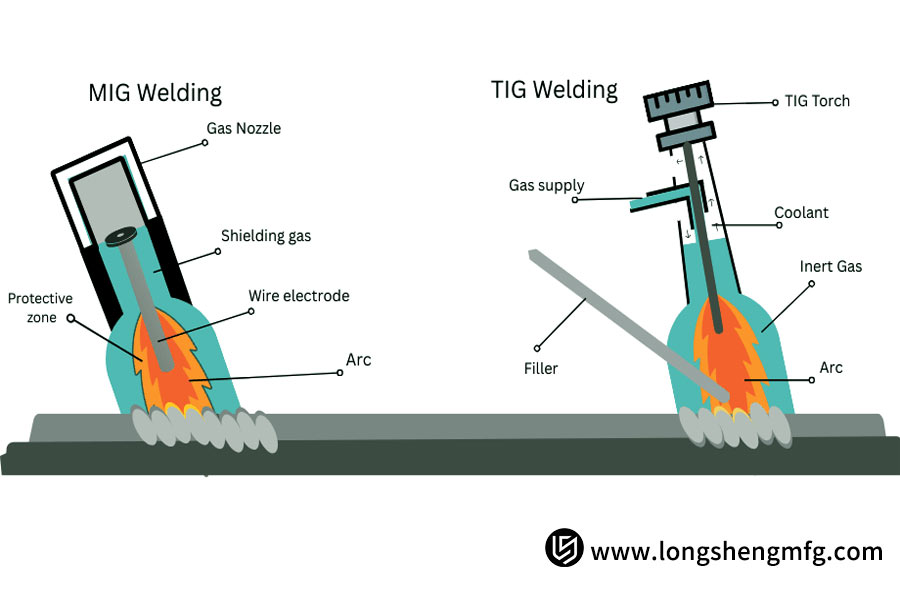
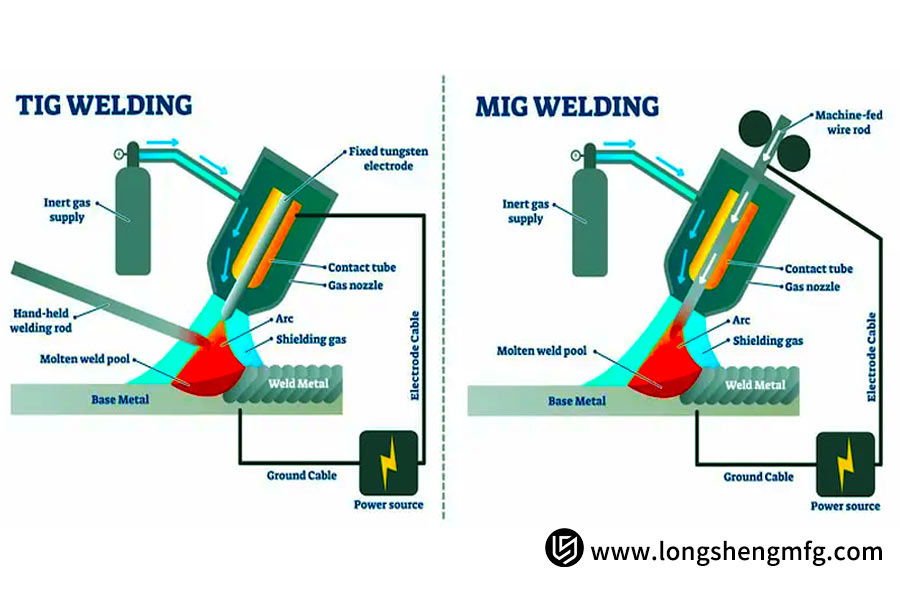
TIG welding requires steady hands and keen attention to detail. The process uses a tungsten electrode that doesn’t melt, while a separate filler rod is manually added to the weld pool.
The equipment includes:
- A TIG torch with a tungsten electrode
- An inert gas supply, usually argon, to shield the weld area
- A power source that provides a constant current
You control the heat and filler metal separately, which gives you great precision. Have you noticed how this hands-on approach can improve your craftsmanship?
Advantages Of Tig Welding
TIG welding offers several advantages that make it popular among professionals and hobbyists alike.
- Clean welds:The inert gas shield prevents contamination, resulting in smooth, high-quality welds.
- Versatility:It works on thin materials and a wide range of metals, including stainless steel, aluminum, and copper.
- Precision:You can control heat input and filler material, which is perfect for detailed work.
- Minimal spatter:This reduces the need for post-weld cleanup, saving you time.
Have you ever struggled with messy welds? TIG welding can make your projects look professional with less effort.
Common Applications
TIG welding is favored in fields where quality and precision are critical. It’s widely used in aerospace, automotive, and art metalwork.
- Manufacturing aircraft components where strength and reliability matter.
- Custom bike frames and automotive parts requiring fine detail.
- Creating stainless steel kitchen equipment and architectural metalwork.
- Repairing thin materials that other welding methods might damage.
Thinking about your next project, could TIG welding offer the precision and finish you need?
What Is Mig Welding?
MIG welding is a popular welding process used worldwide. It stands for Metal Inert Gas welding. This technique uses a continuous wire electrode to join metals. The process happens in a protective gas shield to prevent contamination. MIG welding is known for its speed and ease of use. It works well on many types of metal and thicknesses. This makes it a favorite in many industries and workshops.
Technique And Equipment
MIG welding uses a welding gun that feeds a wire electrode. The wire melts and fuses two metal pieces. A shielding gas flows out of the gun nozzle. This gas protects the weld pool from oxygen and dirt in the air. Common gases include argon, carbon dioxide, or a mix of both. The welder controls the speed of the wire and the heat. This control helps create strong and clean welds.
Advantages Of Mig Welding
- Easy to learn and use for beginners
- Fast welding speed, ideal for production work
- Produces clean welds with less spatter
- Works well on thin and thick metals
- Good for welding a variety of metals like steel, aluminum, and stainless steel
Common Applications
MIG welding is common in car repair shops for bodywork. It is used in construction for building steel structures. Many manufacturers use MIG welding for assembling metal parts. Hobbyists and DIY enthusiasts prefer it for home projects. Its versatility allows use in shipbuilding and aerospace industries too.
Comparing Tig And Mig Welding
Comparing TIG and MIG welding can help you decide which technique suits your project best. Both methods offer unique advantages, but understanding their differences in ease of use, material compatibility, and cost is key to making an informed choice. Let’s break down these aspects to give you a clearer picture.
Ease Of Use
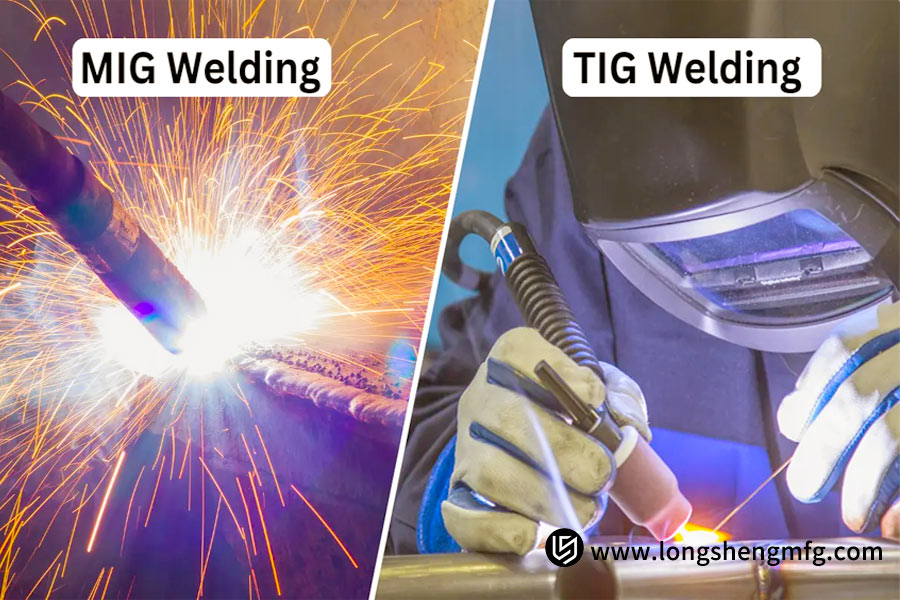
MIG welding is often praised for its user-friendly nature. You simply feed the wire and pull the trigger, making it ideal for beginners or quick repairs. It requires less manual skill, allowing you to focus more on guiding the weld rather than managing multiple variables.
On the other hand, TIG welding demands greater precision and control. You have to use both hands—one holding the torch and the other feeding the filler rod—while maintaining a steady pace. This makes TIG better suited for skilled welders or those willing to invest time in practice.
Think about your comfort level and the time you can dedicate to learning. Would you prefer a straightforward process or are you ready for a challenge that offers finer detail?
Material Compatibility
MIG welding works well with a wide range of materials, especially mild steel, stainless steel, and aluminum. It’s versatile for most everyday welding needs and performs well on thicker metals.
TIG welding, however, shines when working with thin materials or metals that require a clean, precise weld. It’s the go-to for stainless steel, aluminum, magnesium, and exotic metals. The control TIG offers reduces the risk of warping or burn-through on delicate parts.
Ask yourself which materials you’ll be working with most. Do you need versatility or precision for specialized metals?
Cost Considerations
MIG welders are generally more affordable and easier to maintain. The equipment tends to be simpler, and consumables like wire are less expensive. This makes MIG a practical choice if you’re on a budget or need a welder for occasional use.
TIG welding machines usually come with a higher price tag and require more accessories. The filler rods and shielding gases add to ongoing costs. However, the quality and finish you get can justify the investment for professional or artistic work.
Think about your budget and how often you will use the welder. Would spending more upfront benefit your work quality in the long run?
Choosing The Right Welding Method
Choosing the right welding method plays a crucial role in the success of any project. Each welding type offers distinct benefits and suits specific tasks. Understanding these differences helps in selecting the best technique for your needs.
Project Requirements
Consider the material type and thickness before deciding. TIG welding works well for thin metals and precise joints. MIG welding suits thicker metals and faster work. The end use of the product also matters. For example, TIG provides cleaner welds for decorative items. MIG is better for construction and repair jobs.
Skill Level
TIG welding demands more skill and steady hands. It requires control over the torch and filler rod. MIG welding is easier to learn and faster to apply. Beginners often start with MIG welding. Experience will guide you in mastering TIG techniques.
Budget Constraints
Equipment cost varies between TIG and MIG setups. TIG welders and accessories usually cost more. MIG welding equipment is often cheaper and more common. Consider the cost of consumables too. TIG uses tungsten electrodes; MIG uses wire spools. Choose a method that fits your budget and needs.
Credit: www.longshengmfg.com
Safety Measures In Welding
Welding involves intense heat, bright light, and strong fumes. Safety measures protect welders from burns, eye damage, and inhaling harmful gases. Both Tig and Mig welding need strict safety rules to avoid accidents and health risks.
Protective Gear
Welders must wear gear that shields skin and eyes. A welding helmet with a darkened lens protects eyes from bright sparks. Gloves made from thick leather stop burns on hands. Flame-resistant jackets cover the body and prevent injuries. Boots with steel toes protect feet from falling objects.
Work Environment
The welding area should be clean and well-ventilated. Good airflow removes harmful fumes and smoke. Keep flammable materials away from the welding zone. Use fire-resistant barriers to prevent sparks from spreading. Make sure the floor is dry to avoid slips and falls.
Handling Equipment
Check welding machines before use to ensure they work safely. Handle electrodes and filler wires carefully to avoid electric shocks. Turn off machines when not in use. Use insulated tools to reduce the risk of injury. Store equipment properly to keep the workspace organized.
Future Trends In Welding Technology
Welding technology is evolving rapidly, and understanding the future trends can help you stay ahead in your projects. Whether you work with TIG or MIG welding, new advancements will impact how you approach your tasks. Let’s look at what’s coming next and how these changes might affect your work.
Automation And Robotics
Automation is changing welding by making processes faster and more precise. Robots can handle repetitive tasks, reducing human error and improving safety. Imagine a robotic arm performing intricate TIG welds with consistent quality—this is becoming more common in industries like automotive and aerospace.
Are you ready to integrate automated systems into your workflow? Learning how to program and manage welding robots could become essential skills very soon.
Sustainability Innovations
Welding is also getting greener. New technologies focus on reducing energy use and cutting down harmful emissions during welding. For instance, some systems now recycle heat generated during welding to power other equipment.
Think about how adopting eco-friendly welding practices could not only lower your environmental impact but also reduce operational costs. Would you consider switching to more sustainable equipment if it saved you money?
Advanced Materials
As industries use more advanced materials, welding techniques must adapt. TIG welding, known for precision, is evolving to handle exotic metals like titanium and composites more effectively. MIG welding is also improving to weld new lightweight alloys used in electric vehicles.
Have you encountered challenges welding new materials? Staying updated with these advancements ensures your skills match the demands of modern manufacturing.
Frequently Asked Questions
What Is The Main Difference Between Tig And Mig Welding?
TIG welding uses a non-consumable tungsten electrode, while MIG welding uses a consumable wire electrode. TIG offers more precision, and MIG is faster and easier for beginners.
Which Welding Method Is Better For Thin Metals?
TIG welding is better for thin metals due to its precise heat control. It minimizes warping and produces cleaner welds on delicate materials.
Is Mig Welding Suitable For Outdoor Use?
Yes, MIG welding can be used outdoors but requires shielding gas protection. Wind can blow away the gas, so extra precautions are necessary.
Which Welding Type Is Easier For Beginners?
MIG welding is easier for beginners because it is faster and has a simpler learning curve. TIG welding requires more skill and control.
Conclusion
TIG and MIG welding serve different needs and skills. TIG offers precision and clean welds for thin metals. MIG works faster and suits thicker materials. Both methods use electricity to join metal parts. Choosing depends on your project type and experience.
Practice helps improve your welding results. Understanding these differences saves time and effort. Welding can be safe and fun with the right tools. Keep learning to get better with each weld.
About The Author

