

When you’re working with TIG welding, controlling the temperature is key to getting strong, clean welds. But how do you know the right tig welding temp for your project?
Too hot, and you risk damaging the metal; too cold, and the weld won’t hold. Understanding how to manage this temperature can save you time, money, and frustration. You’ll discover simple tips and clear guidelines to master your tig welding temp, making your work easier and your results better.
Ready to take your welding skills to the next level? Keep reading.
Basics Of Tig Welding
TIG welding is a precise and versatile welding process that many professionals and hobbyists rely on. Understanding the basics is key to mastering the technique and achieving strong, clean welds. Let’s break down the essentials so you can feel confident the next time you pick up your torch.
What Is Tig Welding?
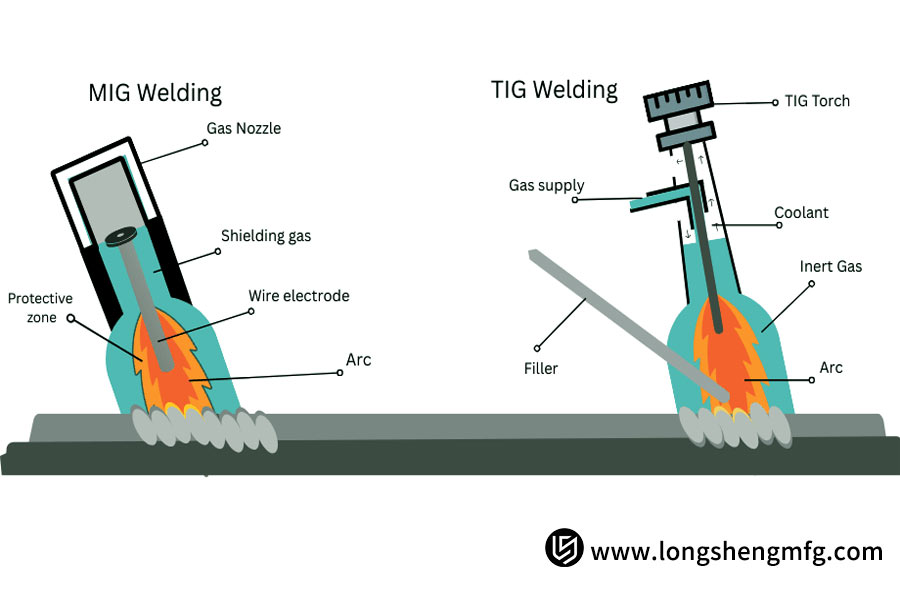
TIG stands for Tungsten Inert Gas welding. It uses a non-consumable tungsten electrode to produce the weld. The process requires an inert gas, usually argon, to shield the weld area from contamination.
Unlike other welding methods, TIG gives you more control over the heat and the weld pool. This makes it ideal for thin materials and detailed work.
How Does Tig Welding Work?
In TIG welding, the tungsten electrode creates an arc between itself and the metal you’re welding. This arc heats the metal until it melts, allowing you to join two pieces together.
You add filler metal manually with your other hand, which helps you control the amount and placement precisely. The inert gas flows continuously to keep air away from the weld.
Key Components You Need
- Tungsten Electrode:The heart of TIG welding, it must be sharp and properly prepared.
- Power Source:Provides the electrical current to create the arc.
- Shielding Gas:Typically argon; it protects the weld from oxidation.
- Filler Rods:Used to add material to the weld joint.
- Torch:Holds the electrode and directs the gas flow.
Why Does Temperature Matter In Tig Welding?
Controlling the welding temperature is crucial. Too hot, and you risk burning through the metal. Too cold, and your weld may lack proper fusion.
Have you ever struggled with welds that crack or don’t hold? Temperature control is often the missing piece. It affects the strength and appearance of your welds directly.
Tips For Managing Tig Welding Temperature
- Start with a lower amperage and adjust based on the metal thickness.
- Keep a steady hand to maintain consistent arc length and heat input.
- Practice on scrap metal to find the sweet spot before working on your project.
- Use pulse settings if your machine has them to better control heat.
Importance Of Heat Control
Controlling heat during TIG welding is crucial to achieve strong, clean welds. Too much heat can damage the metal, while too little heat may cause weak joints. Understanding how to manage your welding temperature helps you avoid costly mistakes and rework.
Effect On Weld Quality
Heat directly affects the strength and appearance of your welds. Excessive heat can lead to warping or burn-through, ruining your workpiece. On the other hand, insufficient heat results in poor fusion and weak welds that may fail under stress.
Have you ever noticed discoloration or cracks after welding? That’s often a sign of poor heat control. Keeping your temperature just right ensures consistent penetration and a smooth finish.
Impact On Material Properties
Different metals react differently to heat. For example, aluminum requires precise temperature control to prevent warping or loss of strength. If you don’t adjust your heat based on the material, you risk altering its mechanical properties.
Think about working on thin stainless steel sheets. If the heat is too high, the metal can become brittle around the weld. Proper heat control preserves the metal’s original characteristics, ensuring durability.
Improving Efficiency And Reducing Waste
Controlling heat saves you time and materials. When you avoid overheating, you reduce the need for grinding or redoing welds. This not only speeds up your workflow but also cuts down on wasted metal and filler material.
Have you ever had to scrap a part because the weld was too weak or burnt? Managing your temperature helps you avoid these setbacks, making your welding process smoother and more cost-effective.
Factors Affecting Temperature
Understanding the factors that affect TIG welding temperature is key to achieving strong, clean welds. The temperature you use isn’t random—it depends on several important elements. Getting these right helps you control the weld quality and prevents common problems like warping or weak joints.
Material Type
Different metals react uniquely to heat. Aluminum, for example, needs higher temperatures because it has high thermal conductivity and dissipates heat quickly. Steel, on the other hand, requires less heat but careful control to avoid burning through.
Have you noticed how stainless steel welds need slower heat input to maintain corrosion resistance? Knowing your material’s properties lets you adjust the temperature precisely, saving time and reducing defects.
Thickness Of Workpiece
Thicker pieces demand more heat to achieve proper penetration. Thin sheets require a lighter touch to avoid burn-through or distortion. If you’re welding a 1/4 inch plate, the settings will differ greatly from a 1/8 inch sheet.
Think about your last welding job—did you adjust your temperature when switching between thick and thin materials? If not, you might have faced issues with weak welds or excess spatter.
Welding Position
The position you weld in influences heat distribution. Overhead or vertical welding often needs lower heat to prevent molten metal from dripping. Flat position allows higher heat because gravity works in your favor.
Have you tried welding in tight spots? You might have noticed the need to tweak your temperature to maintain control. Recognizing how position impacts temperature helps you adapt your technique on the fly.
Choosing The Right Amperage
Choosing the right amperage in TIG welding is crucial for achieving strong, clean welds. The right amperage ensures proper penetration without damaging the metal. If you set your amperage too low, your weld might not fuse properly. Too high, and you risk burning through the material or creating weak spots.
Understanding how to adjust amperage based on the type of metal and its thickness can save you time and material. Have you ever struggled with welds that look good but fail under stress? Often, the root cause is incorrect amperage.
Guidelines For Different Metals
Different metals conduct heat differently, so they require different amperage settings. For example:
- Aluminum:Needs higher amperage because it dissipates heat quickly. Usually, you’ll want about 1 amp for every 0.001 inch of thickness.
- Stainless Steel:Requires moderate amperage since it holds heat better than aluminum. A range of 50 to 150 amps often works, depending on thickness.
- Mild Steel:Typically needs lower amperage compared to aluminum. Around 60 to 120 amps suits most mild steel projects.
These are starting points, not strict rules. Adjust your settings based on the weld bead’s appearance and feel.
Adjusting For Thickness
The thickness of the metal changes how much amperage you need. Thicker metal means more heat to achieve full penetration. Thinner metal needs less heat to avoid warping or burn-through.
Try this simple formula as a guide: Amperage = Thickness (inches) × 100. So a 1/8 inch thick steel plate would need roughly 12.5 amps per 0.001 inch, totaling around 125 amps.
Always start lower if you’re unsure. You can increase amperage gradually until you see a smooth, even weld pool. Have you noticed how small changes in amperage can dramatically affect the weld’s quality?
Techniques For Temperature Management
Managing temperature during TIG welding is crucial for achieving strong, clean welds without damaging the base material. Overheating can lead to warping, cracking, or weakening of the metal. By applying specific techniques, you can control heat input effectively and improve the quality of your welds.
Pulsed Tig Welding
Pulsed TIG welding allows you to control heat by alternating between high and low current levels. This cycling reduces the overall heat input, preventing the metal from overheating. You can adjust pulse frequency and amplitude to match the thickness and type of material.
One practical benefit is reducing distortion on thin metals. I once welded a thin aluminum sheet where pulsed TIG kept the metal flat and smooth, avoiding the typical burn-through. Have you tried adjusting your pulse settings to see how it affects your weld bead appearance?
- Set a higher peak current to melt the base metal efficiently.
- Use a lower background current to maintain the weld pool without excessive heat.
- Adjust pulse frequency to control cooling time between pulses.
Backstepping Method
The backstepping method involves welding short sections in reverse order to spread heat evenly across the joint. Instead of welding straight through, you weld a small segment, then move backward to the previous segment. This minimizes heat buildup in one area, reducing warping and distortion.
I applied the backstepping technique when working on a stainless steel pipe. It helped keep the pipe round and avoided the common issue of shrinkage on one side. Could this approach improve your control over heat distribution on complex welds?
- Divide the weld into manageable sections.
- Weld each section backward, returning to the previous one.
- Allow each section to cool slightly before proceeding.

Credit: www.sciencedirect.com
Tools For Monitoring Temperature
Keeping a close eye on temperature during TIG welding can make all the difference in your weld quality. The right tools help you measure heat accurately and adjust your technique before problems start. Let’s look at some reliable equipment that welders use to monitor temperature effectively.
Thermal Imaging Cameras
Thermal imaging cameras give you a real-time heat map of your welding area. They show temperature variations clearly, which helps you spot overheating or uneven heat distribution instantly. I once caught a hidden hot spot early on with one of these cameras, saving me from costly rework.
These cameras are easy to use and provide detailed visuals. You simply point the camera at the weld zone, and it displays the temperature range in different colors. This immediate feedback helps you keep your weld consistent and avoid warping or cracking.
Pyrometers
Pyrometers are handy tools that measure surface temperature without touching the metal. You aim the sensor at the weld and get a quick reading, which is perfect for checking temperatures on the fly. Their precision makes them a favorite for welders who need fast and accurate data.
Many pyrometers come with laser pointers to help you target the exact spot. This feature is useful when working on small or hard-to-reach areas. Have you tried using a pyrometer during your welding? It might just improve your control over heat and overall weld strength.
Common Mistakes And Solutions
Tig welding requires precise temperature control for strong, clean welds. Mistakes with welding temperature can cause weak joints or damage. Understanding common issues helps prevent errors and improves results.
Overheating Issues
Overheating happens when the welding temperature is too high. It can burn through thin metal or cause warping. The weld area may turn brittle or crack later. Signs include discoloration and rough edges.
Solutions include lowering the amperage and increasing travel speed. Use a heat sink or backing material to absorb extra heat. Pause between welds to let the metal cool. Proper temperature settings based on metal type also help.
Cold Welds
Cold welds occur when the temperature is too low. The weld will not fuse properly and can be weak. It often looks dull or grainy and may crack under stress.
Fix cold welds by raising the amperage slightly. Ensure the torch angle is correct for better heat transfer. Clean the metal surface to remove dirt or oxidation. Maintain steady, even movement during welding.
Credit: www.longshengmfg.com
Safety Considerations
Safety is crucial when working with TIG welding temperatures. The process involves high heat and bright light that can cause serious injuries. Proper precautions protect the welder and others nearby. Understanding and applying safety measures reduces accidents and health risks.
Protective Gear
Wearing the right protective gear is essential for TIG welding safety. Welders must use a helmet with a dark lens to shield eyes from intense light. Flame-resistant gloves protect hands from heat and sparks. Long-sleeve jackets made from heavy materials guard the skin. Closed-toe boots prevent injuries from falling objects or hot metal. Always check gear for damage before each use.
Ventilation Needs
TIG welding produces fumes that can harm the lungs. Proper ventilation is necessary to remove these fumes from the work area. Use fans or exhaust systems to keep air flowing. Welding in open or well-ventilated spaces reduces health risks. Consider using a respirator if ventilation is limited or fumes are strong. Clean air protects your health and improves work quality.
Expert Tips For Consistent Results
Achieving consistent results in TIG welding requires skill, patience, and attention to detail. Controlling the welding temperature precisely affects the quality and strength of the weld. Following expert tips can help maintain steady heat and improve overall performance.
Practice Techniques
Regular practice sharpens hand coordination and timing. Focus on maintaining a steady torch angle and consistent travel speed. Use scrap metal to test different temperature settings and observe the weld bead. Practice controlling the heat input to avoid warping or burning through the metal.
Try welding in different positions to build versatility. Work on controlling filler rod addition smoothly. Keep your workspace clean to prevent contamination. Small, focused practice sessions yield better skill improvement than long, unfocused ones.
Continuous Learning
Stay updated with the latest TIG welding methods and tools. Watch tutorial videos and read welding guides to understand new techniques. Join welding forums or groups to exchange tips with other welders. Attend workshops or courses to gain hands-on experience.
Learn about different metals and how they react to heat. Experiment with welding parameters to find what suits each project best. Keep a welding journal to track settings and results for future reference. Consistent learning leads to better control over welding temperature and quality.

Credit: www.pacificarctigwelding.com
Frequently Asked Questions
What Is The Ideal Tig Welding Temperature Range?
The ideal TIG welding temperature typically ranges between 6,000°F to 10,000°F at the arc. Proper heat control prevents material distortion and ensures strong welds.
How Does Welding Temperature Affect Tig Weld Quality?
Welding temperature impacts penetration, bead shape, and material strength. Too high heat causes burn-through; too low results in weak welds.
Can Tig Welding Temperature Damage Metals?
Excessive TIG welding temperature can warp or weaken metals. Proper heat settings prevent structural damage and maintain metal integrity.
How To Control Temperature In Tig Welding?
Use amperage settings, travel speed, and shielding gas flow to control heat. Monitoring these factors ensures consistent welding temperature.
Conclusion
Tig welding temperature affects the quality of your welds. Keeping the right heat prevents damage and ensures strong joints. Watch the metal carefully as you work. Adjust the temperature to fit the material thickness. Practice helps you understand how heat changes the weld.
Safe and steady control leads to better results. Remember, patience and attention make tig welding easier. Use these tips to improve your welding skills every time.
About The Author

