

Are you ready to take your TIG welding skills to the next level? Whether you’re just starting out or looking to refine your technique, mastering the right tips and tricks can make all the difference.
Imagine creating cleaner, stronger welds with less effort and frustration. In this post, you’ll discover practical advice that’s easy to apply, helping you work smarter—not harder. Keep reading, and watch your TIG welding confidence and results improve faster than you expected.

Credit: www.weldingtipsandtricks.com
Understanding Tig Welding
TIG welding is a precise and clean welding method. It uses a non-consumable tungsten electrode to create the weld. This type of welding gives strong and high-quality joints.
TIG welding is ideal for thin metals and detailed work. It works well with materials like stainless steel, aluminum, and copper. The process requires skill and steady hands.
How Tig Welding Works
The tungsten electrode creates an electric arc that melts the metal. A shielding gas, usually argon, protects the weld from air. This prevents contamination and weak spots in the weld.
The welder controls the heat and adds filler metal if needed. The torch angle and speed affect the weld’s quality. Proper technique ensures a smooth and strong weld bead.
Tools And Equipment Needed
- TIG welding machine with adjustable settings
- Tungsten electrodes of different sizes
- Shielding gas supply, usually argon
- Filler rods matching the base metal
- Protective gear like gloves and helmet
Advantages Of Tig Welding
- Produces clean and precise welds
- Works on thin and delicate metals
- Allows control over heat and speed
- Creates strong and corrosion-resistant joints
- Leaves minimal cleanup after welding
Essential Equipment
Getting your hands on the right equipment is the first step toward mastering TIG welding. Without the proper tools, even the best technique can fall short. Knowing what gear to pick and how it impacts your welding can save you time and improve your results.
Tig Torch Basics
Your TIG torch is the heart of your setup. It controls the arc and directs the shielding gas, so comfort and control matter a lot. Choose a torch that fits well in your hand and matches your welding style, whether you need a water-cooled or air-cooled model.
Think about the torch size and amperage rating. Using a torch that’s too small can cause overheating, while one that’s too large might be hard to handle. Have you noticed how a well-balanced torch makes long welds less tiring?
Choosing The Right Tungsten
Tungsten electrodes come in several types, each suited for different metals and welding currents. For example, thoriated tungsten is great for DC welding on steel, while pure tungsten works better for AC welding on aluminum.
Pay attention to the tungsten color codes—they indicate the type and help you avoid mixing them up. Sharpen your tungsten to a fine point for DC welds and a balled tip for AC; this small adjustment can boost arc stability significantly.
Gas Selection And Flow Rates
Shielding gas protects your weld from contamination. Argon is the go-to choice for most TIG welding jobs, but sometimes you might add helium or hydrogen for specific effects like deeper penetration or faster welding speeds.
Setting the right flow rate is crucial. Too little gas means poor shielding and weld defects; too much wastes gas and causes turbulence. Typically, 15-20 cubic feet per hour (CFH) works well, but your environment and joint size can change that. How often do you check your gas flow during a project?
Setting Up Your Workspace
Setting up your workspace correctly is key to successful TIG welding. A well-prepared area keeps you safe and boosts your work quality. It helps you focus and work faster without distractions. Organizing your space before starting saves time and effort. The right lighting and ventilation make a big difference in comfort and results.
Safety Precautions
Wear proper gear like gloves, helmet, and protective clothing. Remove any flammable materials near your workspace. Keep a fire extinguisher close by for emergencies. Check all electrical connections before turning on the welder. Make sure your workspace is dry to avoid electric shocks.
Organizing Your Tools
Keep your welding torch, filler rods, and clamps within reach. Use tool racks or magnetic holders to store items neatly. Arrange your tools by frequency of use for easy access. Clean your tools after each use to maintain their condition. Label containers to avoid confusion and save time.
Optimal Lighting And Ventilation
Use bright, white lights to reduce shadows and eye strain. Position lights to illuminate your welding area clearly. Ensure good airflow to remove harmful fumes and smoke. Open windows or use fans to keep air moving. Avoid drafts that can disturb your welding arc.
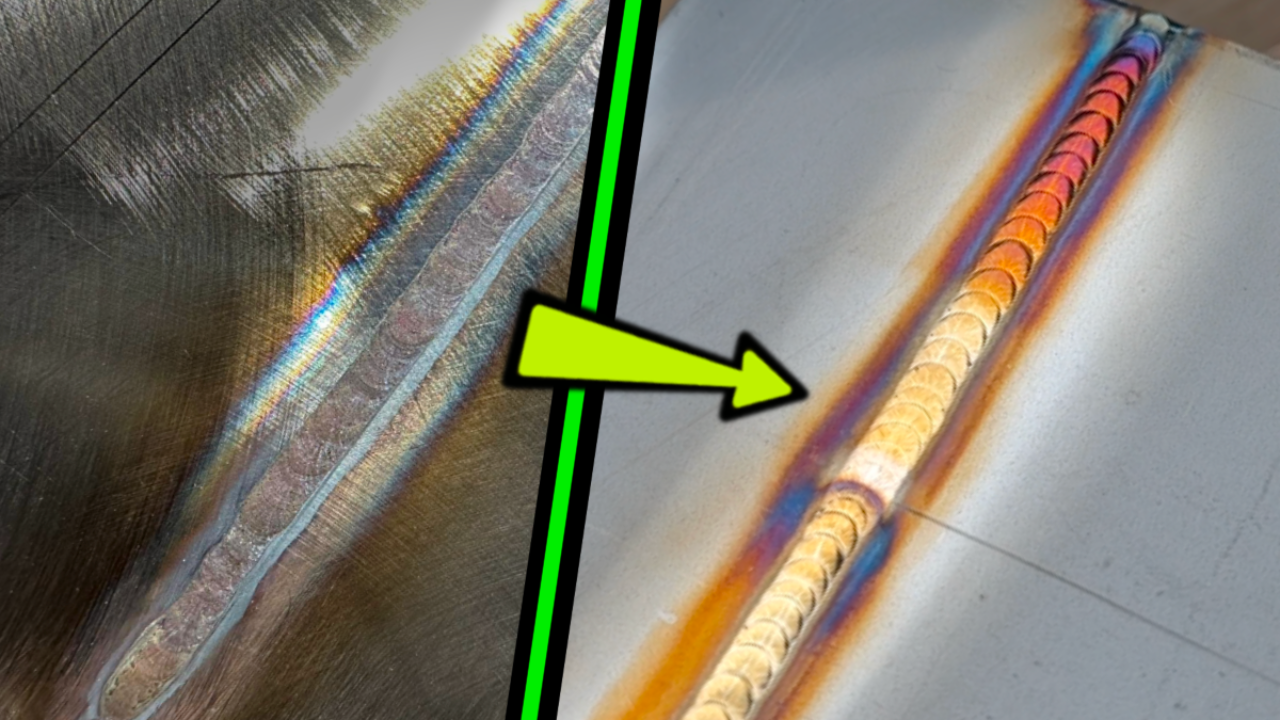
Credit: www.pacificarctigwelding.com
Mastering Tig Welding Techniques
Mastering TIG welding techniques takes patience and attention to detail. You need to develop a steady hand and a keen eye to control the arc and heat. Small adjustments can make a big difference in the quality of your welds.
Achieving The Perfect Arc
The arc is the heart of TIG welding. It must be stable and consistent to produce clean welds. Hold your torch at the right angle—usually around 15 degrees from vertical—to maintain good visibility and control.
Focus on the distance between the tungsten electrode and the workpiece. Too close, and the tungsten will stick; too far, and the arc becomes unstable. Try practicing on scrap metal to feel the sweet spot where the arc glows bright and steady.
Controlling Heat Input
Heat control is crucial to avoid warping or burning through your workpiece. Adjust your amperage to match the thickness of the metal—you want enough heat to melt the base material but not so much that it damages it.
Remember, slower travel speed means more heat is applied. If you notice discoloration or warping, increase your travel speed or lower the heat. Using pulse settings can also help manage heat by delivering short bursts rather than continuous current.
Filler Rod Techniques
Adding filler rod smoothly requires good timing and coordination. Feed the rod into the leading edge of the weld pool, not directly into the arc, to avoid contamination and maintain a clean bead.
- Use filler rods that match your base metal to ensure strong welds.
- Keep the rod clean and free of oxidation by wiping it before use.
- Practice feeding the rod steadily—too fast causes lumps, too slow results in weak joints.
Think about how you can synchronize your hand movements to keep the arc steady while adding filler. Have you tried watching your weld pool closely to anticipate when to add more rod? This awareness can elevate your welding from good to excellent.
Common Challenges And Solutions
TIG welding offers precision and control, but it also comes with its own set of challenges. Identifying common issues early can save you time and improve the quality of your welds. Let’s look at some typical problems and simple solutions you can apply right away.
Dealing With Contamination
Contamination is one of the biggest obstacles in TIG welding. Dirt, oil, or rust on your metal can cause weak welds or unwanted spatter. Always clean your metal thoroughly before welding—use a wire brush or acetone to remove any impurities.
Even the tiniest particle can ruin your weld pool. Keep your tungsten electrode sharp and clean to avoid contamination from the torch itself. You might notice a sudden change in arc stability—that’s a sign to check for contaminants.
Preventing Warping
Warping happens when the metal heats unevenly during welding. It can distort your project and create fitment issues. Try welding in short, controlled bursts and alternate sides to distribute heat evenly.
Clamping your workpiece firmly also helps keep everything in place. If you’re welding thin materials, use a backing bar or chill plate to absorb excess heat. Have you ever noticed your metal bending unexpectedly? Adjusting your technique could be the fix.
Overcoming Porosity
Porosity appears as small holes or bubbles in your weld and weakens its strength. It often results from trapped gas or moisture. Make sure your shielding gas is flowing correctly and that your gas nozzle is clean and undamaged.
Also, check your base metal for moisture before starting. Even humidity in the air can cause this problem, so weld in a dry environment when possible. If porosity keeps appearing, try increasing gas flow or adjusting your torch angle for better coverage.
Advanced Tips For Precision
Advanced tig welding requires sharp focus and steady hands. Precision in welding improves strength and appearance. Using special techniques helps control heat and metal flow better. These tricks reduce mistakes and enhance weld quality.
Pulse Welding Techniques
Pulse welding uses rapid changes in current to control heat. It creates a series of high and low current bursts. This helps avoid overheating and warping of the metal.
Advantages of pulse welding:
- Better control of the weld pool size
- Reduced distortion on thin materials
- Cleaner, more uniform weld beads
Use a pulse setting on your machine for thin or heat-sensitive metals. Adjust pulse frequency and duration for best results.
Using Backing Bars
Backing bars support the metal from behind during welding. They prevent burn-through and keep the weld even. Use copper or steel backing bars based on the metal type.
Backing bars help by:
- Reducing heat loss
- Improving weld penetration
- Maintaining alignment of the parts
Keep backing bars cool by spraying water or using cooling packs. This extends their life and improves weld quality.
Working With Thin Materials
Thin metals need gentle heat to avoid warping or holes. Use low amperage and fast travel speed for best control. Use a small tungsten electrode for precise arc control.
Tips for thin materials:
- Keep the torch angle steady and close
- Use pulse welding to reduce heat input
- Clean the metal surface thoroughly before welding
Practice on scrap metal to find the right settings. Watch the weld pool closely to avoid overheating.
Maintenance And Care
Maintaining your TIG welding equipment is key to achieving clean, precise welds every time. Neglecting care can lead to inconsistent arcs and wasted materials. Taking a few simple steps regularly can save you time and money while improving your welding quality.
Cleaning The Torch
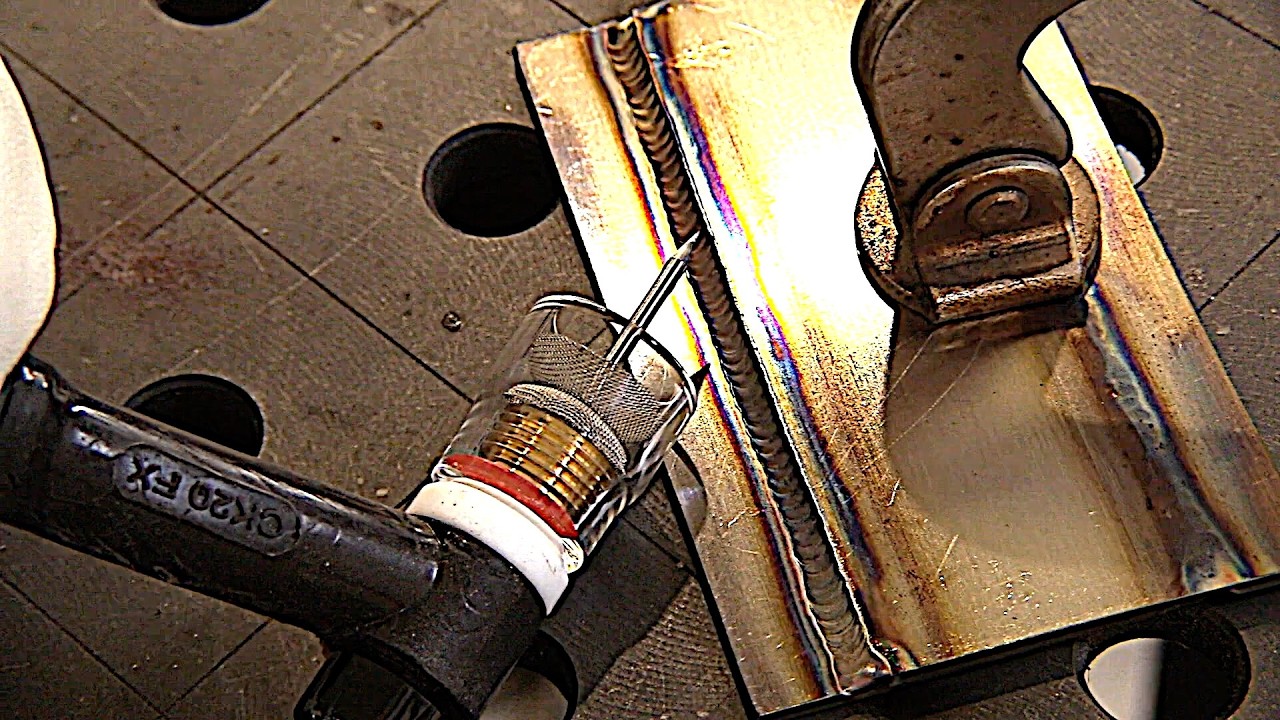
Keeping your torch clean prevents buildup that can block gas flow or cause poor electrical contact. After each welding session, wipe down the torch body with a soft cloth to remove dust and spatter.
Check the torch tip for any signs of carbon buildup or damage. Use a dedicated tip cleaner or a small wire brush to gently clean it—avoid aggressive scrubbing that could deform the tip.
Have you noticed your arc struggling to stay steady? Often, a dirty torch tip is the culprit. Make cleaning a habit to keep your arc smooth and stable.
Proper Storage Of Materials
Store your tungsten electrodes and filler rods in a dry, organized space to prevent contamination and oxidation. Moisture or dirt on these materials can cause weld defects and poor arc starts.
Use labeled containers or small plastic bags to keep different types of tungsten separate. This helps you grab the right material quickly and avoids mixing incompatible alloys.
Think about how many times you’ve wasted filler rods because they were bent or contaminated. Protecting your materials upfront means fewer interruptions and better weld quality down the line.
Routine Equipment Checks
Regularly inspect your welding cables, gas hoses, and connections for wear or leaks. A small leak can reduce gas coverage and cause porosity in your welds.
Check the condition of your power source and foot pedal controls as well. Faulty equipment can lead to inconsistent amperage, which affects weld penetration and appearance.
Set a weekly or monthly checklist for your gear. This simple habit catches issues early and keeps your TIG setup performing at its best.
Credit: www.youtube.com
Frequently Asked Questions
What Are The Best Tig Welding Tips For Beginners?
Start with clean metal surfaces and use steady hand movements. Practice controlling heat and amperage for better weld quality. Use proper filler rods and maintain a consistent arc length. Wearing appropriate safety gear is essential for protection.
How Do I Prevent Contamination In Tig Welding?
Always clean your metal before welding to remove dirt and oils. Use a high-purity shielding gas like argon to protect the weld area. Avoid touching the tungsten electrode to the metal to prevent contamination and tungsten inclusion.
Which Tungsten Electrode Is Best For Tig Welding?
Choose 2% thoriated tungsten for DC welding and 2% ceriated or lanthanated for AC welding. Select electrode size based on material thickness and current requirements. Proper grinding of tungsten tips improves arc stability and weld quality.
How Can I Improve Tig Welding Speed Without Losing Quality?
Maintain a steady hand and consistent travel speed. Use proper amperage settings suited to the material thickness. Preheat thicker metals to avoid cracking. Practice smooth, controlled filler rod feeding to enhance efficiency.
Conclusion
TIG welding takes practice and patience to get right. Use steady hands and control your speed. Keep your work area clean and your equipment ready. Watch your weld pool carefully for smooth, strong joints. Remember, safety gear protects you from burns and sparks.
Each tip helps improve your welding skills. Keep trying, and your welds will get better. Small steps lead to great results over time. Stay focused and enjoy the process of learning TIG welding.
About The Author

