
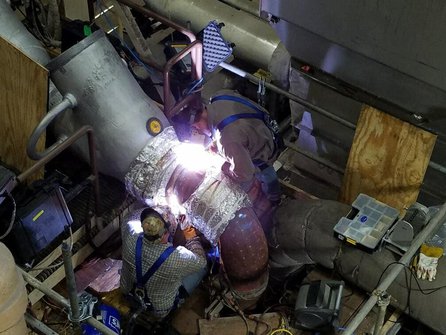
If you’re looking to improve your welding skills or find a technique that offers precision and control, Tip Tig welding might be exactly what you need. This method combines the best features of traditional TIG welding but makes the process faster and easier to manage.
Whether you’re a professional welder or a hobbyist, understanding Tip Tig can save you time, reduce mistakes, and give your projects a cleaner, stronger finish. Keep reading to discover how Tip Tig welding works and why it could change the way you approach your next weld.

Credit: cksupply.com
What Is Tip Tig Welding?
Tip Tig welding is an advanced welding process offering high control and clean results. It is a variation of the TIG (Tungsten Inert Gas) welding method. This technique uses a special wire feeding system to improve weld quality and speed. Many industries prefer Tip Tig for its precision and efficiency.
How Tip Tig Welding Works
The process involves feeding filler wire directly into the weld pool by a vibrating tip. This vibration helps clean the surface and remove impurities. It also improves metal fluidity and fusion. The welder controls the wire feed and heat separately, allowing better precision.
- Cleaner welds with less contamination
- Reduced weld spatter and defects
- Better control over heat input
- Increased welding speed compared to traditional TIG
- Improved weld bead appearance
Common Applications Of Tip Tig Welding
Tip Tig welding suits industries requiring strong, precise welds. It works well on stainless steel, aluminum, and exotic alloys. Many use it in aerospace, automotive, and food processing. Its ability to produce smooth, clean welds is highly valued.
Benefits Of Tip Tig Welding
Tip Tig welding offers several advantages that make it popular in many industries. It improves control and results in cleaner welds. The process uses a unique wire feeding technique that helps welders work faster and more accurately.
Enhanced Precision
Tip Tig welding provides better control of the welding wire. This control helps create precise welds with less spatter. Welders can easily follow complex shapes and tight spaces. The steady wire feed reduces mistakes and improves accuracy.
Increased Efficiency
The continuous wire feed in Tip Tig welding speeds up the work. It reduces the need to stop and start during welding. This results in faster project completion times. Less downtime means workers can handle more tasks each day.
Improved Weld Quality
Tip Tig welding produces cleaner and stronger welds. The process lowers contamination and defects in the weld joint. It creates smooth, uniform weld beads that need less finishing work. The final product is more durable and reliable.
Key Components Of Tip Tig Welding
Tip Tig welding is a precise and efficient welding technique. It uses special equipment to create high-quality welds. Understanding the key components helps to get the best results. These parts work together to control heat and add filler material smoothly.
Welding Torch
The welding torch in Tip Tig is designed for better control. It has a small tip that delivers the electric current. This torch also directs an inert gas to protect the weld area. The design reduces heat damage and improves weld quality.
Wire Feed System
The wire feed system supplies the filler wire steadily. It ensures smooth and continuous wire movement. This helps to avoid interruptions during welding. The system can adjust speed to match the welding needs.
Power Source
The power source provides the electric current for welding. It must be stable and adjustable. This allows precise control of heat and arc strength. A good power source helps produce clean, strong welds every time.
How Tip Tig Differs From Traditional Methods
Tip Tig welding brings a fresh approach to traditional welding techniques. It improves control and quality in metal joining. This method changes how welders handle heat, filler material, and arc stability.
Understanding how Tip Tig differs helps in choosing the right welding process. It offers specific benefits compared to standard TIG and MIG welding. These advantages make it a preferred choice for many professionals.
Comparison With Tig Welding
Tip Tig uses a cold wire feed system. This keeps the filler wire cooler before it enters the weld pool. TIG welding feeds the wire hot inside the arc. This difference reduces spatter and contamination.
Tip Tig creates a smoother, cleaner weld bead. It also allows faster travel speeds. TIG welding typically requires slower speeds for quality results. Tip Tig’s arc is more stable and easier to control.
Less heat input helps avoid warping and metal distortion. It is ideal for thin materials and delicate projects. TIG welding can cause more heat buildup, risking damage to the workpiece.
Advantages Over Mig Welding
- Tip Tig produces less smoke and fumes than MIG welding.
- It offers greater precision and cleaner welds.
- Tip Tig handles a wider range of metals and thicknesses.
- It reduces the risk of burn-through on thin materials.
- Tip Tig welds have better mechanical properties and appearance.
MIG welding uses a continuous wire feed with higher heat input. This can cause more spatter and rougher welds. Tip Tig’s cold wire feed minimizes these issues.
Tip Tig also allows better control over the weld pool size and shape. MIG welding can be less precise, especially on small or detailed jobs.
Applications Of Tip Tig Welding
Tip Tig welding offers precise control and high-quality welds, making it ideal for many demanding fields. Its ability to handle thin materials and complex joints has expanded its use across various industries. Let’s look at how Tip Tig welding plays a crucial role in some key sectors.
Aerospace Industry
The aerospace sector demands flawless welds to ensure safety and performance. Tip Tig welding excels by producing clean, consistent welds on lightweight metals like aluminum and titanium. If you work with aircraft parts, you know even minor imperfections can cause major issues—Tip Tig’s precision helps avoid that.
Its low heat input reduces distortion, which is critical when working on delicate aerospace components. This welding method also speeds up production without sacrificing quality, something manufacturers always want. Have you ever considered how much time is wasted fixing errors in traditional welding?
Automotive Manufacturing
In automotive manufacturing, strength and appearance both matter. Tip Tig welding delivers strong, smooth joints that improve vehicle safety and aesthetics. This method works well on stainless steel and aluminum, common materials in modern cars.
Its ability to weld thinner metals means lighter cars and better fuel efficiency. You might be surprised to learn that many high-performance vehicles use Tip Tig welding to boost durability while keeping weight down. How could your next vehicle project benefit from such precise control?
Nuclear Energy Sector
Safety standards in nuclear energy are extremely strict, and weld quality must be impeccable. Tip Tig welding offers superior cleanliness and minimal contamination risk, essential when working with nuclear-grade materials. This reduces the chance of weld defects that could lead to leaks or failures.
Additionally, Tip Tig’s fine control helps manage the unique challenges of welding thick, heat-sensitive metals used in reactors. If you are involved in nuclear projects, you understand the importance of every weld’s integrity. Could Tip Tig welding be the solution to your toughest welding challenges?

Credit: tiptig.com
Techniques For Mastering Tip Tig Welding
Mastering Tip Tig welding demands attention to detail and a hands-on approach to technique. It’s not just about turning on the machine; it’s about knowing how to set up, adjust, and maintain your equipment to get that perfect weld every time. You’ll find that small tweaks in your process can lead to big improvements in weld quality and efficiency.
Proper Setup And Preparation
Your setup defines the foundation of a successful weld. Start by ensuring your welding torch and filler wire are clean and free from contaminants. Dirt or oil on these components can cause poor arc stability and weld defects.
Check your gas flow rate carefully. Too much shielding gas wastes resources, while too little leaves your weld exposed to oxidation. I once experienced inconsistent welds simply because the gas regulator was loose—tightening it solved the issue immediately.
Position your workpiece securely. Movement during welding can ruin your bead and create weak spots. Take your time to clamp or fix the metal firmly before striking the arc.
Adjusting Parameters For Optimal Results
Tip Tig welding requires fine-tuning of parameters like current, wire feed speed, and travel speed. Adjust the current to match the thickness of your material; too high causes burn-through, too low results in weak penetration.
Wire feed speed controls the amount of filler metal added. If it’s too fast, you’ll get excessive spatter and poor bead shape. Too slow and the weld may lack fusion. Try small changes and observe how the bead responds.
Travel speed impacts bead appearance and strength. Moving too fast can cause undercutting, while moving too slow leads to excessive heat buildup. Ask yourself: Are you moving steadily enough to produce a consistent bead?
Maintaining Equipment
Regular maintenance keeps your Tip Tig system reliable and efficient. Clean the torch nozzle and contact tip after each use to prevent buildup that can distort the arc. I learned this the hard way when a clogged nozzle caused erratic arc behavior during a critical weld.
Inspect cables and connectors routinely for wear or damage. Loose connections increase electrical resistance and can cause overheating or inconsistent power delivery.
Replace consumables like tungsten electrodes and contact tips as soon as you notice wear. Running worn parts not only lowers weld quality but also risks damaging more expensive components.
Common Challenges And Solutions
Tip Tig welding offers precise control and excellent weld quality, but like any technique, it comes with its share of challenges. Understanding these hurdles and knowing how to solve them can make your welding projects smoother and more successful. Let’s dive into some common issues you might face and practical ways to handle them effectively.
Addressing Heat Input Issues
Too much heat can cause warping, burn-through, or weaken the metal structure. On the other hand, too little heat might result in poor fusion and weak joints.
Control your heat input by adjusting the current and travel speed carefully. Use lower amperage for thin materials and increase it gradually for thicker metals.
Have you noticed your welds cooling too quickly or overheating? Try pausing briefly between passes to let the metal cool naturally, avoiding excessive heat buildup.
Managing Weld Pool Control
Keeping the weld pool stable is essential for clean, consistent welds. An unstable pool can lead to uneven beads and defects like porosity or undercuts.
Maintain a steady hand and consistent travel speed. Use a slight weaving motion if necessary to spread the weld pool evenly.
It helps to practice on scrap metal before working on your final piece—this builds your muscle memory and improves pool control.
Preventing Contamination
Contamination from dirt, oil, or rust can ruin a weld by causing weak spots or inclusions. Even small particles can create major problems.
Always clean your workpieces thoroughly before welding. Use wire brushes, grinders, or chemical cleaners depending on the type of contamination.
Shielding gas plays a crucial role in protecting the weld pool from airborne contaminants. Make sure your gas flow is adequate and consistent throughout the welding process.

Credit: tiptig.com
Future Trends In Tip Tig Welding
The future of Tip Tig welding looks promising as new technologies and applications continue to emerge. This welding technique is evolving beyond traditional uses, offering more precision and efficiency. Understanding these trends can help you stay ahead in your welding projects and career.
Technological Innovations
Tip Tig welding technology is becoming more advanced with better control systems and automation. New power sources allow for smoother welding arcs and reduced heat input, which means less distortion in your workpieces. Imagine welding delicate materials like aluminum with greater ease and consistency than ever before.
Robotic integration is also making Tip Tig welding more accessible in high-volume production. This reduces human error and increases repeatability, saving time and costs. Are you ready to work alongside smart machines that enhance your welding quality?
Expanding Industry Applications
Tip Tig welding is finding new roles in industries beyond aerospace and automotive. It’s now being used in renewable energy sectors, such as wind turbine manufacturing, where precision is critical. This opens up opportunities for you if you’re looking to specialize in cutting-edge industrial fields.
Medical device manufacturing is another area where Tip Tig is gaining ground. The ability to weld thin, sensitive materials without contamination suits the strict requirements of this field. Could this be the niche where your welding skills make a big impact?
Frequently Asked Questions
What Is Tip Tig Welding And How Does It Work?
Tip Tig welding is an advanced TIG welding process using a wire feeder. It improves arc stability and weld quality by feeding the filler wire precisely. This method increases deposition rates and reduces contamination, making it ideal for critical, high-quality welds on stainless steel and aluminum.
What Materials Are Best For Tip Tig Welding?
Tip Tig welding works best on stainless steel, aluminum, and other non-ferrous metals. It provides excellent control for thin to medium thickness materials. This process is popular in industries requiring clean, high-strength welds, such as aerospace, food processing, and automotive manufacturing.
How Does Tip Tig Compare To Traditional Tig Welding?
Tip Tig offers faster welding speeds and higher deposition rates than traditional TIG welding. It reduces heat input and minimizes distortion. Additionally, it enhances weld bead appearance and consistency, making it more efficient for production environments without sacrificing weld quality.
What Equipment Is Needed For Tip Tig Welding?
You need a standard TIG welding machine equipped with a Tip Tig wire feeder system. The wire feeder precisely controls the filler wire feed rate. Also, quality tungsten electrodes, shielding gas, and a suitable power source are essential for optimal Tip Tig performance.
Conclusion
Tip Tig welding offers precision and control for strong, clean welds. It suits many metals and projects, making it a versatile choice. This method reduces welding defects and improves overall quality. Practicing Tip Tig techniques can boost your welding skills noticeably.
Choose the right equipment and settings to get the best results. Keep learning and experimenting to enhance your welding work. Simple, effective, and reliable—Tip Tig welding remains a solid option for many welders.
About The Author

