
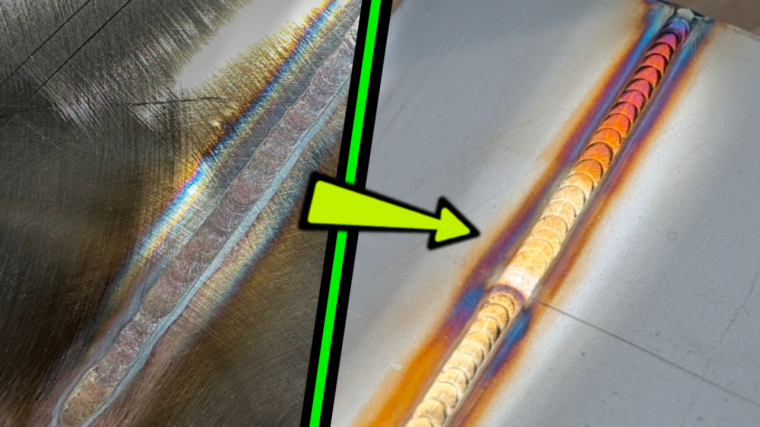
If you want to master TIG welding and create strong, precise welds every time, you’ve come to the right place. Whether you’re just starting or looking to sharpen your skills, these simple tips will help you improve quickly.
Imagine cutting down mistakes, saving time, and feeling confident with every weld you make. Keep reading, and you’ll discover easy ways to boost your technique and get the results you’ve been aiming for. Your next great weld is closer than you think!
Tig Welding Basics
TIG welding, also known as Tungsten Inert Gas welding, offers precision and control that many welders appreciate. It’s ideal for working on thin metals and producing clean, high-quality welds. Understanding the basics sets the foundation for mastering this technique and avoiding common pitfalls.
Essential Equipment
Getting the right tools is key to successful TIG welding. You’ll need a TIG welding machine with adjustable amperage to match different metal thicknesses. A tungsten electrode is crucial—it doesn’t melt and provides the arc needed for welding.
Other must-haves include:
- Protective welding helmet with auto-darkening lens
- Heat-resistant gloves and long-sleeve clothing
- Argon gas cylinder for shielding the weld from contamination
- Filler rods compatible with the metal you’re welding
- A sturdy work surface or welding table to keep your project steady
Investing in quality equipment can save you frustration and improve your results significantly. Have you checked if your gear matches the materials you plan to weld?
Safety Precautions
Safety cannot be overlooked in TIG welding. The intense light and heat can cause serious injuries if proper care isn’t taken. Always wear a welding helmet to protect your eyes from harmful UV rays.
Keep a fire extinguisher nearby and ensure your workspace is free of flammable materials. Ventilation matters too—welding fumes are hazardous, so working in a well-ventilated area or using an exhaust system is essential.
Remember to inspect your equipment regularly. Damaged cables or gas leaks can lead to accidents. How often do you check your gear before starting a welding project?
Preparing The Workpiece
Preparing the workpiece is a crucial part of TIG welding that can make or break your final weld quality. If your base metal isn’t ready, even the best technique won’t save you from weak joints or contamination. Taking the time to properly prepare helps you achieve cleaner, stronger welds with less frustration.
Cleaning And Surface Preparation
Before you touch the torch, make sure the metal surface is spotless. Dirt, oil, rust, and paint create barriers that prevent proper fusion and cause weld defects.
- Use a wire brush or grinder to remove rust and scale.
- Wipe the surface with acetone or a degreaser to eliminate oils and grease.
- Avoid touching the cleaned area with bare hands; skin oils can contaminate the metal.
Think about how much easier your weld flows when the metal is clean. Have you ever tried welding over a greasy spot and ended up with porosity? Proper cleaning saves you from those headaches.
Proper Joint Fit-up
Getting the joint fit-up right is just as important as cleaning. If the pieces don’t align well, you’ll struggle to maintain a consistent arc and penetrate evenly.
- Check for tight, even gaps between the parts; too wide or too narrow gaps cause weak welds.
- Use clamps or fixtures to hold the pieces steady and prevent movement during welding.
- Ensure the edges are beveled correctly if you’re working on thicker materials.
Imagine welding two parts that shift as you work—your chances of a strong, clean weld drop significantly. How often do you double-check your fit-up before starting? Taking a moment here can save hours of rework later.
Selecting The Right Tungsten
Selecting the right tungsten electrode is crucial for TIG welding quality. The tungsten affects arc stability, weld appearance, and penetration. Choosing the proper type and size ensures better control and cleaner welds. Understanding tungsten varieties and sharpening methods helps you weld with confidence.
Types Of Tungsten Electrodes
Tungsten electrodes come in several types, each suited for specific welding tasks.
- Pure Tungsten (Green):Best for AC welding on aluminum and magnesium. Provides a stable arc but wears faster.
- Thoriated Tungsten (Red):Common for DC welding. Offers excellent arc starting and longevity.
- Lanthanated Tungsten (Blue):Works well with AC and DC. Delivers good arc stability and longer life.
- Ceriated Tungsten (Gray):Ideal for low amperage DC welding. Provides smooth arc starts.
Choose tungsten based on the welding current and material type for best results.
Tungsten Size And Sharpening
The size of the tungsten impacts the welding precision and current capacity.
- Smaller diameters suit thin metals and low current welding.
- Larger diameters handle higher currents and thicker materials.
Sharpen tungsten to a fine point for DC welding to focus the arc.
For AC welding, use a balled tip to stabilize the arc.
Keep the tungsten clean and sharpened correctly to avoid contamination and improve weld quality.
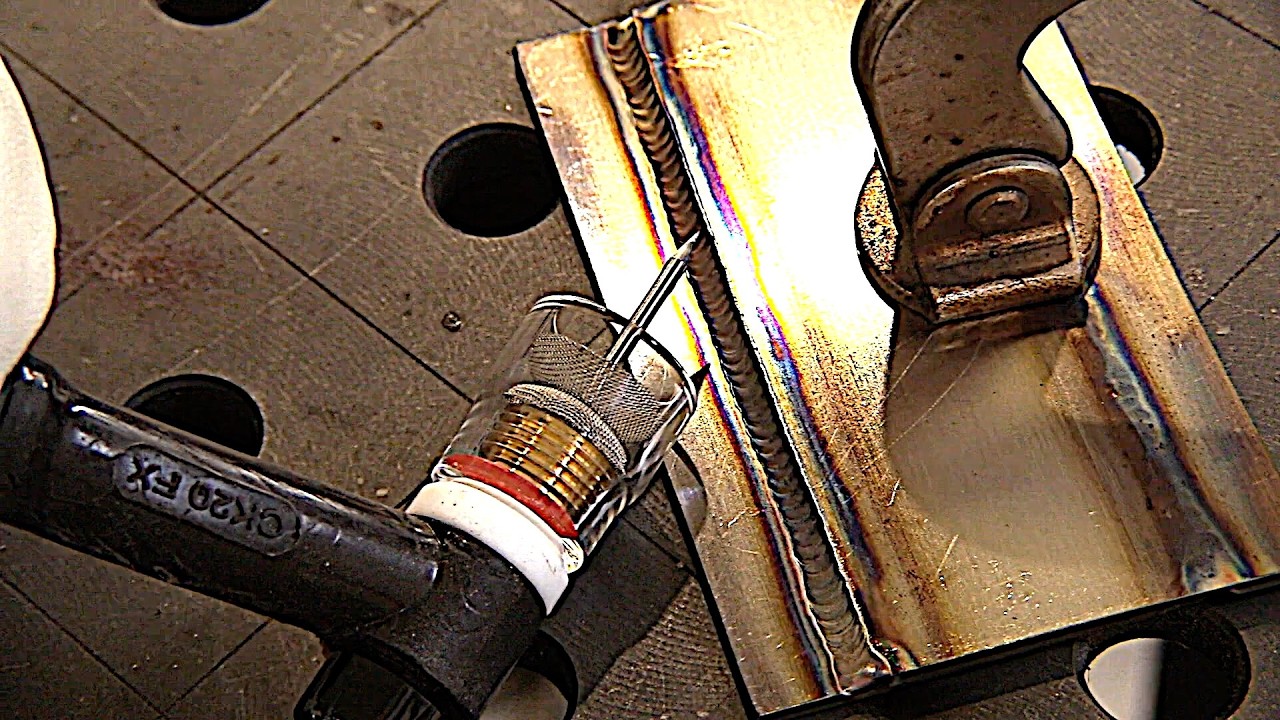
Credit: www.youtube.com
Mastering Torch Control
Controlling the torch during TIG welding affects the quality and appearance of the weld. Precise torch control helps create clean, strong welds with minimal defects. Focus on the angle and movement to keep the weld pool stable and even. Small changes in torch handling can lead to big differences in results.
Adjusting Torch Angle
Keep the torch at a consistent angle to the workpiece. Aim for about 70 to 80 degrees from the surface. This angle directs the heat properly and protects the tungsten tip. Avoid holding the torch too vertical or too flat. Both can cause poor weld penetration or contamination.
Adjust the angle slightly based on the joint type. For example:
- Butt joints: Use a 90-degree angle for even heat.
- Fillet welds: Tilt the torch toward the joint to fill the corner.
Maintain the angle throughout the weld to ensure steady heat and consistent bead shape.
Maintaining Steady Movement
Move the torch smoothly and at a steady speed. Jerky or fast motions cause uneven weld beads. A slow, controlled pace lets the weld pool form correctly. Watch the pool size and adjust your speed to keep it stable.
Use small circular or side-to-side motions for wider welds. Keep the motion consistent to avoid gaps or overlaps. Practice steady hand control by welding on scrap metal first. This builds confidence and improves torch handling.
Managing Heat Input
Managing heat input is essential for quality TIG welding. Too much heat can cause warping and burn-through. Too little heat results in poor weld penetration and weak joints. Controlling heat helps maintain metal integrity and ensures clean, strong welds.
Controlling Amperage
Amperage controls the heat during TIG welding. Set the right amperage based on metal thickness. Thicker metals need higher amperage for proper fusion. Thin metals require lower amperage to avoid damage.
Adjust amperage carefully. Small changes affect heat input significantly. Use a welding chart or guide for reference. This helps select the best amperage for each job.
Using The Foot Pedal
The foot pedal allows real-time heat control. Pressing the pedal increases amperage. Releasing it reduces amperage. This lets you adjust heat while welding.
Practice smooth pedal movements. Sudden changes cause uneven welds. A steady foot keeps the weld pool stable and avoids overheating.

Credit: www.reddit.com
Filler Rod Techniques
Filler rod techniques play a vital role in TIG welding quality. The right approach ensures strong, clean welds. Proper handling of filler rods affects the weld bead shape and penetration. Small mistakes can cause defects or weak joints.
Understanding how to choose and feed filler rods improves welding results. These tips help both beginners and experienced welders achieve smooth, consistent welds.
Choosing The Right Filler Material
Select filler rods that match the base metal type. The filler must be compatible to avoid weak welds or cracks. Common materials include:
- Aluminum rods for aluminum welds
- Stainless steel rods for stainless steel work
- Mild steel rods for carbon steel welding
Check the rod diameter to suit the joint size and welding position. Thinner rods work best for small or delicate welds. Thicker rods suit larger, heavy-duty jobs.
Keep rods clean and free from rust or oil. Contaminated rods cause porosity and poor weld quality.
Proper Feeding Methods
Hold the filler rod at a steady angle, about 15 degrees from the workpiece. Feed the rod smoothly into the weld pool. Avoid pushing the rod too deep or pulling it away abruptly.
Use both hands if needed—one for the torch, one for the rod. Keep a consistent rhythm to maintain an even weld bead.
- Dip the rod gently into the molten pool
- Withdraw slightly before adding more filler
- Avoid overheating the rod to prevent burning
Practice timing and coordination to feed the rod without interrupting the arc. Proper feeding reduces weld defects and improves appearance.
Achieving Perfect Beads
Achieving perfect beads in TIG welding requires focus and skill. The bead is the visible weld line, showing the quality of your work. Smooth, even beads mean strong, clean welds. Uneven beads can lead to weak joints and poor looks.
Practice and control are essential. Keep your hand steady and your movements consistent. Watch the weld pool closely to adjust your technique. Small changes improve the bead’s appearance and strength.
Consistent Speed And Rhythm
Maintaining a steady speed helps create uniform beads. Moving too fast can cause thin, weak welds. Moving too slow leads to wide, overheated beads. Find a rhythm that matches the metal thickness and welding current.
Use your wrist and fingers for smooth, controlled motion. Keep your torch angle steady to guide the weld pool. A consistent pace gives a clean, attractive bead without splatter.
Troubleshooting Common Issues
Bead problems can show many signs. Here are common issues and fixes:
- Uneven Beads:Check your speed and torch angle. Slow down or adjust the angle for better control.
- Porosity (Holes):Clean the metal surface well. Avoid drafts that blow shielding gas away.
- Cracking:Use proper filler rod and correct heat settings. Let the weld cool slowly.
- Overheating:Reduce current or increase travel speed. Keep the weld pool small.
Regularly inspect your work. Adjust settings based on the bead’s look and feel. Experience helps you spot problems fast and fix them on the spot.
Credit: medium.com
Post-welding Practices
Post-welding practices play a crucial role in ensuring strong and clean TIG welds. Taking time to inspect and clean your welds protects the metal and improves the overall quality. Proper finishing also helps avoid future issues like corrosion or cracking. These steps increase the durability and appearance of your welded projects.
Inspecting The Weld
Careful inspection detects any defects or weak spots in the weld. Look for cracks, holes, or uneven bead shapes. Use good lighting to see details clearly. Run your fingers gently over the weld to feel for rough areas or sharp edges. A smooth, consistent weld bead shows good technique and strong fusion. Spot problems early to fix them before moving on.
Cleaning And Finishing
Cleaning removes slag, dirt, and discoloration from the weld surface. Use a stainless steel brush or a dedicated wire brush for TIG welds. Avoid using regular steel brushes to prevent contamination. Wipe the area with a clean cloth and mild solvent to remove oils. Finishing can include grinding or polishing the weld to match the surrounding metal. This step improves both appearance and resistance to corrosion.
Frequently Asked Questions
What Are The Essential Tips For Beginner Tig Welding?
Start with clean metal and proper safety gear. Use a steady hand and maintain a consistent arc length. Control heat to avoid warping. Practice welding beads on scrap metal for skill improvement.
How Do I Choose The Right Tungsten Electrode For Tig Welding?
Select tungsten based on metal type and welding current. Thoriated for steel, ceriated for low amperage, and lanthanated for versatility. Proper tungsten choice ensures stable arc and better weld quality.
What Is The Best Technique For Controlling Heat In Tig Welding?
Use low amperage and short arc length for thin metals. Increase travel speed to prevent overheating. Employ pulsing settings if available to control heat input efficiently and reduce distortion.
How Important Is Gas Flow Rate In Tig Welding?
Gas flow rate protects the weld pool from contamination. Maintain flow between 15-20 cubic feet per hour. Too low causes oxidation; too high wastes gas and causes turbulence.
Conclusion
TIG welding requires patience and steady hands. Clean your materials well for better results. Keep your torch steady and maintain a consistent speed. Choose the right filler rod for your metal type. Practice often to build confidence and skill. Small details make a big difference in weld quality.
Safety gear protects you from sparks and heat. With time, your welds will look cleaner and stronger. Keep these tips in mind for better TIG welding.
About The Author

