
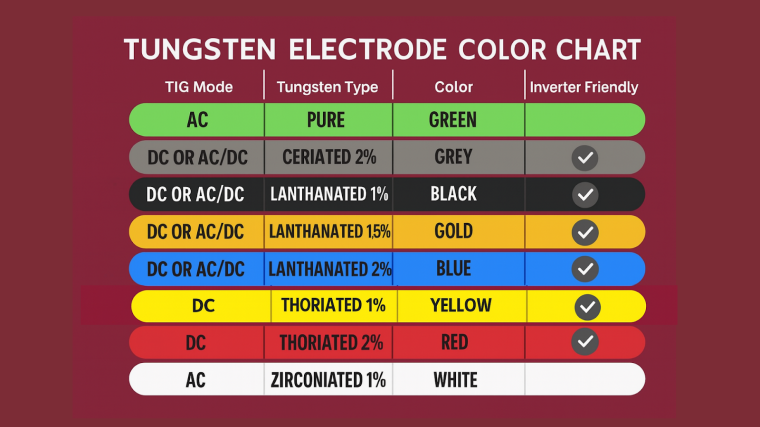
If you work with welding, you know how important the right tungsten electrode is. But did you know that choosing the right type can make your work easier and your welds stronger?
Understanding the different types of tungsten electrodes can save you time, reduce mistakes, and improve your results. You’ll discover which electrodes fit your needs best. Keep reading to find out how to boost your welding skills by picking the perfect tungsten electrode for your project.

Credit: www.dayangweldings.com
Tungsten Electrode Basics
Tungsten electrodes are a crucial component in TIG (Tungsten Inert Gas) welding. Understanding their basics can help you choose the right electrode for your project and improve your welding results. Let’s break down the key aspects of tungsten electrodes to give you a solid foundation.
Composition And Properties
Tungsten electrodes are made primarily from tungsten, a metal known for its high melting point and strength. To enhance performance, small amounts of other elements like thorium, lanthanum, cerium, or zirconium are added. These additives affect properties such as arc stability, electrode life, and ease of starting the arc.
For example, electrodes with thorium offer excellent arc stability but require careful handling due to radioactivity concerns. Lanthanum and cerium electrodes provide good arc starting and longer life without the health risks. Knowing these details helps you pick the electrode that fits your welding needs.
Role In Welding
The tungsten electrode serves as the non-consumable electrode in TIG welding. It creates the arc that melts the base metal, allowing for precise and clean welds. Unlike consumable electrodes, tungsten does not melt into the weld pool, which helps maintain weld quality.
Your choice of tungsten electrode impacts the arc’s shape, stability, and temperature. A sharper tungsten tip usually gives better arc focus, essential for thin materials or detailed work. Have you noticed how changing electrodes can affect your weld bead consistency? That’s the tungsten electrode’s role in action.

Credit: unimig.com.au
Pure Tungsten Electrodes
Pure tungsten electrodes are known for their simplicity and reliability in welding processes. Made entirely from tungsten, these electrodes offer a distinct set of properties that make them suitable for specific welding applications. Understanding their characteristics, uses, and limitations can help you choose the right electrode for your project.
Characteristics
Pure tungsten electrodes consist of 99.5% tungsten, which gives them excellent electrical conductivity and high melting points. They produce a stable arc and good arc starting ability, especially in AC welding. However, they tend to wear faster and may require frequent grinding to maintain a sharp tip.
Applications
These electrodes are commonly used in welding aluminum and magnesium with alternating current (AC). Their ability to handle AC without contaminating the weld pool makes them ideal for non-ferrous metals. If you work with softer metals and need a clean, strong weld, pure tungsten electrodes are a solid choice.
Advantages And Limitations
- Advantages:Excellent arc stability on AC, easy to start the arc, and low contamination risk.
- Limitations:Shorter electrode life due to faster wear, not suitable for high-amperage DC welding, and requires frequent tip maintenance.
Have you noticed how electrode wear affects your welding consistency? Choosing pure tungsten electrodes means balancing ease of use with the need for regular upkeep. How often do you find yourself stopping to re-grind the tip?
Thoriated Tungsten Electrodes
Thoriated tungsten electrodes have been a popular choice among welders for decades. Known for their excellent arc starting and stability, these electrodes contain a small amount of thorium oxide. This unique composition enhances performance, making them a reliable option in many welding scenarios.
Features
- Composition:Typically 1-2% thorium oxide mixed with tungsten.
- Arc Stability:Provides a smooth and stable arc, reducing spatter.
- Durability:Longer-lasting than pure tungsten electrodes due to better electron emission.
- Color Coding:Usually marked with a red tip for easy identification.
One thing I noticed while using thoriated electrodes is how consistently they maintain the arc, even in challenging positions. This can save you time and effort during welding projects.
Best Uses
- Ideal for DC welding applications, especially in steel and stainless steel.
- Works well with TIG welding where precise control is needed.
- Great choice for industries like aerospace, automotive, and fabrication.
If you’re working on a project requiring strong, clean welds on carbon or stainless steel, these electrodes can make a noticeable difference. Have you tried switching electrode types to improve your weld quality?
Safety Considerations
- Contains radioactive thorium, so handle with care.
- Wear proper respiratory protection when grinding to avoid inhaling dust.
- Store electrodes in a dry, secure place to prevent contamination.
Many welders overlook safety when dealing with thoriated electrodes. I learned the hard way that grinding these electrodes without a mask can cause serious lung issues. Are you taking the right precautions to protect yourself?
Credit: advancedweldingsupplies.com
Ceriated Tungsten Electrodes
Ceriated tungsten electrodes are a popular choice among welders who need reliable arc starts and consistent performance. These electrodes contain a small amount of cerium oxide, which enhances their properties, making them suitable for a variety of welding tasks. If you’ve ever struggled with arc stability or frequent electrode contamination, ceriated tungsten might be the solution you’re looking for.
Key Traits
- Composition:Typically 2% cerium oxide mixed with tungsten, offering a balance between pure and alloyed electrodes.
- Arc Starting:Provides excellent arc starting capabilities even at low amperage.
- Durability:Resists contamination better than pure tungsten electrodes.
- Color Code:Usually marked with an orange tip for easy identification.
These traits make ceriated electrodes stand out when precision and reliability are crucial. Have you noticed how some electrodes wear out too fast or cause unstable arcs? Ceriated tungsten often solves those issues, giving you smoother welds.
Ideal Welding Scenarios
If you’re working with thin materials or need fine control over the weld pool, ceriated electrodes are excellent. They perform well with both AC and DC currents, making them versatile for TIG welding aluminum, stainless steel, and carbon steel.
Welders often prefer them for low amperage applications where starting the arc cleanly is a challenge. If you’ve tried welding delicate parts and faced arc wandering or inconsistent starts, switching to ceriated tungsten could improve your results.
Performance Benefits
- Smoother Arc:The arc remains stable and focused, reducing spatter and defects.
- Longer Electrode Life:Less frequent regrinding is needed due to better resistance to contamination.
- Improved Weld Quality:Produces cleaner, more consistent weld beads with minimal porosity.
Using ceriated tungsten often means fewer interruptions and higher productivity. Think about the last time your welds had uneven beads or you had to stop to reshape the electrode repeatedly. Ceriated electrodes help you avoid those setbacks.
Lanthana Tungsten Electrodes
Lanthana tungsten electrodes are a popular choice among welders who seek both performance and reliability. These electrodes contain lanthanum oxide, which enhances their welding characteristics. If you want electrodes that provide stable arcs and resist contamination, lanthana types might be the right fit for your projects.
Properties
Lanthana tungsten electrodes offer excellent arc stability, which means your welds stay consistent and clean. They have a lower burn-off rate compared to pure tungsten, so they last longer during welding sessions.
These electrodes also show improved resistance to contamination, reducing the risk of weld defects. Their ability to maintain a sharp point helps achieve precise welds, making them suitable for both AC and DC welding.
Common Uses
You’ll often find lanthana electrodes used in TIG welding for metals like stainless steel, aluminum, and carbon steel. Their versatility means they perform well in both light fabrication and heavy industrial applications.
Many welders prefer lanthana electrodes when working on projects that demand high-quality welds, such as automotive repairs or aerospace components. If your work requires a stable arc and minimal electrode changes, these electrodes are worth considering.
Durability Factors
The durability of lanthana tungsten electrodes depends on several factors, including the welding current and the type of shielding gas used. Using the right amperage keeps the electrode from degrading too quickly.
Proper grinding of the electrode tip also plays a key role in extending its life. If you maintain the correct angle and shape, you’ll reduce contamination and improve arc stability, saving time and costs in the long run.
Zirconiated Tungsten Electrodes
Zirconiated tungsten electrodes are a popular choice for specific welding tasks. They contain a small amount of zirconium oxide, which enhances their performance. These electrodes offer excellent arc stability and resist contamination better than pure tungsten. They can withstand high current loads without degrading quickly.
Many welders prefer zirconiated electrodes for their smooth arc and long life. They work well in both AC and DC welding processes. Their unique composition helps reduce electrode wear and maintain a sharp tip during welding.
Special Features
- Contains 0.15% to 0.40% zirconium oxide for improved durability
- Produces a stable and smooth arc
- Less prone to contamination during welding
- Maintains sharp tip on AC and DC currents
- Longer electrode life compared to pure tungsten
Suitable Materials
- Aluminum and its alloys
- Magnesium and magnesium alloys
- Other non-ferrous metals
Welding Conditions
- Ideal for AC welding processes
- Works well at high current levels
- Recommended for welding thin materials
- Effective in applications needing stable arc control
- Operates efficiently in environments prone to contamination
Selecting The Right Electrode
Selecting the right tungsten electrode is vital for welding success. The electrode affects weld quality, stability, and efficiency. Choosing the correct type ensures better arc control and less contamination. Understanding key factors helps pick the best electrode for your project.
Matching Electrode To Material
Different metals require specific tungsten electrodes. For example, pure tungsten works well with aluminum and magnesium. Thoriated electrodes suit steel and stainless steel. Ceriated types fit both AC and DC welding on thin metals. Matching electrode type to the base material improves weld quality and strength.
Current Type And Polarity
The welding machine’s current type impacts electrode choice. AC current typically needs pure or zirconiated tungsten. DC current often uses thoriated or ceriated electrodes. Polarity also matters. DC electrode positive (DCEP) and DC electrode negative (DCEN) affect electrode wear and arc stability. Correct pairing extends electrode life and ensures a smooth arc.
Electrode Size And Shape
Electrode diameter affects weld penetration and heat input. Smaller electrodes suit thin materials and delicate work. Larger electrodes handle thicker metals and higher currents. Point shape matters too. A sharp point offers precise control on DC. A balled tip works better on AC for stable arcs. Selecting the right size and shape matches the welding task perfectly.
Maintenance And Sharpening Tips
Proper maintenance and sharpening of tungsten electrodes improve welding quality and save money. Clean and well-shaped electrodes create stable arcs and better welds. Simple care steps extend electrode life and reduce downtime in your work.
Extending Electrode Life
Keep electrodes clean from dirt and oil. Use a dedicated brush or cloth to wipe them before use. Avoid touching the tungsten tip with bare hands. Contamination affects weld quality and shortens electrode life.
Replace electrodes showing cracks or heavy wear. Using damaged electrodes causes unstable arcs and poor welds. Use the correct current settings to prevent overheating. Overheating leads to faster electrode erosion.
Sharpening Techniques
Sharpen electrodes with a dedicated tungsten grinder. Avoid using a bench grinder; it overheats and damages the tip. Grind the electrode to a point for DC welding. For AC welding, use a rounded tip.
Grind lengthwise along the electrode, not in circles. This prevents weak spots and uneven wear. Keep the tip smooth and free of burrs. A smooth tip ensures a steady arc and better weld control.
Handling And Storage
Store electrodes in a dry, clean container. Moisture causes oxidation and reduces electrode performance. Keep different types and sizes separated to avoid mix-ups.
Handle electrodes gently to avoid bending or chipping. Use protective covers or cases during transport. Proper storage protects electrodes and keeps them ready for use.
Frequently Asked Questions
What Are The Main Types Of Tungsten Electrodes?
The main types are pure tungsten, thoriated, ceriated, lanthanated, and zirconated electrodes. Each type suits different welding tasks and materials.
How To Choose The Right Tungsten Electrode Type?
Select based on welding current, material type, and desired weld quality. Consider electrode durability and arc stability for best results.
Why Is Thoriated Tungsten Electrode Popular?
Thoriated electrodes offer excellent arc stability and easy arc starting. They work well with DC welding and provide strong welds.
What Makes Lanthanated Tungsten Electrodes Unique?
Lanthanated electrodes combine good arc stability with long life. They perform well on AC and DC currents, ideal for aluminum and steel.
Conclusion
Tungsten electrodes come in different types for various welding needs. Each type offers unique benefits for specific tasks. Choosing the right electrode improves weld quality and efficiency. Understanding these types helps you work smarter and safer. Keep these basics in mind for better results.
Simple knowledge can make a big difference in welding projects.
About The Author

