

Are you ready to unlock the secrets behind strong, lasting metal bonds? Understanding the different types of wire welding can transform the way you approach your projects.
Whether you’re a hobbyist, a professional welder, or simply curious, knowing which welding method suits your needs can save you time, money, and frustration. You’ll discover the key types of wire welding, how they work, and when to use each one.
Keep reading—your next welding project will thank you.
Wire Welding Basics
Wire welding is a popular technique in metal joining. It uses a continuous wire electrode to create strong bonds between metal pieces. This method is efficient and widely used in many industries.
Understanding the basics of wire welding helps in choosing the right type and process. It also ensures safe and effective welding work. Below are key points about wire welding.
What Is Wire Welding
Wire welding uses a wire that melts and fuses metals together. The wire acts as both the electrode and filler material. It moves continuously through the welding gun during the process.
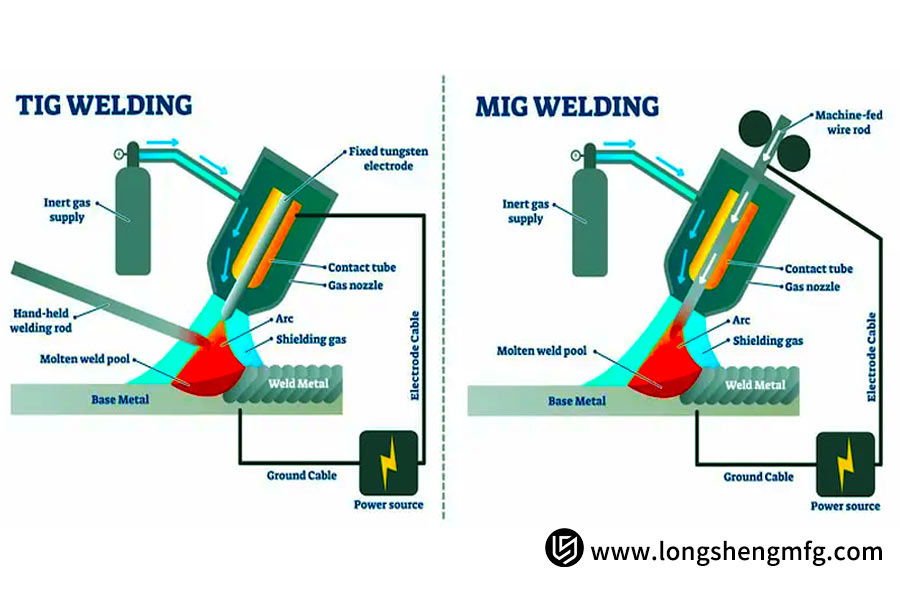
The most common types include MIG (Metal Inert Gas) and TIG (Tungsten Inert Gas) welding. Both use wire electrodes but differ in the shielding gas and heat source.
Benefits Of Wire Welding
- Faster welding speed compared to stick welding
- Produces clean welds with less slag
- Allows for continuous operation without stopping
- Suitable for thin and thick metals
- Easy to automate for large production
Common Applications
Wire welding is used in many fields. It joins metals in automotive manufacturing, construction, and shipbuilding. It also works well for metal furniture and pipelines.
Its ability to weld different metals makes it useful in repair shops and metal fabrication. Wire welding suits both small projects and large industrial jobs.
Credit: www.arccaptain.com
Mig Welding
MIG Welding, or Metal Inert Gas welding, is a popular wire welding technique known for its ease and speed. It uses a continuous wire feed as an electrode and a shielding gas to protect the weld from contamination. This method is favored in many industries, from automotive to construction, because it offers clean and strong welds with less cleanup.
Process And Equipment
The MIG welding process involves feeding a wire electrode through a welding gun. This wire melts and joins the metal pieces together while a shielding gas, usually argon or a mix with carbon dioxide, flows around the weld to prevent oxidation.
You’ll need a power supply, a wire feeder, a welding gun, and a gas cylinder. The setup is straightforward, making it accessible for beginners and efficient for professionals. Have you ever tried adjusting the wire feed speed? It can change the weld quality drastically.
Materials Suitable For Mig
MIG welding works well on a variety of metals. It’s excellent for welding mild steel, stainless steel, and aluminum. The choice of shielding gas and wire type can be adjusted to suit the metal you’re working with.
If you’re working with thin materials, MIG welding provides good control to avoid burn-through. For thicker metals, it offers deep penetration, creating strong joints. What materials do you work with most often, and have you tested MIG welding on them?
Advantages And Limitations
- Advantages:Fast welding speed, easy to learn, produces clean welds with minimal slag, and suitable for automated processes.
- Limitations:Requires shielding gas, which limits outdoor use on windy days, and equipment cost can be higher compared to stick welding.
MIG welding’s ability to produce neat welds quickly can save you time and effort. However, if you plan to weld outdoors frequently, you might want to consider how to manage gas flow or look at other methods. Have you encountered challenges with gas shielding during your projects?
Tig Welding
TIG welding, or Tungsten Inert Gas welding, is a popular method for joining metals. It uses a non-consumable tungsten electrode to create a strong, clean weld. This technique works well on thin metals and offers excellent control over the welding process. Many industries prefer TIG welding for its precision and quality.
How Tig Works
TIG welding uses a tungsten electrode that does not melt. An electric arc forms between the electrode and the metal. This arc heats the metal, melting it to create a weld pool. A shielding gas, usually argon, protects the weld from contamination. Sometimes, a filler wire is added manually to strengthen the weld.
Best Wire Types For Tig
- Aluminum wire – perfect for lightweight metals
- Stainless steel wire – ideal for corrosion resistance
- Mild steel wire – common for general welding tasks
- Copper wire – used in special electrical applications
Choosing the right wire depends on the metal type and weld strength needed.
Strength And Precision Benefits
TIG welding produces high-strength joints with clean finishes. It allows precise control over heat and filler material. This control reduces metal distortion and warping. The welds are smooth, making them ideal for visible surfaces. TIG welding also works well on thin metals, preventing burn-through.
Flux-cored Arc Welding (fcaw)
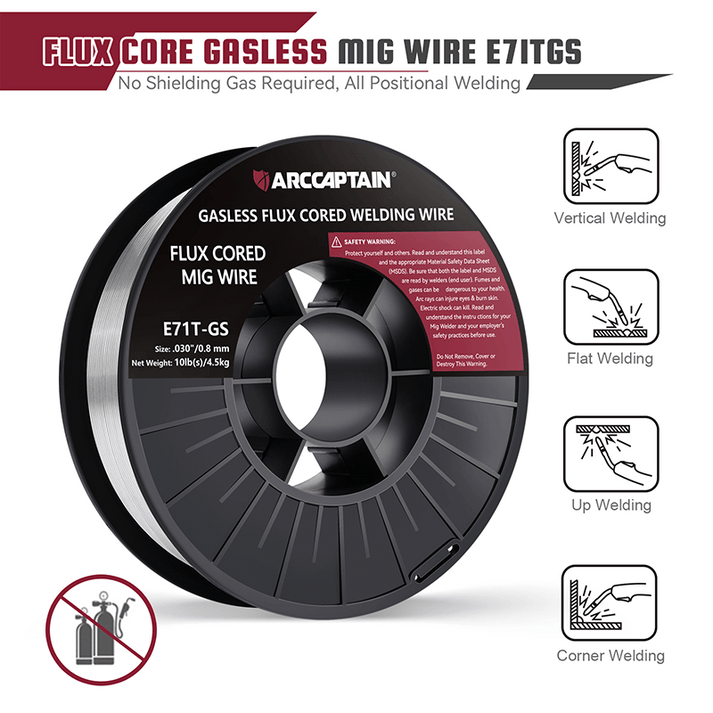
Flux-Cored Arc Welding (FCAW) is a powerful welding technique that combines the efficiency of arc welding with the convenience of a flux-filled wire. This method uses a tubular wire filled with flux, which creates a protective gas shield during welding, eliminating the need for an external gas supply in many cases. If you’re looking for a fast and versatile welding process, FCAW might be the right choice for your project.
Core Wire Composition
The core wire in FCAW consists of a hollow metal tube packed with flux material. This flux inside plays a crucial role by generating shielding gases when heated, protecting the weld pool from contamination. Depending on the type of flux used, the wire can be self-shielded or require an external shielding gas, giving you options based on your welding environment.
Ideal Use Cases
FCAW excels in outdoor and heavy-duty applications where wind or weather might interfere with gas-shielded welding. It’s commonly used in construction sites, shipbuilding, and heavy equipment repair because it handles thick materials well. If you work in environments where portability and speed matter, FCAW lets you weld without bulky gas tanks, making your job easier and more efficient.
Pros And Cons
| Pros | Cons |
|---|---|
|
|
Have you ever struggled with welding outdoors and losing shielding gas to the wind? FCAW offers a practical solution, but you’ll need to manage the extra cleanup it brings. How might balancing speed and cleanliness change your next welding project?
Submerged Arc Welding (saw)
Submerged Arc Welding (SAW) is a powerful wire welding technique widely used in heavy industrial settings. It offers deep weld penetration and high deposition rates, making it ideal for thick materials. If you’re working on large-scale projects requiring strong, clean welds, understanding SAW can significantly improve your results.
Technique Details
SAW uses a continuously fed wire electrode that melts under a blanket of flux. This flux covers the weld, protecting it from contamination and sparks. Because the arc is submerged beneath the flux, you won’t see any sparks or smoke, making the process cleaner and safer.
The welding usually takes place on flat or horizontal surfaces due to gravity’s role in keeping the flux in place. You control the speed of the wire feed and the voltage to adjust the weld quality. This control helps create strong, uniform welds with minimal spatter.
Wire Types Used
The wires in SAW are typically solid or flux-cored, depending on the application. Common materials include:
- Carbon steel wires:Most widely used for general fabrication and structural work.
- Low alloy steel wires:Used when higher strength or specific mechanical properties are required.
- Stainless steel wires:Applied in corrosion-resistant welding jobs.
Choosing the right wire depends on the base material and the environment the welded part will face. Are you welding something that needs to withstand harsh conditions? Then stainless steel wires might be your best bet.
Performance Advantages
SAW stands out for its impressive speed and efficiency. It deposits weld metal faster than many other methods, saving you time on large projects. Plus, the deep penetration ensures a strong bond, which is crucial for structural integrity.
Another advantage is the minimal post-weld cleanup. Since the flux covers the weld, there’s less spatter and slag to remove. This not only saves labor but also reduces the risk of weld defects.
Have you ever struggled with welding thick plates and ended up with weak joints? SAW can help you avoid that by delivering consistent and reliable welds. It’s a smart choice when quality and productivity matter most.
Selecting The Right Wire
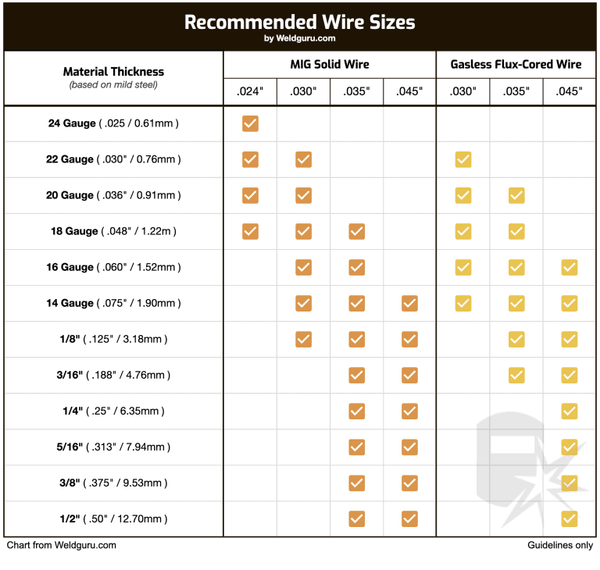
Selecting the right wire is crucial for successful welding. The wire affects strength, appearance, and durability of the weld. Choosing correctly helps avoid weak joints and defects. Consider the project needs carefully to pick the best wire type. This section explains key points for selecting welding wire.
Factors To Consider
- Type of metal being welded
- Welding process used (MIG, TIG, etc.)
- Thickness of the materials
- Required strength of the weld
- Environmental conditions during welding
- Welding position and accessibility
Wire Material Choices
Different wire materials suit different metals and jobs. Common choices include:
- Steel wire: Best for carbon steel and mild steel
- Stainless steel wire: Used for corrosion resistance
- Aluminum wire: Suitable for aluminum parts
- Flux-cored wire: Good for outdoor or dirty surfaces
Selecting the correct material ensures good weld quality and performance.
Matching Wire To Joint Type
Weld joint type affects wire selection. Common joints include butt, lap, and corner joints.
- Butt joints often need solid wire for clean penetration
- Lap joints may require flux-cored wire for better fusion
- Corner joints benefit from wires that allow easy control
Choose wire that fits the joint style to improve weld strength and appearance.
Tips For Stronger Welds
Strong welds rely on careful attention to detail before, during, and after welding. Following key tips can improve weld strength and durability. These tips help avoid weak spots and defects that reduce weld quality.
Each stage of the welding process matters. Proper preparation ensures clean surfaces and correct fit-up. Adjusting welding parameters controls heat and penetration. Post-weld treatments reduce stress and improve toughness. Focus on these areas for better results.
Preparation Steps
- Clean all surfaces to remove rust, oil, and dirt.
- Fit parts tightly with no gaps or misalignment.
- Use clamps or fixtures to hold parts steady.
- Remove moisture from the welding area.
- Choose the right filler wire for the base metal.
Welding Parameters
- Set the correct voltage and amperage for the wire type.
- Adjust wire feed speed to match welding current.
- Select the proper shielding gas for the weld type.
- Maintain a consistent travel speed during welding.
- Keep the welding gun at the correct angle.
Post-weld Treatments
- Allow the weld to cool slowly to reduce stress.
- Remove slag and spatter using a wire brush or grinder.
- Inspect welds visually for cracks or porosity.
- Perform heat treatment if required for strength.
- Apply protective coatings to prevent corrosion.
Credit: www.longshengmfg.com
Credit: www.arccaptain.com
Frequently Asked Questions
What Are The Most Common Types Of Wire Welding?
The most common wire welding types are MIG, TIG, and Flux-Cored welding. Each uses a wire electrode for joining metals. MIG welding is popular for speed and ease. TIG offers precision for thin metals. Flux-Cored is ideal for outdoor or thick materials.
How Does Mig Welding Wire Work?
MIG welding wire acts as both electrode and filler metal. It continuously feeds through the welding gun. The wire melts, creating a weld pool that bonds metals. This process is fast and suitable for various metal types and thicknesses.
Which Wire Welding Type Is Best For Beginners?
MIG welding is best for beginners due to its simplicity. It requires less skill and produces clean welds quickly. The continuous wire feed and shielding gas make it easier to control the weld pool. It’s ideal for general repair and fabrication tasks.
Can Wire Welding Be Used On All Metals?
Wire welding works on many metals like steel, aluminum, and stainless steel. However, the wire type and settings must match the metal for proper fusion. Some metals require specific welding processes for the best results. Always check compatibility before welding.
Conclusion
Exploring wire welding types opens up many possibilities. Each type suits different needs. MIG welding is fast and user-friendly. TIG welding offers precision and control. Flux-cored welding works well outdoors. Spot welding is ideal for thin metals. Understanding these types aids in choosing the right method.
Always consider the project requirements and environment. Safety and proper equipment are essential. Learning about each type enhances efficiency and results. Wire welding is versatile and practical. Ideal for various metalworks. Keep experimenting and honing skills. Achieving quality welds takes practice and knowledge.
About The Author

