

Are you curious about how Tig welding can transform your projects? Whether you’re a professional welder or a DIY enthusiast, understanding the uses of Tig welding can open up new possibilities for your work.
This method offers precision, strength, and a clean finish that other welding techniques often can’t match. You’ll discover why Tig welding might be the perfect choice for your next task and how it can help you achieve results that stand out.
Keep reading to unlock the full potential of Tig welding for your needs.
Tig Welding Basics
TIG welding, short for Tungsten Inert Gas welding, is a precise and versatile welding process used across many industries. It allows you to create strong, clean welds on a variety of metals. Understanding its basics helps you use TIG welding effectively and avoid common mistakes.
Tig Welding Equipment Essentials
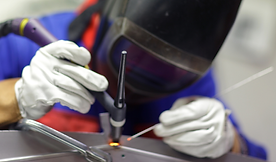
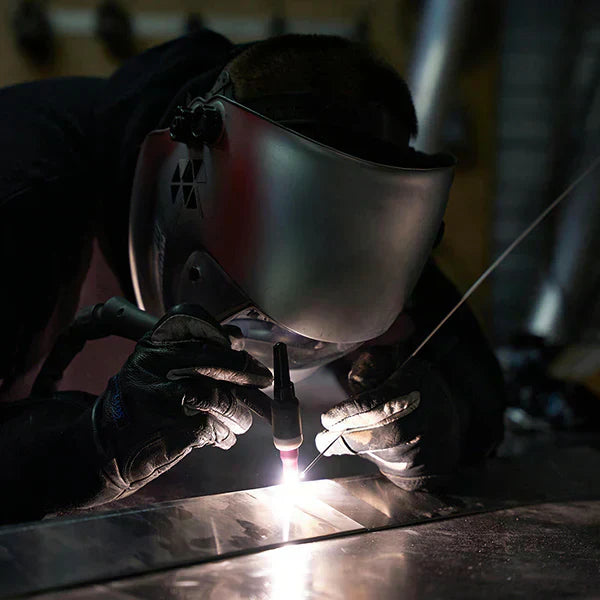
At the heart of TIG welding is a non-consumable tungsten electrode that produces the arc. You also need an inert gas, usually argon, to shield the weld area from contamination. A welding torch, power supply, and filler rod complete the setup.
Choosing the right tungsten size and type depends on the material you’re welding. For example, pure tungsten works well for aluminum, while thoriated tungsten suits steel. Have you checked your equipment before starting a weld? Small adjustments can make a big difference in weld quality.
How Tig Welding Works
TIG welding uses an electric arc between the tungsten electrode and the metal. The arc melts the metal edges, allowing you to join pieces with a filler rod if needed. You control the heat and filler addition manually, giving you fine control over the weld.
This process requires steady hands and good coordination—something I’ve learned firsthand. When I first tried TIG welding, maintaining the right arc length was tricky, but practicing helped me avoid burn-through and weak joints.
Materials Suitable For Tig Welding
TIG welding works on many metals, including stainless steel, aluminum, copper, and magnesium. It’s especially useful for thin materials and projects needing clean, precise welds. If your work demands high-quality finishes without spatter, TIG is a great choice.
Consider the metal thickness and type before starting. For example, TIG welding aluminum requires alternating current (AC), while steel uses direct current (DC). Have you matched your settings to the metal? It’s key to a successful weld.
Key Applications Of Tig Welding
TIG welding stands out because of its precision and control, making it ideal for tasks where strength and appearance matter. Knowing where TIG welding fits best can help you decide if it’s the right choice for your project. Here are some of the key industries and applications where TIG welding shines the most.
Automotive Industry
TIG welding is widely used in the automotive industry for its ability to produce clean, strong welds on thin metals. It’s perfect for welding parts like exhaust systems, chassis components, and custom bodywork. If you’ve ever admired the smooth finish on a high-performance car, TIG welding likely played a role.
Because it allows precise heat control, TIG welding prevents warping and distortion—critical when working with delicate automotive parts. Do you work with custom or restoration projects? TIG welding can help you achieve professional-quality results without damaging the metal.
Aerospace Applications
The aerospace industry demands the highest level of weld quality, and TIG welding meets these strict standards. It’s commonly used to join thin aluminum and stainless steel components in aircraft structures and engine parts. The process ensures welds are clean and free of contaminants, which is crucial for safety.
Have you considered how important flawless welds are in aerospace? A tiny weld flaw could lead to big issues in flight. TIG welding’s ability to deliver precise, consistent welds makes it the go-to method in this field.
Construction And Infrastructure
In construction, TIG welding is often chosen for projects requiring high-strength, corrosion-resistant joints. It works well on stainless steel and other metals used in architectural features, pipelines, and heavy machinery. The neat appearance of TIG welds also suits visible structural elements where aesthetics matter.
Think about the bridges, buildings, or pipelines you see daily. Many of those rely on TIG welding for durability and reliability. If you’re involved in infrastructure work, TIG welding can help you meet both strength and visual requirements.
Industrial Benefits
TIG welding offers many benefits in industrial settings. Its precision and control allow for intricate and clean welds. Industries demand strong, durable joints, and TIG welding meets these needs effectively. This process adapts to various materials, making it highly versatile. The quality of welds ensures long-lasting performance in tough environments.
Precision And Control
TIG welding provides excellent control over heat and filler material. This precision helps create smooth and accurate welds. It reduces the risk of defects like cracks or porosity. Operators can weld thin metals without warping or burning through. This control is crucial for parts requiring tight tolerances.
Versatility Across Materials
TIG welding works well with many metals. It joins stainless steel, aluminum, copper, and exotic alloys easily. This versatility suits various industries such as aerospace, automotive, and construction. The process adapts to different thicknesses and shapes. It allows manufacturers to use one method for many applications.
Quality And Durability Of Welds
The welds created by TIG welding are strong and clean. They resist corrosion and wear, lasting longer in harsh conditions. The high-quality welds reduce the need for repairs or replacements. This durability lowers maintenance costs and downtime. It ensures safety and reliability in critical industrial parts.

Credit: www.tifacparts.com
Artistic And Creative Uses
TIG welding offers precise control, making it ideal for artistic and creative projects. Its ability to create clean, detailed welds opens many possibilities for metal art and design. Artists and designers use TIG welding to shape and join metals with delicate, intricate details. This technique helps bring metal creations to life with strength and beauty.
Sculpture And Metal Art
TIG welding allows artists to join metals smoothly without excess heat damage. This precision helps in crafting fine details in sculptures and metal art. Artists can combine different metals and shapes easily using TIG welding. The clean welds maintain the aesthetic quality of the artwork. Complex designs and delicate forms become possible with TIG welding. It supports unique textures and finishes, enhancing the visual appeal of sculptures.
Custom Furniture Design
Custom furniture makers use TIG welding to create sturdy, stylish pieces. It allows joining metal parts with accuracy and strength. TIG welding works well for modern, industrial-style furniture designs. The technique supports sleek lines and smooth joints without visible marks. Furniture can be personalized with creative metal patterns and shapes. This adds both function and artistic value to custom pieces.
Comparing Tig With Other Welding Methods
Choosing the right welding method affects the quality and strength of your work. TIG welding stands out for its precision and clean finish. Comparing it with other popular welding methods helps understand its unique benefits and suitable applications. Each technique has strengths and weaknesses that suit different projects and skill levels.
Tig Vs. Mig Welding
TIG welding uses a non-consumable tungsten electrode and an inert gas shield. It produces clean, precise welds with minimal spatter. Ideal for thin metals and detailed work.
MIG welding uses a consumable wire electrode and a gas shield. It is faster and easier for beginners. Best for thicker materials and large projects.
- TIG offers greater control over heat and weld quality.
- MIG is more productive for high-volume welding.
- TIG creates stronger, more flexible welds on delicate metals.
- MIG requires less skill and is more forgiving of mistakes.
- TIG welding takes more time but yields a neater finish.
- MIG welding works well outdoors with proper shielding gas.
Tig Vs. Stick Welding
Stick welding uses a consumable electrode coated with flux. It works well outdoors and on rusty or dirty metals. It is less precise but very versatile.
TIG welding needs clean surfaces and controlled conditions. It excels in producing high-quality welds on stainless steel and aluminum.
- Stick welding is simpler and works in tough environments.
- TIG welding requires more skill but gives better aesthetics.
- Stick welds are thicker and less refined than TIG welds.
- TIG welding is preferred for projects needing strong, clean joints.
- Stick welding is cost-effective for heavy construction and repair.
Safety Considerations
Safety is a top priority in TIG welding. It protects workers from injuries and health risks. Proper safety measures reduce accidents and ensure smooth operations. Understanding key safety steps helps create a safer welding environment.
Protective Gear
Welders must wear the right protective gear at all times. This gear shields the body from sparks, heat, and harmful light. Essential items include:
- Welding helmet with a proper shade lens
- Fire-resistant gloves
- Long-sleeve flame-resistant clothing
- Safety boots with steel toes
- Protective eyewear underneath the helmet
Using this gear prevents burns, eye damage, and other injuries.
Ventilation And Workspace Safety
Good ventilation is crucial to remove toxic fumes and gases. Welding in a well-ventilated area lowers the risk of breathing problems. Use exhaust fans or open windows to improve airflow.
Keep the workspace clean and free of flammable materials. Organize tools and cables to avoid tripping hazards. Proper lighting helps welders see clearly and work safely.
Future Trends In Tig Welding
The future of TIG welding looks promising with many new trends shaping the field. Innovations in technology and a focus on environmental impact guide these changes. These trends will make TIG welding more efficient and eco-friendly. They also expand its applications in various industries. Understanding these trends helps welders and businesses prepare for tomorrow’s challenges.
Technological Advancements
New machines offer better control and precision in TIG welding. Automation and robotics are becoming common in welding shops. These tools reduce human error and increase production speed. Advanced sensors provide real-time feedback on weld quality. Software improvements allow for easy adjustment of welding parameters. These changes make TIG welding more reliable and repeatable. They also lower the skill barrier for new welders.
Sustainability And Environmental Impact
Welding processes are evolving to reduce energy use and waste. TIG welding now uses gases that have less environmental harm. More energy-efficient power sources help cut electricity consumption. Recycling metal scraps from welding projects is growing in practice. Companies focus on safer workplaces by reducing harmful fumes. These efforts make TIG welding a greener choice. They align with global moves toward sustainable manufacturing.
Credit: www.ventorywelds.com
Credit: yeswelder.com
Frequently Asked Questions
What Materials Can Tig Welding Be Used On?
TIG welding works well on metals like stainless steel, aluminum, copper, and magnesium. It provides strong, precise welds for thin and thick materials.
Why Is Tig Welding Preferred For Precision Work?
TIG welding offers excellent control over heat and filler material. This makes it ideal for detailed, high-quality welds without spatter.
How Does Tig Welding Differ From Mig Welding?
TIG welding uses a non-consumable tungsten electrode, while MIG uses a consumable wire. TIG produces cleaner, more precise welds.
What Industries Commonly Use Tig Welding?
Aerospace, automotive, construction, and art industries often use TIG welding for its accuracy and clean welds.
Conclusion
TIG welding offers strong and precise joints for many materials. It works well on thin metals and aluminum. This method suits industries like automotive, aerospace, and art. Skilled welders value its clean and neat results. Choosing TIG welding means getting durable and high-quality connections.
It remains a popular choice for detailed and fine welding tasks. Consider TIG welding for projects needing accuracy and strength. Simple, effective, and reliable—TIG welding fits many needs.
About The Author

