
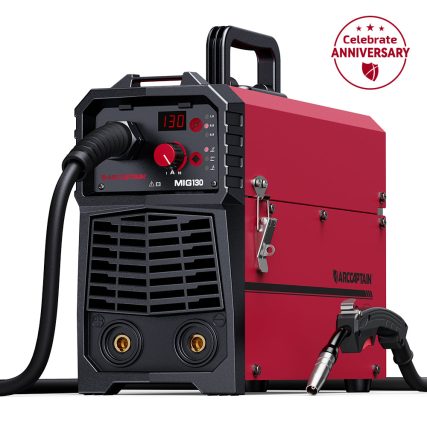
Are you ready to get the best results from your MIG welder but unsure which gas to use? Choosing the right gas can make all the difference in the quality and strength of your welds.
Using the wrong gas might lead to poor welds, wasted materials, and frustration. You will discover exactly what gas you need for your MIG welder and why it matters. By the end, you’ll feel confident picking the perfect gas to make your welding projects easier and more successful.
Keep reading to unlock the secret to cleaner, stronger welds every time.

Credit: www.reddit.com
Basics Of Mig Welding
Understanding the basics of MIG welding is essential before deciding what gas you need for your MIG welder. MIG welding, or Metal Inert Gas welding, is a popular and versatile welding process used in many industries. It combines a continuous wire electrode and a shielding gas to create strong, clean welds.
How Mig Welding Works
MIG welding uses a spool of wire that feeds continuously through the welding gun. As the wire melts, it joins the metal pieces together. The shielding gas flows through the gun, protecting the molten weld pool from contamination by the air.
Without the right gas, the weld can become weak or full of defects. Have you ever noticed how a poor gas choice can ruin an otherwise perfect weld? That’s why understanding the basics helps you make the right decision.
Key Components Of Mig Welders
- Power Supply:Converts electricity to the right voltage and current for welding.
- Wire Feeder:Controls the speed and feed of the welding wire.
- Welding Gun:Delivers the wire and gas to the weld area.
- Shielding Gas Supply:Provides the protective gas that shields the weld pool.
Each part plays a crucial role. If your gas supply isn’t matched properly with your wire and power settings, you might face issues like excessive spatter or weak welds. What’s your experience with different gas types in MIG welding? Noticing how the right setup improves your work is quite rewarding.
Types Of Welding Gases
Choosing the right gas for your MIG welder can change the quality of your welds drastically. Different gases affect the arc stability, penetration, and the overall appearance of your weld. Understanding the types of welding gases helps you pick the best option for your specific project and materials.
Argon And Co2
Argon and CO2 are the most common gases used in MIG welding. Argon provides a smooth, stable arc and reduces spatter, making it ideal for welding non-ferrous metals like aluminum. CO2, on the other hand, offers deeper penetration and is cost-effective but can create more spatter and a rougher weld surface.
Many welders use a mix of 75% Argon and 25% CO2 to balance the benefits. This blend gives cleaner welds with good penetration, especially for mild steel. Have you tried adjusting the Argon to CO2 ratio to see how it affects your weld quality?
Helium
Helium is less common but valuable for specific tasks. It increases heat input, which helps when welding thicker materials or metals that require higher temperatures. Helium is often mixed with Argon to enhance arc stability and improve bead shape.
Using helium can be more expensive, but if your project demands precision and strong welds, it might be worth the investment. Are you working on thick or exotic metals that need extra heat? Helium could be the key to better results.
Oxygen
Small amounts of oxygen, usually around 1-5%, are added to gas mixtures to improve arc stability and wetting action. It helps the weld pool flow smoothly and prevents the weld bead from becoming too convex. However, too much oxygen can cause oxidation and weaken the weld.
Oxygen is typically combined with Argon and CO2 in controlled amounts for specific steel welding jobs. Have you noticed how a tiny change in your gas mixture can change the weld bead’s appearance and strength? Experimenting with oxygen levels might enhance your technique.
Choosing The Right Gas
Choosing the right gas for your MIG welder affects the quality and strength of your welds. The gas shields the weld pool from contamination and influences how the metal melts and flows. Picking the correct gas is not just about availability or cost; it’s about matching it to your specific welding needs.
Factors To Consider
Think about the type of metal you’re welding. Different metals react differently to various gas mixtures. Also, consider the welding speed and the appearance you want in the final weld.
Your welding equipment matters, too. Some machines handle certain gases better than others. The cost and safety of the gas can’t be ignored either—some gases require extra precautions.
Material Type
Steel often requires a mix of argon and carbon dioxide. Pure CO2is cheaper but can cause more spatter and a rougher finish. Adding argon improves the weld quality by stabilizing the arc and reducing splatter.
Aluminum needs pure argon for a clean, stable arc. Using the wrong gas can cause porosity and weak welds. Stainless steel usually benefits from argon mixed with a small amount of oxygen or CO2to improve penetration and weld bead appearance.
Welding Position
Are you welding flat or vertical? Gas choice can impact how well the weld holds in different positions. For overhead or vertical welding, a more stable arc gas mix, like argon with a small percentage of CO2, helps control the weld pool.
In horizontal welding, the gas needs to support a smooth flow of metal without excessive spatter. If you often weld in tight or awkward spaces, choosing a gas that provides a forgiving arc can save you frustration and rework.
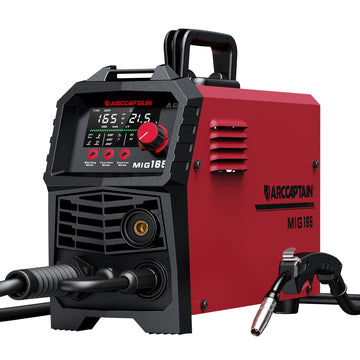
Credit: www.arccaptain.com
Gas Mixtures For Mig Welding
Choosing the right gas mixture for MIG welding can significantly impact the quality of your welds. Different gases and their combinations affect everything from arc stability to penetration and spatter levels. Understanding these mixtures helps you match the gas to your specific welding project and materials.
Common Mixture Ratios
The most popular gas mixtures for MIG welding combine argon with carbon dioxide or oxygen to balance performance and cost.
- 75% Argon / 25% CO2: This is a versatile mix suitable for welding mild steel with good arc stability and moderate penetration.
- 90% Argon / 10% CO2: Offers a smoother arc and less spatter, ideal for thinner materials and cleaner welds.
- 95% Argon / 5% Oxygen: Enhances arc stability and improves bead appearance on stainless steel and some alloys.
- 100% CO2: Provides deep penetration and is the most economical but tends to cause more spatter.
Have you noticed how even slight changes in gas ratios can affect your weld bead’s look and strength?
Advantages Of Mixed Gases
Mixed gases combine the strengths of each component to improve your welding experience.
- Better Arc Control:Adding argon stabilizes the arc, making it easier to control and reducing defects.
- Reduced Spatter:Mixtures with argon or oxygen help minimize spatter, cutting down cleanup time.
- Improved Weld Appearance:Oxygen additions brighten the weld and create a smoother bead.
- Enhanced Penetration:CO2increases penetration, which is essential for strong welds on thicker materials.
When I switched from pure CO2to a 75/25 argon-CO2mix, my welds became cleaner and I spent less time grinding. What benefits matter most to you in your welding projects?
Cost And Availability
The cost and availability of the gas you choose for your MIG welder can have a big impact on your welding projects. Knowing where to find the gas and how much you will pay helps you plan better and avoid unexpected downtime. Let’s look into how prices compare and what local options you might have.
Comparing Gas Prices
Prices for MIG welding gases vary depending on the type of gas and your location. Argon, for instance, tends to cost more than CO2, but it provides cleaner welds. A common mix like 75% Argon and 25% CO2offers a balance in price and performance.
Here’s a quick comparison:
| Gas Type | Approximate Price per Cubic Foot | Best Use |
|---|---|---|
| 100% CO2 | $0.15 – $0.30 | Steel welding, budget-friendly |
| 100% Argon | $0.40 – $0.60 | Aluminum and stainless steel |
| 75% Argon / 25% CO2 | $0.25 – $0.45 | General steel welding |
Keep in mind that buying larger cylinders can reduce the cost per cubic foot. Also, some suppliers offer rental tanks which might save you money if you don’t weld often.
Local Suppliers
Finding a local gas supplier can save you on delivery fees and ensure you get your gas quickly. Many welding shops and industrial gas companies carry MIG welding gases. Visiting them in person gives you a chance to ask questions and get advice tailored to your welding needs.
Have you checked if your local hardware or welding supply stores stock the gas you need? Sometimes smaller shops have competitive prices and flexible rental options. It’s worth calling around and comparing options before making a purchase.
Also, consider the supplier’s reputation for customer service. A helpful supplier can guide you toward the right gas mix and help you avoid wasting money on the wrong product.
Safety Precautions
Safety is key when using a MIG welder and the right gas. Proper safety steps protect you and those nearby. Always handle gases with care. Follow strict rules to avoid accidents and injuries.
Handling And Storage
Keep gas cylinders upright and secured to a wall or cart. Store them in a cool, dry place away from heat and flames. Never drop or roll cylinders. Use valve caps when not in use. Check for leaks often using soapy water. Avoid touching valves with oily hands. Transport cylinders carefully to prevent damage.
Protective Equipment
Wear a welding helmet with the right shade to protect your eyes. Use flame-resistant gloves and clothing to guard your skin. Ensure good ventilation to avoid breathing harmful fumes. A respirator may be needed in confined spaces. Use ear protection if noise levels are high. Keep a fire extinguisher nearby in case of sparks or fire.
Troubleshooting Gas Issues
Gas plays a key role in MIG welding quality. Gas issues can cause poor welds and frustration. Recognizing and fixing these problems keeps your work smooth and safe. This section helps you spot gas problems and fix gas flow issues quickly.
Identifying Common Problems
- Porous or weak welds often mean gas is leaking or insufficient.
- Spatter and smoke can signal wrong gas type or flow rate.
- Hissing sounds may point to leaks in hoses or connections.
- Inconsistent arc or weld pool suggests irregular gas flow.
- Gas tank empty or regulator malfunction can stop gas supply.
Solutions To Gas Flow Issues
- Check all connections tightly for leaks with soapy water.
- Replace damaged hoses or fittings immediately.
- Set flow rate to manufacturer’s recommended level, usually 20-25 CFH.
- Ensure the correct gas type is in the tank for your material.
- Regularly inspect and maintain the regulator and valves.
- Keep gas tanks upright and secured during use.
- Replace empty tanks promptly to avoid welding interruptions.
Expert Tips For Perfect Welds
Achieving perfect welds with your MIG welder depends heavily on both your choice of gas and your welding techniques. Even the best gas mix won’t give you flawless results without the right approach to welding. Let’s dive into practical tips that can elevate your weld quality, whether you are just starting or ready to take on more complex projects.
Techniques For Beginners
Start with steady, controlled movements. Keep your gun at a consistent angle—usually around 15 degrees from vertical—to ensure the weld pool flows smoothly.
Use short, even bursts of wire feed instead of long, continuous pushes. This helps avoid overheating and reduces spatter, making your welds cleaner and stronger.
Practice maintaining the right distance between the nozzle and the workpiece, typically about ¾ inch. Too close can cause burn-back, while too far weakens the shielding gas coverage.
Have you ever noticed uneven beads or weak joints? Adjusting your travel speed can fix that. Slow down if the bead looks thin; speed up if it piles up too much.
Advanced Welding Strategies
Experiment with pulse MIG settings if your machine supports it. Pulsing controls heat input and reduces distortion, especially on thin metals.
Try back-stepping your welds to manage heat better on larger surfaces. Welding in short, overlapping sections helps prevent warping and improves penetration.
Use gas mixtures tailored for specific metals: for example, a mix of 75% argon and 25% CO2 for mild steel offers a good balance of arc stability and penetration.
Consider preheating thicker metals before welding. This reduces the risk of cracking and helps the gas shield stay consistent during the weld.
What challenges are you facing with your welds? Adjusting your gas flow rate and welding parameters together can make a surprising difference.

Credit: www.amazon.com
Frequently Asked Questions
What Gas Is Best For Mig Welding Steel?
Argon mixed with 75-95% Argon and 5-25% CO2 is best for MIG welding steel. This blend ensures smooth arc stability and clean welds.
Can I Use Pure Co2 For Mig Welding?
Yes, pure CO2 is commonly used for MIG welding steel. It provides deep weld penetration but may cause more spatter than argon mixes.
Which Gas Suits Mig Welding Aluminum?
Pure argon gas is ideal for MIG welding aluminum. It offers excellent arc stability and clean welds without contamination.
Why Use A Gas Mixture For Mig Welding?
Gas mixtures balance weld quality and cost. Argon-CO2 blends reduce spatter, improve bead appearance, and enhance arc control.
Conclusion
Choosing the right gas helps your MIG welder work well. Different metals need different gases for strong, clean welds. Using the wrong gas can cause poor welds and wasted materials. Stick to common gases like CO2, argon, or their mixes for best results.
Always check your project needs before buying gas. This way, your welding stays safe and effective every time. Simple choices lead to better welding and less frustration. Keep your setup right, and your work will show it.
About The Author

