
When it comes to TIG welding, the gas you choose can make all the difference in the quality of your work. You might wonder, “What gas do you use for TIG welding?” Picking the right gas affects how clean, strong, and precise your welds turn out.
If you’re looking to improve your welding skills or get better results, understanding the best gas options is key. Keep reading, and you’ll discover exactly which gases suit your welding needs and why they matter so much.

Credit: www.adamsgas.co.uk
Tig Welding Basics
TIG welding stands out for its precision and clean welds, making it a favorite among professionals and hobbyists alike. Understanding the basics sets you up for success and helps you choose the right gas for your project. Let’s dive into what makes TIG welding unique and what gear you’ll need to get started.
Principles Of Tig Welding
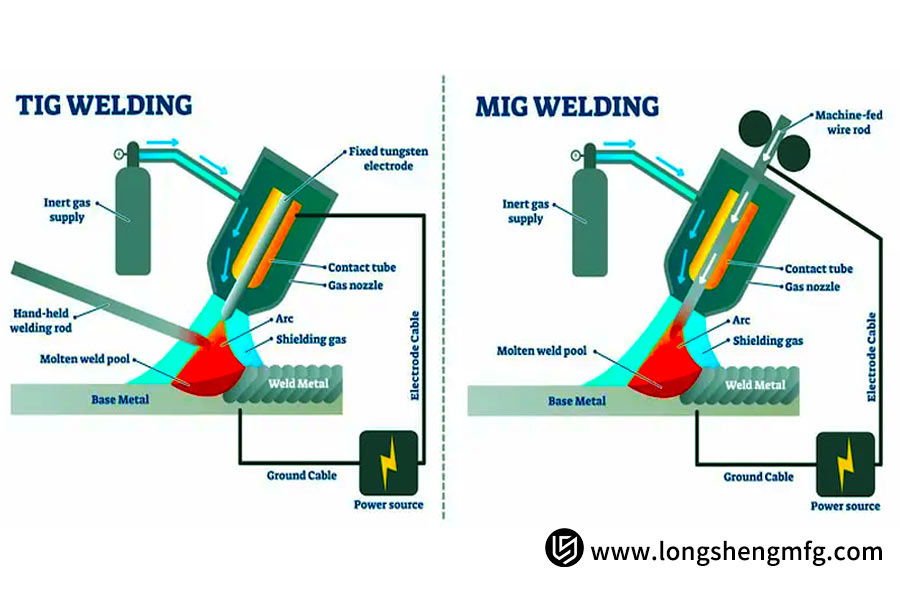
TIG welding uses a non-consumable tungsten electrode to create the weld. The heat generated melts the metal, while the electrode remains intact. This method gives you control over the weld quality, allowing for detailed and smooth finishes.
An inert gas shields the weld area from contamination. This protection is crucial because even tiny impurities can weaken the weld. Have you ever noticed how a small flaw can ruin an entire project? TIG welding helps you avoid that by keeping the weld clean.
Key Equipment Required
To start TIG welding, you need several pieces of equipment. The most important are:
- TIG Torch:Holds the tungsten electrode and directs the shielding gas.
- Power Supply:Provides the electrical current needed for the weld.
- Shielding Gas:Usually argon or a mix, it protects the weld from oxidation.
- Filler Rods:Added manually to build up the weld bead when needed.
Choosing the right gas isn’t just a detail—it directly affects your weld’s strength and appearance. Have you checked if your gas setup matches your material type? Paying attention here can save hours of rework.
Role Of Shielding Gas
The role of shielding gas in TIG welding is vital and often underestimated. It forms an invisible barrier that protects the molten weld pool from contaminants in the air. Without this protection, the weld can become weak, brittle, or full of defects.
Purpose Of Shielding Gas
Shielding gas keeps oxygen, nitrogen, and hydrogen away from the weld area. These gases, if allowed to mix with the molten metal, cause oxidation and porosity. This results in poor weld strength and appearance.
Besides protection, shielding gas stabilizes the welding arc. A steady arc means better control and precision, which is essential in TIG welding’s detailed work. You might notice that using the wrong gas or poor gas flow leads to inconsistent arcs and rough welds.
Impact On Weld Quality
The type of shielding gas directly affects the final weld quality. Pure argon is the most common choice because it produces a clean, smooth weld bead. It also helps in achieving deep penetration without excessive heat input.
Adding small amounts of other gases like helium can increase heat and improve weld speed. However, too much helium or mixing with oxygen can cause excessive spatter or discoloration. Have you ever seen a weld with blue or brown hues? That’s a sign of improper shielding gas or flow issues.
Proper shielding gas selection and flow rate help you avoid porosity, cracks, and weak joints. It’s worth experimenting with different gas mixes to find what works best for your specific metal and project. What’s your experience with tweaking gas settings to improve weld quality?
Common Gases Used In Tig Welding
Choosing the right gas for TIG welding directly affects your weld quality and ease of work. Each gas offers unique properties that influence arc stability, heat input, and weld bead appearance. Understanding these common gases helps you pick the best one for your specific welding task.
Argon
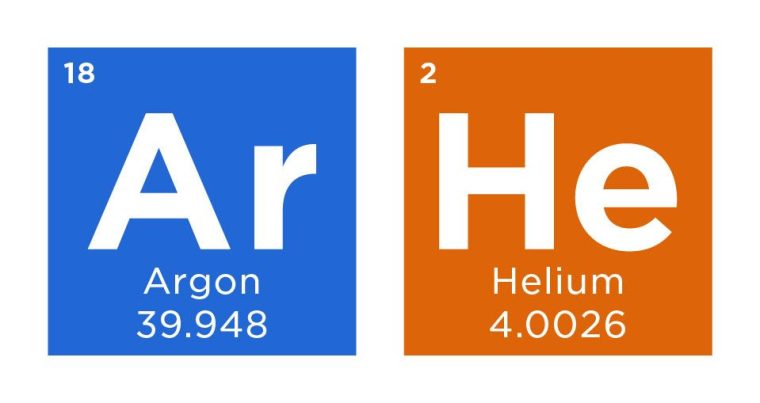
Argon is the most widely used gas in TIG welding. It provides excellent arc stability and a smooth, clean weld. If you want precise control and a bright weld bead, argon is often your best choice.
Many welders I’ve worked with swear by argon for aluminum and stainless steel projects. It shields the weld pool effectively from contamination and cools the weld slowly, reducing the chance of cracks. Have you noticed how argon improves your weld bead consistency?
Helium
Helium increases heat input because it has a higher ionization potential than argon. This means deeper weld penetration and faster welding speeds. It’s especially useful when working on thicker metals.
However, helium is more expensive and less stable as a shielding gas. Some welders combine it with argon to balance cost and performance. Would adding helium to your gas mix help you tackle tougher metals more efficiently?
Hydrogen
Hydrogen is added in small amounts to argon for certain stainless steel welding applications. It improves weld bead appearance by increasing heat and cleaning the weld surface. But beware—too much hydrogen can cause porosity and cracking.
Using hydrogen requires careful control and experience. If you want a shiny, smooth finish on stainless steel, a tiny hydrogen addition might be worth trying. Have you experimented with hydrogen in your weld gas mix?
Argon-helium Mixtures
Combining argon and helium creates a versatile gas mix. You get the arc stability of argon plus the extra heat and penetration from helium. This mix works well for aluminum, copper, and other non-ferrous metals.
Adjusting the ratio lets you control weld pool fluidity and speed. A 75% argon and 25% helium mix is common, but you can tweak it based on your project needs. How would changing your gas blend improve your welding results?
Choosing The Right Gas For Your Weld
Choosing the right gas for your TIG welding project can make a big difference in the quality and durability of your welds. The type of gas you select affects everything from how well the arc behaves to how strong and clean the final weld will be. Understanding the key factors behind this choice will help you get the best results for your specific application.
Factors To Consider
Think about the type of material you’re welding and the environment you’re working in. Shielding gases protect the weld from contamination, so choosing one with the right flow rate and purity is essential. Cost and availability also play a role; some gases are more expensive or harder to find but offer better performance.
Have you ever noticed how certain welds look cleaner or have fewer defects? This often comes down to the gas composition. You might want to try different mixes to find what works best for your particular setup.
Material Compatibility
Different metals need different shielding gases to get the best weld. For example, pure argon is typically used for welding aluminum and magnesium because it provides excellent arc stability and prevents oxidation.
On the other hand, stainless steel often requires a mix of argon and helium or a small amount of hydrogen to improve penetration and cleanliness. Using the wrong gas can lead to weak welds or surface discoloration, so matching gas to material is crucial.
Weld Appearance And Strength
The right gas doesn’t just protect the weld; it also influences how it looks and performs under stress. Argon-based gases usually create smooth, shiny welds with minimal spatter, which is important if appearance matters to your project.
Adding helium to the mix can increase heat input, resulting in deeper penetration and stronger welds. But too much helium might cause a rougher surface, so balance is key. What qualities do you prioritize more—strength or aesthetics?
Gas Flow Rate And Its Importance
The gas flow rate plays a crucial role in TIG welding quality. It controls the shield protecting the weld from air contamination. Proper flow ensures a clean, strong weld with no defects. Too little or too much gas flow can cause welding problems.
Determining The Correct Flow Rate
Choose the right gas flow rate based on the welding type and material. Generally, flow rates range from 15 to 25 cubic feet per hour (CFH). Factors affecting flow rate include:
- Weld size and shape
- Material thickness
- Type of gas used
- Environmental conditions like wind
Use a flow meter to set the correct rate. Start at a moderate flow and adjust for stability and weld cleanliness.
Effects Of Incorrect Flow Rates
Low gas flow allows air to mix with the weld. This leads to oxidation, porosity, and weak welds. The weld may also appear rough and discolored.
Excessive gas flow causes turbulence. It can pull in air and cause the same problems as low flow. High flow wastes gas and increases costs.
Maintaining the proper flow rate ensures a smooth, strong weld and saves gas. Monitor the flow regularly during welding for best results.
Credit: www.longshengmfg.com
Safety Precautions When Using Shielding Gas
Using shielding gas in TIG welding requires careful attention to safety. These gases, while essential for protecting the weld area, can pose risks if not handled properly. Understanding safety precautions helps you avoid accidents and maintain a safe working environment.
Handling And Storage
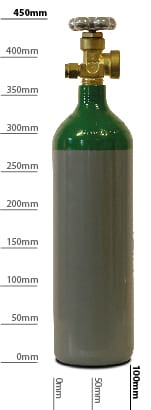
Always secure gas cylinders to prevent tipping. Use proper carts or racks and never roll cylinders on their sides.
Keep the valve protection cap on when the cylinder is not in use. This prevents damage and potential leaks.
Store cylinders upright in a cool, dry place away from heat sources. Avoid storing them near flammable materials or electrical equipment.
Have you checked your gas connections for leaks recently? Even a small leak can cause dangerous situations, so use soapy water to test connections regularly.
Ventilation Requirements
Shielding gases like argon or helium can displace oxygen in the air. This creates an asphyxiation hazard, especially in confined spaces.
Ensure your workspace has adequate ventilation. Use exhaust fans or open windows to keep fresh air flowing.
If you’re welding indoors, consider using an air monitoring system to detect low oxygen levels. This extra step can save your life.
Think about the last time you worked in a poorly ventilated area. Did you notice any dizziness or headaches? These are signs that your workspace might need better airflow.
Cost Considerations
Cost is a key factor when choosing the right gas for TIG welding. The type of gas you select can significantly impact your overall expenses, especially if you weld regularly. Understanding these cost considerations helps you make smarter choices without compromising your weld quality.
Budgeting For Gas
Start by figuring out how much gas you typically use in a week or month. This helps set a realistic budget based on your welding volume. Keep in mind that buying in bulk often lowers the price per unit, but it requires more upfront investment and storage space.
Think about the balance between cost and performance. Cheaper gases might save money initially but could cause more defects or require rework, which adds to your expenses. Have you ever paid less for gas only to spend more fixing welds later? That’s why planning your budget with quality in mind is crucial.
Comparing Costs Of Different Gases
| Gas Type | Typical Cost per Cylinder | Common Uses | Cost Impact |
|---|---|---|---|
| Argon | $40 – $70 | General TIG welding | Moderate; good balance of price and quality |
| Helium | $100 – $150 | Aluminum and exotic metals | Higher cost; faster welds but more expensive |
| Argon-Helium Mix | $80 – $120 | Improved heat input and weld speed | Mid to high cost; used for specialized projects |
| Argon-Hydrogen Mix | $70 – $100 | Stainless steel welding | Moderate cost; enhances weld quality but pricier |
Reviewing the prices above, you might ask: is the extra cost worth the benefits? For example, helium’s higher price can pay off by reducing welding time on thick aluminum parts. On the other hand, pure argon remains the go-to for many due to its balance of cost and performance.
Consider your specific welding needs and how gas choice affects your overall project budget. Spending a bit more upfront can sometimes save you money and time in the long run. What’s your welding priority—saving now or ensuring top-notch results?
Expert Tips For Optimal Results
Choosing the right gas for TIG welding affects the weld quality greatly. Understanding expert tips helps achieve strong, clean welds. Optimal gas flow and type improve arc stability and reduce contamination.
Applying these tips ensures better control and smoother results. Small adjustments can prevent common issues and enhance the overall welding process.
Common Mistakes To Avoid
- Using the wrong gas type for the metal material.
- Setting gas flow too high, causing turbulence and oxidation.
- Ignoring leaks in gas lines or fittings.
- Failing to clean the weld area before starting.
- Not maintaining consistent gas coverage during welding.
- Overlooking the importance of gas purity.
Enhancing Weld Quality
- Use pure argon for most TIG welding tasks to ensure clean arcs.
- Add helium to argon to increase heat and penetration on thicker metals.
- Keep gas flow between 15 to 20 cubic feet per hour for steady coverage.
- Check and fix all gas leaks before welding.
- Clean the metal surface to avoid contamination and weak welds.
- Use a gas lens to improve gas shielding and arc stability.
Credit: www.adamsgas.co.uk
Frequently Asked Questions
What Gas Is Best For Tig Welding Aluminum?
Pure argon gas is best for TIG welding aluminum. It provides excellent arc stability and clean welds. Argon prevents oxidation and contamination during welding. This ensures strong, high-quality aluminum welds.
Can You Use Argon-oxygen Mix For Tig Welding?
No, argon-oxygen mixes are not suitable for TIG welding. Oxygen can cause weld defects and oxidation. Pure argon or argon-helium blends are preferred for clean, precise TIG welds.
Why Use Helium In Tig Welding Gas Mix?
Helium increases heat input and improves weld penetration. It helps weld thicker metals faster. Adding helium to argon boosts arc stability and weld quality in TIG welding.
Is Pure Argon Gas Always Recommended For Tig Welding?
Pure argon is recommended for most TIG welding applications. It provides a stable arc and clean welds. However, argon-helium mixes may be better for specific metals or thicknesses.
Conclusion
Choosing the right gas for TIG welding affects your weld quality. Pure argon works well for most metals. Adding helium can increase heat and speed. Some metals need special gas mixes to avoid problems. Know your metal type before picking a gas.
Using the correct gas helps create strong, clean welds. Keep safety and cost in mind too. Gas choice matters in every welding project. Simple steps lead to better results every time.
About The Author

