
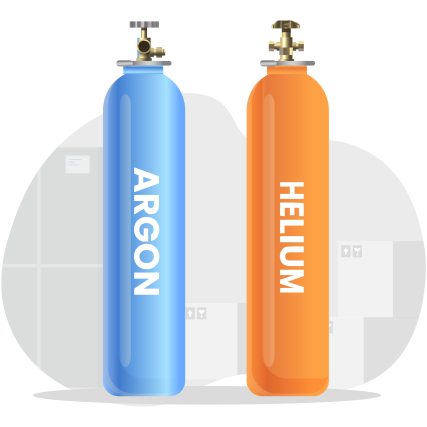
Are you about to dive into the world of welding aluminum and wondering which gas you should use? You’re not alone.
Choosing the right gas for aluminum welding can feel like solving a puzzle, but getting it right is crucial for the success of your project. The wrong choice can lead to weak welds, costly mistakes, and wasted time. Imagine the frustration of your efforts literally falling apart due to a simple oversight.
But don’t worry, we’re here to guide you through this decision. By the end of this article, you’ll know exactly which gas to use, ensuring strong, durable welds every time. Stick with us to discover the secret that professional welders already know and transform your aluminum welding skills.
Credit: westairgases.com
Welding Aluminum Basics
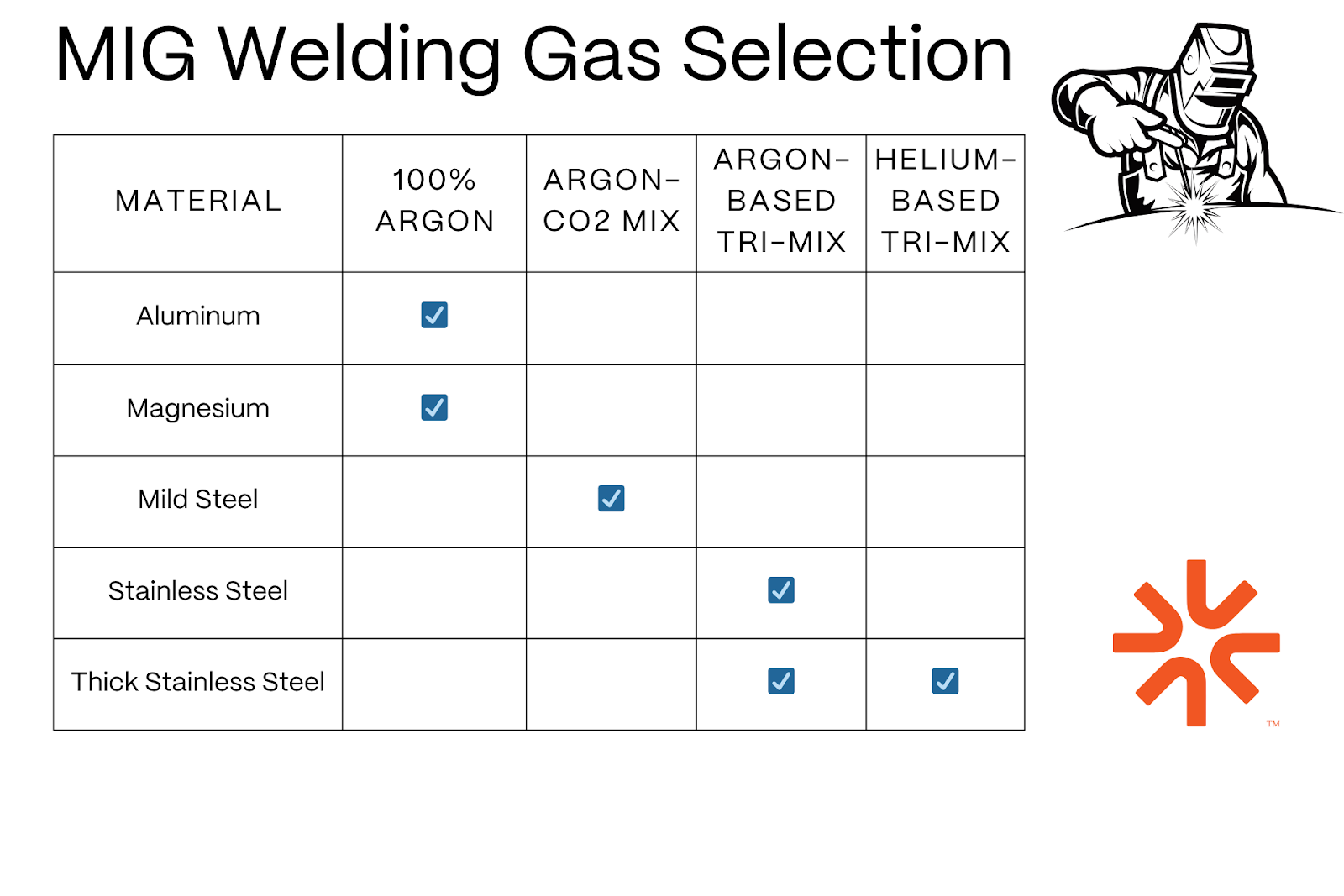
Argon is the preferred gas for welding aluminum. It provides a stable arc and prevents contamination. Pure argon is ideal for thin aluminum, while a mix with helium can be used for thicker materials.
Welding aluminum presents unique challenges due to its properties. It requires specific techniques and materials for successful results. Understanding the basics can make this task easier and more efficient.Understanding Aluminum’s Properties
Aluminum is lightweight and has high thermal conductivity. It melts at a lower temperature than other metals. This affects the welding process, making precise control essential. Its oxide layer can prevent good welds. Removing this layer is crucial before welding begins.Choosing The Right Equipment
Selecting suitable equipment impacts welding quality. TIG welding is preferred for aluminum due to its precision. A high-frequency current stabilizes the arc, improving weld strength. Proper torch and electrode selection are vital for clean, strong welds.Preparing The Workpiece
Preparation ensures better welds. Clean the aluminum thoroughly to remove contaminants. Use a stainless steel brush for oxide removal. Ensure edges are smooth and aligned properly. This reduces the risk of weld defects and improves joint strength.Gas Selection For Welding
The right gas is crucial in aluminum welding. Argon is commonly used due to its inert properties. It protects the weld from oxidation and ensures a stable arc. Sometimes, helium is mixed with argon for deeper penetration. This mix is useful for thicker aluminum pieces.Maintaining Welding Safety
Safety is important in welding processes. Wear protective gear like gloves and goggles to shield from sparks. Ensure proper ventilation to avoid inhaling fumes. A clean workspace reduces accident risks. Prioritize safety to maintain a healthy environment.
Credit: westairgases.com
Gas Selection Criteria
For welding aluminum, pure argon is often the best gas choice. It provides excellent arc stability and cleaner welds. Argon also helps reduce the risk of oxidation, ensuring a strong and smooth finish.
Choosing the right gas for welding aluminum can make or break your project. It’s crucial to consider several factors to get the best results. Let’s dive into the key criteria for gas selection.Metal Thickness
The thickness of the aluminum plays a crucial role in gas selection. Thinner aluminum often requires a different approach than thicker pieces. For example, thinner sheets might benefit from a helium-argon mix, which provides deeper penetration and a hotter arc. Thicker aluminum, on the other hand, can often be welded effectively with pure argon. Argon provides a stable arc and excellent cleaning action, making it suitable for most welding tasks involving thicker aluminum. Consider the thickness carefully before choosing your gas.Welding Process
Different welding processes require different gases. If you’re using TIG welding, argon is typically the go-to choice. It provides a smooth, stable arc and is excellent for precision work. For MIG welding, a mix of argon and helium might be more effective. Helium increases heat input, which can be beneficial for thicker materials or when higher welding speeds are needed. Think about your welding process as you select your gas.Joint Configuration
The configuration of your weld joint can influence your gas choice. For instance, if you’re dealing with a joint that has limited access, a helium mix might help. Helium’s higher thermal conductivity can improve weld pool penetration in tight spots. On the other hand, if your joint configuration is straightforward, pure argon might suffice. It offers excellent arc stability and is easier to control, making it ideal for simpler joints. Analyze your joint setup to determine the best gas for your needs. Selecting the right gas isn’t just about following rules—it’s about understanding the unique needs of your project. Have you ever tried a different gas mix for a challenging weld? How did it change your results? Think about these factors before you start welding.Argon: The Preferred Choice
Argon stands out as the top choice for welding aluminum. It ensures a stable arc and precise welds. Its inert nature prevents oxidation, resulting in clean, strong joints.
Welding aluminum can be a challenging task, requiring precision and the right materials to achieve a strong, clean weld. When it comes to choosing a shielding gas, argon stands out as the preferred choice for many welders. Its properties make it ideal for creating the perfect environment for welding aluminum, ensuring quality results every time. But why exactly is argon so favored among professionals and hobbyists alike?Purity And Composition
Argon is an inert gas, meaning it does not react with other elements. This purity is crucial when welding aluminum because it prevents contamination of the weld. High-purity argon ensures that your weld pool remains stable and reduces the likelihood of defects. This stability is essential for maintaining the integrity of the aluminum structure. Moreover, argon’s atomic structure allows it to provide excellent coverage over the weld area, shielding it effectively from atmospheric gases.Benefits Of Argon
Argon is cost-effective and readily available, making it a practical choice for welders at all levels. It provides a consistent flow that results in smooth, clean welds, reducing the need for post-weld clean-up. The use of argon also minimizes spatter, which is a common issue when welding. This means less time spent on finishing work and more time perfecting your craft. Additionally, argon works well with various aluminum thicknesses, offering versatility for different welding projects. Have you ever struggled with achieving that perfect bead? Argon might just be the solution you need to elevate your welding game. Incorporating argon into your welding process not only enhances the quality of your welds but also streamlines your workflow. Give it a try and see the difference it makes in your next aluminum welding project.
Credit: www.facebook.com
Helium: When And Why To Use
Helium offers a stable arc and deeper penetration for welding aluminum. Use helium when welding thicker aluminum pieces or when high heat is needed. This gas provides cleaner welds and reduces oxidation, ensuring strong and durable joints.
Welding aluminum is a skill that requires understanding the right gas to use. Helium is a popular choice, but when should you opt for it, and why? The decision to use helium can significantly impact your welding results, especially when dealing with thicker aluminum materials or requiring higher heat input. But, is helium always the best choice for your welding projects? Let’s dive into the specifics of using helium in aluminum welding.Advantages Of Helium
Helium offers several benefits when used in welding aluminum. Its primary advantage is its ability to produce a hotter arc than argon, which is crucial when working with thicker materials. This increased heat allows for deeper penetration, ensuring a strong and durable weld. Furthermore, helium provides faster travel speeds. This can be a significant time-saver, especially in commercial settings where efficiency is key. Imagine completing a project in half the time without compromising quality—helium makes this possible. Helium also enhances the quality of the weld. By producing a cleaner weld pool, it minimizes the chances of contamination. If you’ve ever had to deal with porosity in your welds, you know how frustrating it can be. Helium can help reduce such issues, leading to a smoother finish.Mixing With Argon
Helium is often mixed with argon to balance cost and performance. Pure helium can be expensive, so combining it with argon can be a more economical choice. This mix still benefits from helium’s high heat potential while leveraging argon’s stability. An argon-helium mix can be tailored to your specific needs. A common mix ratio is 75% argon to 25% helium, but you can adjust this based on your project’s requirements. Have you ever tried adjusting the gas mix to see how it affects your weld quality? This blend is particularly useful for welding different thicknesses of aluminum. While helium alone might be too intense for thinner materials, mixing it with argon provides a more controlled heat input. This ensures that your welds are strong without the risk of burn-through. In summary, understanding when and why to use helium can significantly enhance your aluminum welding projects. Whether working on thick materials or aiming for faster completion times, helium offers distinct advantages. And when mixed with argon, you get a versatile solution that caters to a wide range of welding needs.Argon-helium Mixtures
Argon-helium mixtures are often used for welding aluminum. This combination provides better penetration and heat distribution. It ensures a cleaner weld.
Welding aluminum can be a bit tricky due to its unique properties. One of the effective ways to weld aluminum is by using argon-helium mixtures. This combination enhances the welding process by providing specific benefits that pure argon or helium cannot offer alone. Argon-helium mixtures are popular among welders who seek to balance penetration and heat input. But what makes these mixtures so effective, and how can they be used to optimize your welding projects? Let’s dive into the details.Common Ratios
Different projects require different gas mixtures. A common blend is 75% argon and 25% helium. This ratio provides a good balance, offering adequate penetration while maintaining a stable arc. Another frequently used mixture is 50% argon and 50% helium. This combination is ideal for thicker aluminum sections, providing deeper penetration and more heat. Are you working on very thick materials? Consider using a 25% argon and 75% helium mix. The higher helium content increases the heat input, making it easier to weld thicker pieces.Applications And Benefits
Argon-helium mixtures are versatile. They are suitable for various applications, from automotive industries to aerospace projects. The ability to adjust the ratio allows you to tailor the gas mix to the specific needs of your project. Using these mixtures can lead to smoother welds. The addition of helium improves arc stability and enhances the cleaning action, which is crucial for aluminum welding. Have you ever faced issues with porosity in your welds? These gas mixtures can help reduce porosity, resulting in stronger and more reliable welds. This makes them a great choice for critical applications where weld integrity is paramount. What are your go-to gas mixtures for welding aluminum? Would you consider experimenting with different ratios to see how they affect your weld quality?Cost Considerations
Choosing the right gas for welding aluminum impacts your project costs. Different gases have different price points. Understanding these can help you make cost-effective decisions. Consider the balance between price and efficiency. This ensures optimal results without breaking the bank.
Price Comparison
Argon is the most common gas for welding aluminum. It’s readily available and relatively affordable. Helium, though effective, tends to be pricier. Combining argon and helium can offer benefits but increases costs. The choice depends on your budget and project needs.
Cost-efficiency In Projects
Using argon alone is often more cost-efficient for smaller projects. Its lower price makes it a good choice for hobbyists. Larger projects might benefit from an argon-helium mix despite higher costs. This mix can improve weld quality and reduce time. Investing in better gas can save money in the long run.
Safety Precautions
When welding aluminum, safety is a priority. Understanding the risks involved ensures a safe working environment. From handling gas cylinders to maintaining proper ventilation, each step is crucial for preventing accidents.
Handling Gas Cylinders
Gas cylinders need careful handling to avoid accidents. Always store them upright and secure them properly. Use cylinder carts for moving, never roll them on the ground. Check for leaks regularly using soapy water. Wear protective gloves and safety goggles when handling cylinders.
Proper Ventilation
Adequate ventilation is essential in welding areas. It helps prevent toxic fume buildup. Use exhaust fans to ensure air circulation. Keep windows and doors open if possible. Avoid welding in confined spaces without proper ventilation equipment. Ensuring air quality reduces health risks.
Expert Tips For Optimal Results
Choosing the right gas is crucial for welding aluminum. Argon is preferred for its clean, stable arc and protection against oxidation. Helium can be mixed for deeper penetration and faster welding speeds.
Welding aluminum presents unique challenges, and achieving the best results depends on several factors, including the type of gas you use. To help you perfect your aluminum welding, we’ve gathered some expert tips. These insights will guide you through setting up your equipment and mastering techniques that lead to cleaner, stronger welds. Let’s dive into these tips to elevate your welding skills.Setting Up Equipment
The right setup can make or break your welding project. Start by choosing the correct shielding gas. Argon is commonly used for aluminum welding because of its ability to provide a stable arc. Ensure your welding machine is calibrated correctly. Adjust settings based on the thickness of the aluminum. Using a spool gun can also help manage the wire feed more precisely. Don’t overlook safety. Double-check connections and wear appropriate gear to protect yourself. A clear workspace minimizes errors and maximizes efficiency.Techniques For Better Welds
Mastering techniques is key to superior welds. Begin with the right torch angle. A 10 to 15-degree angle helps maintain control and visibility. Pay attention to your speed. Too fast and you might miss fusing the aluminum; too slow, and you risk burn-through. Consistent speed ensures even penetration and a smoother finish. Practice makes perfect. Regularly test on scrap pieces to refine your technique. Are you satisfied with your welds, or is there room for improvement?Frequently Asked Questions
Can You Use Argon Gas For Aluminum Welding?
Yes, argon gas is commonly used for aluminum welding. It provides a stable arc and prevents oxidation. Argon ensures a clean weld by shielding the weld pool from contaminants. For best results, use pure argon or a helium-argon mix for thicker aluminum sections.
Do You Weld Aluminum With Mig Or Tig?
You can weld aluminum using both MIG and TIG methods. MIG is faster and suits thicker aluminum. TIG offers precision and cleaner welds, ideal for thinner materials. Choose based on your project’s requirements for efficiency or quality.
Do I Need Shielding Gas To Weld Aluminum?
Yes, you need shielding gas to weld aluminum. Argon is commonly used due to its stability and effectiveness. It prevents oxidation and ensures a clean weld. Using the right shielding gas improves weld quality and reduces defects. Always ensure proper gas flow for optimal results.
Can You Weld Aluminum With A Gas Welder?
Yes, you can weld aluminum with a gas welder. Use oxy-acetylene with a specialized aluminum flux. Ensure proper technique for best results.
Conclusion
Choosing the right gas for welding aluminum is crucial. Argon is the most popular choice. It offers clean, efficient welds. Helium can be used for thicker materials. It helps with deeper penetration. Mixtures of argon and helium can be effective too.
They balance heat and control. Always consider your specific needs. Material thickness, budget, and equipment matter. Practice and experience improve your results. Safety should be your top priority. Use protective gear and follow guidelines. Remember, the right gas enhances your welding experience.
Explore different options. Find what suits your project best.
About The Author

