
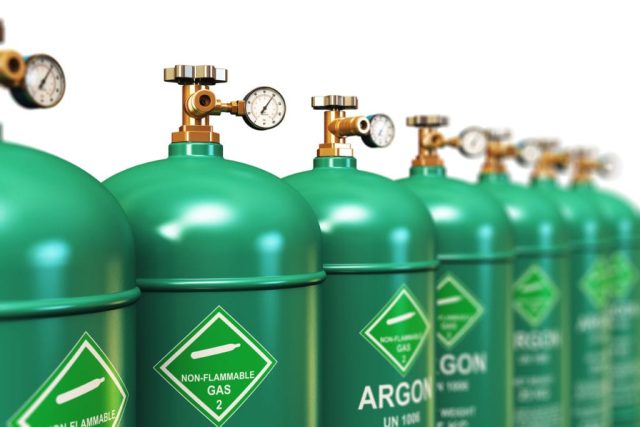
If you’re new to TIG welding or just curious about how it works, you might be wondering, “What gas does a TIG welder use?” Choosing the right gas is key to getting clean, strong welds without extra mess or mistakes. The gas you pick affects your weld’s quality and your overall experience.
You’ll discover exactly which gas suits TIG welding best and why it matters. Keep reading to learn how this simple choice can make a big difference in your welding results.
Credit: www.longshengmfg.com
Tig Welding Basics
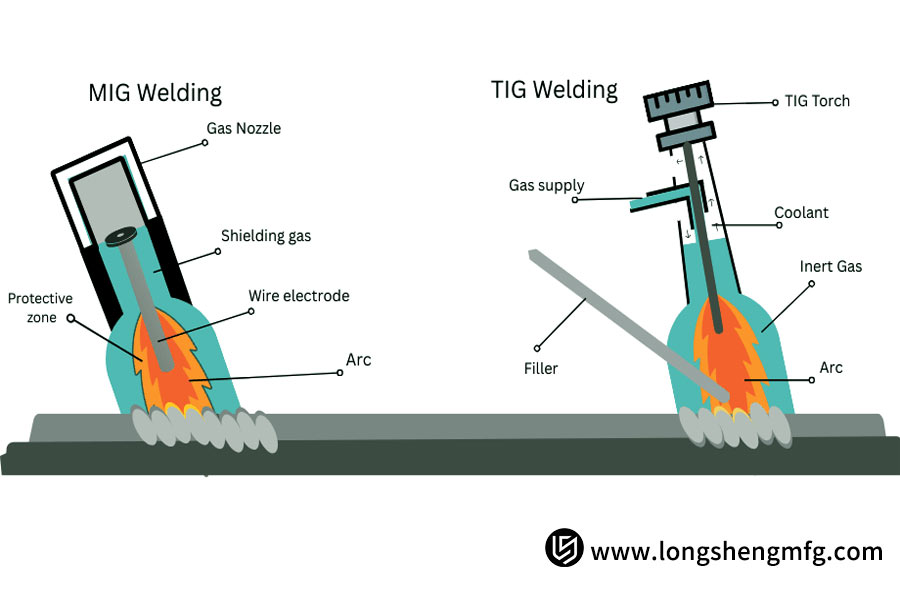
TIG welding is a precise and versatile technique used in many industries, from automotive repair to aerospace. Understanding the basics of this method helps you achieve cleaner, stronger welds. Let’s break down the core principles and why shielding gas plays a crucial role in TIG welding.
Principles Of Tig Welding
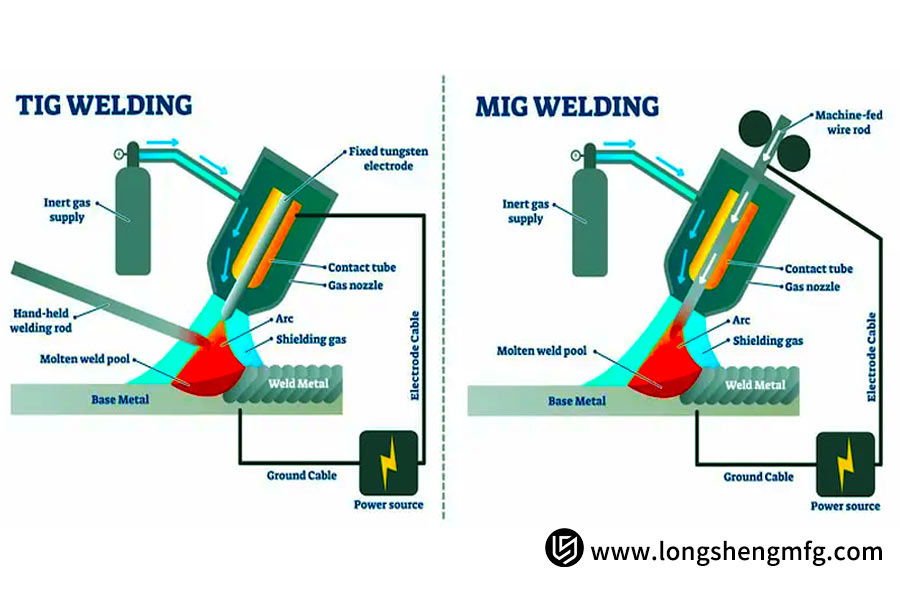
TIG welding, or Tungsten Inert Gas welding, uses a non-consumable tungsten electrode to create the weld. The heat generated by an electric arc melts the metal, allowing you to join pieces together smoothly. Unlike other welding types, TIG requires you to feed filler metal manually, giving you control over the weld bead size and quality.
The process demands steady hands and focused attention. You’ll notice that mastering TIG welding means you can work on thin metals and complex joints with minimal distortion. Have you ever struggled with welds that look messy or weak? TIG welding offers a solution by giving you precision and control.
Importance Of Shielding Gas
Shielding gas protects your weld from contaminants in the air, like oxygen and nitrogen, which can cause defects. In TIG welding, the most common gas used is pure argon, thanks to its excellent shielding properties and ability to stabilize the arc. Sometimes, a mix of argon and helium is used to increase heat input for thicker materials.
Without proper shielding, your weld might develop porosity or become brittle, reducing its strength. Think about it: the gas acts like an invisible shield, ensuring your weld stays clean and strong. Have you checked your gas supply and flow rate lately? Even small mistakes here can ruin hours of work.
Credit: www.longshengmfg.com
Common Gases For Tig Welding
TIG welding relies heavily on shielding gases to protect the weld from contamination and to ensure a clean, strong joint. Choosing the right gas affects the weld’s quality, appearance, and penetration. Here’s a look at the common gases used in TIG welding and what makes each one a popular choice among welders.
Argon As A Primary Choice
Argon is the most widely used gas for TIG welding. It provides excellent arc stability and a smooth, clean weld bead. Because argon is heavier than air, it effectively shields the weld pool from oxygen and nitrogen, preventing oxidation and contamination.
Many welders prefer argon for its versatility—it works well with almost all metals, including aluminum, stainless steel, and carbon steel. If you want consistent, high-quality welds without much fuss, argon is your go-to gas.
Helium For Enhanced Penetration
Helium is lighter than argon and offers greater heat input, which leads to deeper weld penetration and faster welding speeds. This makes it ideal when working on thicker materials or when you need a stronger weld.
However, helium can be more expensive and less stable in the arc compared to argon. If you’ve ever struggled with slow welds or weak joints on thick metals, adding helium to your shielding gas mix might solve your problem.
Argon-helium Mixtures
Combining argon and helium balances the benefits of both gases. You get the arc stability and shielding properties of argon with the increased heat and penetration from helium. This mix is popular for welding aluminum and copper alloys where both precision and power are needed.
Adjusting the percentage of helium in the mix lets you tailor the weld heat and speed to your project’s requirements. Have you experimented with different argon-helium ratios to optimize your welds? Trying this can noticeably improve your results.
Specialty Gases For Specific Applications
Specialty gases play a crucial role in TIG welding by enhancing the quality and properties of the weld. These gases are selected based on the material you’re welding and the specific results you want to achieve. Understanding which specialty gas to use can improve weld strength, appearance, and resistance to corrosion.
Using Hydrogen-enhanced Mixtures
Hydrogen is often added to argon in small amounts for welding stainless steel and other alloys. Adding hydrogen can increase arc stability and improve heat input, which helps create cleaner, smoother welds.
However, hydrogen must be used carefully. Too much hydrogen can cause porosity or cracking, especially in sensitive metals. Have you noticed how a small tweak in your shielding gas changes the weld bead? That’s the hydrogen effect in action.
Hydrogen-enhanced mixtures are particularly valuable when you need deep penetration without sacrificing weld quality. Many welders rely on these mixtures for tasks requiring high precision and strength.
Nitrogen In Stainless Steel Welding
Nitrogen is another specialty gas used in TIG welding, especially with stainless steel and duplex alloys. It enhances the mechanical properties of the weld, making it stronger and more corrosion-resistant.
Adding nitrogen to your shielding gas can help maintain the alloy’s balance and prevent oxidation. This is especially important in industries like food processing or chemical plants where durability matters.
Have you ever struggled with welds that lose their corrosion resistance? Using nitrogen-enriched gas might be the solution you haven’t tried yet. It’s a simple change that can significantly extend the life of your welded components.
Selecting The Right Gas For Your Project
Choosing the right gas for your TIG welding project is more important than you might think. The gas you select directly affects the quality of your weld, how easy it is to work with the metal, and even the final appearance of your project. Understanding what factors influence this choice will help you avoid costly mistakes and improve your welding results.
Factors Influencing Gas Choice
Think about the atmosphere around your weld. The gas you use protects the molten metal from contaminants like oxygen and nitrogen, which can cause weak or brittle welds. Different gases offer varying levels of protection and influence the arc’s stability and heat.
Besides protection, consider the weld’s appearance and penetration. Some gases provide a cleaner finish, while others help weld thicker materials. Your budget and the availability of gases also play a role. Would you rather spend a bit more for a higher quality weld, or save money but compromise on finish?
Material Type And Thickness Considerations
The type of metal you’re welding guides your gas choice. For example, pure argon works well for welding aluminum because it creates a stable arc and prevents oxidation. On the other hand, stainless steel often requires a mix of argon with a small percentage of helium or hydrogen to improve penetration and bead appearance.
Material thickness also matters. Thin metals usually benefit from pure argon, which offers gentle heat and avoids burning through the material. Thicker metals might need a helium mix to increase heat input and ensure proper fusion. Have you experienced trouble welding thick material with the wrong gas? Switching gases could solve that problem.
Tips For Optimizing Gas Use
Optimizing gas use in TIG welding not only saves money but also improves weld quality. Small adjustments can make a big difference in your gas consumption and the overall welding experience. Let’s look at practical ways to get the most out of your shielding gas.
Regulating Gas Flow
Setting the correct gas flow rate is crucial. Too low, and your weld may be exposed to air, causing contamination. Too high, and you’ll waste gas unnecessarily and create turbulence around the weld.
A good starting point is between 15 to 20 cubic feet per hour (CFH), but this can vary based on your welding environment and torch size. I once adjusted my flow rate from 25 CFH down to 18 CFH and noticed a cleaner weld with less gas wasted. Do you measure your flow rate regularly, or just set it and forget it?
Use a reliable flowmeter and adjust it depending on wind conditions if you’re welding outdoors. Keeping the flow steady and consistent helps maintain the protective gas shield effectively.
Preventing Gas Contamination
Contaminated gas can ruin even the best welds. Moisture, oil, or dirt in the gas lines or cylinder can introduce impurities. Always check your gas cylinder and connections for leaks or damage before starting.
Replace old or damaged hoses and use clean fittings to avoid contamination. I learned the hard way when a tiny leak introduced oxygen into my gas line, causing porosity in every weld until I fixed it.
Store gas cylinders in a clean, dry area and always close the valve after use. Keeping your gas supply pure ensures consistent weld quality and reduces costly rework.
Safety Precautions With Tig Welding Gases
Safety should always be your top priority when working with TIG welding gases. These gases, while essential for clean and precise welds, can pose serious risks if mishandled. Understanding how to safely handle and store these gases, along with using the right protective gear, can protect you from accidents and health hazards.
Handling And Storage Best Practices
Always keep gas cylinders upright and secure them to prevent tipping. Storing them in a well-ventilated area away from heat sources reduces the risk of leaks or explosions.
Check cylinders regularly for damage or leaks. Use soapy water to spot leaks—bubbles will form at the leak site.
Transport cylinders with valve caps on and avoid dropping or striking them. Have you ever thought about how a small dent could cause a dangerous gas leak?
Personal Protective Equipment
Wearing the right gear shields you from harmful gas exposure and potential burns. Use welding helmets with proper filter lenses to protect your eyes from intense light and UV rays.
Gloves and flame-resistant clothing shield your skin from heat and sparks. Don’t forget to wear safety glasses underneath your helmet for extra eye protection.
Respirators may be necessary if you work in confined spaces or with gases that can displace oxygen. Have you assessed your work environment for adequate ventilation before starting your weld?

Credit: www.adamsgas.co.uk
Frequently Asked Questions
What Gas Is Used For Tig Welding?
TIG welders primarily use pure argon gas. Argon provides a stable, inert atmosphere. It prevents oxidation and contamination during welding. This ensures clean, high-quality welds on metals like aluminum and stainless steel.
Can Tig Welding Use Mixed Gases?
Yes, TIG welding can use argon mixed with helium or hydrogen. These mixtures improve weld penetration and heat control. They are ideal for specialized applications requiring deeper welds or faster welding speeds.
Why Is Argon Preferred In Tig Welding?
Argon is preferred because it is inert and dense. It shields the weld pool from atmospheric gases. This prevents oxidation and results in strong, clean welds. Argon also produces a smooth, stable arc.
Is Oxygen Used In Tig Welding Gas?
Oxygen is not used as a shielding gas in TIG welding. Even small amounts can cause weld contamination and porosity. The shielding gas must be inert to protect the weld quality.
Conclusion
TIG welders mainly use argon gas for clean, strong welds. Argon protects the metal from air and keeps the weld smooth. Sometimes, small amounts of other gases mix with argon to improve results. Choosing the right gas affects weld quality and safety.
Knowing which gas to use helps you weld better and easier. Always check your welder’s manual for specific gas needs. This simple step can save time and avoid problems. Now, you understand the key gas for TIG welding. Ready to weld with confidence?
About The Author

