
If you’re diving into TIG welding, one question likely on your mind is: what gas does TIG welding use? Choosing the right gas can make all the difference in how smooth your welds are and how strong they hold.
You might think it’s a simple detail, but the gas you select directly impacts your work’s quality and safety. Keep reading, and you’ll discover exactly which gases are best for TIG welding and why they matter so much for your projects.
Tig Welding Basics
TIG welding is a precise and clean welding method. It uses a non-consumable tungsten electrode to create the weld. This technique allows for strong and high-quality joints. TIG welding works well on thin metals and is common in industries like aerospace and automotive.
Definition And Purpose
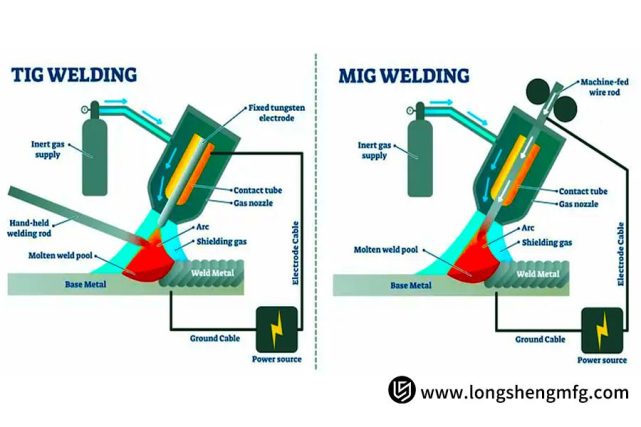
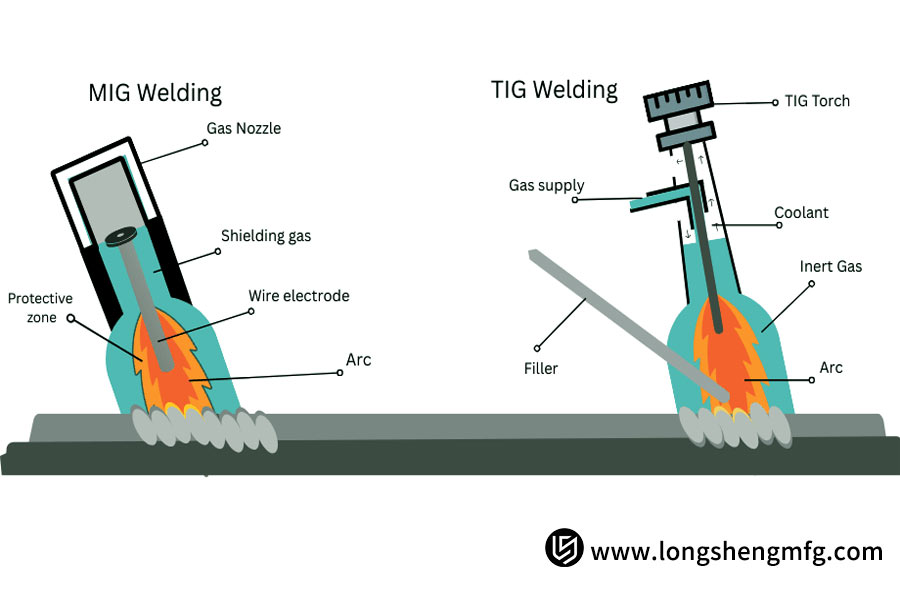
TIG stands for Tungsten Inert Gas welding. It uses an electric arc to join metals. The tungsten electrode does not melt during welding. Instead, it creates heat to melt the base metal. An inert gas shields the weld area from contamination. This gas protects the weld from oxygen and nitrogen in the air. TIG welding produces clean, strong, and precise welds. It works on many metals including steel, aluminum, and copper.
Key Components
- Tungsten Electrode:Non-consumable, creates the arc.
- Welding Torch:Holds the electrode and directs the arc.
- Inert Shielding Gas:Usually argon or helium, protects the weld area.
- Filler Rod:Optional, adds extra metal to the weld.
- Power Supply:Provides the electric current for welding.
Credit: www.longshengmfg.com
Role Of Gas In Tig Welding
The role of gas in TIG welding is crucial to achieving strong, clean, and high-quality welds. The gas protects the weld area from contaminants and controls the welding environment. Understanding how the gas works can help you make better choices and improve your welding results.
Importance Of Shielding Gas
Shielding gas acts like a barrier between the weld and the surrounding air. Without it, oxygen and nitrogen can cause weld defects such as porosity and oxidation.
Argon is the most common shielding gas for TIG welding because it provides excellent protection and creates a stable arc. Sometimes, a mix of argon and helium is used to increase heat input or improve weld penetration.
Choosing the right shielding gas can change how your weld looks and performs. Have you ever noticed your welds looking dull or rough? It could be due to improper shielding gas.
Gas Flow Rate Considerations
The gas flow rate is how much shielding gas flows over your weld per minute. Too little gas won’t protect the weld properly, while too much gas wastes material and can cause turbulence.
Typically, flow rates between 15 and 20 cubic feet per hour (CFH) work well for TIG welding. However, factors like wind, welding position, and joint size may require adjustments.
Think about your work environment—are you welding outdoors or in a drafty area? Increasing the flow rate slightly can help maintain a clean weld in those conditions. Monitoring and adjusting your gas flow rate is a simple step that can save you from costly weld defects.
Types Of Gas Used In Tig Welding
Choosing the right gas for TIG welding directly affects your weld quality and efficiency. Different gases offer unique benefits, from shielding the weld pool to controlling heat input. Understanding these gases helps you make informed decisions that improve your welding results and reduce defects.
Argon: The Primary Choice
Argon is the most common gas used in TIG welding. It provides excellent arc stability and shields the weld area from contamination.
Because argon is heavier than air, it effectively protects the molten metal from oxygen and nitrogen, which can cause weld defects. Most welders find argon easy to work with, especially when welding thin materials like stainless steel and aluminum.
Helium: Enhancing Heat Input
Helium raises the heat of the welding arc, allowing deeper penetration and faster welding speeds. It’s lighter than argon, so it mixes well but requires higher flow rates to shield the weld properly.
If you’re working with thicker metals or need to increase productivity, adding helium can make a noticeable difference. However, helium is more expensive, so consider your budget and project needs carefully.
Argon-helium Mixtures
Combining argon and helium balances arc stability with increased heat input. These mixtures can be adjusted depending on the material and thickness you’re welding.
A popular blend might be 75% argon and 25% helium, offering smooth arc starts and better weld bead appearance. Have you tried mixing gases to get the best of both worlds on your projects?
Specialty Gases And Mixtures
Some welders use specialty gases like hydrogen or nitrogen mixed with argon for specific applications. For example, adding a small percentage of hydrogen can improve weld bead brightness on stainless steel.
However, these gases require careful handling and precise control to avoid weld defects. Experimenting with specialty mixtures can boost your weld quality, but always test on scrap material first to see the effects.
Factors Influencing Gas Choice
Choosing the right gas for TIG welding isn’t just about picking what’s popular or cheapest. Several factors come into play that directly affect your weld’s quality and durability. Understanding these factors helps you make smarter decisions and avoid common pitfalls that can cost time and materials.
Material Type
The kind of metal you are welding dictates the gas choice more than anything else. For instance, pure argon is the go-to for welding aluminum because it creates a clean, stable arc and prevents oxidation.
On the other hand, stainless steel often requires a mix of argon with a small percentage of hydrogen or helium to improve weld penetration and heat control.
Are you working with exotic metals like titanium? You’ll need an inert gas environment, usually pure argon or argon with a tiny bit of helium, to avoid contamination and maintain metal integrity.
Welding Position
Your welding position influences gas flow and shielding effectiveness. If you’re welding overhead or vertical, gas mixtures that provide better arc stability and slower cooling rates prevent weld defects.
For flat or horizontal welding, pure argon often suffices due to gravity helping maintain the gas shield. But in tricky positions, adding helium can help increase heat input and improve weld pool control.
Have you noticed how your welds behave differently when shifting positions? Adjusting gas choice based on position can save you rework and frustration.
Desired Weld Characteristics
What do you want your weld to look like? Smooth, shiny, and free of porosity? Gas choice plays a big role here.
Adding helium can create hotter arcs, which results in deeper penetration and faster welds, ideal if you need strength.
If your priority is a clean finish with minimal spatter, sticking to pure argon is usually best. Sometimes, small tweaks in gas composition can dramatically improve your weld’s appearance and performance.
Benefits Of Proper Gas Selection
Choosing the right gas for TIG welding isn’t just a technical detail—it directly affects how your weld turns out. Using the proper shielding gas can make the difference between a strong, clean weld and one that’s weak or full of defects. Let’s look at how the right gas selection benefits your welding projects.
Improved Weld Quality
The correct gas creates a stable environment that protects the weld pool from oxidation and impurities. You’ll notice smoother, shinier welds with fewer defects like porosity or cracks. When I switched to pure argon for aluminum welding, the improvement was immediate—cleaner beads and stronger joints.
Reduced Contamination
Shielding gases act as a barrier against contaminants in the air, such as oxygen and nitrogen. Using the right gas mix keeps these elements from entering the weld pool and causing brittleness or discoloration. Have you ever seen a weld that looks burnt or rusty? That’s often a sign of poor gas protection.
Consistent Arc Stability
Stable arcs make welding smoother and easier to control. Proper gas selection ensures a steady arc, reducing spatter and allowing you to focus on precision. If you’ve struggled with a flickering arc, adjusting your gas choice might be the simple fix you need.

Credit: www.adamsgas.co.uk
Common Mistakes In Gas Usage
Choosing and using the right gas in TIG welding is crucial, but many welders slip up in ways that can affect their weld quality and safety. Mistakes in gas usage often lead to weak welds, contamination, or wasted materials. Understanding these common errors helps you avoid costly repairs and improves your overall welding performance.
Incorrect Gas Flow
Setting the gas flow too high or too low is a frequent error. Too much gas can cause turbulence, pulling in air and contaminating the weld. On the other hand, too little flow won’t shield the weld properly, leading to oxidation and poor weld appearance.
Think about the last time you adjusted your flow meter—did you check it under working conditions? Gas flow can vary with changes in equipment or environment, so always test and adjust before starting your weld.
Wrong Gas Selection
Using the incorrect type of gas for your material or application compromises weld integrity. For example, pure argon is common for aluminum, but using a mix with helium might be better for thicker materials or better heat control.
Ask yourself: Does your project require a specific gas mix for strength or appearance? Choosing the wrong gas can cause issues like excessive spatter or weak joints, so align your gas choice with your metal and welding goals.
Inadequate Gas Coverage
Failing to maintain adequate gas coverage during welding exposes the weld pool to air, causing porosity and other defects. This often happens when the gas nozzle is too far from the workpiece or the gas lens is clogged.
Have you checked your torch setup recently? Ensuring a proper nozzle size and positioning can save you from weld defects and reduce the need for rework, improving your efficiency on the job.
Tips For Optimal Gas Usage
Using the right amount of gas in TIG welding is key for clean and strong welds. Proper gas usage saves money and improves weld quality. Simple steps help maintain the right gas flow during welding.
Calibrating Equipment
Check your gas flow meter regularly. Adjust it to the recommended flow rate for your weld. Incorrect settings can cause poor shielding and weak welds. Calibration ensures consistent gas delivery every time.
Monitoring Gas Supply
Keep an eye on gas levels in the cylinder. Replace or refill before it runs out. Sudden gas loss can ruin your weld. Use a pressure gauge to track the supply during work.
Adjusting For Environmental Factors
Wind and drafts affect gas shielding. Shield your work area or increase gas flow in windy conditions. Cold weather may require slight flow increases to maintain coverage. Small changes protect the weld pool from contamination.
Innovations In Tig Welding Gases
Innovations in TIG welding gases are shaping the future of welding, offering you better control and cleaner welds. These advances focus on improving performance while reducing costs and environmental impact. Understanding these changes can help you choose the right gas mix for your projects and boost your welding results.
Emerging Gas Technologies
New gas blends are being developed to enhance arc stability and reduce spatter during TIG welding. Some manufacturers now offer proprietary mixtures combining argon with small amounts of helium or hydrogen to improve heat input and weld penetration.
You might notice these gases allow faster welding speeds and create stronger joints. This means less rework and higher productivity on your job site. Have you tried switching your gas mix to see how it affects your weld quality?
Sustainable Gas Solutions
Environmental concerns are pushing the welding industry toward greener gas options. Some companies are exploring recycled gases and lower-emission blends to reduce the carbon footprint of welding operations.
These sustainable solutions often maintain or even improve weld quality while cutting costs in the long run. Imagine lowering your shop’s environmental impact without sacrificing performance—would that change your choice of welding gas?

Credit: unimig.com.au
Frequently Asked Questions
What Gas Is Commonly Used In Tig Welding?
TIG welding primarily uses pure argon gas. Argon protects the weld area from contamination. It creates a stable arc and clean welds. Argon is ideal for most metals including aluminum and stainless steel.
Can Tig Welding Use Other Gases Besides Argon?
Yes, TIG welding can use argon mixed with helium or hydrogen. These mixes improve heat input and weld penetration. However, pure argon remains the most popular choice for most TIG applications.
Why Is Argon Preferred For Tig Welding?
Argon is inert, meaning it does not react with the weld metal. This prevents oxidation and contamination during welding. It also produces a smooth, stable arc, ensuring high-quality welds.
How Does Shielding Gas Affect Tig Weld Quality?
Shielding gas protects molten metal from air exposure. It prevents oxidation and porosity in the weld. Using the correct gas ensures strong, clean, and defect-free welds.
Conclusion
TIG welding mainly uses argon gas to protect the weld area. Argon keeps the metal clean and strong during welding. Sometimes, a mix of argon and helium improves heat and weld quality. Choosing the right gas affects the weld’s strength and appearance.
Knowing the gas type helps you weld better and safer. Always check gas types before starting your TIG welding project. This simple step makes a big difference in your welding results.
About The Author

