
When it comes to TIG welding steel, choosing the right gas can make all the difference in your weld quality. You might wonder, “What gas should I use for TIG welding steel?”
The answer isn’t always obvious, but it’s crucial for getting strong, clean welds every time. You’ll discover exactly which gases work best, why they matter, and how the right choice can save you time and frustration. Keep reading to unlock the secrets that professional welders don’t always share.
Your next perfect weld starts here.

Credit: www.tifacparts.com
Tig Welding Basics
Understanding the basics of TIG welding is essential before choosing the right gas for welding steel. TIG welding, also known as Gas Tungsten Arc Welding (GTAW), offers precise control and produces clean, strong welds. Getting familiar with how it works and its benefits will help you make smarter decisions about your welding setup.
What Is Tig Welding
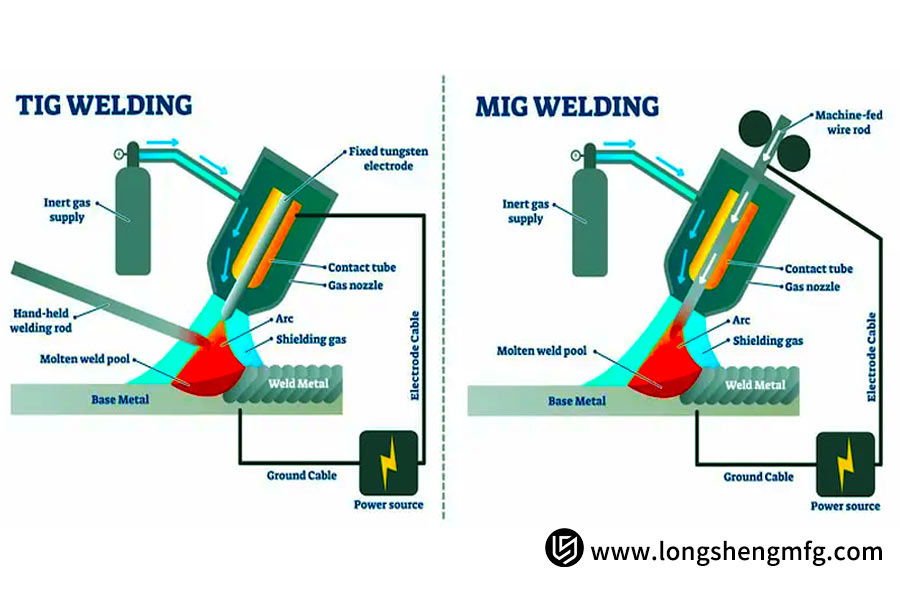
TIG welding uses a non-consumable tungsten electrode to create the weld. An inert shielding gas protects the weld area from contamination, ensuring a clean and strong joint. You control the heat with a foot pedal or hand control, giving you great precision over the weld bead.
This process works well on thin steel and other metals where detail and appearance matter. Have you ever struggled with messy welds? TIG welding’s control can reduce splatter and defects, making your projects look professional.
Benefits Of Tig Welding
TIG welding provides several key advantages that make it a favorite among professionals and hobbyists alike. Its precision lets you weld thin materials without burning through, which is tricky with other methods.
- Cleaner welds:The shielding gas keeps the weld free from oxidation and impurities.
- Versatility:It works on steel, stainless steel, aluminum, and more.
- Strong joints:TIG welds are durable and often require less post-weld cleanup.
If you’ve ever repaired delicate or thin steel parts, you know how important control is. TIG welding gives you that edge, letting you add quality and strength to your work without guesswork.

Credit: www.adamsgas.co.uk
Choosing The Right Gas
Choosing the right gas for TIG welding steel is crucial to achieve clean, strong welds. The gas you select affects weld quality, arc stability, and the overall welding experience. Understanding your options helps you avoid common pitfalls and get the best results every time.
Common Gases Used
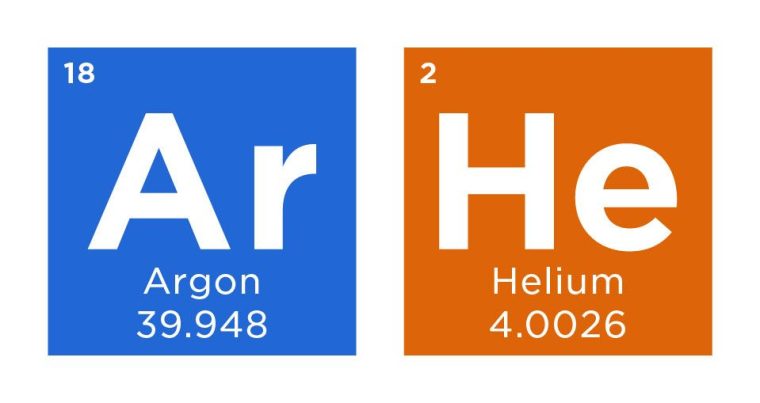
Argon is the most popular choice for TIG welding steel. It provides excellent arc stability and a smooth weld bead. Many welders prefer pure argon for its ease of use and consistent shielding properties.
Sometimes, a small percentage of helium is added to argon. This mix increases heat input, which can be useful when welding thicker steel. It also improves weld penetration and can speed up the welding process.
Other gases like hydrogen or nitrogen are rarely used but may appear in specialized applications. For example, hydrogen can increase heat but also raises the risk of weld defects if not handled properly.
Factors To Consider
Think about the thickness of the steel you’re welding. Thicker materials often need a helium-argon mix to provide deeper penetration. Thinner steel generally does well with pure argon, offering better control.
Your welding environment matters too. If you’re working outdoors or in windy conditions, argon’s shielding might not hold up well. You may need additional measures to protect the weld pool from contamination.
Cost is another factor. Pure argon is usually more affordable and widely available. Specialty gas mixes can improve performance but come at a higher price. Ask yourself if the performance gain justifies the extra cost.
Have you ever struggled with weld contamination or poor arc stability? Choosing the right gas can eliminate these issues and make your welding process smoother. What challenges have you faced with your gas choice so far?
Argon: The Primary Choice
Argon stands out as the primary choice for TIG welding steel. Its unique properties make it ideal for creating clean, strong welds. Many welders, including myself, have found that using argon consistently improves the quality of their work.
Advantages Of Using Argon
Argon provides excellent shielding from atmospheric gases like oxygen and nitrogen. This protection prevents weld contamination and porosity, ensuring a smooth finish.
It’s a noble gas, so it doesn’t react with the molten steel. This stability helps maintain a consistent arc and reduces spatter.
Argon also allows better control of the weld puddle, making it easier to produce precise and clean welds. Have you noticed how your welds look sharper and more professional with argon?
Purity Levels And Their Importance
Not all argon is created equal. The purity level can significantly affect your weld quality. Typically, argon for TIG welding should be at least 99.9% pure.
Lower purity argon might contain impurities that cause oxidation or weak welds. On the other hand, high-purity argon ensures stable arc performance and reduces defects.
Always check the gas label before use. Choosing the right purity level can save you time and material by reducing rework.
Alternative Gases And Mixtures
Choosing the right gas for TIG welding steel isn’t always limited to pure argon. Alternative gases and their mixtures can offer specific benefits that improve weld quality and efficiency. Understanding these options can help you tailor your welding setup to the job’s unique demands.
Helium Mixtures For Specific Applications
Helium is often added to argon to create a gas blend that enhances heat input during welding. This increased heat helps when working with thicker steel pieces, allowing deeper penetration and faster welds.
For example, a 75% argon and 25% helium mix is popular in industries where speed and weld strength are critical. You might notice that the arc feels hotter and the puddle flows smoother with helium blends.
However, helium can be more expensive and less stable, so it’s not always the best choice for every project. Have you tried helium mixes on your thicker steel parts? You might find it changes how you approach weld bead formation.
Other Gas Options
Besides helium, small amounts of other gases like hydrogen and nitrogen can be added to argon for specific effects. Hydrogen, for instance, can boost arc stability and cleaning action on stainless steel, but its use on carbon steel requires caution.
Nitrogen can improve mechanical properties in certain steel alloys but may also cause porosity if not controlled properly. These gases are less common but worth considering if your welding needs are specialized.
Remember, using alternative gases means adjusting your welding technique and parameters. Have you experimented with these mixes, or do you stick to pure argon? Trying different gases might reveal new ways to optimize your welds.
Safety Considerations
Safety is a top priority when working with gases for TIG welding steel. These gases, while essential for quality welds, can pose serious risks if not handled correctly. Understanding safety considerations can protect you from accidents and ensure a smooth welding process.
Handling And Storage Of Gases
Always store gas cylinders upright and secure them to prevent tipping. Keep them away from heat sources and direct sunlight to avoid pressure buildup inside the cylinders.
Use proper regulators and check for leaks regularly. Have a well-ventilated area for gas use to prevent dangerous gas accumulation. Do you know where your nearest fire extinguisher is located when working with flammable gases?
Personal Protective Equipment
Wear appropriate PPE such as welding helmets with the correct shade lens to protect your eyes from harmful UV rays. Gloves designed for welding shield your hands from heat and sparks.
Don’t forget flame-resistant clothing to protect your skin and always use respiratory protection when working in confined spaces or with certain gases. Have you ever experienced discomfort from inadequate PPE? That’s a clear sign to upgrade your gear.
Credit: www.longshengmfg.com
Troubleshooting Common Issues
TIG welding steel demands precision, especially with the gas you choose. When you encounter issues, it often ties back to the shielding gas or how it’s applied. Understanding common problems helps you fix them quickly and get better welds every time.
Porosity Problems
Porosity in your weld looks like tiny holes or bubbles trapped inside the metal. This often happens because the shielding gas isn’t protecting the weld pool well enough.
Check if your gas flow rate is too low or too high. Too little gas lets air in, causing contamination. Too much gas can create turbulence, pulling in oxygen and nitrogen.
Also, inspect your gas nozzle for dirt or damage. Even a small leak in your gas line can lead to porosity. I once spent hours chasing porosity until I found a loose fitting causing the problem.
Ask yourself: Is my gas supply stable and consistent throughout the weld? If not, fix that first before changing other settings.
Inconsistent Weld Beads
Uneven or irregular weld beads can ruin a project, making it weak or ugly. This often links back to the type or mixture of gas used during welding.
Pure argon usually works best for steel, but adding a small percentage of hydrogen or helium can improve penetration and bead shape. However, too much can cause instability.
Make sure your gas mix matches the steel type and thickness. Also, check your torch angle and travel speed—they affect how the gas shields the weld.
Have you noticed your weld beads changing halfway through a seam? It might be time to check your gas cylinder pressure or regulator settings to maintain steady flow.
Tips For Optimal Welds
Achieving optimal welds in TIG welding steel requires more than just picking the right gas. You need to fine-tune your setup and techniques to get clean, strong, and precise welds. Paying close attention to gas flow and welding habits can make a big difference in your results.
Gas Flow Rate Recommendations
Setting the right gas flow rate helps protect the weld pool from contamination. Too low a flow allows air to mix in, causing oxidation and weak welds. Too high a flow creates turbulence, which can also introduce impurities.
Most TIG welders find a flow rate between 15 and 20 cubic feet per hour (CFH) works well for steel. However, this can vary based on the size of your welding cup and the environment. In windy or drafty areas, increasing the flow slightly helps maintain shield coverage.
Have you ever noticed a smoky or discolored weld bead? That might be a sign to adjust your flow rate. Try small increments to find the sweet spot for your specific setup and conditions.
Techniques For Clean Welds
Keeping your workpiece and filler rod clean is key. Dirt, rust, or oil can cause porosity and weak spots in your welds. Always wipe the metal with a clean cloth and a suitable solvent before welding.
Control your torch angle and travel speed carefully. Holding the torch at about 15 degrees off vertical allows better gas coverage and visibility. Moving too fast can create gaps, while moving too slow may cause overheating and burn-through.
Consider your breathing and body position too. Staying steady and avoiding unnecessary movement helps maintain a consistent weld pool. Have you tried practicing on scrap metal to build a smooth, even bead before tackling critical projects?
Future Trends In Tig Welding
The future of TIG welding is shaping up to be exciting and full of innovation. As materials and techniques evolve, so do the gases and methods used in welding steel. Staying updated on these trends can help you improve your welding quality and efficiency.
Advancements In Gas Technology
New gas blends are being developed to enhance weld quality and reduce environmental impact. For example, some manufacturers are creating mixtures that lower heat input while maintaining strong welds.
These gases help reduce oxidation and improve arc stability, making your welds cleaner and more precise. Have you noticed how small changes in gas composition can affect your weld bead appearance?
Additionally, more eco-friendly options are emerging, aiming to cut down on greenhouse gases without sacrificing performance. This shift could change what gases you choose in the near future.
Emerging Welding Techniques
Innovative TIG welding methods are gaining traction, such as pulsed TIG and hybrid welding. These techniques improve control over heat and penetration, which can be a game-changer for delicate or complex steel work.
Advanced automation is also making TIG welding more consistent, reducing human error. Imagine using machines that adjust gas flow and welding parameters in real-time based on the steel’s response.
Are you ready to experiment with these new techniques to boost your welding projects? Trying them could give you better results and save time on challenging jobs.
Frequently Asked Questions
What Gas Is Best For Tig Welding Steel?
Argon is the best gas for TIG welding steel. It provides a clean, stable arc and excellent weld quality. Argon shields the weld from contamination and improves arc control.
Can Pure Argon Be Used For All Steel Types?
Yes, pure argon works well for most steel types. It ensures a stable arc and clean welds. Sometimes, a small mix of other gases is added for specific applications.
Why Add Helium To Argon In Tig Welding Steel?
Adding helium increases heat input and penetration depth. It helps weld thicker steel sections faster. The argon-helium mix improves weld bead appearance and reduces weld defects.
Is Carbon Dioxide Used For Tig Welding Steel?
No, carbon dioxide is not recommended for TIG welding steel. It can cause weld spatter and poor arc stability. CO2 is mainly used in MIG welding, not TIG.
Conclusion
Choosing the right gas makes TIG welding steel easier and cleaner. Pure argon works best for most steel welding jobs. Adding a little helium can increase heat and improve weld quality. Avoid using oxygen or nitrogen alone, as they can weaken the weld.
Always check your machine’s settings and gas flow. Experiment with small projects to find what suits you. Good gas choice helps create strong, smooth welds every time. Keep these tips in mind for better TIG welding results.
About The Author

