
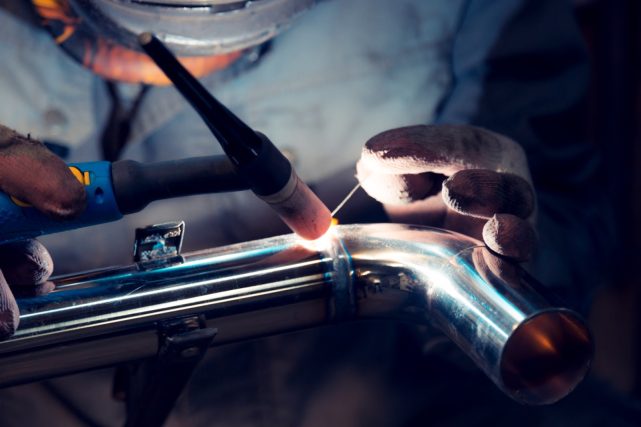
When it comes to TIG welding stainless steel, choosing the right gas can make all the difference in your results. You might have tried different gases before but still wonder why your welds don’t look as clean or strong as you want.
The secret lies in understanding which gas protects the weld and enhances the quality. You’ll discover exactly what gas you should use to get smooth, strong, and shiny stainless steel welds every time. Keep reading, because picking the right gas will save you time, money, and frustration on your next project.
Tig Welding Basics
TIG welding is a popular choice for joining stainless steel. It offers clean, precise welds and strong joints. Understanding the basics helps create better results and avoid common mistakes.
Tig Welding Principles
TIG welding uses a tungsten electrode to create an arc. This arc melts the metal surfaces, joining them together. A shielding gas protects the weld from contamination. The welder controls the heat and filler material manually.
The process allows for high precision and control. It works well on thin stainless steel sheets. The welds have a smooth, clean finish. This makes TIG welding ideal for delicate or detailed work.
Essential Equipment For Tig Welding
- TIG welder machine with adjustable current settings
- Tungsten electrodes suitable for stainless steel
- Filler rods matching the stainless steel grade
- Shielding gas supply, usually argon or argon blends
- Protective gear like welding helmet, gloves, and apron
- Clamps and fixtures to hold metal pieces steady
Each piece of equipment plays a key role in welding quality. Proper gear ensures safety and better control during the weld.
Choosing The Right Gas
Choosing the right gas for TIG welding stainless steel is key to getting strong, clean welds. The gas protects the weld area from contamination and affects the weld’s appearance and strength. Using the wrong gas can cause weld defects like porosity or discoloration.
Understanding the role of shielding gases helps you pick the best option for your project. Some gases work better with specific stainless steel types or welding conditions. Let’s explore why gas choice matters and which gases are commonly used for TIG welding stainless steel.
Importance Of Gas Selection
Shielding gas shields the weld pool from oxygen and nitrogen in the air. Oxygen and nitrogen cause weld defects and weaken the joint. The right gas keeps the weld clean and strong.
Gas also affects arc stability and heat control. A stable arc makes welding easier and improves weld quality. Good heat control prevents warping and burn-through on thin stainless steel.
Choosing the proper gas reduces oxidation and discoloration. This keeps the weld shiny and corrosion-resistant. The gas should match the stainless steel grade and welding method.
Commonly Used Gases For Stainless Steel
Argon is the most popular gas for TIG welding stainless steel. It provides excellent arc stability and good shielding. Argon works well with all stainless steel grades.
Helium blends with argon to increase heat and penetration. This helps weld thicker materials faster. A common mix is 75% argon and 25% helium.
Pure helium is less common but useful for high-heat welding. It produces a hotter arc but less stable than argon. Helium suits thick stainless steel or special applications.
Small amounts of hydrogen or nitrogen can be added to argon for special effects. These gases can improve weld appearance or speed but require caution. Too much can cause weld defects.
- Argon: Best for most stainless steel TIG welding
- Argon-Helium mix: Good for thicker metals and deeper penetration
- Pure Helium: Hotter arc, less common
- Argon with small hydrogen/nitrogen: Specialized welds, careful use needed
Argon: The Preferred Choice
Argon stands out as the top gas for TIG welding stainless steel. It creates a clean, stable arc essential for precise welds. Argon’s inert nature shields the weld from contamination. This protection keeps the metal strong and free from rust or discoloration.
Using argon simplifies the welding process. It flows smoothly and helps maintain a consistent weld pool. The gas also cools the torch, extending its life. These qualities make argon a reliable choice for both beginners and experts.
Benefits Of Using Argon
- Prevents oxidation and contamination of welds
- Provides a stable, smooth arc for better control
- Improves weld appearance with less spatter
- Enhances penetration and fusion of metals
- Extends torch and consumable lifespan by cooling
- Works well with different thicknesses of stainless steel
- Easy to handle and widely available
Limitations And Considerations
- Pure argon can be expensive compared to mixed gases
- May cause weld porosity if flow rate is too high
- Not ideal for thicker stainless steel without blends
- Requires proper equipment setup for best results
- Less effective at preventing oxidation on very hot metals
- Shielding may need adjustment depending on welding position
Argon-helium Mixtures
Argon-helium mixtures are popular choices for TIG welding stainless steel. These gas blends combine the benefits of both argon and helium. Argon provides excellent arc stability and smooth weld pools. Helium increases heat input and improves weld penetration. The right mix can enhance weld quality and speed.
Advantages Of Argon-helium Blends
- Helps create a hotter arc for deeper weld penetration.
- Improves weld bead appearance with better surface finish.
- Increases welding speed by boosting heat transfer.
- Maintains stable arc and easy arc starting from argon.
- Reduces oxidation and contamination in stainless steel welds.
- Works well with both AC and DC TIG welding processes.
When To Use Argon-helium
- For thicker stainless steel sections needing strong fusion.
- When faster welding speeds are required to save time.
- In applications needing clean, smooth, and shiny welds.
- When welding stainless steel types that need extra heat.
- For projects where arc stability is critical for precision.
- In environments where shielding gas protection must be optimal.
Other Gas Mixtures
Other gas mixtures offer unique benefits for TIG welding stainless steel. They help improve weld quality and control heat input. These blends can enhance weld bead appearance and reduce oxidation. Choosing the right gas mixture depends on the welding task and the stainless steel grade. Understanding these options expands your welding capabilities.
Argon-hydrogen Blends
Argon-hydrogen blends are popular for welding stainless steel. The hydrogen content usually ranges from 2% to 5%. Hydrogen increases heat and improves weld penetration. This mix produces cleaner, shinier welds by reducing oxide layers.
Use argon-hydrogen blends for thicker stainless steel sections. It works well with grades like 304 and 316. Avoid high hydrogen levels on thin materials to prevent warping.
Specialty Gases
Specialty gases include helium and nitrogen blends. Helium raises the arc temperature, speeding up welding. This is useful for thicker stainless steel or high thermal conductivity alloys. Nitrogen helps stabilize the weld pool and improves mechanical properties.
These gases often combine with argon for balanced performance. Specialty gases require precise control to avoid weld defects. They suit advanced welding projects needing specific results.
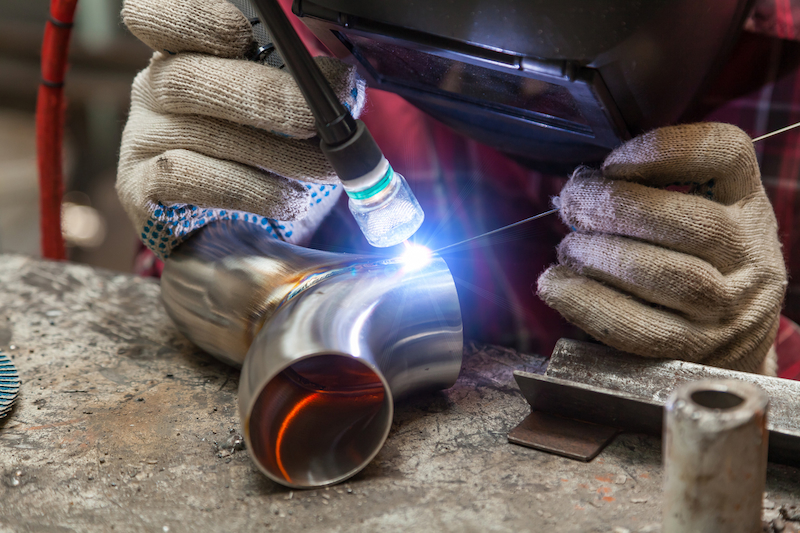
Credit: www.adamsgas.co.uk
Gas Flow Rate Settings
Gas flow rate settings are crucial for TIG welding stainless steel. They control the amount of shielding gas that protects the weld pool from contamination. Correct flow rates help achieve clean, strong welds without excess gas waste.
Too low flow rates can allow air to reach the weld, causing oxidation and weak joints. Too high flow rates may create turbulence, blowing away the gas shield and causing weld defects. Finding the right balance is key.
Determining Optimal Flow Rates
Optimal flow rates depend on several factors. These include the size of the tungsten electrode, the type of gas, and the welding environment.
- For stainless steel TIG welding, argon is the most common shielding gas.
- Typical flow rates range from 15 to 20 cubic feet per hour (CFH).
- Smaller welds or indoor settings may require rates closer to 10-15 CFH.
- Outdoor or drafty areas often need higher flow rates, around 20 CFH.
- Use a flow meter to measure and adjust the gas flow accurately.
Impact On Weld Quality
The correct gas flow rate directly affects weld quality. Proper shielding prevents oxidation, which causes discoloration and weak welds.
Excessive gas flow can cause turbulence, leading to porosity and inconsistent weld beads. Insufficient flow exposes the weld to oxygen and nitrogen, causing brittleness and cracks.
Maintaining steady, appropriate flow ensures a stable arc and smooth weld surface. It also reduces spatter and improves overall appearance.
Troubleshooting Gas Issues
Gas plays a crucial role in TIG welding stainless steel. The right gas flow and purity ensure clean, strong welds. Troubleshooting gas issues helps avoid weld defects and machine problems. Understanding common gas problems leads to quick fixes and better results.
Common Gas-related Problems
- Porosity in welds caused by gas contamination or low flow.
- Oxidation or discoloration due to insufficient shielding gas coverage.
- Unstable arc caused by gas leaks or improper gas type.
- Excessive gas consumption from leaks or incorrect regulator settings.
- Gas turbulence leading to inconsistent weld bead appearance.
Solutions And Tips
- Check for leaks in hoses and fittings using soapy water.
- Maintain proper gas flow rate, typically 15-20 CFH for stainless steel.
- Use pure argon or argon with a small percentage of helium for better weld quality.
- Replace damaged or worn-out gas nozzles and diffusers regularly.
- Ensure tight connections between gas cylinder, regulator, and torch.
- Keep the welding area free of drafts that disturb gas shielding.
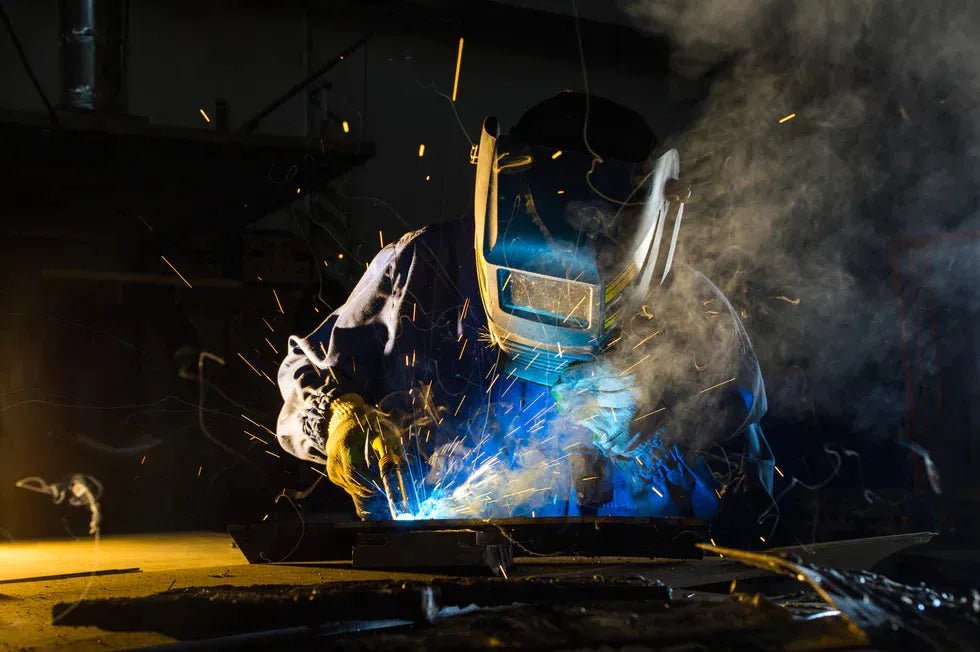
Credit: weldingmart.com
Safety Considerations
Safety is the top priority when TIG welding stainless steel. The gases used in welding are under high pressure and can be dangerous. Proper handling and protection reduce risks. Understanding safety measures helps prevent accidents and injuries.
Handling And Storage Of Gases
Store gas cylinders upright and secure them tightly. Keep them away from heat sources and direct sunlight. Always transport cylinders using proper carts or carriers. Check for leaks regularly using soapy water or approved detectors. Never use oil or grease on valves or regulators. Open cylinder valves slowly to avoid pressure shocks. Close valves when not in use to stop gas leaks.
Protective Equipment
Wear a welding helmet with a proper shade to protect eyes. Use flame-resistant gloves and long sleeves to shield skin. Respirators help avoid inhaling harmful fumes and gases. Safety boots protect feet from hot metal and heavy objects. Use ear protection in noisy welding environments. Always wear clean, dry clothing made of natural fibers. Replace damaged gear immediately to maintain safety.
Tips For Achieving Perfect Welds
Achieving perfect TIG welds on stainless steel requires more than just the right equipment. It demands careful attention to the gas used, welding technique, and environmental factors. Small adjustments can make a big difference in the quality and durability of your welds.
Best Practices For Gas Use
Pure argon is the most common and reliable shielding gas for TIG welding stainless steel. It provides excellent arc stability and a clean weld appearance. If you want to increase penetration without sacrificing quality, try adding a small percentage of helium to the argon.
Keep your gas flow rate steady, typically between 15 and 20 cubic feet per hour (CFH). Too low, and the weld may be contaminated by air; too high, and you risk turbulence, which can cause porosity. Always check your setup for leaks or blockages before starting.
Remember, the right gas mix can change depending on the thickness of your stainless steel and the position of the weld. Are you welding thin sheets or thick plates? Adjust your gas accordingly for the best results.
Common Mistakes To Avoid
One of the biggest errors is using an incorrect gas mixture, like adding oxygen to argon, which can cause oxidation and weaken the weld. Avoid using CO2 or other active gases with stainless steel, as they can lead to discoloration and brittleness.
Another frequent mistake is allowing gas coverage to drop during the weld, often due to poor torch angle or moving too fast. This exposes the weld pool to air, causing contamination and rough surfaces. Pay attention to your torch positioning and maintain a consistent travel speed.
Don’t overlook equipment maintenance. Dirty or damaged gas nozzles can disrupt gas flow and reduce shielding effectiveness. Clean your torch regularly and replace worn parts to keep your weld quality sharp.

Credit: www.pacificarctigwelding.com
Frequently Asked Questions
What Gas Is Best For Tig Welding Stainless Steel?
Argon is the best gas for TIG welding stainless steel. It provides excellent arc stability and weld quality. Argon ensures clean, precise welds and prevents oxidation during the process.
Can I Use Pure Argon Or Argon Mix Gas?
Pure argon is commonly used for TIG welding stainless steel. Sometimes, argon mixed with a small amount of hydrogen improves penetration and weld bead appearance. Choose based on stainless steel grade and welding requirements.
Why Is Shielding Gas Important In Tig Welding Stainless Steel?
Shielding gas protects the weld pool from atmospheric contamination. It prevents oxidation, porosity, and weak welds. Proper gas selection ensures strong, clean, and high-quality stainless steel welds.
How Does Hydrogen Affect Tig Welding Stainless Steel?
Adding hydrogen to argon enhances weld penetration and brightness. However, too much hydrogen can cause weld defects. Use a controlled mix to improve weld quality without risking damage.
Conclusion
Choosing the right gas helps create strong, clean welds on stainless steel. Argon is a popular choice for its steady arc and smooth finish. Sometimes adding a bit of helium or hydrogen improves heat and penetration. Proper gas selection makes welding easier and results better.
Always match the gas to your specific welding needs. This ensures safety and quality in every weld you make. Good gas choice leads to durable, professional stainless steel welds. Keep this in mind for your next TIG welding project.
About The Author

