
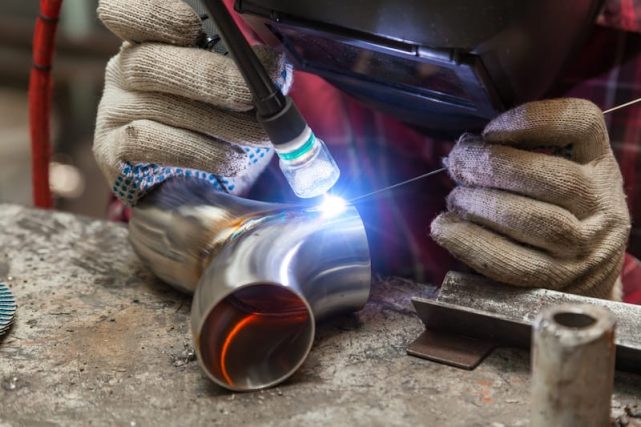
Are you ready to get the best results when welding stainless steel? Choosing the right gas can make all the difference in the strength, appearance, and durability of your weld.
But with so many options out there, how do you know which one is right for your project? You’ll discover exactly what gas to use when welding stainless steel and why it matters. Keep reading, and you’ll learn simple tips that can save you time, money, and frustration on your next weld.
Credit: unimig.com.au
Basics Of Welding Stainless Steel
Welding stainless steel requires a clear understanding of its unique characteristics and the techniques that work best. Knowing the basics helps you choose the right gas and method, ensuring strong, clean welds. Let’s break down the essentials of welding stainless steel so you can get the job done right.
Properties Of Stainless Steel
Stainless steel is prized for its resistance to rust and corrosion, thanks to the chromium it contains. This metal is tougher to weld than regular steel because it conducts heat differently and expands more when heated.
Its surface can easily oxidize if not protected during welding, which affects the weld’s strength and appearance. You’ll notice that stainless steel also has a lower thermal conductivity, so heat stays concentrated in one area, increasing the risk of warping.
Have you ever struggled with weld discoloration or cracking? These problems often come from ignoring these basic properties.
Common Welding Methods
Choosing the right welding method depends on the project and the type of stainless steel. Gas Tungsten Arc Welding (GTAW or TIG) is popular because it offers precise control and clean welds.
Metal Inert Gas (MIG) welding is faster and easier, making it suitable for thicker materials. Both methods use inert gases like argon or helium to protect the weld from contamination.
- TIG welding:Best for thin materials and detailed work.
- MIG welding:Ideal for thicker parts and faster jobs.
- Stick welding:Less common but useful for heavy-duty repairs.
Understanding these basics can save you time and prevent costly mistakes. What welding challenges have you faced with stainless steel, and how did you overcome them?
Importance Of Choosing The Right Gas
Choosing the right gas for welding stainless steel is more than just a technical detail—it directly affects the strength, appearance, and durability of your welds. The wrong gas can cause weak joints, corrosion, or even dangerous weld defects. Are you confident that your choice of gas supports the quality and safety your project demands?
Impact On Weld Quality
The gas you select controls the weld’s heat and shield against contamination. Shielding gases like argon mixed with small amounts of oxygen or carbon dioxide help create clean, strong welds without excess spatter.
Using pure argon often results in smooth weld beads, but adding a bit of CO2can improve penetration for thicker stainless steel. On the other hand, too much oxygen can cause oxidation, leading to discoloration and weakened welds.
Think about the final look and durability you want. Do you need a bright, polished finish or a weld that stands up to harsh environments? Your choice of gas directly influences these outcomes.
Safety Considerations
Handling welding gases requires care. Some gases are heavier than air and can accumulate in enclosed spaces, posing asphyxiation risks. Always ensure proper ventilation when welding stainless steel.
Additionally, gases like carbon dioxide and oxygen support combustion. Mixing them incorrectly or using pure oxygen near flammable materials can lead to fires or explosions.
Have you checked if your workspace meets safety standards for gas storage and use? Prioritizing safety protects you and your team from accidents that can halt your project and cause injury.
Types Of Gases Used In Stainless Steel Welding
Choosing the right gas is key for welding stainless steel. Different gases affect weld quality, strength, and appearance. Each type offers unique benefits. Understanding these helps pick the best gas for the job.
Argon And Its Benefits
Argon is the most common gas for stainless steel welding. It provides a stable arc and smooth welds. Argon shields the weld from oxygen and nitrogen in the air. This prevents rust and contamination. It also works well with TIG and MIG welding methods. Argon’s easy flow helps control the heat. This reduces warping and distortion in thin metals.
Helium For Enhanced Penetration
Helium improves heat and penetration during welding. It makes the weld pool hotter and deeper. This helps when welding thicker stainless steel pieces. Helium is often mixed with argon to balance cost and performance. Pure helium is rare due to high expense. Using helium can speed up the welding process. It also creates a cleaner, stronger weld bead.
Mixed Gas Options
Mixed gases combine the strengths of different gases. Common mixes include argon with small amounts of oxygen or carbon dioxide. These mixes improve arc stability and weld quality. They also help control spatter and improve bead shape. Mixed gases suit MIG welding well. The exact blend depends on the stainless steel grade and thickness. Using the right mix ensures a smooth, strong weld.
Selecting The Best Gas For Specific Applications
Selecting the best gas for welding stainless steel depends on the welding method and the desired weld quality. Different gases affect the weld’s appearance, strength, and corrosion resistance. Choosing the right gas ensures clean, strong joints and reduces weld defects. Each welding technique has specific gas requirements for optimal results.
Gas Selection For Tig Welding
TIG welding needs a pure shielding gas to protect the weld pool from contamination. Argon is the most common choice for stainless steel TIG welding. It provides excellent arc stability and a smooth weld bead.
Sometimes, a small amount of helium is added to argon. This improves heat input and penetration, especially for thicker materials. For thin stainless steel sheets, pure argon alone works best. It keeps the weld clean and prevents oxidation.
Gas Choices For Mig Welding
MIG welding stainless steel requires a mix of gases for proper shielding and arc control. A common blend is argon with 2-5% carbon dioxide or oxygen. This mix helps create a stable arc and good bead shape.
Adding carbon dioxide increases penetration but may cause more spatter. Oxygen improves arc stability but must be kept low to avoid weld defects. Some welders use argon-helium mixtures for better heat and weld speed on thicker metals.
- Argon-CO2 blends: good for general stainless steel MIG welding
- Argon-Oxygen blends: improve arc but require control
- Argon-Helium blends: enhance penetration and speed
Tips For Achieving Perfect Welds
Achieving perfect welds on stainless steel requires more than just the right gas. Careful control of welding conditions plays a key role. Small adjustments can lead to cleaner, stronger, and more durable welds. Follow these tips to enhance your welding results and avoid common mistakes.
Optimizing Gas Flow Rates
Correct gas flow protects the weld pool from contamination. Too low flow allows air to mix, causing oxidation and weak welds. Too high flow creates turbulence, blowing shielding gas away and wasting gas.
Set flow rates between 15 to 20 cubic feet per hour (CFH) for most stainless steel welds. Adjust slightly based on welding position and nozzle size. Use a flowmeter to monitor rates consistently. Check for leaks in hoses and connections to maintain stable flow.
Monitoring Weld Environment
Keep the welding area free from drafts and wind. Air currents disturb shielding gas, leading to weld defects. Shielding gas must cover the weld zone completely.
Work indoors or use windbreaks if welding outdoors. Avoid open doors or windows near the weld station. Maintain clean surfaces by removing rust, oil, or dirt before welding. Moisture or contaminants cause porosity and poor weld quality.
Credit: canadaweldingsupply.ca
Common Mistakes And How To Avoid Them
Welding stainless steel requires careful gas selection and setup. Common mistakes can cause poor weld quality and safety hazards. Avoiding these errors improves results and reduces costs.
Incorrect Gas Mixtures
Using the wrong gas mix affects weld strength and appearance. Pure argon is often used for TIG welding stainless steel. Adding small amounts of helium or hydrogen can improve heat and penetration.
Too much oxygen or carbon dioxide causes oxidation and weak welds. Check gas specifications carefully before starting. Use certified gas blends designed for stainless steel.
Improper Gas Pressure
Gas pressure must match the welding process and torch size. Low pressure leads to poor shielding, causing contamination and porosity. High pressure causes turbulence, drawing air into the weld.
Set the regulator to the recommended flow rate. Measure flow with a flow meter, not just the gauge. Adjust pressure based on torch angle and joint type for best results.

Credit: www.adamsgas.co.uk
Frequently Asked Questions
What Gas Is Best For Welding Stainless Steel?
Argon gas is the best choice for welding stainless steel. It provides a stable arc and protects the weld from oxidation. Sometimes, a mix of argon and helium is used for better penetration and heat control in stainless steel welding.
Can I Use Pure Argon For Stainless Steel Welding?
Yes, pure argon is commonly used for TIG welding stainless steel. It ensures a clean, stable arc and prevents contamination. For MIG welding, argon mixed with carbon dioxide or oxygen is often preferred to improve weld quality.
Why Use A Gas Mixture For Stainless Steel Welding?
Gas mixtures like argon with CO2 or oxygen improve arc stability and weld penetration. They reduce spatter and help control heat input. This results in stronger, cleaner welds on stainless steel compared to pure argon alone.
Is Helium Added To Gas For Welding Stainless Steel?
Yes, helium is added to argon to increase heat and improve weld penetration. This mix is useful for thicker stainless steel sections and faster welding speeds. It enhances weld quality by providing a hotter, more stable arc.
Conclusion
Choosing the right gas is key to welding stainless steel well. Argon is the most common choice for clean, strong welds. Adding small amounts of oxygen or carbon dioxide can help with specific weld needs. Always match the gas type to your welding method and stainless steel grade.
This ensures better weld quality and less work on finishing. Remember, good preparation and the right gas lead to better results. Keep these tips in mind for your next stainless steel welding project.
About The Author

