
Have you ever wondered what an arc welder is and how it might be useful in your projects? Imagine having the power to join metal pieces with precision and strength, crafting sturdy structures or repairing essential equipment with ease.
Arc welding is a technique that can transform your work, whether you’re a hobbyist or a professional in the field. It’s not just about fusing materials; it’s about creating something durable and reliable. By understanding the basics of arc welding, you open the door to endless possibilities in metalwork.
Curious about how this tool can enhance your skills and productivity? Stick around to uncover the essentials and discover why mastering arc welding could be your next great achievement.
Credit: www.xometry.com
Arc Welding Basics
Arc welding is a popular method for joining metals. It uses electricity to create heat. This heat melts the metal, allowing it to fuse together. Arc welding is strong and reliable. It’s used in many industries, from construction to automotive. Understanding the basics helps in choosing the right welder. Learn how it works and the types available.
Definition And Purpose
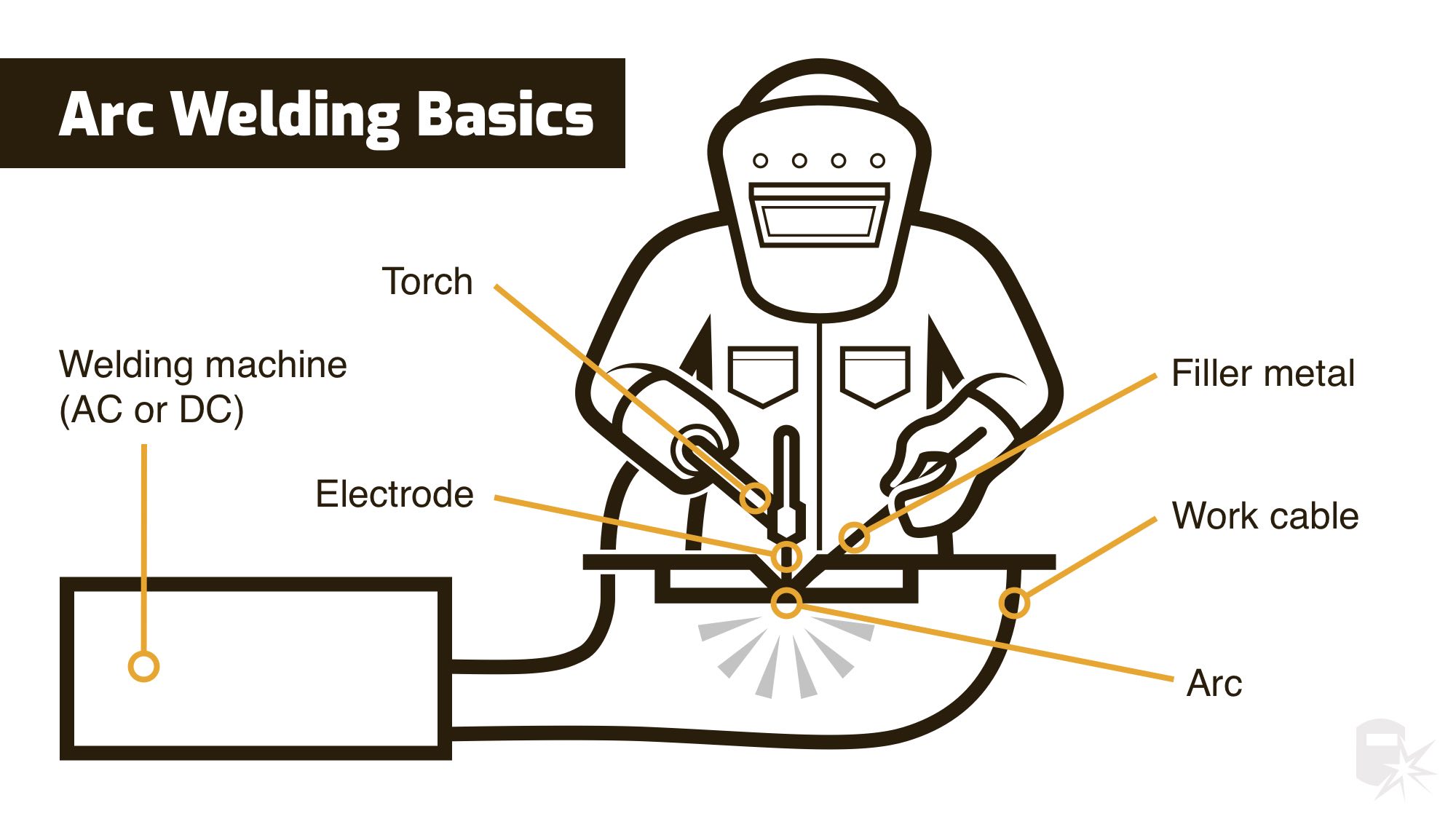
Arc welding is a technique that uses an electrical arc. The arc is formed between the electrode and the metal. It heats the metal to a melting point. This allows the pieces to join. The purpose of arc welding is to create strong joints. It is used for building structures and repairing metal parts.
How Arc Welding Works
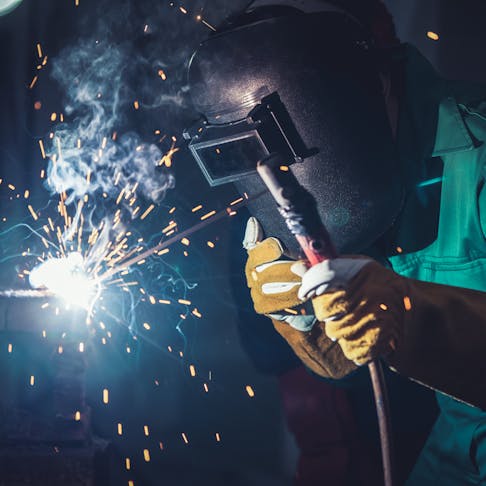
Arc welding works by creating a high-temperature arc. This arc is formed between the electrode and metal. The electrode conducts electricity. When close to the metal, an electric arc forms. This arc melts the metal, allowing it to fuse. The process needs skill and precision. It requires protective gear due to intense heat and light.
Types Of Arc Welders
There are different types of arc welders. Stick welders use a consumable electrode. They are simple and affordable. MIG welders use a wire feed system. They are fast and efficient. TIG welders use a non-consumable electrode. They offer precision and control. Each type has unique benefits. Choose based on your project needs.
Credit: weldguru.com
Key Components Of An Arc Welder
An arc welder is a tool used to join metal pieces. It uses electrical energy to create an arc that melts metal. Understanding its key components helps you use it effectively.
Power Source
The power source provides the electrical energy needed for welding. It can be AC or DC. AC is common in home welding machines. DC is used for professional work. The power source must be stable. A stable power source ensures quality welds.
Electrode Holder
The electrode holder grips the electrode. It allows you to control the welding arc. You must ensure a good connection. A poor connection affects weld quality. The holder must be insulated. Insulation prevents electric shock.
Ground Clamp
The ground clamp completes the electrical circuit. It attaches to the workpiece. A strong clamp ensures a steady arc. It must have good conductivity. Good conductivity prevents overheating. Regular checks keep it in top condition.
Common Arc Welding Techniques
Arc welding is a versatile and widely used method for joining metals. It employs an electric arc to melt materials, creating strong joints. Various techniques exist, each suitable for different applications and materials.
Shielded Metal Arc Welding (smaw)
SMAW is a manual arc welding process. It uses a consumable electrode coated in flux. The electrode creates an arc between itself and the workpiece. The heat from the arc melts the metal, forming a weld. The flux coating provides a protective gas shield and slag. This protects the weld from contamination. SMAW is popular in construction and maintenance.
Gas Metal Arc Welding (gmaw)
GMAW, also known as MIG welding, uses a continuous wire electrode. It feeds the wire through a welding gun. The welding gun also supplies shielding gas to protect the weld pool. GMAW is fast and efficient. It is suitable for thin materials and mass production. Industries like automotive and manufacturing rely on GMAW for its precision.
Flux-cored Arc Welding (fcaw)
FCAW is similar to GMAW but uses a tubular wire filled with flux. The flux provides shielding without external gas. This makes FCAW suitable for outdoor welding. It is effective in windy conditions. FCAW is ideal for heavy-duty welding tasks. It is common in shipbuilding and structural projects.
Safety Measures
Arc welders join metal using electricity to produce heat. Safety measures are crucial to prevent injuries. Wear protective gear like helmets and gloves, and ensure proper ventilation to avoid inhaling fumes.
When you’re diving into the world of arc welding, understanding safety measures is crucial. Arc welding involves intense heat and light, which can be dangerous without the right precautions. Before you strike that arc, equip yourself with the knowledge and tools to protect both yourself and those around you.Protective Gear
Wearing the right protective gear is non-negotiable. A welding helmet with a suitable filter shade is essential to protect your eyes from harmful UV and infrared rays. Don’t overlook gloves and a welding jacket to shield your skin from sparks and heat. Consider investing in flame-resistant clothing. Regular cotton or synthetic materials can catch fire easily. Steel-toed boots will also protect your feet from falling objects or hot metal.Work Environment Safety
Your workspace should be well-ventilated to disperse fumes generated during welding. Inhaling these fumes can harm your respiratory system over time. A fan or exhaust hood can make a significant difference. Ensure your work area is free from flammable materials. A stray spark can ignite things like paper or fabric quickly. Keeping a fire extinguisher nearby is a smart precaution.Handling Equipment Safely
Always inspect your welding equipment before starting. Look for frayed cables or damaged parts that could cause malfunctions. A quick check can prevent accidents. Practice good posture and positioning when welding. It not only ensures better welds but also reduces strain on your body. Keep your cables organized to avoid tripping hazards. Have you ever thought about how small adjustments can drastically increase safety? By prioritizing these measures, you’re not just following rules—you’re ensuring a safer, more efficient welding experience.Choosing The Right Arc Welder
Choosing the right arc welder can be confusing. With many options, it’s vital to make an informed choice. A welder’s quality impacts project results. Consider your skill level and budget. Also, research welder brands and models. This guide will help you make the best decision.
Considerations For Beginners
Beginners need simple machines. Look for ease of use. Prioritize safety features. Lightweight models are easier to handle. Check for easy setup instructions. Consider a welder with automatic settings. This aids those new to welding. Choose a machine with a user-friendly interface.
Budget And Features
Budget is a major factor. Set a clear spending limit. Look for essential features within your budget. Some machines offer advanced settings. These may not be necessary for beginners. Focus on basic functionalities. Compare prices before buying. Read customer reviews to check value for money.
Brand And Model Recommendations
Well-known brands offer reliable welders. Lincoln Electric and Miller are popular choices. They provide quality machines for all skill levels. Hobart is another trusted brand. It is known for durable welders. Choose a model that suits your needs. Check reviews on specific models. Look for user feedback on performance and durability.

Credit: www.theengineeringchoice.com
Basic Welding Projects For Beginners
An arc welder is a tool that uses electricity to join metals. It creates heat through an electric arc, melting the metal at the weld joint. Perfect for beginners, it’s ideal for small DIY projects. Easy to learn and essential for basic welding tasks.
Embarking on your journey with an arc welder can be both thrilling and rewarding. The hum of the machine and the sparks flying can make you feel like a craftsman from a bygone era. But to truly enjoy the art of welding, it’s essential to start with projects that match your skill level. Here, we’ll explore some basic welding projects for beginners that will not only enhance your skills but also boost your confidence.Simple Metal Joints
Creating simple metal joints is a great way to start. Begin with straightforward tasks like welding two pieces of metal at a right angle. You might wonder why such a basic project. It helps you understand how heat affects metal. Plus, it’s perfect for practicing your bead technique. Consider making a small metal frame. It allows you to focus on getting those joints just right.Repair Projects
Repairing broken items around your home can be incredibly satisfying. You save money and gain practical experience. Start with something simple, like fixing a metal chair or a garden tool. These projects are forgiving. They teach you how to work with different metal thicknesses. Each repair builds your understanding of metal behavior and welding techniques.Creative Welding Ideas
Once you’re comfortable with basic joints and repairs, unleash your creativity. How about crafting a unique bookend or a rustic candle holder? These projects are not only fun but also allow you to express your artistic side. Think about what you need at home. Personalize your space with your creations. Each project is an opportunity to learn and grow as a welder. Have you considered what you might weld next? With each project, you’ll not only refine your skills but also create something tangible that you can be proud of.Troubleshooting Common Issues
Arc welding is a popular method in metal fabrication. But like all tools, arc welders can have issues. Understanding these problems helps welders find solutions quickly. Let’s explore common troubles and solutions.
Welding Defects
Welding defects are frequent issues in arc welding. These include cracks, porosity, and incomplete fusion. Cracks may occur from rapid cooling or stress. Porosity results from trapped gas bubbles. Incomplete fusion happens when the weld metal does not join properly. Check your materials and ensure they’re clean. Adjust heat settings to match the material thickness. Use the correct electrode for the task.
Equipment Malfunctions
Equipment malfunctions can disrupt the welding process. A common problem is a faulty power source. Ensure the power supply is stable and sufficient. A worn-out electrode holder can also cause issues. Inspect cables for wear or damage. Replace any faulty parts to maintain smooth operation. Regular maintenance helps prevent these malfunctions.
Improving Technique
Sometimes, welding issues stem from the technique itself. Maintain a steady hand and consistent speed. Incorrect angles can lead to defects. Practice maintaining the correct angle for different positions. Observe experienced welders to learn effective techniques. Regular practice improves skills and reduces errors.
Frequently Asked Questions
What Is An Arc Welder Used For?
An arc welder joins metals using an electrical arc. It’s commonly used in construction, automotive repair, and industrial fabrication. The intense heat melts metal, allowing it to fuse together. Arc welding is versatile, accommodating various materials and thicknesses, making it essential for many welding applications.
How Does An Arc Welder Work?
An arc welder works by creating an electric arc between an electrode and the workpiece. This arc generates heat that melts the metal. The molten metal then cools, forming a strong joint. The process requires careful control to ensure quality and safety during welding operations.
What Types Of Arc Welders Exist?
There are several types of arc welders, including stick, TIG, and MIG welders. Stick welders are versatile and easy to use. TIG welders offer precision for detailed work. MIG welders are efficient for large-scale projects. Each type has unique advantages depending on the welding task.
Is Arc Welding Suitable For Beginners?
Arc welding can be challenging for beginners, but with practice, it’s manageable. Start with basic techniques and safety practices. Training or guidance from experienced welders can be beneficial. Beginners often choose stick welding for its simplicity and versatility in various applications.
Conclusion
Arc welding plays a crucial role in metalwork. It uses electricity to join metals. This method is efficient and versatile. Suitable for various industries and projects. Understanding its basics can enhance safety and skill. Choosing the right welder and equipment is important.
Always prioritize safety while welding. Beginners should practice and learn steadily. Arc welding can be rewarding and useful. It opens doors to many opportunities. Whether hobbyist or professional, mastering basics helps. Explore more, practice often, and stay safe. This way, you can achieve great results in welding.
About The Author

