
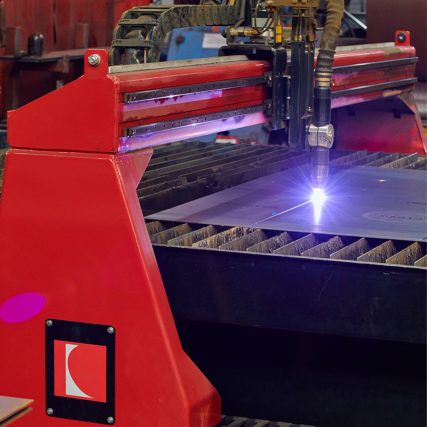
Have you ever wondered how metal shapes and designs come to life with such precision and speed? A CNC plasma cutting machine might be the secret behind it.
If you work with metal or are curious about modern cutting tools, understanding this machine can change the way you approach your projects. By the end of this article, you’ll know exactly what a CNC plasma cutting machine is, how it works, and why it could be the perfect tool for your needs.
Keep reading to unlock the power of precision cutting at your fingertips.
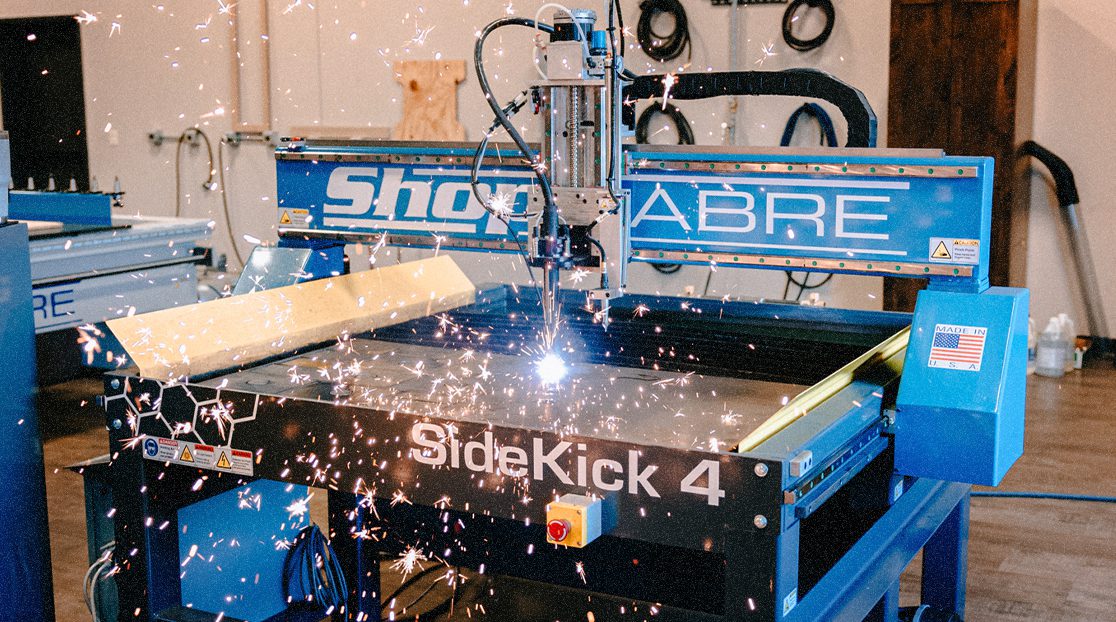
Credit: www.shopsabre.com
Cnc Plasma Cutting Basics
Understanding the basics of CNC plasma cutting is essential if you want to work efficiently with metal fabrication. It combines precision with speed, making it a popular choice in many industries. Let’s break down how this technology functions and what parts make it tick.
How Plasma Cutting Works
Plasma cutting uses a high-velocity jet of ionized gas, or plasma, to cut through electrically conductive materials like steel, aluminum, and copper. The plasma reaches temperatures up to 30,000°F, which melts the metal instantly. The machine then blows away the molten metal, leaving a clean, precise cut behind.
Have you ever wondered how such a thin stream of gas can cut through thick metal so smoothly? The secret lies in the ionization process that turns the gas into plasma, creating a focused and powerful cutting tool.
Key Components Of Cnc Plasma Machines
A CNC plasma cutting machine is made up of several important parts, each playing a critical role in the cutting process:
- Power Supply:Generates the necessary electrical energy to create and maintain the plasma arc.
- Plasma Torch:Directs the plasma jet onto the metal surface to perform the cut.
- CNC Controller:Acts as the brain, guiding the torch’s movements based on your design input.
- Motion System:Moves the torch accurately across the metal, usually via motors and rails.
- Gas Supply:Provides the ionized gas, often compressed air or inert gases, needed to form the plasma.
Each component must work seamlessly to produce clean cuts. If one part is off, your results will suffer. Are you ready to optimize your setup for the best performance?

Credit: www.avidcnc.com
Types Of Cnc Plasma Machines
CNC plasma cutting machines come in different types, each suited for specific tasks. Understanding these types helps choose the right machine for your needs. The main types vary by mobility, size, and cutting quality.
Portable Vs. Table Machines
Portable CNC plasma machines are lightweight and easy to move. They work well for cutting large metal sheets outdoors or in different locations. These machines offer flexibility but may have limited cutting precision.
Table machines are fixed and provide a stable cutting surface. They offer higher accuracy and are ideal for detailed or repetitive work. These machines handle thicker metals better and are common in workshops.
High-definition Vs. Standard Plasma Cutting
High-definition plasma cutters use advanced technology for cleaner and more precise cuts. They produce narrow kerfs and smooth edges, reducing the need for extra finishing. These machines suit fine metalwork and complex designs.
Standard plasma cutting machines are simpler and less costly. They work well for basic cutting tasks and thicker materials. The cut edges might need more cleaning after the job.
Materials Suitable For Plasma Cutting
Choosing the right material is crucial for getting the best results from a CNC plasma cutting machine. Not every metal responds the same way to plasma cutting, and understanding which materials work best can save you time and reduce waste.
Plasma cutting excels at slicing through conductive metals quickly and cleanly. This makes it a favorite in workshops and industrial settings where precision and speed matter. But have you ever wondered why some metals cut better than others?
Common Metals Cut With Plasma
Plasma cutting works well with a range of metals. Here are some of the most common ones:
- Steel:Both carbon steel and stainless steel cut efficiently with plasma. Carbon steel is often used in construction and automotive industries.
- Aluminum:Despite its softness, aluminum can be tricky due to its heat conductivity, but plasma cutting handles it well with the right settings.
- Copper:Copper’s high thermal conductivity means plasma cutting requires careful control, but it’s still very doable.
- Brass:Similar to copper, brass responds well to plasma cutting but demands attention to avoid warping.
Material Thickness And Cutting Limits
Thickness plays a big role in plasma cutting success. Most CNC plasma cutters can handle metal sheets from very thin gauges up to around 1 inch thick.
Cutting very thick metal requires more powerful machines and often slows down the process. Have you noticed how cutting speed varies with thickness?
Here’s a quick guide to typical cutting limits:
| Material | Typical Thickness Range | Notes |
|---|---|---|
| Carbon Steel | 0.5 mm to 25 mm (about 0.02 to 1 inch) | Most common for plasma cutting; thicker cuts require slower speeds. |
| Stainless Steel | 0.5 mm to 20 mm (about 0.02 to 0.8 inch) | High-quality cuts with less dross when settings are optimized. |
| Aluminum | 1 mm to 15 mm (about 0.04 to 0.6 inch) | Heat conduction can cause warping if not managed. |
Understanding these limits helps you pick the right machine and avoid frustration. What material are you planning to cut with your CNC plasma cutter?
Benefits Of Cnc Plasma Cutting
The benefits of CNC plasma cutting go beyond just slicing metal. This technology changes how you approach metal fabrication by improving quality, speed, and cost management. Understanding these advantages helps you decide if CNC plasma cutting fits your specific needs.
Precision And Speed
CNC plasma cutting offers unmatched precision. The computer controls the cutting path, reducing human error and ensuring consistent results every time.
You get clean, accurate cuts that require less finishing work, saving time on each project. Plus, the speed of the plasma torch means you complete jobs faster without sacrificing quality.
Have you noticed how delays in cutting can slow down your entire workflow? CNC plasma cutting can help you keep your projects on schedule.
Cost Efficiency And Versatility
Using CNC plasma cutting can lower your overall production costs. It reduces material waste by cutting with great accuracy, so you use metal more efficiently.
This method works on various metals like steel, aluminum, and brass, making it highly versatile for different projects. Whether you’re working on small parts or large sheets, CNC plasma cutting adapts to your needs.
Think about the money saved on manual labor and rework. Could investing in CNC plasma cutting equipment improve your bottom line?
Setting Up A Cnc Plasma Machine
Setting up a CNC plasma cutting machine involves more than just plugging it in. You need to understand how to prepare the machine, get your software ready, and maintain safety throughout the process. Proper setup ensures precision cuts and extends the life of your equipment.
Software And Programming Basics
Your CNC plasma machine relies heavily on software to translate designs into cutting paths. You’ll need to install compatible CAD (Computer-Aided Design) and CAM (Computer-Aided Manufacturing) programs.
Start by creating or importing a design file, usually in formats like DXF or DWG. The software then generates G-code, which the machine reads to control the cutting torch movements.
Don’t overlook calibration settings within the software. Adjust parameters such as cutting speed, torch height, and power levels based on the material you’re working with. Have you checked if your software supports real-time monitoring to catch errors early?
Safety Precautions And Maintenance
Safety is critical when operating a plasma cutting machine. Always wear proper protective gear like gloves, safety glasses, and flame-resistant clothing to prevent burns and eye damage.
Ensure your workspace is well-ventilated to avoid inhaling harmful fumes. Regularly inspect cables, hoses, and connections for wear or damage before each use.
Maintenance routines should include cleaning the torch nozzle and checking the air compressor filters. A clean and well-maintained machine cuts more accurately and reduces downtime. How often do you schedule maintenance checks on your equipment?
Applications In Industry
CNC plasma cutting machines are widely used across many industries. They offer precise, fast, and efficient cutting of metals. These machines handle various materials, shapes, and thicknesses with ease. Their versatility makes them essential in modern industrial processes.
Manufacturing And Fabrication
In manufacturing, CNC plasma cutters shape metal parts for machines and tools. They cut steel, aluminum, and other metals quickly. This speed helps meet tight production schedules. Fabricators use these machines to create custom metal designs. The precision of CNC plasma cutting reduces waste and errors. It also improves the quality of finished products.
Automotive And Construction Uses
The automotive industry relies on CNC plasma cutting for parts production. It cuts frames, panels, and engine components accurately. This accuracy ensures proper fit and performance. In construction, plasma cutters cut structural steel and metal components. They help build bridges, buildings, and infrastructure efficiently. The machines handle large sheets and thick metals easily. This capability supports strong and durable construction projects.
Troubleshooting Common Issues
Troubleshooting common issues in CNC plasma cutting machines helps keep the process smooth. Identifying problems early saves time and money. Understanding typical faults improves machine performance and cut quality. This section covers key challenges and practical fixes.
Cut Quality Problems
Poor cut quality often results from incorrect settings or worn parts. Check the following to improve cuts:
- Verify the correct cutting speed and amperage.
- Inspect the torch tip for damage or clogging.
- Ensure the workpiece is clean and properly grounded.
- Adjust the torch height to maintain proper distance.
- Replace consumables regularly to avoid uneven cuts.
Uneven or rough edges may signal nozzle wear or wrong gas pressure. Adjust gas flow to match material needs. Smooth and precise cuts require steady machine movement and stable power supply.
Machine Errors And Fixes
Machine errors can disrupt cutting and cause downtime. Common errors include:
- Control panel freezes or unresponsive commands.
- Torch not firing or inconsistent arc start.
- Axis misalignment or lost steps during cutting.
- Error codes displayed on the screen.
Reset the machine to clear temporary faults. Check wiring connections and sensor alignment. Update firmware to fix software bugs. Regular maintenance prevents mechanical failures and sensor errors. Consult the user manual for specific error code solutions.
Future Trends In Plasma Cutting
The future of plasma cutting is shaping up to be smarter, faster, and more connected. As technology evolves, plasma cutting machines will offer you greater precision and efficiency. Understanding upcoming trends can help you stay ahead in your projects and investments.
Advancements In Automation
Automation is transforming how plasma cutting machines operate. New systems can now adjust cutting speed and power on the fly, reducing waste and improving quality. Imagine a machine that learns from each cut, optimizing itself without constant supervision.
Robots paired with plasma cutters are becoming more common, handling repetitive tasks with consistency. This reduces human error and frees you to focus on design and complex problem-solving. Wouldn’t it be great to have a machine that works tirelessly and improves over time?
Integration With Other Technologies
Plasma cutting machines are no longer standalone tools; they are part of a larger digital ecosystem. They can connect with CAD software, allowing you to send designs directly to the cutter without extra steps. This saves time and minimizes mistakes caused by manual data entry.
Additionally, integrating sensors and IoT technology helps monitor machine health and performance in real-time. This means fewer unexpected breakdowns and more planned maintenance. How much smoother would your workflow be if your machine could tell you when it needs attention before it fails?
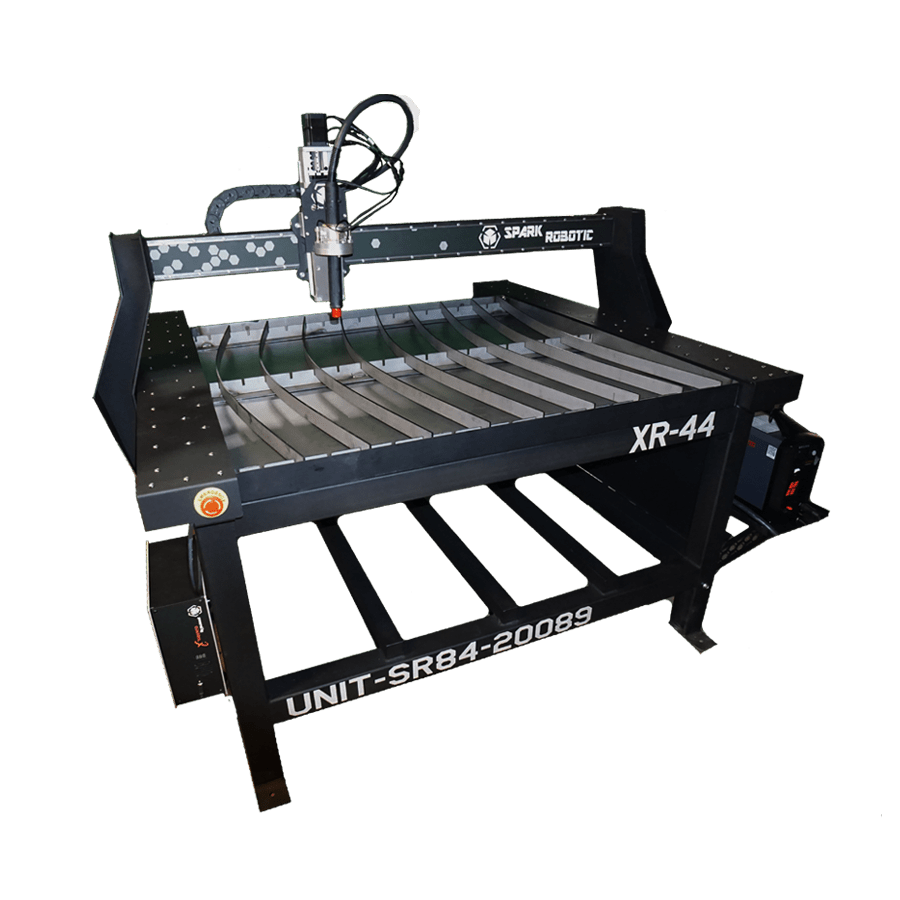
Credit: www.sparkrobotic.com
Frequently Asked Questions
What Is A Cnc Plasma Cutting Machine Used For?
A CNC plasma cutting machine cuts metal sheets with precision using a plasma torch. It’s ideal for steel, aluminum, and other conductive metals. The machine follows computer-controlled paths, enabling accurate and fast cutting for industrial and artistic applications.
How Does A Cnc Plasma Cutting Machine Work?
It uses a high-velocity jet of ionized gas (plasma) to melt and cut metals. The CNC system controls the torch’s movement for precise cuts. This method allows for clean, accurate shapes on metal sheets without physical contact.
What Metals Can Cnc Plasma Cutters Cut?
CNC plasma cutters work best with conductive metals like steel, stainless steel, aluminum, brass, and copper. They efficiently cut through varying thicknesses, making them versatile for industrial fabrication and repair tasks.
What Are The Benefits Of Cnc Plasma Cutting Machines?
They offer fast, precise, and automated metal cutting. CNC plasma machines reduce waste and improve efficiency. They handle complex shapes easily and require minimal manual labor, making them cost-effective for many metalworking industries.
Conclusion
A CNC plasma cutting machine offers fast and precise metal cutting. It helps save time and reduces waste. Many industries use it for different projects. The machine is easy to operate with basic training. It suits both small workshops and large factories.
Understanding its function can improve your work quality. This tool brings efficiency to metal fabrication tasks. Try learning more about its parts and uses. It could be a useful addition to your workshop.
About The Author

