
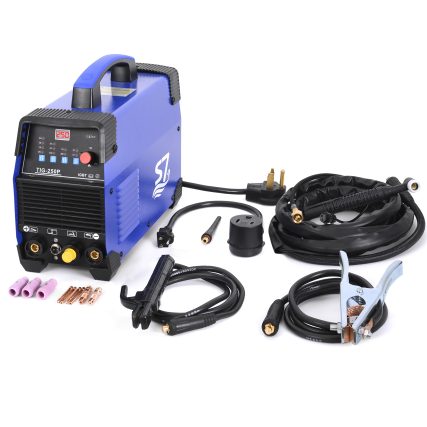
If you’ve ever wondered how strong, precise metal joints are made, understanding what a TIG welder is could be your first step. Whether you’re a hobbyist, a professional, or simply curious, knowing how this tool works can open up new possibilities for your projects.
You’re about to discover what makes TIG welding special, how it differs from other methods, and why it might be the perfect choice for your next job. Keep reading to unlock the secrets behind this powerful welding technique.

Credit: www.amazon.com
Tig Welding Basics
Understanding the basics of TIG welding is essential if you want to use this technique effectively. TIG welding offers precision and control that few other methods can match. Let’s break down what TIG welding is, how it came about, and what makes TIG welders stand out.
Definition Of Tig Welding
TIG welding stands for Tungsten Inert Gas welding. It uses a non-consumable tungsten electrode to create the weld. The process involves shielding the weld area with an inert gas, usually argon, to protect it from contamination.
This technique allows you to weld thin materials with great accuracy. You can weld metals like stainless steel, aluminum, and copper with minimal distortion. Have you noticed how some welds look cleaner and more precise? That’s often TIG welding at work.
History Of Tig Welding
TIG welding was developed in the 1940s during World War II. It was initially used for welding magnesium in aircraft construction. The method quickly gained popularity for its strong, clean welds.
Since then, TIG welding has evolved and become a standard in many industries. Its ability to handle different metals and thicknesses made it a favorite among professionals. If you’ve ever wondered how airplanes or race cars get those flawless joints, TIG welding likely played a role.
Key Features Of Tig Welders
- Precision Control:TIG welders let you adjust the heat and welding speed with high accuracy.
- Clean Welds:The inert gas shield prevents oxidation, producing smooth and strong welds.
- Versatility:Suitable for welding various metals and thicknesses, from thin sheets to heavy plates.
- Non-Consumable Electrode:The tungsten electrode lasts longer and doesn’t melt into the weld.
- Requires Skill:TIG welding demands steady hands and practice to master.
Have you tried TIG welding yourself? Many find it challenging at first but rewarding once you get the hang of it. What kind of projects could you tackle with this level of precision?

Credit: store.cyberweld.com
How Tig Welding Works
Understanding how TIG welding works gives you a clear picture of why it’s favored for precision metalwork. This process combines heat, control, and skill to create strong, clean welds. Let’s break down the core mechanics that make TIG welding unique and effective.
Principles Of Operation
TIG welding uses a non-consumable tungsten electrode to produce the weld. The electrode creates an electric arc that heats the metals you want to join without melting the electrode itself.
The heat generated melts the base metal, while a separate filler rod can be added if extra material is needed. You control the heat and filler addition manually, giving you precise control over the weld bead.
An inert gas, usually argon, shields the weld area from contamination. This prevents oxidation and ensures a clean, strong weld. The shield gas is crucial for maintaining weld quality.
Tig Welding Process Steps
- Set up your equipment:Connect the TIG torch, gas supply, and power source. Adjust the current based on the metal thickness.
- Strike the arc:Use the torch to start an arc between the tungsten electrode and the base metal.
- Apply heat:Move the torch along the joint to melt the metal edges. Maintain a steady arc length for consistent heat.
- Add filler material:Feed the filler rod into the molten pool as needed to build the weld bead.
- Control the gas flow:Keep the shielding gas flowing throughout the weld and a little after to protect the cooling metal.
- Finish the weld:Lift the torch carefully to end the arc and avoid defects.
Have you ever noticed how the steady hand and attention to detail here can make or break the weld? TIG welding demands patience, but the results are often worth the effort.
Types Of Tig Welders
Understanding the types of TIG welders can help you choose the right tool for your projects. Different welders have specific features that suit various metals and applications. Knowing these differences saves you time and ensures better weld quality.
Ac Vs. Dc Tig Welders
AC TIG welders use alternating current, which is best for welding aluminum and magnesium. This current type helps break up the oxide layer on these metals, making the weld cleaner and stronger.
DC TIG welders use direct current, ideal for welding steel, stainless steel, and copper. It provides a stable arc and deeper penetration, which is great for thicker materials.
Have you ever struggled with poor welds on aluminum? Using an AC TIG welder might be the key to fixing that issue.
Inverter Vs. Transformer Welders
Inverter TIG welders are compact and energy-efficient. They use electronic components to convert power and allow precise control over welding parameters.
Transformer TIG welders are heavier and bulkier but are known for their durability and simplicity. They operate using traditional electromagnetic transformers.
If you value portability and fine control, an inverter welder suits your needs better. But if you work in harsh environments and need rugged equipment, a transformer welder could be more reliable.
Advantages Of Tig Welding
TIG welding offers several clear advantages that make it a preferred choice for many metalworking projects. Whether you’re working on delicate pieces or heavy-duty structures, TIG welding gives you the ability to produce clean, strong welds with exceptional control. Understanding these benefits can help you decide if TIG welding fits your needs and projects.
Precision And Control
TIG welding stands out for its exceptional precision. You control the heat and the weld pool with your hands, allowing you to work on very thin or delicate materials without causing damage.
Have you ever struggled with weld spatter or burn-through? TIG welding minimizes these issues, giving you a clean finish every time. This precision also means fewer repairs and better-looking joints, which is crucial if your work is visible or requires a smooth surface.
Versatility In Materials
TIG welding is incredibly versatile because it works well with a wide range of metals. From stainless steel and aluminum to copper and exotic alloys, TIG welders can handle them all.
This flexibility means you don’t need multiple machines for different metals. Instead, you can switch materials without compromising the quality of your welds, saving time and money on your projects.
Common Applications
TIG welders offer precise and clean welding capabilities. Their versatility suits many tasks. Understanding common applications helps choose the right tool for any project.
Industry Uses
TIG welders excel in industries needing strong, neat welds. Aerospace companies use TIG for aircraft parts. Automotive shops rely on TIG for custom car frames. Shipbuilders weld thin metal sheets with TIG. Food processing plants build stainless steel equipment using TIG welding. Electronics manufacturers join small, delicate components with TIG. These welders work well on aluminum, steel, and copper alloys. Clean welds prevent contamination and ensure safety in many fields.
Artistic And Hobbyist Projects
Artists and hobbyists enjoy TIG welding for creative work. Sculptors use TIG to join metal pieces smoothly. Custom bike builders shape frames with TIG welders. Home metalworkers create garden art and furniture. TIG’s control helps avoid warping on thin metals. Hobbyists can weld various metals, making unique items. The clean finish reduces grinding and polishing time. TIG welding suits any project needing fine detail and strength.
Essential Tig Welding Equipment
To get the best results from TIG welding, you need more than just a welder. Essential TIG welding equipment plays a big role in the quality and safety of your work. Understanding each tool and its purpose will help you weld with confidence and precision.
Tig Torch Components
The TIG torch is the heart of your welding setup. It consists of several key parts that work together to create a clean, controlled arc.
- Torch Body:This is the handle you hold. It should feel comfortable and fit your hand well to reduce fatigue during long welds.
- Electrode:Usually made of tungsten, this rod carries the electric current to create the arc. Choosing the right tungsten type affects your weld quality.
- Collet and Collet Body:These parts hold the electrode in place, ensuring it stays steady during welding.
- Gas Nozzle:Directs the shielding gas over the weld to protect it from contamination.
Have you ever noticed how a small flicker in your torch can ruin a weld? Keeping these components clean and properly assembled is essential to avoid that.
Protective Gear And Safety
Safety is not optional when TIG welding. The right protective gear shields you from sparks, UV rays, and hot metal.
- Welding Helmet:Look for one with an auto-darkening feature to protect your eyes without interrupting your work.
- Gloves:Use thick, heat-resistant gloves to protect your hands while maintaining dexterity.
- Protective Clothing:Wear flame-resistant jackets or sleeves to guard against burns.
- Respirator:If you weld in a poorly ventilated area, a respirator helps you avoid inhaling harmful fumes.
Have you checked your gear for wear and tear lately? Even small holes in gloves or cracks in helmets can put your safety at risk.
Tips For Beginners
Starting with a TIG welder can feel challenging. This tool requires careful control and steady hands. Beginners should focus on learning the basics clearly. Small practice sessions build confidence and skill.
Patience matters most. Avoid rushing the process. Each weld needs attention and care for best results.
Basic Techniques
- Keep a steady hand while holding the torch.
- Maintain a consistent distance between the torch and metal.
- Use a slow and steady movement along the weld line.
- Feed the filler rod smoothly into the weld pool.
- Adjust the amperage setting to match metal thickness.
- Wear proper safety gear including gloves and a helmet.
- Practice controlling the foot pedal for heat adjustment.
Common Mistakes To Avoid
- Moving the torch too fast, causing weak welds.
- Holding the filler rod at the wrong angle.
- Using too much heat and burning the metal.
- Not cleaning the metal before welding.
- Neglecting safety equipment and risking injury.
- Overloading the torch with filler metal at once.
- Failing to practice regularly to improve technique.
Advanced Techniques For Pros
Mastering advanced TIG welding techniques can take your craftsmanship to a whole new level. These skills help you achieve cleaner, stronger welds, especially on challenging materials. Whether you’re working on thin aluminum or thick stainless steel, these methods give you greater control and precision.
Pulse Tig Welding
Pulse TIG welding involves rapidly switching the welding current between a high and low level. This technique helps you control heat input more effectively, reducing warping and burn-through on thin metals.
Think about working on a delicate bike frame. Using pulse TIG allows you to weld without overheating the tube walls. It creates a series of controlled heat bursts, which cool down the weld area between pulses.
Besides heat control, pulse TIG improves weld bead appearance. The rhythmic pulsing shapes the weld puddle, giving you a smooth, consistent finish with less spatter.
Could adjusting pulse frequency and amplitude improve your weld quality? Experimenting with these settings might unlock better results for your specific projects.
Multi-pass Welding Strategies
Multi-pass welding means applying several layers of weld metal to build up a strong joint. This technique is essential when joining thick materials or when extra strength is needed.
Each pass should be carefully planned to avoid defects like cracks or porosity. Cleaning between passes is crucial to remove slag and ensure good fusion.
Imagine repairing a heavy-duty truck frame. Multiple passes allow you to control heat and minimize distortion by gradually adding weld material. Using a back-step or weaving motion can help distribute heat evenly.
Have you tried varying your welding angles or travel speeds between passes? Small adjustments can make a big difference in penetration and weld integrity.
Maintenance And Troubleshooting
Maintaining your TIG welder ensures it performs reliably and safely every time you use it. Regular checks prevent small issues from turning into costly repairs, saving you time and frustration. Troubleshooting quickly helps you get back to work without unnecessary downtime.
Routine Equipment Checks
Start each session by inspecting the torch and cables for any visible damage like cracks or fraying. Check the gas supply lines and connections to avoid leaks that can affect weld quality.
Keep the tungsten electrode sharp and clean; a dull or contaminated tip can cause poor arc stability. Don’t forget to clean or replace the filler rod holder and ensure the foot pedal or remote control operates smoothly.
Test the machine’s settings and controls before welding. Confirm that amperage, gas flow, and pulse settings match your project requirements to avoid surprises mid-weld.
Common Issues And Solutions
- Irregular Arc or Arc Dropout:Often caused by a dirty tungsten or loose connections. Clean the tungsten and tighten all cables to restore a steady arc.
- Gas Flow Problems:If you notice porosity or oxidation in your welds, check for leaks or blockages in the gas hose. Replace worn-out O-rings or damaged hoses immediately.
- Overheating:Too high amperage or poor ventilation can cause the machine to overheat. Lower the amperage setting and ensure your workspace is well-ventilated.
- Foot Pedal Not Responding:Confirm the pedal wiring is intact and connections are secure. Sometimes dust or moisture inside the pedal can cause malfunction—clean or replace as needed.
Have you ever paused your welding project only to find your machine acting up? Taking a few minutes to do these checks can be the difference between a smooth welding session and a frustrating delay.
Credit: www.vevor.com
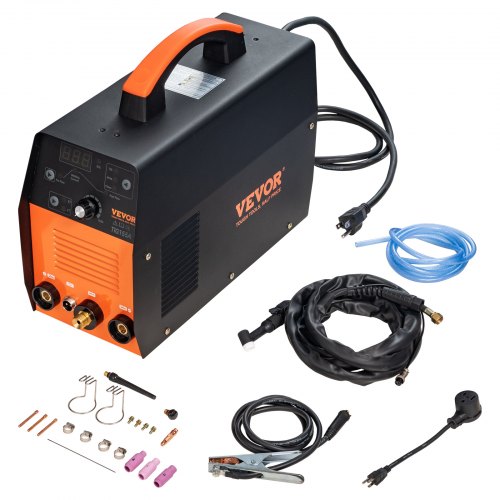
Choosing The Right Tig Welder
Choosing the right TIG welder is essential for good welding results. The perfect machine matches your skill level and the type of projects you want to do. A good TIG welder offers control, precision, and reliability. Consider what features matter most and how you will use the welder.
Factors To Consider
- Power Source: Choose between AC, DC, or both based on metal types.
- Amperage Range: A wider range allows welding thin and thick materials.
- Portability: Lightweight units are easier to move for outdoor or small jobs.
- Ease of Use: Look for simple controls and clear displays if you are a beginner.
- Duty Cycle: Higher duty cycles mean longer welding without overheating.
- Additional Features: Pulse control, foot pedal compatibility, and gas control improve precision.
- Budget: Balance cost with features to get the best value for your needs.
Top Brands And Models
| Brand | Model | Best For | Key Features |
|---|---|---|---|
| Millermatic | Millermatic 210 | Beginners and hobbyists | Simple interface, dual voltage, portable |
| Lincoln Electric | Square Wave TIG 200 | General use and precision work | AC/DC welding, pulse function, easy controls |
| Everlast | PowerTIG 200DV | Advanced hobbyists and light industrial | Wide amperage, pulse, foot pedal ready |
| ESAB | ESAB Rebel EMP 215ic | Multi-process welding | AC/DC TIG, MIG, Stick, portable design |
Frequently Asked Questions
What Is A Tig Welder Used For?
A Tig Welder is used for precision welding of thin metals. It excels in joining stainless steel, aluminum, and other non-ferrous metals. This method produces clean, strong, and high-quality welds with minimal spatter.
How Does A Tig Welder Work?
A Tig Welder uses a tungsten electrode to create an electric arc. This arc melts the metal, allowing fusion without consuming the electrode. Shielding gas, usually argon, protects the weld from contamination during the process.
What Are The Benefits Of Tig Welding?
Tig Welding offers precise control and produces high-quality, clean welds. It works on thin materials and various metals. The process allows for strong, visually appealing joints with minimal post-weld cleanup.
Is Tig Welding Suitable For Beginners?
Tig Welding requires skill and practice, making it less ideal for beginners. However, with proper training, beginners can learn to create precise and clean welds. It’s recommended to start with simpler welding methods first.
Conclusion
A TIG welder joins metal with clean, strong welds. It uses a non-consumable tungsten electrode and inert gas. This method works well on thin metals and offers great control. Many people choose TIG welding for precision and neat results. Understanding how a TIG welder works helps you pick the right tool for projects.
Practice and patience improve your welding skills over time. TIG welding suits hobbyists and professionals alike. It brings quality and accuracy to metalwork tasks. Simple, effective, and versatile—TIG welding remains a top choice.
About The Author

