
Imagine you’re crafting a masterpiece with metal, pouring your skills into every weld. But suddenly, a small mistake—an arc strike—catches your eye, and it threatens to compromise the integrity of your work.
As a welder, encountering arc strikes can be frustrating, but understanding them is crucial for ensuring the quality and safety of your projects. What exactly is an arc strike in welding, and why should you care? This article will reveal the hidden secrets of arc strikes, showing you how to identify them and prevent them from sabotaging your welding efforts.
Dive in to discover how mastering this knowledge can elevate your welding skills and protect your creations.
Arc Strike Basics
Welding is a craft that demands precision, skill, and an understanding of various technical elements. One key concept every welder should grasp is the arc strike. Understanding arc strikes can not only improve your welding quality but also save you from costly mistakes. Let’s dive into the basics of arc strikes and why they matter.
What Is An Arc Strike?
Arc strikes occur when the welding electrode inadvertently touches the metal outside the intended weld zone. This accidental contact creates a small, unintended arc. It’s like drawing a line on a blank page where you didn’t want to. These marks can compromise the integrity of the metal, leading to weaknesses.
Why Are Arc Strikes Important?
Arc strikes are more than just cosmetic blemishes. They can impact the strength and durability of the welded piece. Imagine spending hours crafting a perfect weld only to find hidden flaws caused by arc strikes. These flaws might lead to cracks, especially if the metal is under stress. It’s crucial to prevent arc strikes to ensure the quality of your work.
Common Causes Of Arc Strikes
Several factors can lead to arc strikes. Using an electrode with too much current is a common mistake. It can cause the arc to jump unexpectedly. Another reason might be a lack of focus or rushing through the process. Even seasoned welders can fall victim to arc strikes if they aren’t careful.
How can you avoid arc strikes in your projects? Start by choosing the right electrode for the job. Match the current settings to the electrode and metal thickness. Keep your work area clean and organized to minimize distractions. Practice steady hand movements to maintain control over the electrode.
Dealing With Arc Strikes
If you find an arc strike, you might be tempted to ignore it. But addressing it is crucial. You can grind the affected area to smooth out the surface. This helps remove the mark and prevents any potential weakness. It might take extra time, but it ensures the longevity of your weld.
Have you ever faced the frustration of an arc strike ruining your hard work? How did you handle it? Share your experiences and insights with fellow welders. Understanding arc strikes can transform your welding technique, making each project a success. Embrace the challenge and turn it into an opportunity for growth and improvement.

Credit: www.shutterstock.com
Causes Of Arc Strikes
Arc strikes in welding occur when the welding arc unintentionally touches the base metal. This contact creates unwanted marks. Common causes include improper electrode handling, poor grounding, or accidental arc ignition. These strikes can weaken the metal, leading to potential structural failures.
Proper training and equipment care can minimize this risk.
Arc strikes in welding can be a frustrating challenge, especially for those who aim for precision and quality in their work. Understanding the causes of arc strikes is crucial for preventing them and ensuring smooth, flawless welds. Let’s dive into what triggers these unwanted sparks and how you can avoid them.Inadequate Preparation
Proper preparation is key in welding. If the workpiece surface is dirty or contaminated with oil, rust, or paint, arc strikes can occur. Make it a habit to clean the surface thoroughly before starting. Are you guilty of skipping this step when in a rush?Poor Grounding
The grounding system is vital for a stable welding process. If the ground clamp is not securely attached, or if the cable is damaged, it can lead to arc strikes. Check your equipment regularly. Is your grounding setup reliable?Incorrect Electrode Angle
The angle at which you hold the electrode can impact arc stability. Holding it too steep or too shallow may cause arc strikes. Practice your technique and aim for consistency. Are you confident in your electrode handling skills?Low-quality Equipment
Sometimes, the tools you use can be the culprit. Low-quality electrodes or a faulty welding machine can create unstable arcs. Invest in reliable equipment to minimize such risks. Do you trust your tools to deliver quality welds?Environmental Factors
Wind or drafts can affect arc stability by blowing away shielding gas, leading to arc strikes. Welding indoors or using wind barriers can help mitigate this. Have you considered how your surroundings might be affecting your welds? Understanding these causes is the first step to preventing arc strikes. By paying attention to details and maintaining your equipment, you can achieve cleaner, more precise welds. What steps will you take to ensure your next welding project is free from arc strikes?Identifying Arc Strikes
Arc strikes in welding occur when the arc touches the base metal. They can create unwanted marks or damage. It’s important to identify and control them for quality work.
Identifying arc strikes in welding is crucial for ensuring the integrity and safety of your work. Arc strikes are unintentional marks or burns that can occur when the welding arc touches the base metal outside the weld zone. These defects can lead to potential weaknesses, affecting the durability of the welded structure. Understanding how to identify arc strikes can help you maintain high-quality welds and avoid costly repairs or safety hazards.What Are The Visual Signs?
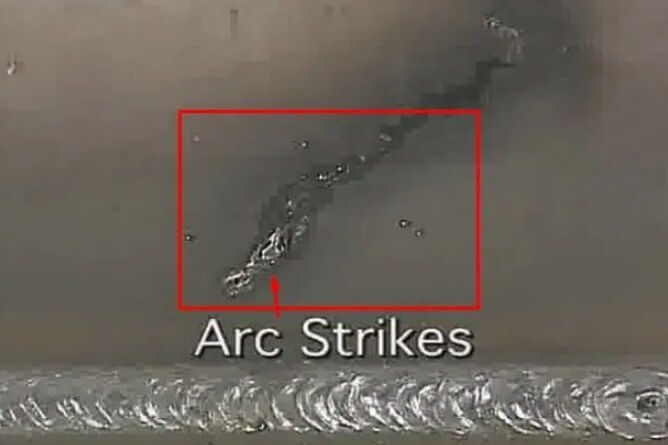
Look for irregular burn marks or small pockmarks on the metal surface. These marks can appear as tiny, localized discolorations or raised spots. They often have a distinct appearance compared to the smooth and uniform weld bead.Surface Texture Changes
Arc strikes often change the texture of the metal. Run your hand over the area; if it feels rough or uneven, it might be an arc strike. These defects disrupt the uniformity of the metal surface, which can be a telling sign.Use Of Inspection Tools
Sometimes, visual inspection isn’t enough. Use tools like magnifying glasses or inspection mirrors to get a closer look. Non-destructive testing methods, such as dye penetrant testing, can also help reveal arc strikes that are not visible to the naked eye.Impact On Metal Integrity
Arc strikes can compromise the metal’s strength. They may lead to cracking or other structural failures over time. Ask yourself: are you willing to risk the integrity of the entire structure for a small oversight? Prevention is better than cure. Use proper welding techniques and equipment settings to minimize the risk. Regularly inspect your work to catch any arc strikes early, ensuring they are addressed before they cause bigger issues. Identifying arc strikes is more than just a visual check; it’s about understanding the potential risks and taking proactive steps to ensure quality. Have you ever overlooked a small defect that later turned into a significant problem? Taking the time to inspect and correct arc strikes can save you from future headaches and ensure your welds stand the test of time.Effects On Weld Quality
Arc strikes in welding can seriously affect weld quality. They can lead to weak points in the weld. This compromises the integrity of the structure. Understanding these effects helps prevent costly repairs and failures.
Structural Implications
Arc strikes disrupt the metal’s surface. This creates stress concentration points. Such disruptions weaken the weld joint. They can lead to cracks and fractures. These structural issues may result in equipment failure.
In critical applications, this can pose safety hazards. Regular inspections help identify these weaknesses. Proper training reduces the occurrence of arc strikes.
Visual Defects
Arc strikes cause noticeable visual defects. They appear as unwanted marks on the weld surface. These marks often look like small pits or burns. They make the weld look unprofessional.
Such defects affect the overall appearance. This may lead to rejection in quality inspections. A visually clean weld indicates better workmanship. It also reflects the welder’s skill and attention to detail.
Preventing Arc Strikes
Arc strikes in welding occur when the arc unintentionally contacts the base metal. This can weaken the material and lead to defects. Preventing them ensures a smoother finish and stronger welds.
Preventing arc strikes is crucial for both the quality and safety of your welding projects. These unwanted marks can weaken the structural integrity and compromise the aesthetic finish of your work. By focusing on proper equipment handling and skill development, you can minimize the risk of arc strikes. It’s not just about avoiding mistakes; it’s about mastering your craft.Proper Equipment Handling
Handling your equipment correctly is the first step to prevent arc strikes. Ensure your welding machine settings are accurate for the materials and conditions you’re working with. This reduces the chances of accidental arcs. Keep your workspace organized. Place cables and tools strategically to avoid mishaps. An uncluttered environment helps you focus on precision. If you’ve ever worked in a messy shop, you know how easy it is to trip over wires or knock things over. Inspect your tools regularly. A frayed cable or a loose connection can lead to unexpected sparks. Don’t wait for equipment failure to take action. Regular checks can save you from potential disasters.Skill Development
Developing your skills is equally important in preventing arc strikes. Practice makes perfect, but focused practice makes you a pro. Attend workshops or online tutorials to hone your technique. Seek feedback from experienced welders. They can offer insights you might overlook. A mentor once pointed out my tendency to rush the start of my welds, leading to arc strikes. That advice changed my approach. Challenge yourself with different materials and conditions. This builds adaptability and confidence. Are you comfortable welding in tight spaces or on vertical surfaces? The more versatile you become, the fewer mistakes you’ll make. Finally, reflect on your welding sessions. What went well? What could improve? Personal reflection sharpens your skills and prevents repeated errors. By handling equipment properly and continuously developing your skills, you’ll create cleaner, stronger welds free from arc strikes.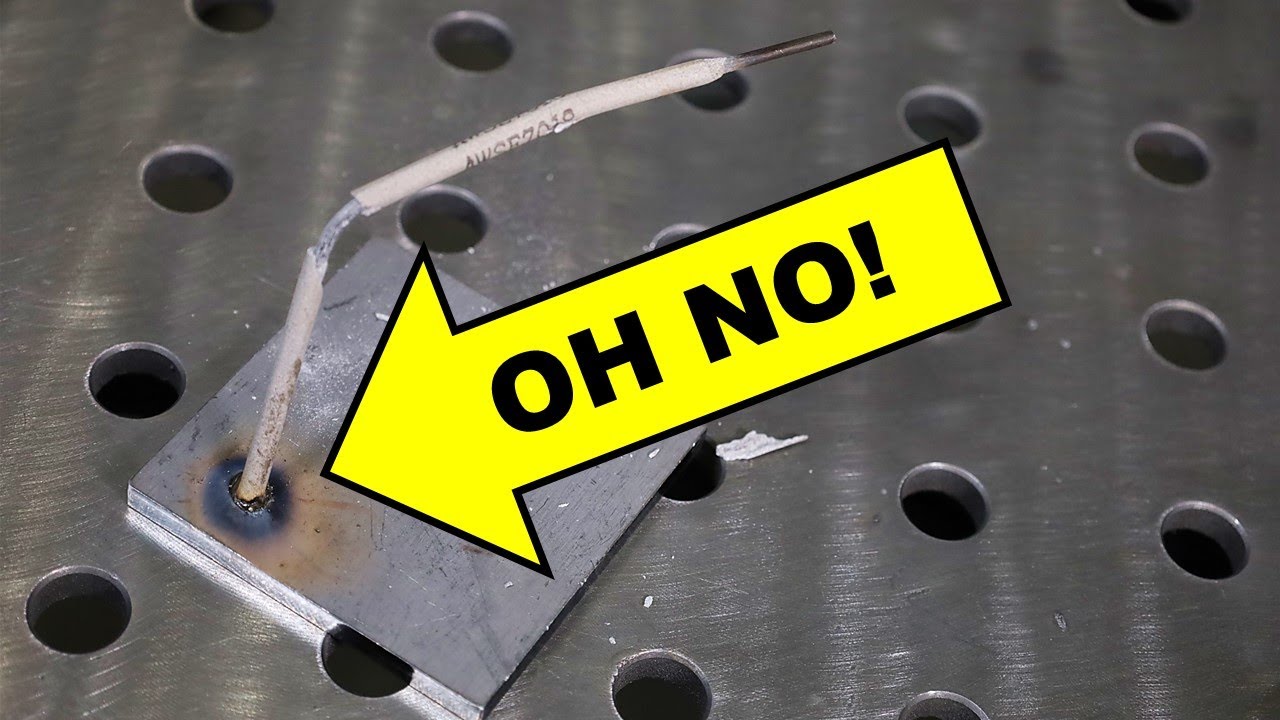
Credit: www.youtube.com
Repairing Arc Strikes
Repairing arc strikes is essential in welding projects. These marks can weaken welds and structures. Proper repair ensures safety and durability. The process involves careful inspection and strategic repair methods. Each step is crucial for quality results.
Inspection Techniques
Begin with a thorough inspection of the weld area. Look for visible marks or discoloration. Use a magnifying glass for small details. Check for any changes in metal texture. Document all findings for accurate repair planning.
Repair Strategies
Grinding is a common method to remove arc strikes. Use a fine-grit wheel for precision. Ensure the surface is smooth and even. Follow with polishing to restore the metal’s finish. Always assess the depth of the strike before starting.
In some cases, welding over the strike may be needed. This requires skilled technique to blend the repair. Ensure the new weld is strong and seamless. Test the area after repairs for structural integrity. Regular training can improve repair skills.
Industry Standards
Arc strikes in welding can compromise structural integrity. Understanding industry standards is crucial. Standards ensure quality and safety in welding projects. They guide welders in maintaining high standards of work.
Regulatory Compliance
Regulatory compliance is vital in welding practices. Organizations like the American Welding Society set guidelines. These guidelines help prevent defects like arc strikes. Complying with regulations ensures safe and durable welds.
Following set standards reduces risks. It ensures welds meet safety requirements. Regulatory bodies monitor compliance. They enforce rules to maintain industry-wide standards.
Best Practices
Best practices in welding minimize the risk of arc strikes. Proper training is essential. Welders should understand techniques to avoid arc strikes.
Using the right equipment is crucial. Maintain tools regularly to ensure efficiency. Inspect workpieces before welding. This helps in identifying potential issues.
Focus on continuous learning. Stay updated with the latest industry standards. This ensures adherence to best practices. It also enhances the quality of work produced.
Case Studies
Arc strikes in welding can disrupt work and lead to costly repairs. Studying case studies helps us understand real-world challenges. They offer insights that help improve welding practices.
Real-world Examples
In a factory, a welder faced repeated arc strikes. The strikes weakened the metal structure. This led to structural failures. Investigators found improper electrode handling as the cause. Another case involved a construction site. Here, arc strikes caused delays. Heavy machinery was involved. The strikes damaged essential components. Both cases highlight the importance of proper technique and equipment care.
Lessons Learned
These examples emphasize careful electrode use. Proper training is crucial. Welders must understand arc strike risks. It’s vital to follow safety protocols. Regular equipment checks help prevent problems. Supervisors should ensure compliance. These lessons improve welding reliability. They minimize risks and reduce repair costs.
Credit: www.weldingis.com
Frequently Asked Questions
What Causes An Arc Strike In Welding?
An arc strike occurs when the welding arc unintentionally touches the workpiece outside the intended weld area. This can happen due to improper handling of welding equipment or lack of control. Arc strikes can lead to defects, affecting the structural integrity and appearance of the weld.
How Does An Arc Strike Affect Weld Quality?
Arc strikes can compromise weld quality by introducing cracks, weak points, or surface imperfections. These defects can lead to structural failures or reduced durability. Ensuring proper technique and control during welding helps prevent arc strikes, thereby maintaining the integrity of the weld.
How Can Welders Prevent Arc Strikes?
Welders can prevent arc strikes by maintaining steady hand control and using proper techniques. Ensuring correct electrode positioning and adequate training helps avoid accidental arc contact. Regular equipment maintenance and inspection also play a crucial role in preventing arc strikes.
What Are The Safety Concerns Of Arc Strikes?
Arc strikes pose safety concerns by potentially weakening the weld, leading to structural failures. They can also cause burns or electrical hazards if not handled properly. Ensuring proper protective gear and following safety protocols can mitigate these risks.
Conclusion
Arc strikes in welding can cause serious issues. They weaken the welds. This leads to potential failures. Understanding their impact is crucial. It helps in preventing defects. Regular inspections are necessary. They ensure weld quality. Using proper techniques minimizes arc strikes.
Skilled welders play a key role. They maintain safety and durability. Proper training reduces mistakes. It also improves outcomes. Awareness of arc strikes benefits everyone in the welding field. By staying informed, you enhance your projects. Keep practicing safe welding habits.
This ensures strong and reliable structures.
About The Author

